South Korea’s Slam Eagles set for $2.8 billion F-15EX standard upgrade from Boeing

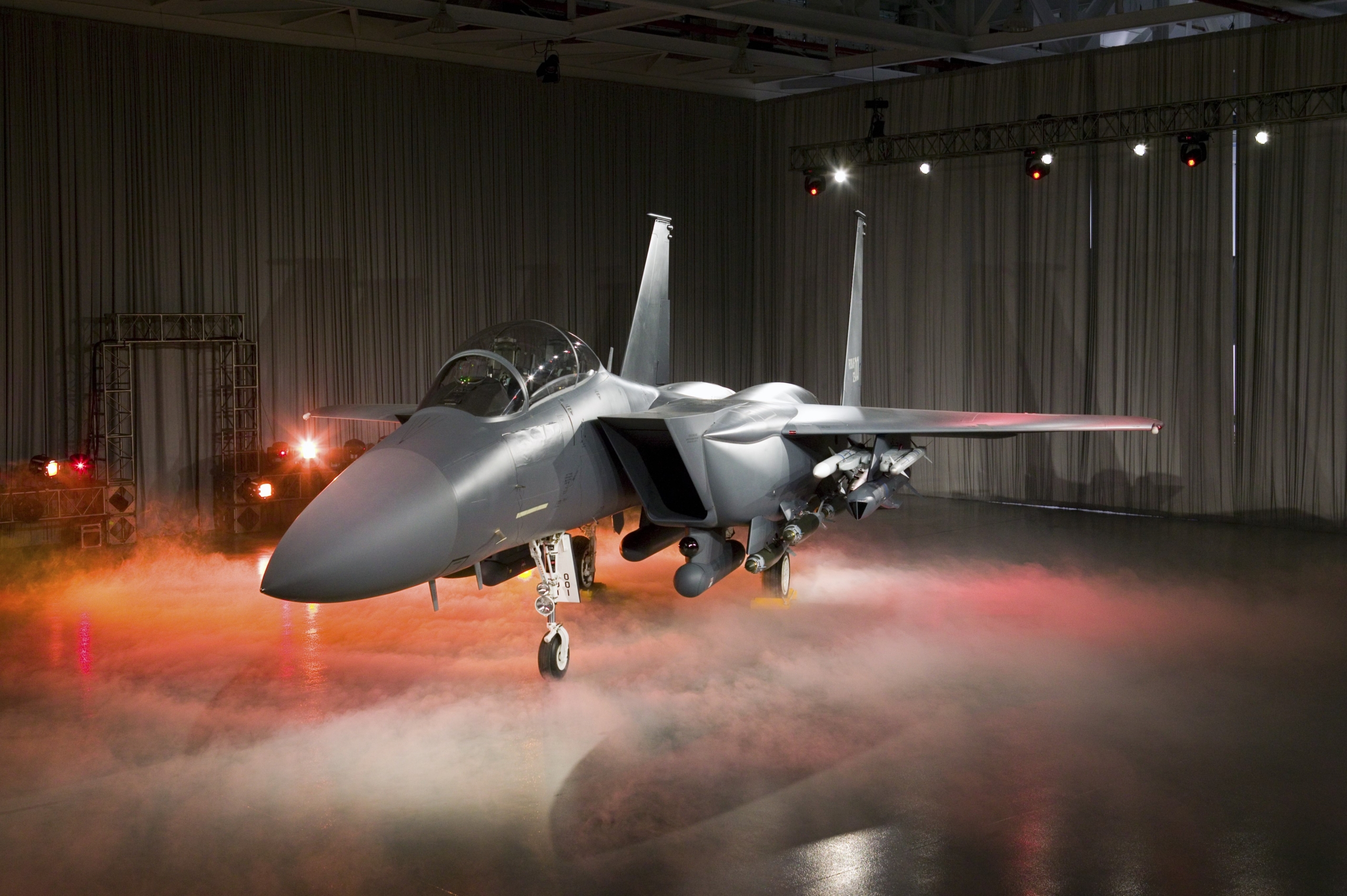
South Korea’s F-15K “Slam Eagles” have been cleared for a massive over-decade-long upgrade. This will upgrade the jets to the modern F-15EX standard currently being purchased by the USAF and mirrors Japan’s efforts to upgrade F-15Js to the F-15JSI (Japan Super Interceptor) standard.
US approves upgrading South Korea’s F-15K Slam Eagle fighter jets
On 31st January, the US Department of War announced it has awarded a $2.8 billion “hybrid cost-plus-fixed-fee and fixed-priced incentive undefinitized contract for F-15K ‘Slam Eagle’ Republic of Korea aircraft upgrades.”
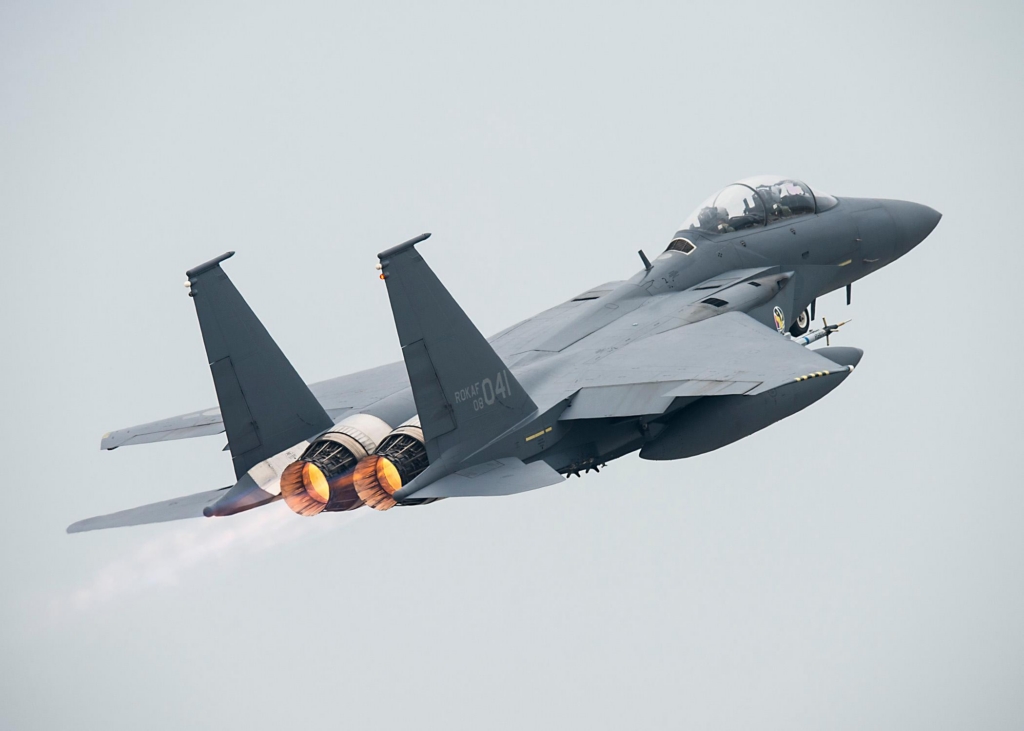
Earlier reporting suggested the cost will be over $6 billion. Its unclear if this contract covers the full planned upgrade or just a part of it.
The contract provides for the design and development of an “integrated suite of aircraft systems to support modification of the F-15K aircraft for the Republic of Korea Air Force and Defense Acquisition Program Administration.”
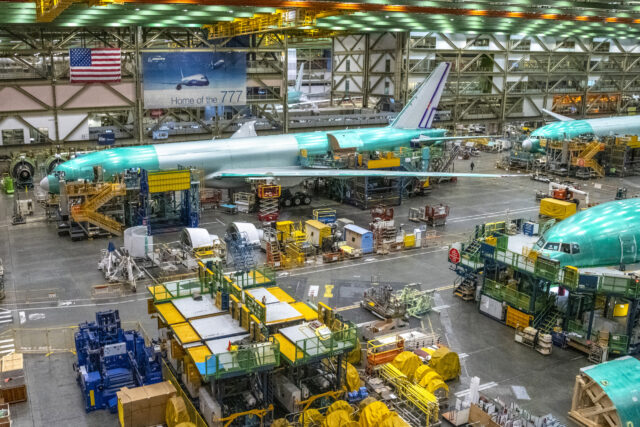
The work will be carried out at Boeing’s plant in St. Louis, Missouri, and is expected to run until the end of 2037 or around 13 years. The F-15Ks were originally built at St. Louis.
The contract is through the Foreign Military Sales. According to the news release, the contracting activity is the Air Force Life Cycle Management Center at Wright-Patterson Air Force Base, Ohio.
🚨🇺🇲🇰🇷 The US State Department has approved a possible Foreign Military Sale to South Korea of F-15K Slam Eagle upgrades, including 96 ACDP II mission system computers, 70 AN/APG-82(v)1 AESA radars, 70 AN/ALQ-250 EPAWSS EW suites, and 70 AN/AAR-57 CMWS, plus other equipment and… pic.twitter.com/CpH9BDSPJr
— Colby Badhwar 🇨🇦🇬🇧 (@ColbyBadhwar) November 19, 2024
Key upgrades for the Korean Slam Eagles include integrating the new AN/APG-82(v)1 Active Electronically Scanned Array (AESA) radar, installing the AN/ALQ-250 Eagle Passive Active Warning Survivability System (EPAWSS), upgrading the mission computers, upgrading the cockpit displays, improving missile warning systems, and other work like structural work.
Get the latest aerospace defence news here on AGN.
South Korea’s fleet of Boeing F-15 Slam Eagles
The US Air Force says “F-15K Slam Eagle is the newest variant of the combat-proven F-15E, equipped with the latest technological upgrades.”
It is unclear when that was written, and the newest F-15 variant is now the F-15EX. The new contract will upgrade the Korean F-15Ks to the F-15EX standard.
We’re confident in Eleven. The F-15EX is no stranger to the combat world.#F15EX #StrangerThings pic.twitter.com/PASXy1ofeX
— Boeing Defense (@BoeingDefense) December 23, 2025
South Korea’s F-15Ks are known as the “Slam Eagle”, a name that reflects their optimisation for deep-strike rather than traditional air-to-air combat. “Slam” is a Boeing marketing term, referring to heavy, long-range precision strike, and deliberately differentiates the aircraft from the F-15’s original air-superiority role.
The designation aligns with the Republic of Korea Air Force’s early-2000s FX-I programme, which prioritised independent deep-strike missions against hardened North Korean targets. Key requirements included a large stand-off weapons payload, long range without tanker support, and the ability to deliver precision effects deep into contested airspace.
The nickname also plays on one of the aircraft’s primary weapons, the AGM-84H/K SLAM-ER (Standoff Land Attack Missile-Expanded Response). In this context, “SLAM” serves as shorthand for high-impact strike missions, neatly capturing both the aircraft’s configuration and the doctrine behind its acquisition.
F-15K Slam Eagle.
— Mason ヨンハク (@mason_8718) June 29, 2025
If you look closely, you can see Taurus and SLAM-ER missiles. pic.twitter.com/Y7uGXZtNvd
When the first were delivered in the 2000s, Boeing said it was the only US-produced fighter capable of long-range precision strike missions without escort, day or night, and in any weather.
South Korea’s Air Force (ROKAF)
South Korea’s ROKAF has recently retired the last of its legacy F-4 Phantom IIs and is working on bringing its indigenous KF-21 Boramae fighter jet into service shortly.
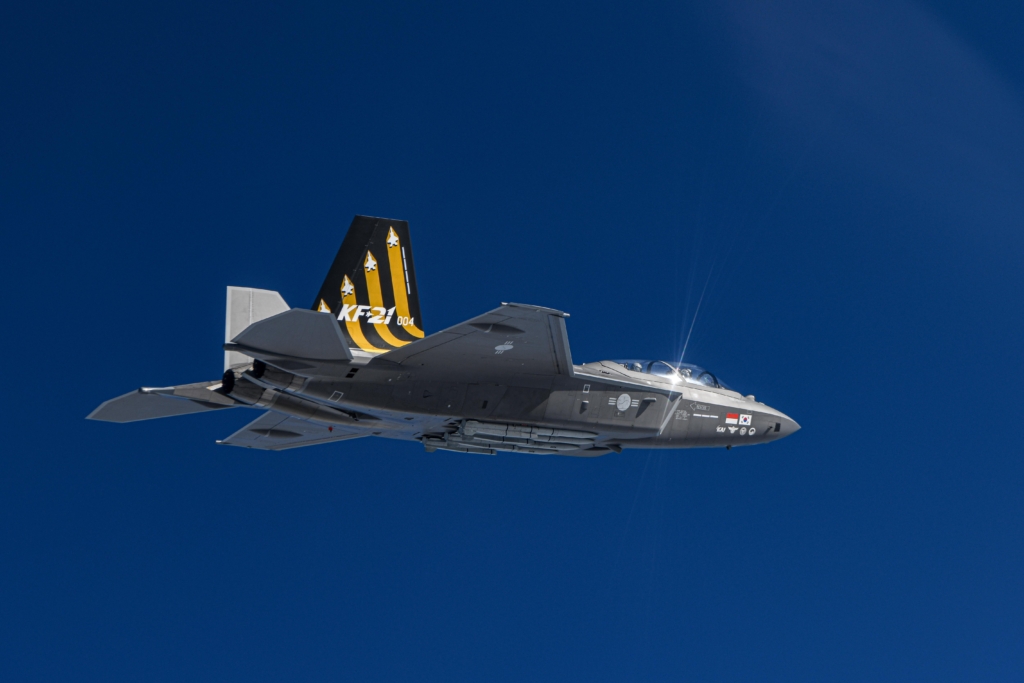
The backbone of its tactical fighter jet fleet is made up of 59 F-15E Strike Eagles, 167 F-16 Fighting Falcons, and 40 F-35A stealth fighters. Korea has a program of record for 60 F-35As.
The force also has a fleet of KA-50 advanced trainers/light fighters and an ageing fleet of F-5 Tiger II light fighters.
Featured Image: Boeing