Air India to fly Boeing 787 with blocked seats and no sliding door in business class

3 min read
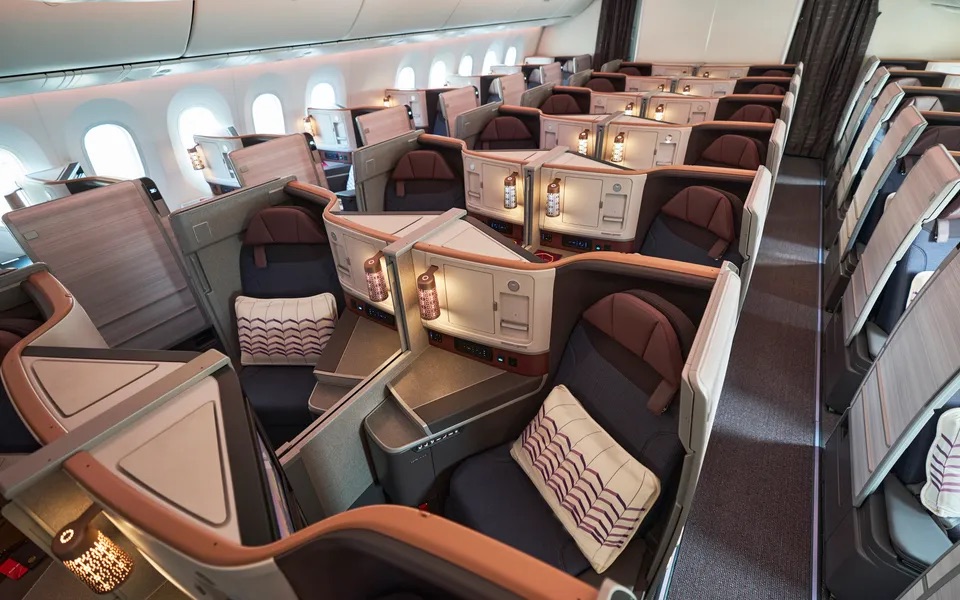
Air India is set to place its first fully customised Boeing 787-9 into commercial service next month, marking a milestone in the airline’s post-privatisation fleet renewal. However, some cabin features and seats will be unavailable pending regulatory clearance from US authorities.
The aircraft, which joins the Tata Group-owned carrier as its first bespoke widebody since the airline’s takeover in early 2022, will begin operating on the Mumbai–Frankfurt route from 1 February.
But Air India has confirmed that some elements of the cabin will remain restricted until certification processes are completed by the US Federal Aviation Administration (FAA).
It is the same issue as with Lufthansa’s Allegris, with the German flag carrier also affected by the certification delay.
Why some Air India business class seats will not have all their features
One of the limitations affects the business class cabin, where sliding privacy doors installed on the new suite product will be inoperative for the time being.
While the seats themselves are fully usable, the doors will be fixed in an open position until regulatory approval is received.
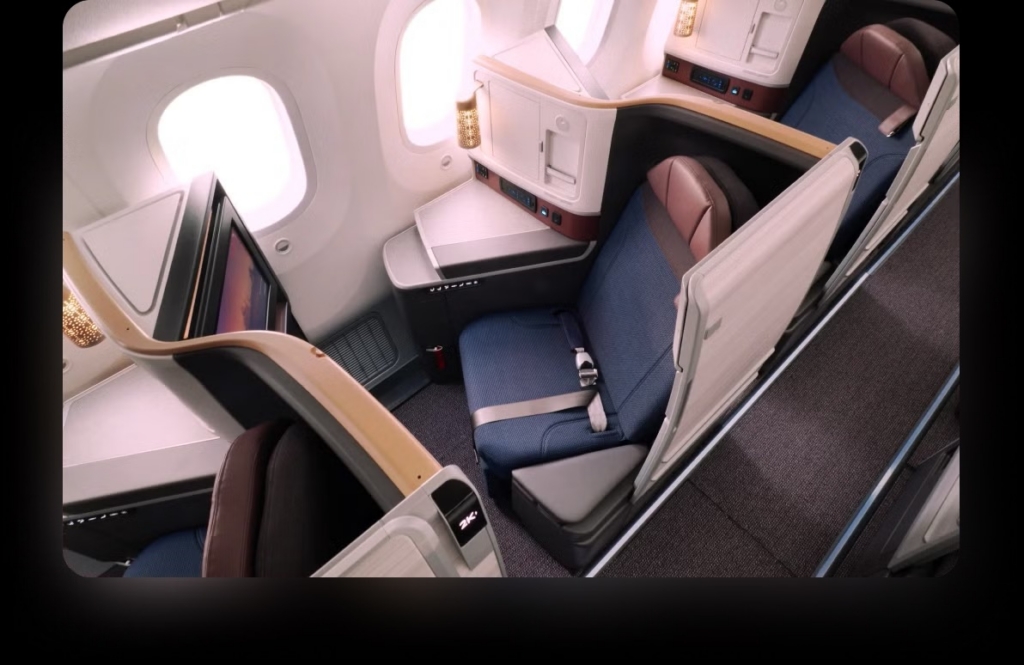
Air India says it expects the issue to be resolved in the near term and has stressed that the restriction does not affect the core functionality of the seats.
All other features within the business class product remain available to passengers.
Air India’s Boeing 787 will have 18 blocked economy seats
In addition to the business class restriction, 18 economy class seats on the Boeing 787 have been removed from sale and physically blocked from use. The airline says this is due to a regulatory interpretation issue rather than a problem with the seat model itself.
The seats concerned are part of the RECARO 3710 family, a product already certified and in service with multiple airlines worldwide.
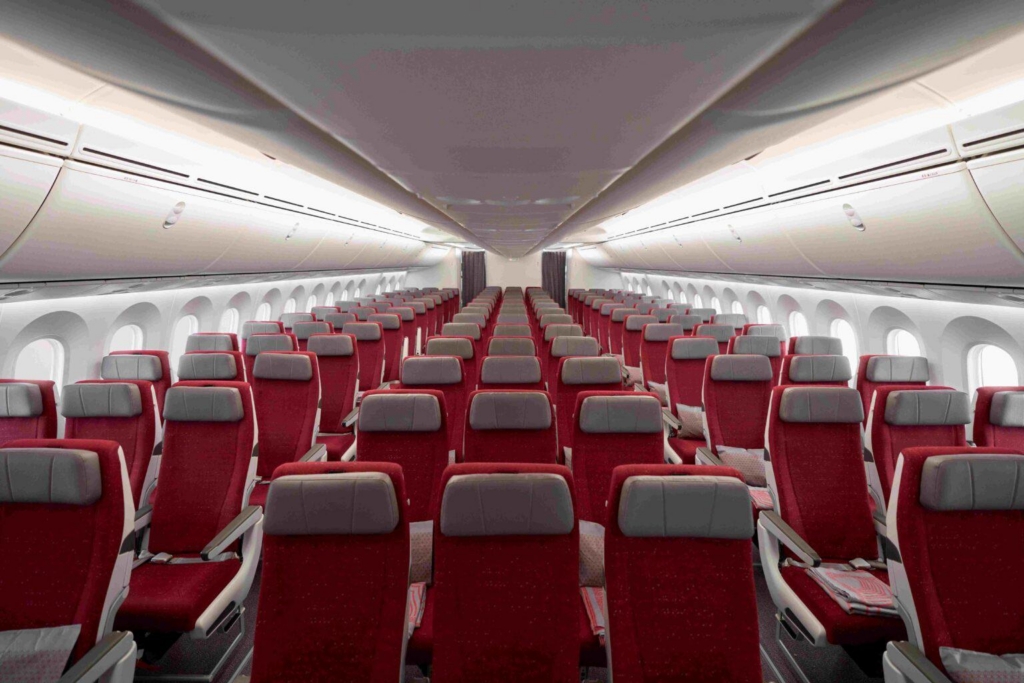
Air India is working with both the seat manufacturer and regulators to address the specific configuration affected on this aircraft.
Until the process is complete, those seats will remain unavailable, reducing the aircraft’s usable seat capacity.
What’s inside Air India’s Boeing 787 Dreamliner?
The new Boeing 787-9 features a three-class configuration with a total of 296 seats. This includes 30 business class suites, 28 premium economy seats and 238 economy class seats.
With the temporary removal of 18 economy seats, the effective seating capacity will be slightly lower during the initial operating period.
Air India has said that the limitations apply only to this specific aircraft type and interior configuration, and not to other Dreamliners in its fleet.
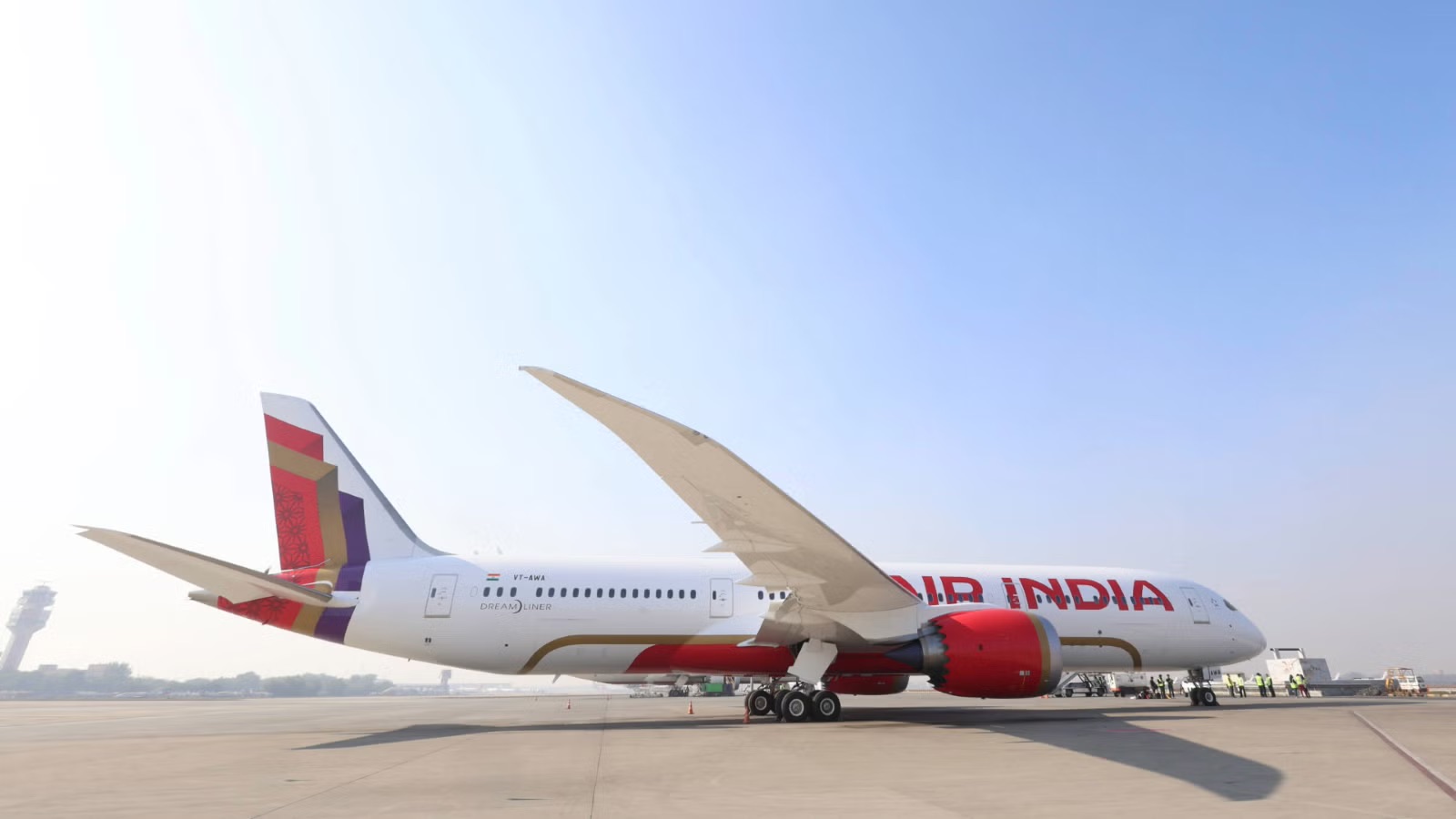
The carrier is currently undertaking a progressive retrofit of its legacy Boeing 787 aircraft, which entered service prior to the Tata takeover.
According to Air India, those aircraft have completed their certification processes and are unaffected by the restrictions applied to the new 787-9.
While both variants belong to the Dreamliner family, each interior configuration requires separate validation by regulators, particularly where new seat designs or cabin features are introduced.
Certification bottlenecks are beginning to trouble airlines
Air India is not alone in facing certification-related delays for next-generation business class products.
Lufthansa is also awaiting regulatory approvals for certain cabin features on its own Boeing 787-9 aircraft.
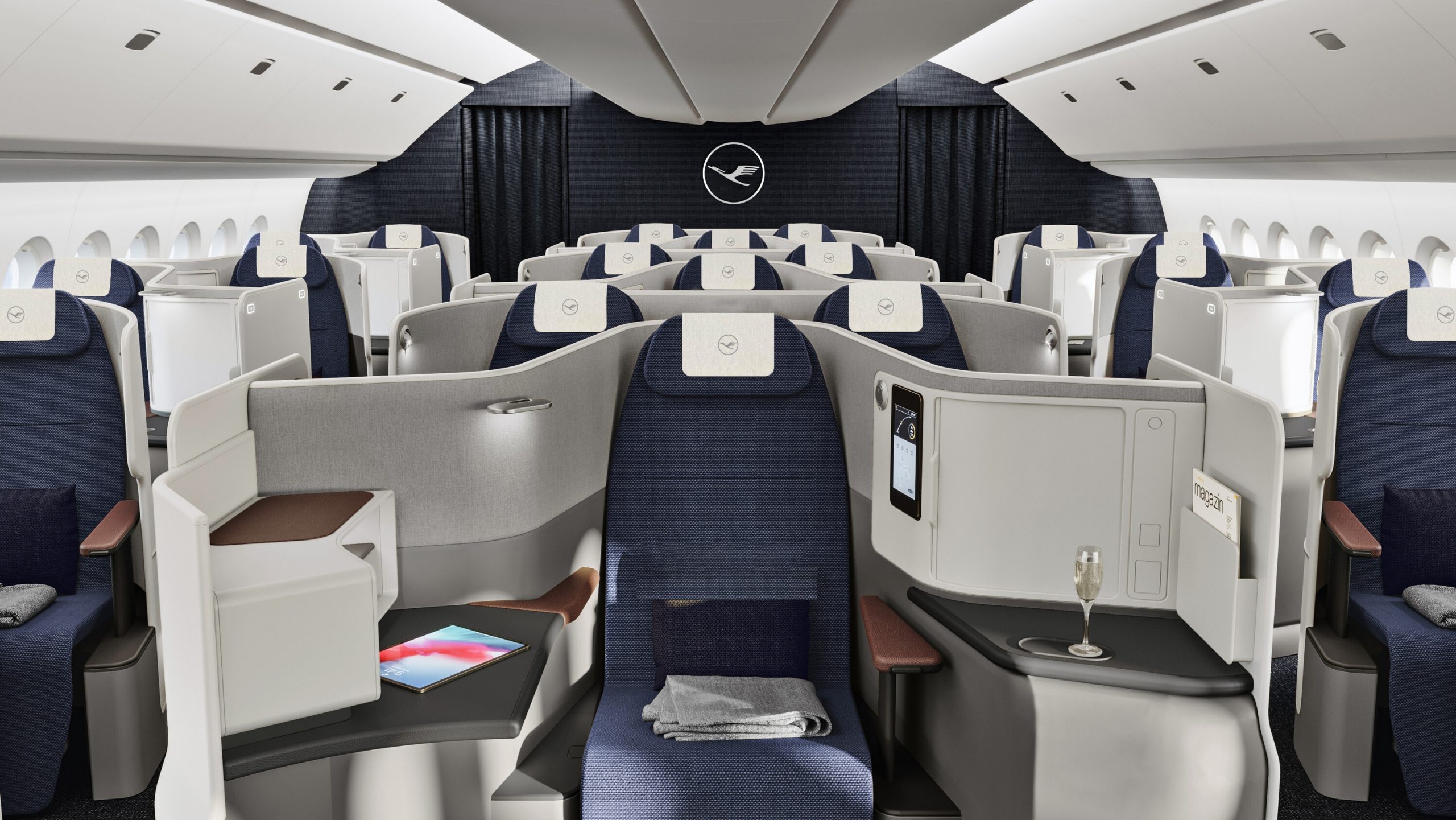
The increasingly complex nature of premium seat designs – particularly those incorporating doors, high walls or enclosed suites – has led to longer certification timelines as regulators assess the safety implications.
Air India is investing in fleet growht
Despite the initial constraints, the aircraft is a step forward for Air India’s transformation programme, which includes a major fleet expansion and product overhaul.
The airline currently operates 33 Boeing 787s, comprising 26 787-8s and seven 787-9s, including aircraft inherited through the integration of Vistara.
Further deliveries are scheduled in 2026, with three additional Boeing 787-9s and two Airbus A350-1000s expected to join the fleet.
The FAA has declined to comment on the status of the certification work, consistent with its policy on ongoing approvals, while Boeing has not issued a public statement on the matter.
Featured image: Air India