


The world’s biggest tanker fleets in 2026, and why the numbers mislead

6 min read
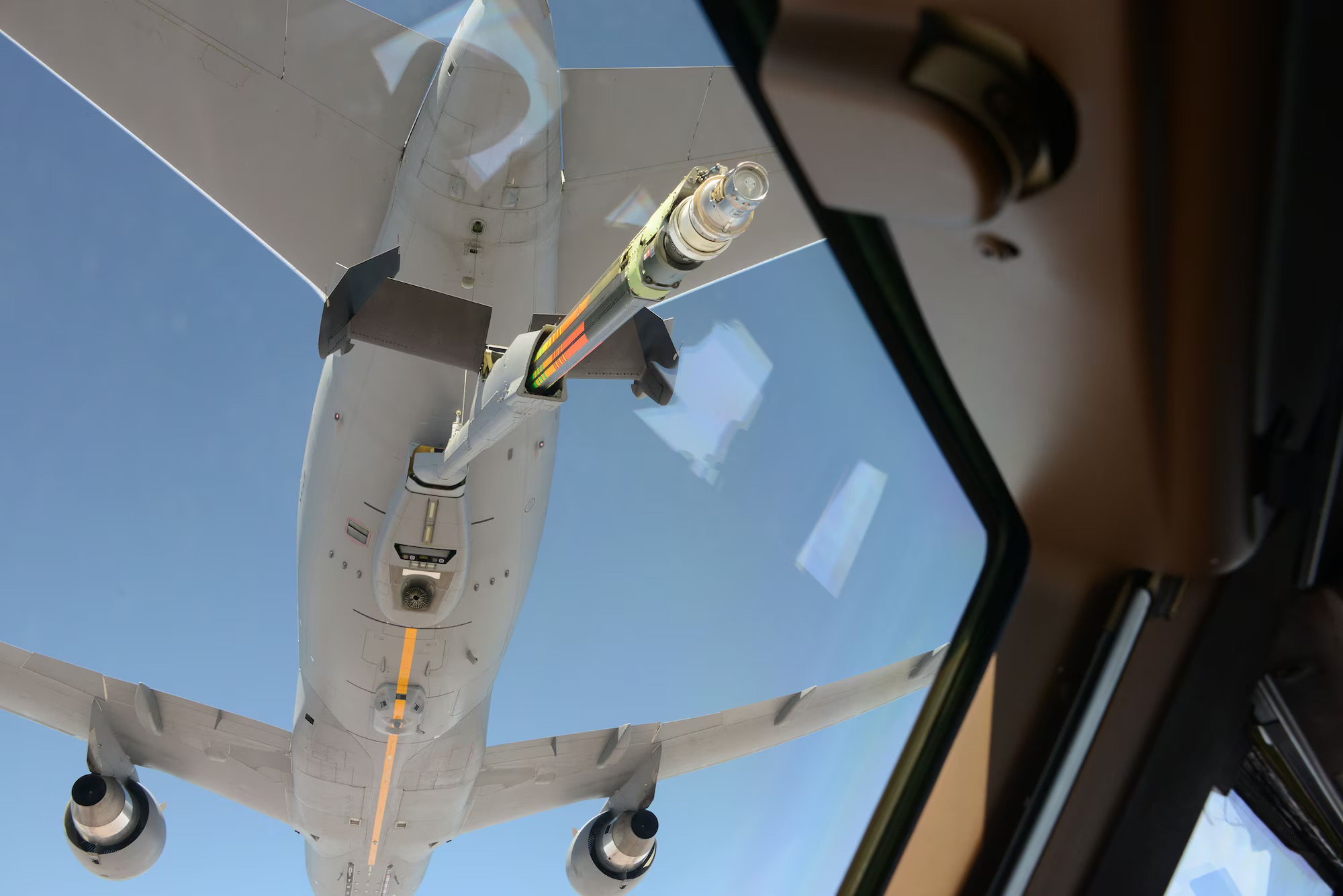
Aerial refuelling tankers are an indispensable enabler of modern air power. Without them, even advanced fighter fleets are severely constrained by range and time on station, with typical combat radii often below 500 nautical miles.
When it comes to tanker fleets, however, raw numbers can be misleading. Counting tankers is far more complicated than it appears, and even when all the caveats are applied, nothing comes close to matching the scale, capability, and operational dominance of the United States.
Why counting military tanker fleets is harder than it looks
Most comparisons of global air forces focus on fighters or bombers. While those platforms matter, they are of limited value without the ability to sustain them at range. Tankers, not fighters, ultimately determine whether an air force can project power beyond its borders.
That makes tanker fleet size a more meaningful metric, but also a far more complex one. Factors that complicate any simple count include:
- Contractor-operated refuelling aircraft
- Multi-role aircraft with secondary tanker capability
- “Buddy” refuelling by combat aircraft
- Different refuelling systems and compatibility
- Varying doctrines around how tankers are actually used
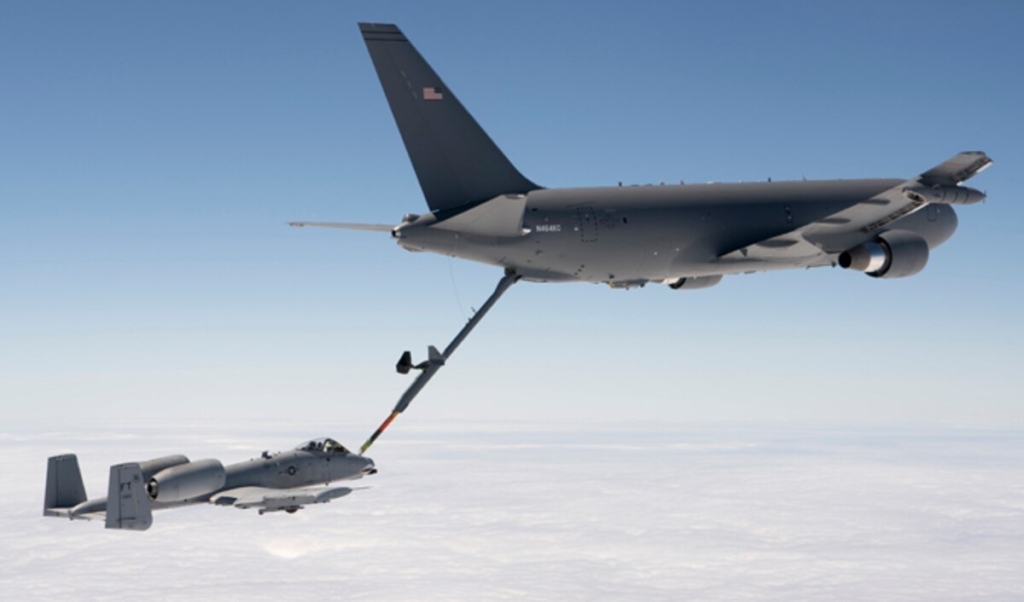
FlightGlobal’s World Air Forces 2026 review provides a useful starting point, ranking air forces by tanker fleet size. These figures should not be taken at face value, but they offer a baseline comparison.
According to the review, the world’s tanker fleets are distributed as follows:
- United States: 610
- Saudi Arabia: 22
- Russia: 18
- France: 15
- Israel: 13
- Singapore: 11
- Japan: 10
- China: 9
- United Kingdom: 9
- Italy: 8
The rest of the world collectively operates around 85 tankers.
On paper, the United States accounts for roughly 75% of the world’s military tanker fleet. Even before applying caveats, the scale of US dominance is clear.
How contractors and multi-role aircraft distort tanker fleet numbers
Some countries operate more tankers than these figures suggest because refuelling capability is partly contracted out.
The UK is a good example. While listed as having nine tankers, the Royal Air Force actually has access to 14 A330 MRTT aircraft through the AirTanker consortium. These aircraft also perform troop transport, cargo, medical evacuation, and VIP duties, including serving as the RAF’s de facto Air Force One.
Once contractor-operated tankers are included, the US advantage grows further. Companies such as Omega Aerial Refuelling Services and Metrea operate significant tanker fleets that support US military training and operations.
The US fleet also grows once contractors like Omega Aerial Refueling Services and Metrea are accounted for.
What actually counts as a tanker aircraft?
Another major complication is defining what qualifies as a tanker.
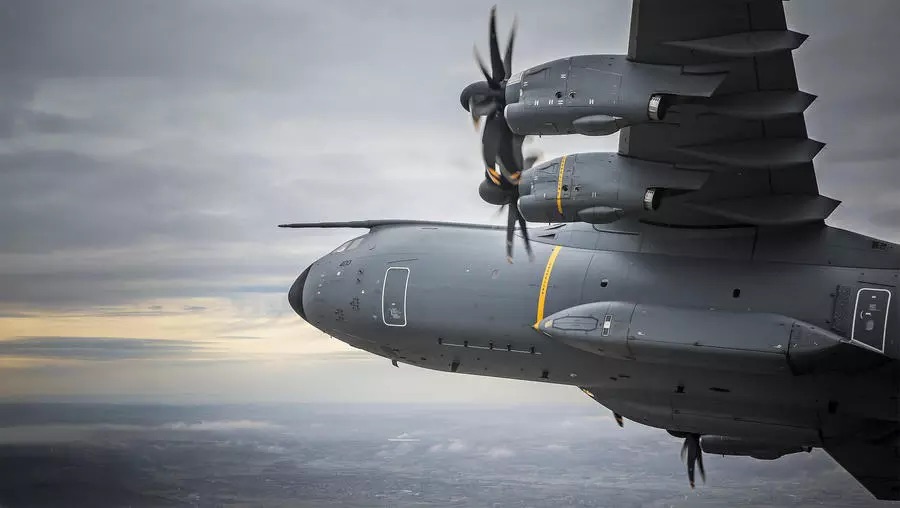
The Airbus A330 MRTT is primarily a tanker that also performs secondary transport roles. By contrast, the Airbus A400M Atlas is primarily a strategic and tactical airlifter that also offers a secondary tanker capability.

In UK service, adding the RAF’s 22 A400M aircraft to its MRTT fleet would increase Britain’s notional tanker count from nine to 36. However, this would obscure the reality that the A400M’s refuelling role is supplementary, not its primary mission.
The picture becomes even murkier with “buddy” refuelling. In US Navy service, F/A-18 Super Hornets can refuel other Super Hornets using external pods, adding flexibility but not replacing dedicated tankers.
Probe-and-drogue vs flying boom: Why refuelling systems matter
Not all tankers are created equal. The refuelling system they use matters enormously.
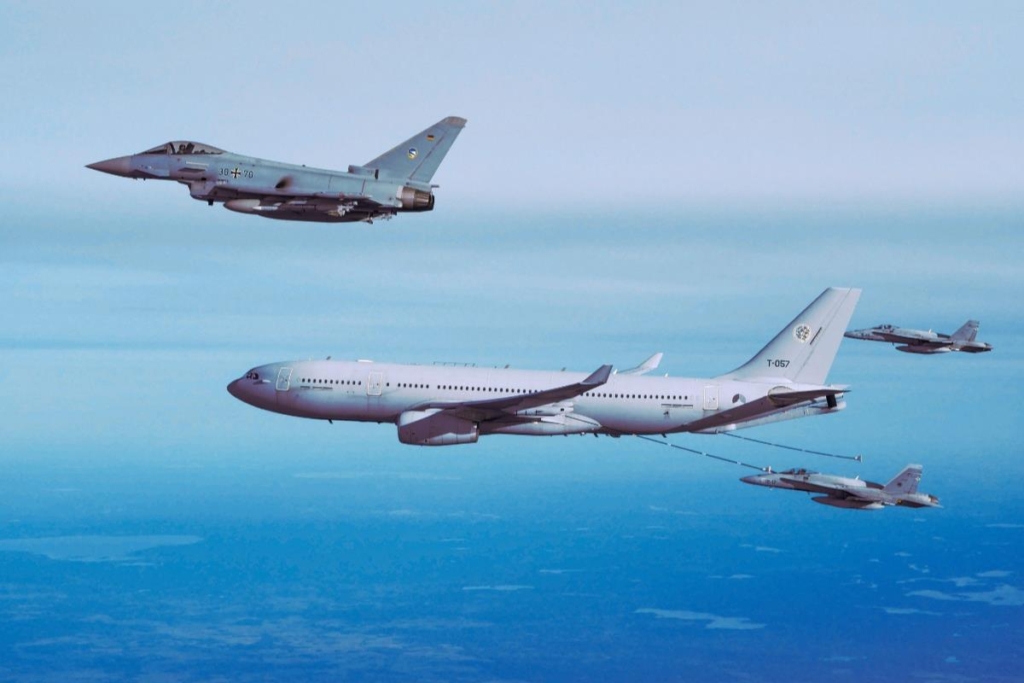
Probe-and-drogue systems deploy a flexible hose with a basket, while flying boom systems use a rigid, telescoping boom operated by a boom operator. Flying boom refuelling is technically more demanding but allows far higher fuel transfer rates.
Flying boom usage is largely restricted to the United States and a small number of close partners such as Japan and South Korea. Most Russian, European, and naval aircraft use probe-and-drogue systems.
As a rule:
- Most USAF fighters, bombers, and transports are boom-only
- Most European, Russian, and naval aircraft are probe-and-drogue
- Helicopters require probe-and-drogue
Many A330 MRTT operators can support both systems, but compatibility still limits how effectively tanker fleets can be used.
Get the latest aerospace defence news here on AGN.
Russia as a case study in tanker limitations
In Russian service, the Il-78 is a niche enabler, not the backbone it is in the US Air Force. They mostly extend the range of Russia’s limited fleet of Tu-95MS and Tu-160 strategic bombers for patrols. The number of Il-78s Russia has is uncertain, but estimates are typically 15-19.

They can and do refuel fighter jets, but this is not typical during combat; it’s mostly limited to long transits and long-duration deterrence patrols. In other words, unlike US, British, Israeli, and French fighter jets, Russian fighter jets essentially lack aerial refuelling in practice.
The Il-78 is also used by China and India in small numbers, and they are moving away from them. China is moving on with its own domestic tanker, and India is looking to purchase retrofitted Boeing 767-based tankers.
The world’s main ariel refuelling tankers
The primary tankers are the KC-135 Stratotanker, KC-46A Pegasus, Airbus A330 MRTT, KC-130Js, and legacy Ilyushin Il-78s. The last US Air Force KC-10 Extenders were retired in 2024, leaving only two in service with a US defence contractor using ex-Dutch KDC-10s.
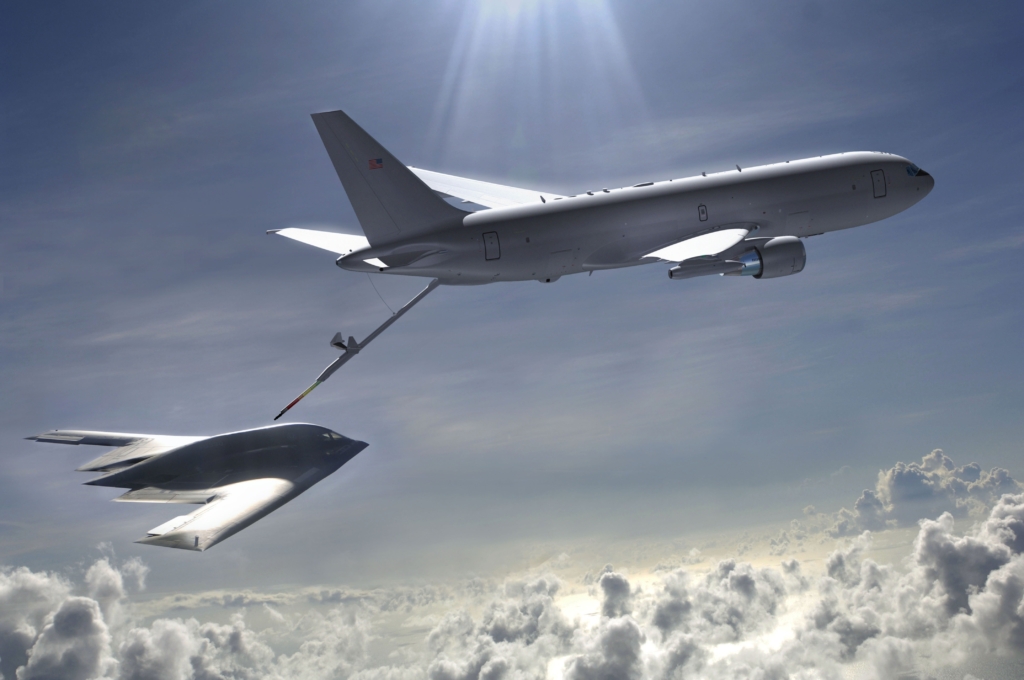
Tankers are designed for different roles. The KC-135 is an old tanker first developed in the 1950s, based on the Boeing 707. The higher drag, smaller wing area, and other factors mean it tends to guzzle its own fuel.
Global Tanker Fleets By Type (approx):
- KC-135 Stratotanker: United States (396), Japan (15), Israel (7)
- KC-46A Pegasus: United States (100), Japan (5)
- Airbus A330 MRTT: United Kingdom (14), France (13), the Netherlands (9), Australia (6), Singapore (6)
- Ilushin Il-78: Russia (approx. 15), China (3)
- KC-130 family: United States (78), Saudi Arabia (9), Israel (7), Singapore (5), Italy (4), France (2), Japan (2)
The KC-135 is regarded as a smaller tanker that is inefficient at refuelling aircraft at longer ranges, as it will burn through more of the fuel onboard itself. It is typically used almostly for missions closer to its base, leaving strategic refuelling and combat zone refuelling to the KC-46.

The more modern KC-46A (based on the Boeing 767) and Airbus A330 MRTT are better optimised for longer-haul missions. For example, the RAF uses its MRTTs to ferry aircraft down the Atlantic to the Falkland Islands.
These aircraft are also built with many more self-defence systems, increased awareness, and sensors that allow them to be more survivable than legacy KC-135s. This allows them to operate closer to the front line in somewhat contested environments.
The KC-130 is a modified tanker version of the Lockheed Martin C-130/C-130J Hercules/Super Hercules family of tactical turboprop airlifters.
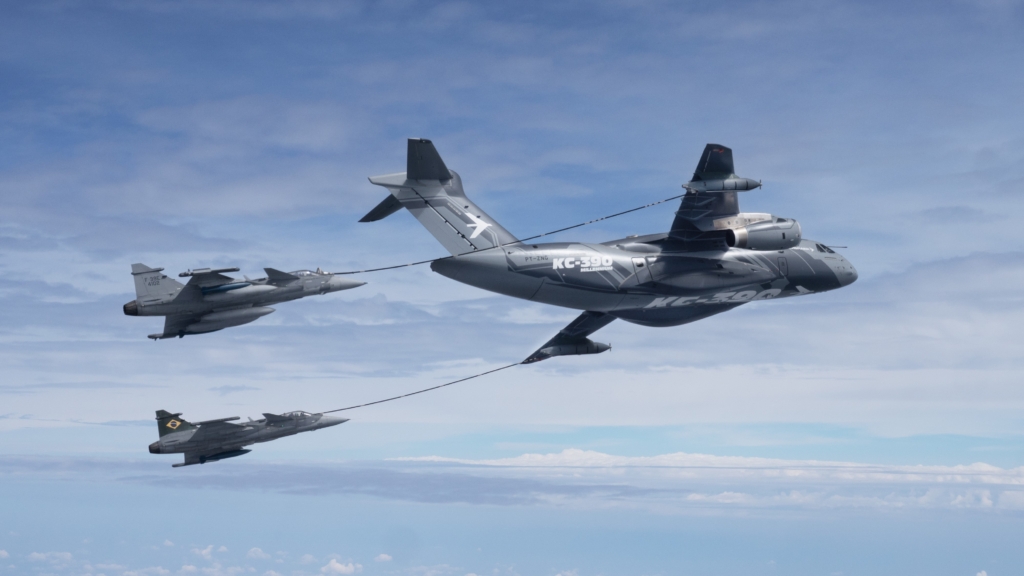
In the US service, the KC-130 is almost exclusively operated by the US Marine Corps. The new Embraer C-390 Millennium can also be used as a tanker. Incidentally, this makes the Marine Corps the second-largest tanker fleet operator after the US Air Force.
So, who has the most tankers in its air force?
Even after accounting for contractors, multi-role aircraft, secondary refuelling capabilities, and differing doctrines, the conclusion remains unchanged.
The United States does not simply operate the world’s largest tanker fleet. It operates the only tanker force designed to sustain large-scale, long-range air operations indefinitely.
For every other air force, tanker availability remains a constraint. For the US, it remains a decisive force multiplier.
Featured Image: United States Air Force
Sign up for our newsletter and get our latest content in your inbox.


More from



September 17, 20265 min read

September 17, 20263 min read


September 18, 20263 min read

