These are the world’s 5 most stressful airports—and travellers feel it

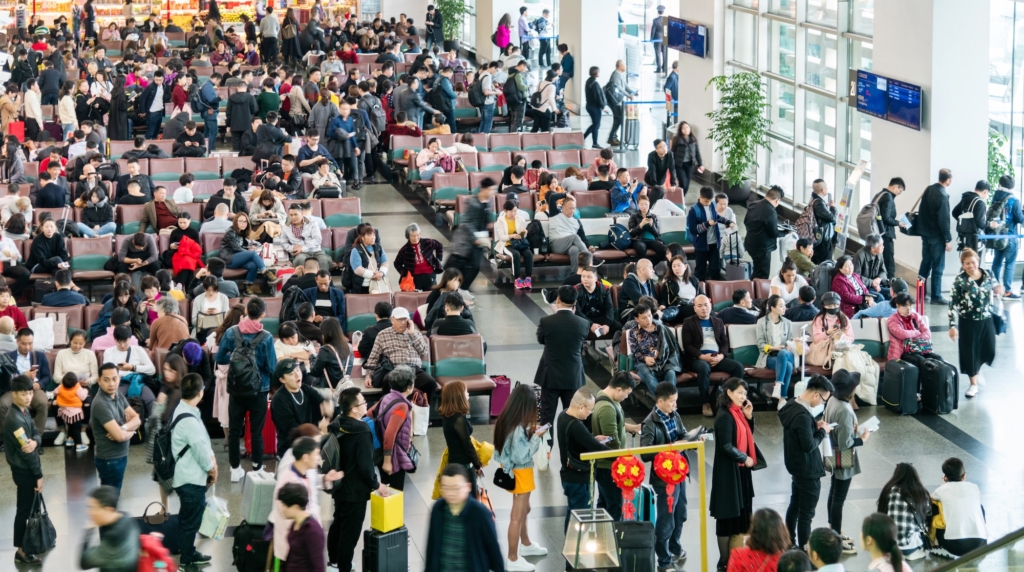
A new global ranking from Australian travel insurer iSelect has identified the world’s most stressful airports, revealing which truly strain passengers’ nerves. Using a mix of real-world flight performance data and passenger feedback, the iSelect study suggests that airport stress isn’t random—it’s structural. Passengers’ nerves are frayed by crowded terminals, long queues, and flight delays that erode connection times.
How iSelect ranked the world’s most stressful airports
The iSelect index analysed 50 major international airports worldwide, scoring each on a scale from 0 to 100. As an airport’s final score is based on the overall passenger satisfaction with multiple potential stress-inducing points along the journey, lower airport scores mean higher passenger stress.
Airports were assessed across seven pressure points that travellers feel most acutely, and weighted according to how likely these factors are to make travellers anxious:
- Departure delays – 25%
- Cancelled flights % – 25%
- Getting to the airport – 10%
- Check-in experience – 10%
- Security – 10%
- Immigration and customs – 10%
- Baggage claim – 10%
The result is a ranking that reflects how passengers may feel at these airports when issues arise.
For its baseline data, iSelect relied on a combination of historical flight data from Aviation Edge and passenger reviews posted on Flightradar24.
The world’s 5 most stressful airports
While the world’s most stressful airports are busy, they are not among the busiest airports in the world by passenger capacity, as measured by OAG. This suggests passenger stress is driven more by airport and national aviation infrastructure than by the number of passengers that fly through a particular hub.
Interestingly, three of the five airports in the iSelect ranking of the world’s most stressful airports are US airports. The United States faces challenges in its aviation infrastructure, particularly the strained national airspace management system.
Again, in the iSelect ranking, a lower score indicates passengers will experience higher stress.
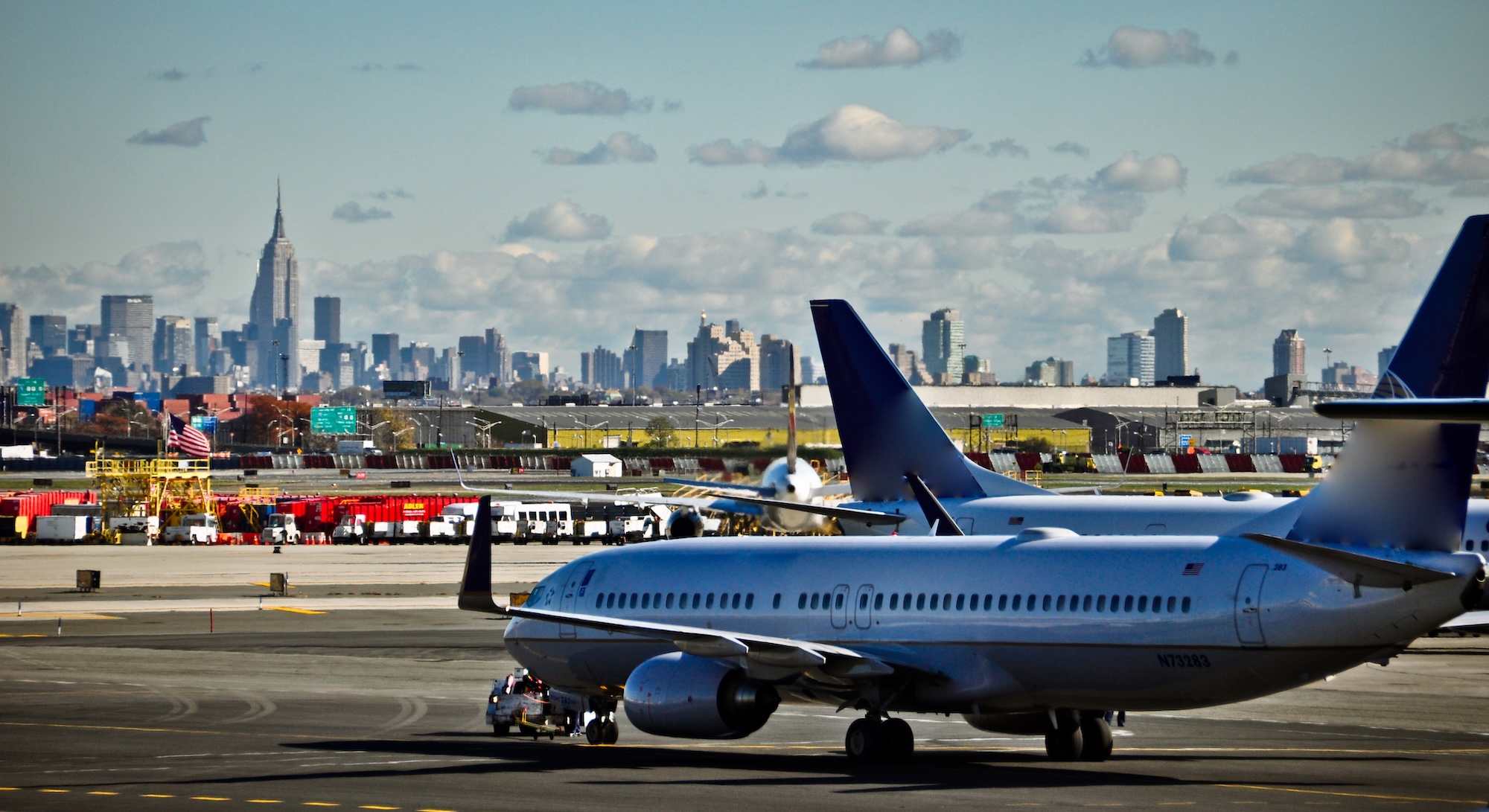
1. Newark Liberty International Airport
Low-stress score: 18.46 / 100
The world’s most stressful airport sits just outside New York City — and travellers say almost every part of the journey feels harder than it should.

Long security queues, frustrating immigration waits and a poor check-in experience combine with average departure delays of more than 21 minutes. Add frequent congestion and a relatively high cancellation rate, and Newark emerges as the airport passengers most dread navigating.
2. Humberto Delgado Airport
Low-stress score: 22.51 / 100
Lisbon’s main airport ranks second — driven largely by the longest average departure delays in the study at more than 27 minutes.
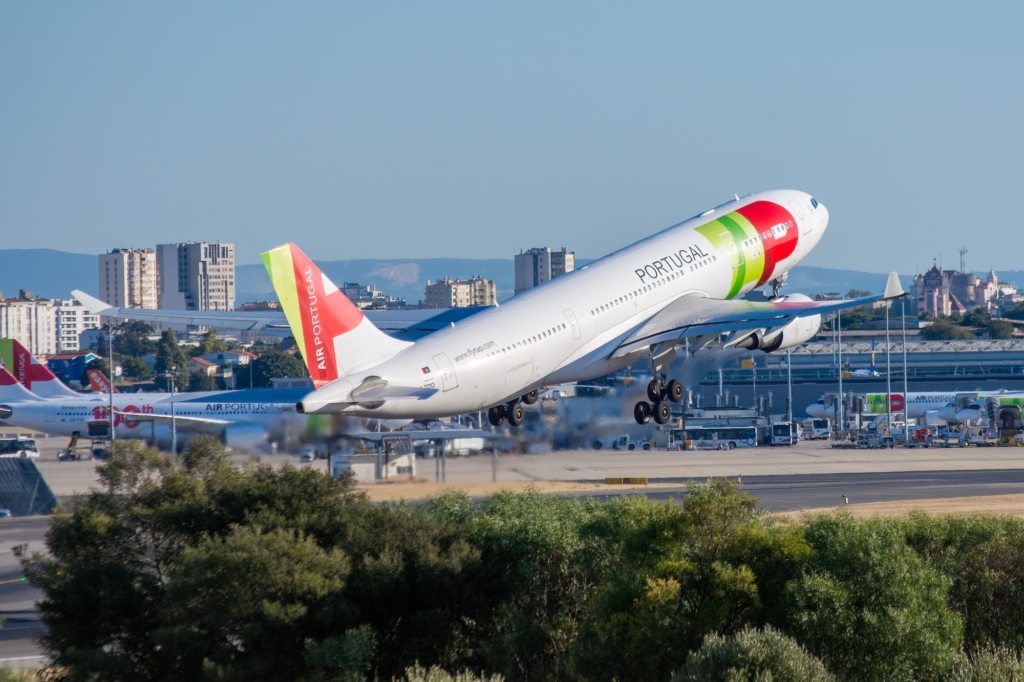
Despite the airport’s adequate city access, rapid passenger growth and seasonal crowding are straining the infrastructure, leaving passengers feeling they are travelling through an undersized airport for Portugal’s capital.
3. Manchester Airport
Low-stress score: 23.10 / 100
Manchester is the most stressful airport in the UK, with baggage claim satisfaction rated the lowest among the 50 airports studied.
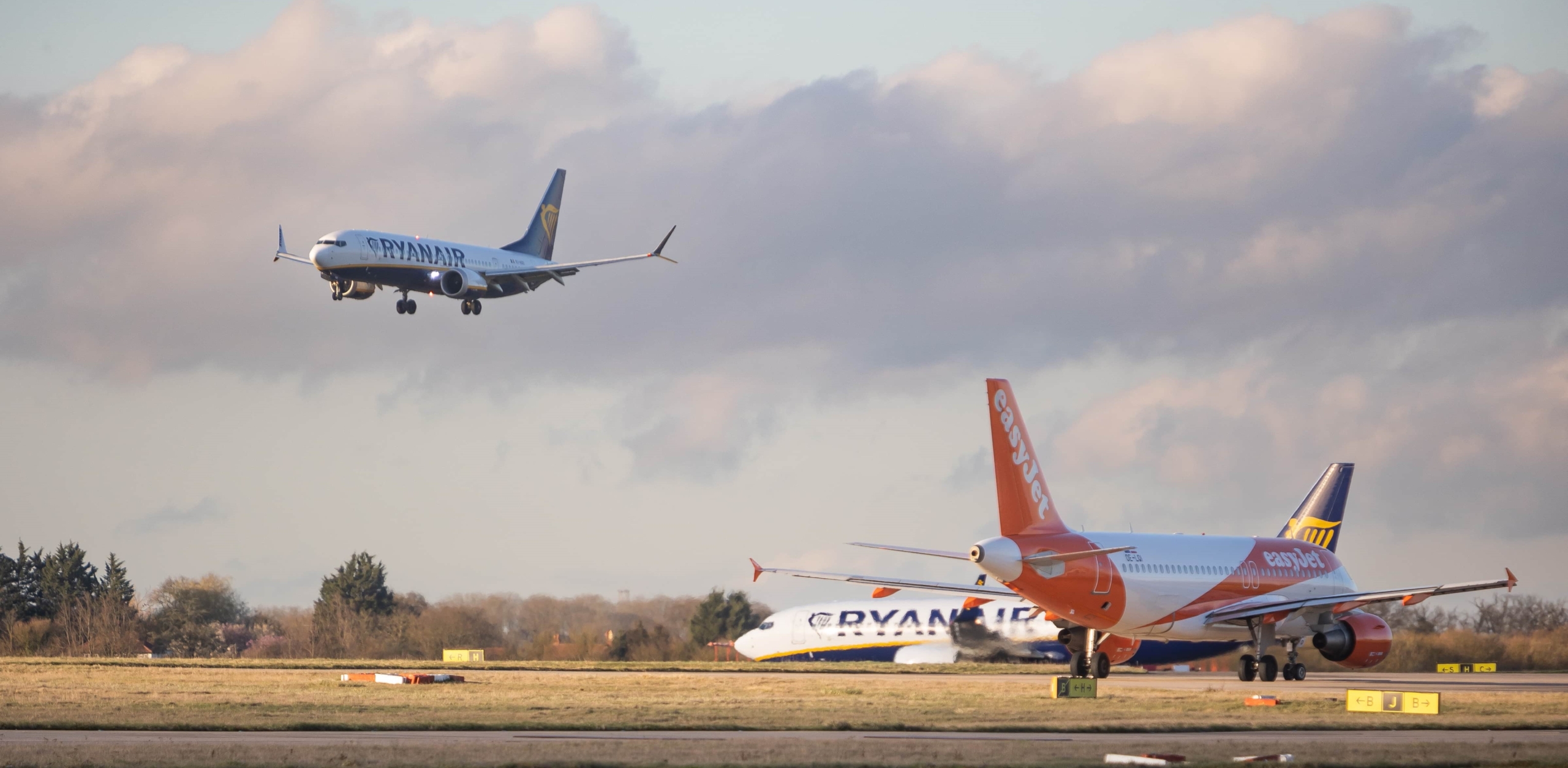
Security queues and check-in bottlenecks compound the issue, particularly during peak travel periods, leaving passengers with the impression that the airport struggles to recover when operations fall behind schedule.
4. John F. Kennedy International Airport
Low-stress score: 26.83 / 100
Another New York-area airport makes the top five. JFK scores poorly for customs and immigration wait times, a familiar pain point for international arrivals.
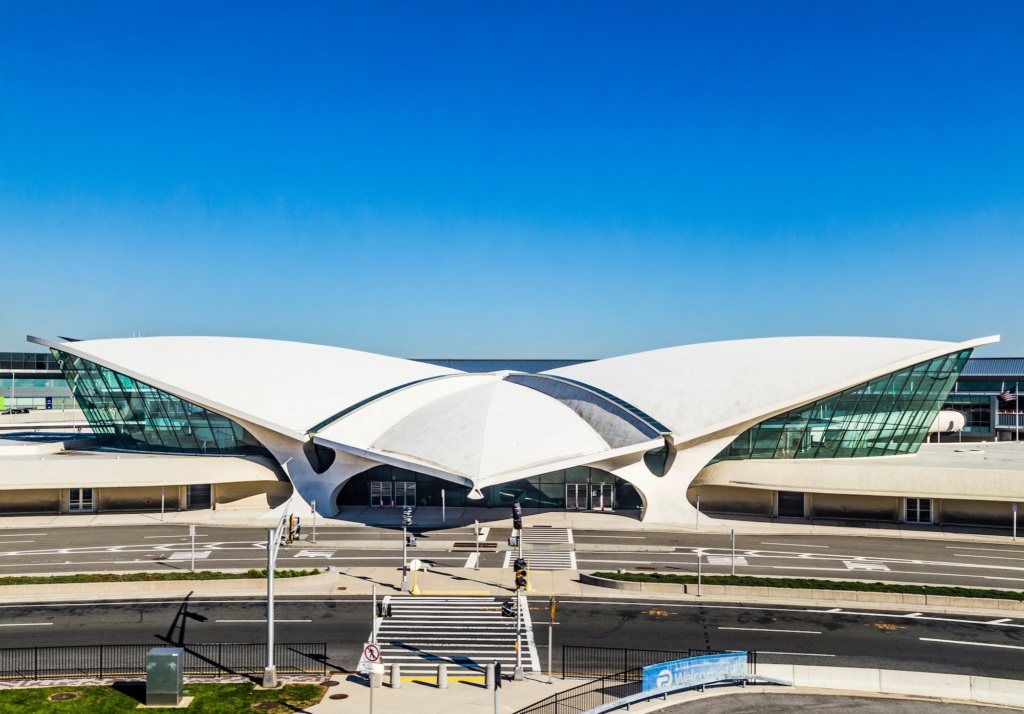
While flight cancellations are lower than some rivals, travellers report that navigating the airport — especially during disruptions — remains a challenge.
5. Chicago O’Hare International Airport
Low-stress score: 31.01 / 100
One of the world’s busiest hubs rounds out the list. O’Hare performs slightly better on check-in, but passengers flag ongoing issues with immigration queues and baggage delays — problems that quickly escalate during weather disruptions.
Why these airports feel so stressful
Across the rankings, certain common issues arise, inducing passenger stress:
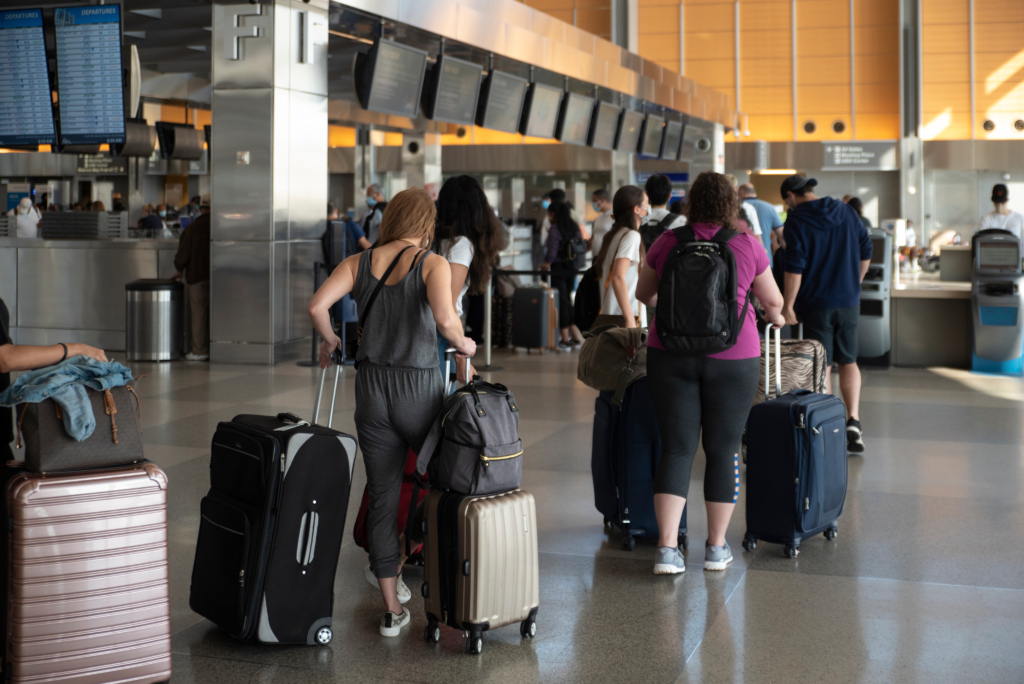
- High traffic volumes overwhelm the existing infrastructure
- Delays cascade across tightly packed airline schedules
- Bottlenecks occur at security and borders, where staffing and layout matter most
- Airports have a limited recovery margin when disruptions occur
In short, the airports that move the most people are not necessarily the most stressful. Rather, passengers are most upset at airports with the least forgiving infrastructure when something goes wrong.
The world’s 3 least stressful airports prove that infrastructure matters for passenger satisfaction
At the opposite end of the index, iSelect highlighted three airports which demonstrate that scale doesn’t have to mean stress.
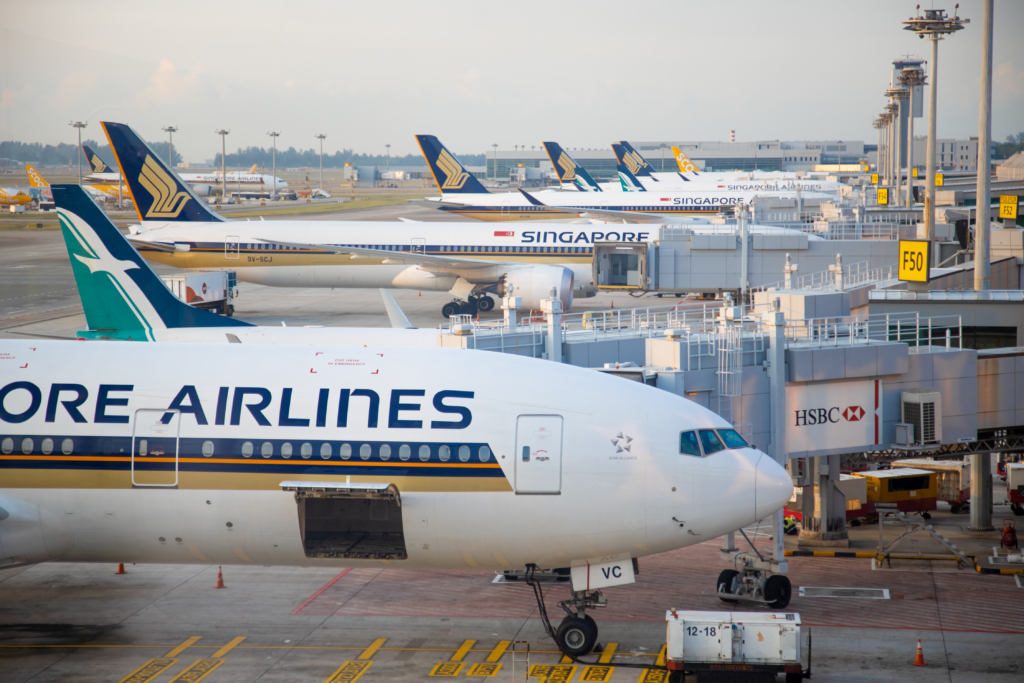
Singapore Changi Airport tops the iSelect rankings, scoring highly across every passenger touchpoint. Singapore scored 82.07 out of 100. It received the highest scores for immigration and customs (92%), security screening (92%), check-in wait times (93%), and ease of getting to the airport (94%). Changhi also had the second-lowest flight cancellation rate, averaging 0.19% over the past year.
Hamad International Airport excels in baggage handling. The airport ranked best for baggage claims (93%) and scored highly for airport transport links (94%), earning an overall low-stress score of 75.89 out of 100.
Incheon International Airport stands out for its low cancellation rate and efficient passenger processing, with a low-stress score of 72.61 out of 100. Seoul’s main hub had an average of only 0.15% of flights cancelled in the last year. The airport also ranked second or third across most of iSelect’s other stress factors. Incheon proves that high passenger volume does not necessarily correlate with passenger stress levels. It ranks 10th among OAG’s busiest global airports by seats, with 3,920,715 seats scheduled this month and ranked in the same spot this time last year.
These three airports benefit from purpose-built layouts, investment in automation, and operational slack, allowing them to absorb disruption without placing undue stress on passengers.
What the stressful airport rankings mean for travellers in 2026
For passengers, the list indicates which airports will require advance planning and considerable patience.
- Add extra buffer time when travelling through known high-stress airports
- Expect queues and delays during peak seasons
- Where possible, choose alternate hubs, even if it means a longer connection
As global air travel continues to grow, airport stress is an unfortunate part of the passenger experience. Unless aviation infrastructure keeps pace with air travel demand, some of the world’s key gateways may only become more difficult to navigate.
Featured Image: maciek | stock.adobe.com