United to offer pre-order economy meal options on longer flights to reduce food wastage

6 min read
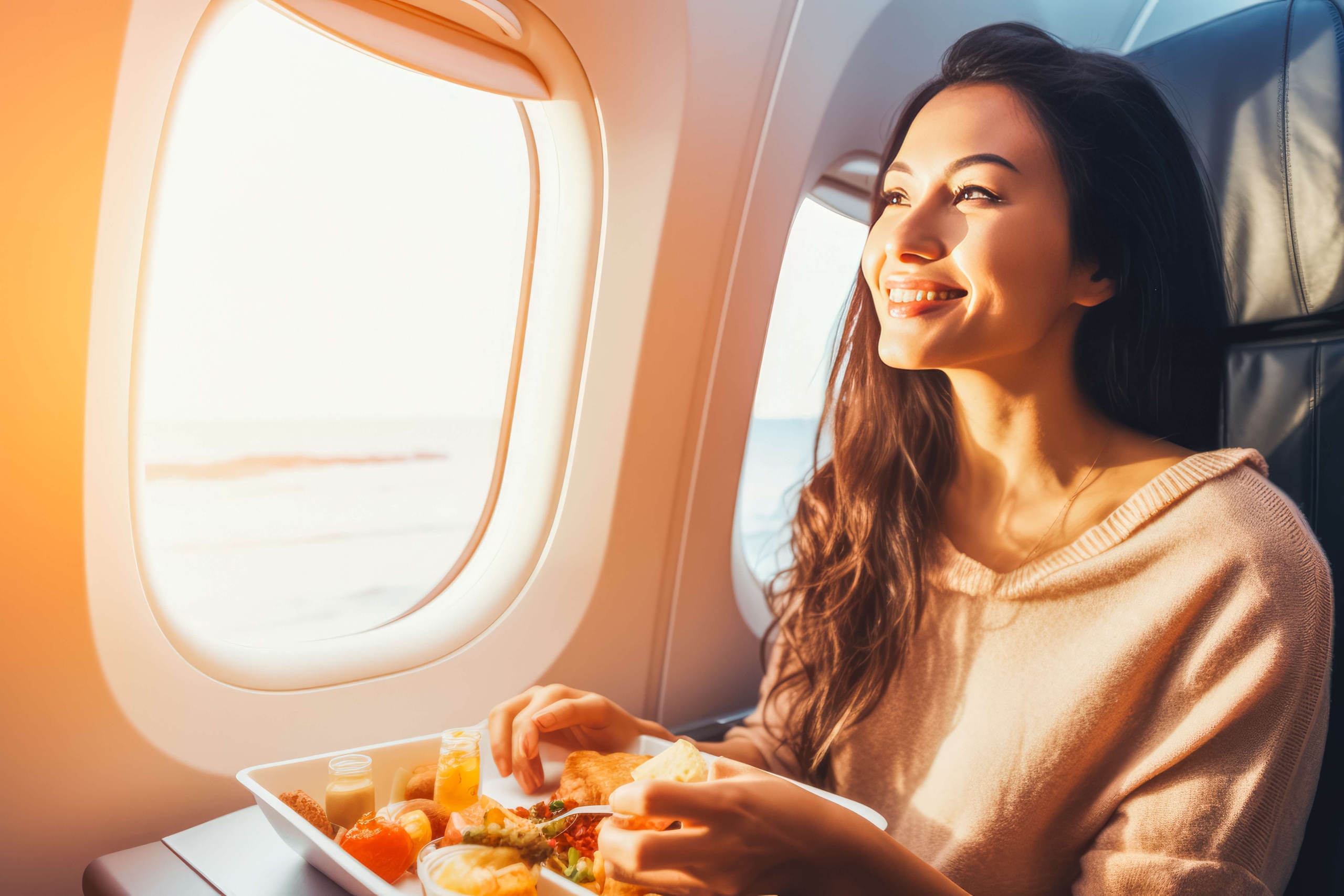
Carrying food on passenger flights is a logistical headache that airlines could probably do without. But as a key part of their passenger experience, many airlines offer a meal or snack so that passengers can stave off hunger pangs as they while away the hours.
However, with huge amounts of food being left uneaten and wasted each year, airlines are becoming more inventive in reducing food waste while still managing passenger expectations.
Now, United Airlines will be introducing a new food ordering system via its website and app, where economy passengers can pre-order the fresh meals they would like to be served on their flight, rather than being served a meal that they neither want nor selected themselves.
United introduces an economy class meal pre-ordering system
On 14 January, United announced that its customers can now order fresh economy class meals before their flight through the airline’s website and mobile app.
According to the airline, this change will allow customers more choice and ensure they get the meals they want. The move will also help the airline’s catering operation run more efficiently, plan better, and support the company’s efforts to reduce food waste.
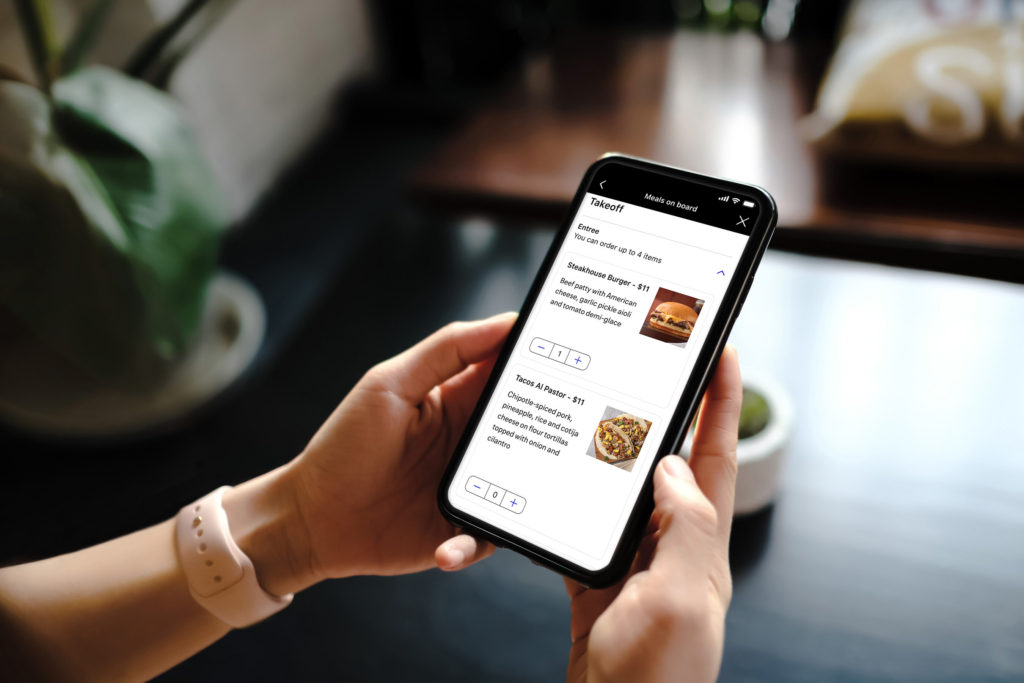
Meal items such as burgers and sandwiches will now be available for purchase ahead of all United flights with a sector length of 1,190 miles (1,900 km) or more across North America and the Caribbean.
All pre-orders will be available to select from five days to 24 hours before departure and will be available to anyone holding a United economy class reservation.
The airline said that from 1 March, pre-orders will be the only way to purchase fresh entrees for customers travelling in the economy cabin. However, economy passengers will still be offered the airline’s economy snack boxes, packaged snacks and beverages available to purchase onboard every flight.
Pre-order airline meals improve choice while reducing waste
According to a United statement, “In addition to ensuring customers get the meals they want and improving catering efficiency, enabling customers to pre-order meals is expected to help United’s food-waste reduction efforts by helping minimise unconsumed fresh retail items.
This approach is anticipated to keep more than 100,000 pounds of unused food out of landfills each year.”

United added that it expects to add additional fresh meal choices to the preorder menu during summer 2025 that will also include salads, gourmet sandwiches and wraps, with an expanded pre-order exclusive premium beverage options also planned for later this year.
Customers will be able to pre-order both fresh ‘Bistro on Board’ food items as well as retail items in advance of their flight when they browse the ‘Trips’ section of the United app. Additionally, users of the app will receive a notification when pre-ordering opens for their particular flight.
Passengers react well to being offered a choice
United introduced pre-ordering in the United app for first class passengers in 2021. The carrier said it saw customer satisfaction scores for domestic flights increase by almost 40% as a result.
“We’re continuing to invest in meaningful improvements to our onboard food and beverage program, with a focus on quality, consistency and customer choice,” said Aaron McMillan, Managing Director of Hospitality Programs at United.

“Preordering is a win for everyone. Customers board the plane knowing they’ll get the meal they want, our catering partners know exactly how much food to prepare for each flight, and it helps our operation run even more smoothly and reduce food waste.”
Cabin food waste – a headache (and a cost) for airlines
An in-flight meal might look little more than a small tray with a few packaged food items, but for airlines, it’s a full-on operation. Additionally, in-flight catering is just one piece of the marketing puzzle that can lure customers to a particular airline, and equally importantly, keep them loyal.
Yet, even offering a food service onboard, whether it be buy-on-board or complimentary, airlines have to manage loading just the right amount of food and drink to keep passengers happy.
That said, too much food will lead to a waste of money with aircraft carrying extra weight on board that can result in extra fuel burn.
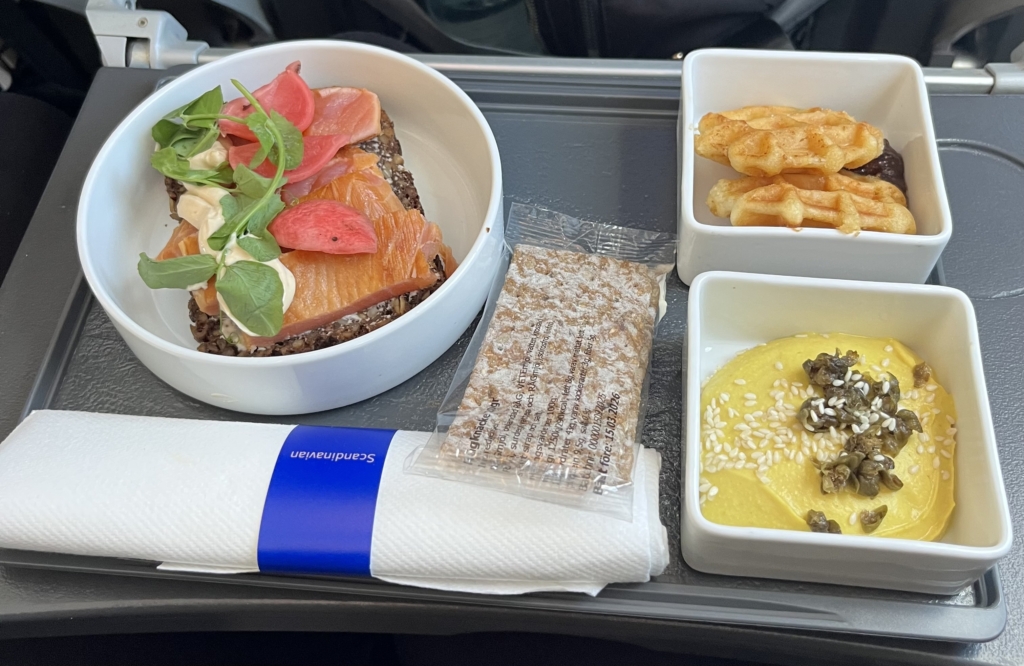
Managing food waste has become a big challenge for airlines. And with food allergies, dietary requirements and personal preferences all evolving all the time, airlines are constantly playing ‘catch-up’ to meet passenger expectations while also reducing food waste.
Afterall, wasted food represents wasted revenue and also incurs additional costs through its processing and disposal.
Dealing with leftover meals is not as simple as just disposing of leftovers in the bin. There are strict rules based on safety, cost and sustainability that guide what can be reused and what has to be thrown out.
According to a recent audit by the International Air Transport Association (IATA), the aviation sector produces about 3.6 million tonnes of cabin and catering waste each year.
Airlines have therefore become more creative in cutting down the leftovers, with United just the latest carrier to introduce measures to cut waste.
For instance, Lufthansa offers passengers the option to purchase fresh meals at a reduced price on the day’s final flights (called “Onboard Delights Last Minute”).

KLM is also using artificial intelligence to estimate the precise number of meals required for each flight. Several other airlines, including Lufthansa and Etihad, are also doing likewise, using technology that simply wasn’t available just a handful of years ago.
Additionally, Qatar Airways is tackling food waste with the help of a biodigester that can process over a ton of organic matter into grey water each day, which can then be safely discharged.
United’s pre-order meals will offer more choice and cut waste – a ‘win-win’
With the introduction of its new pre-ordering catering service, United will be seeking to boost its sustainability credentials, but also, simultaneously, meet customer expectations by supplying exactly the food they want to consume on their next flight in economy class.
While United passengers travelling at the front of the aircraft have been able to pre-book meals for almost five years, with the vast numbers of passengers flying in the carrier’s economy cabins each year, the airline has identified an innovative way to save costs and cut waste at the same time.
The new system will also make sure that its economy class passengers (at least across the US, Canada, Mexico and the Caribbean for the time being) will receive an inflight mean of their choice, rather than that of the airline.
Featured image: stock.adobe.com