


CES 2026 showcases the rise in ultralight, no-licence eVTOLs for personal flight

4 min read
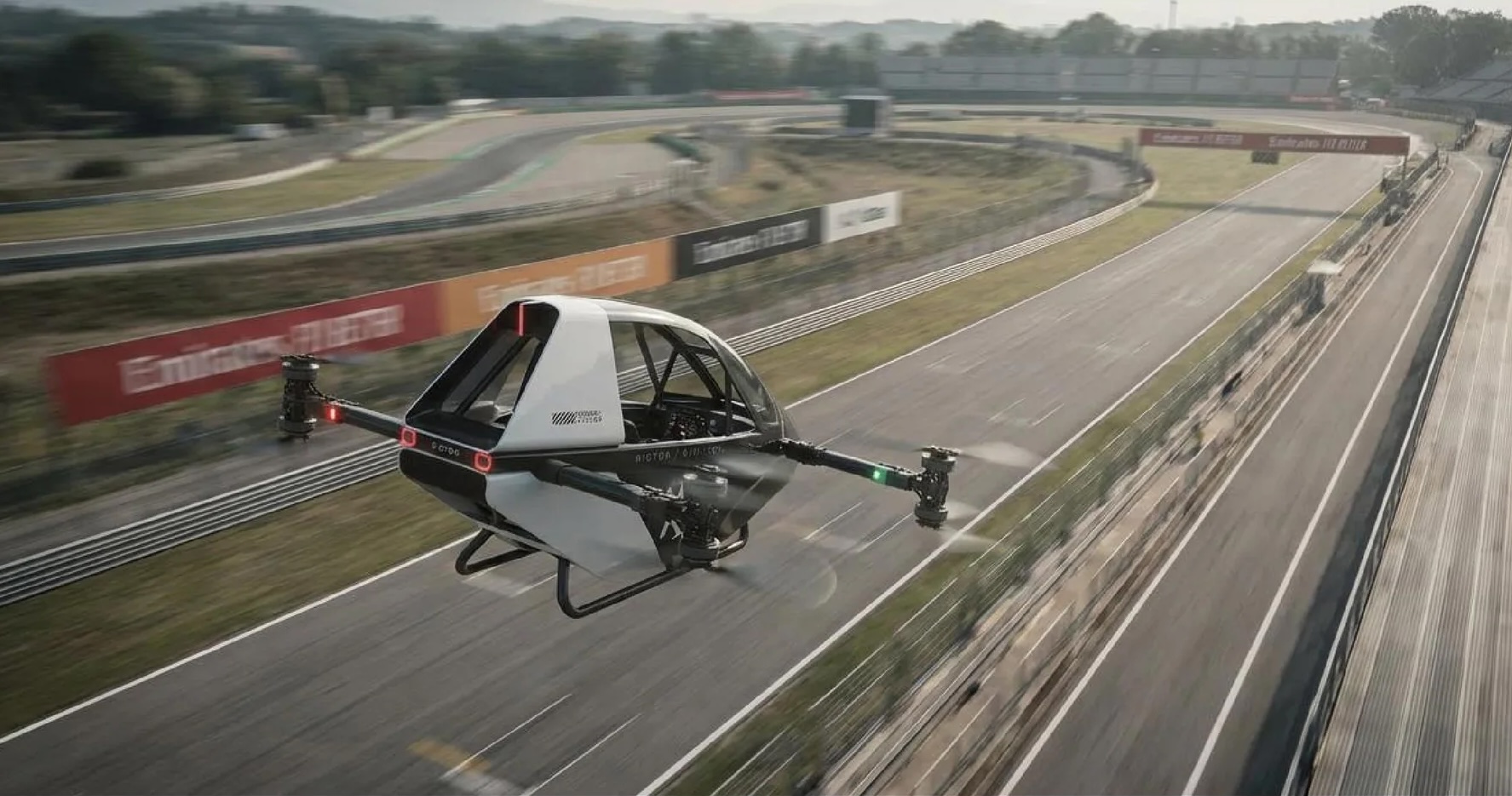
CES 2026 has pivoted from visions of flying cars and city commutes via air taxis to more personal flying gadgets, which may appeal to the intrepid.
This year’s technology showcase features ultralight, single-seat (or no-seat) eVTOLs that are more consumer tech than aviation. These vehicles are small, somewhat limited in performance, and straight out of sci-fi (or the Wacky Races).
Joining the Coolfly flying scooter, two other personal eVTOLs took centre stage this week: the RICTOR X4 Air Mobility Pod and the LEO JetBike. Each promises to make personal flight simpler and more accessible by avoiding the regulatory and technical hurdles that have long slowed the flying-car dream.
Whether that makes them personal aircraft or just very expensive toys is still an open question.
RICTOR X4: a folding eVTOL targeting the private aircraft space
RICTOR arrived at CES with its X4 Air Mobility Pod, which is pitched as an ultralight eVTOL that “transforms complex flight operations into an intuitive, accessible, and controllable flying experience,” while remaining small enough to fold up and store at home. The company says the aircraft can be packed down to around 1.2 cubic metres, so there’s no need for would-be pilots to invest in hangar space. There’s no need to be a pilot either. The ultralight aircraft falls under FAA Part 103 ultralight rules, meaning no pilot’s licence would be required in the US.
“Our goal is not to compete with giants in the complex manned aviation track, but to pioneer a completely new, accessible market for ‘light aerial mobility,’” Globalair quotes the CEO of Kuickwheel Technology, which incubated RICTOR, as saying during the CES launch event. “The X4 rivals the private aircraft of high-end enthusiasts, but we’ve made it radically more affordable and simplified its usage.”
Comparisons with general aviation aircraft may be a bit optimistic. The X4’s ultralight status comes with tight limits on weight, range and operational capability — and no requirement for the kind of certification expected of conventional aircraft. The company says the X4 has a maximum payload of 100 kg (220 lb) and can reach speeds up to 80 kph (49.7 mph), flying for 20 minutes without requiring a recharge.
At roughly $40,000, the X4 is relatively affordable by aviation standards. It appears designed more for drone enthusiasts who have thought, “Boy, I wish I could ride that thing.”
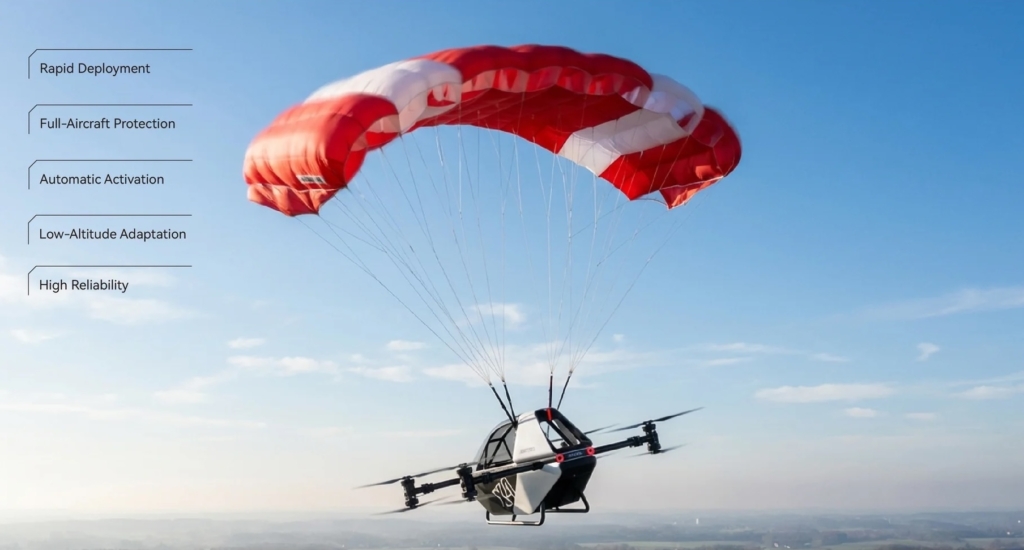
It is easy to fly with an automatic route planning system and one-touch landing controls. For safety, the company offers a real-time flight status and monitoring alert system as well as a parachute which can be deployed instantly in what RICTOR describes as “unexpected situations.”
RICTOR’s flying microcar
The X4 isn’t RICTOR’s only foray into the ultralight personal aircraft category. The company has also developed a hybrid microcar-drone called the SKYRIDER X1 Flying Motor. It has four axes, eight propellers, two main wheels and two smaller folding wheels for stability on the ground.
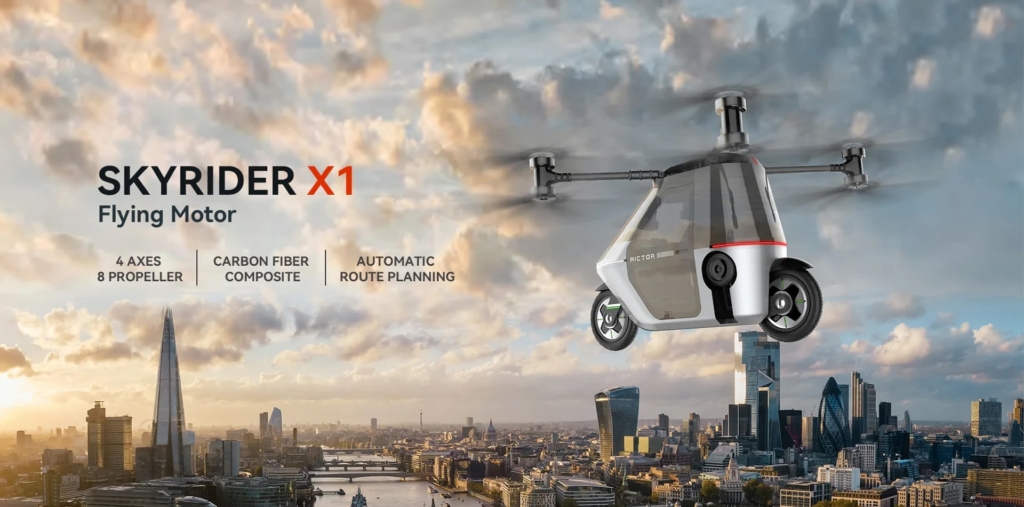
The tiny flying car comes with an automatic take-off and landing, and route management system and can be operated with a joystick.
The LEO JetBike: propeller-free, and ready for short hops
If the X4 and X1 could pass for compact aircraft, the JetBike from LEO Flight looks like a sci-fi stunt vehicle.
The straddled, motorcycle-style eVTOL replaces exposed rotors with ducted electric thrust, which LEO says improves safety and makes the craft more approachable for non-pilots. Like the X4, it’s designed to fly under Part 103 ultralight rules.
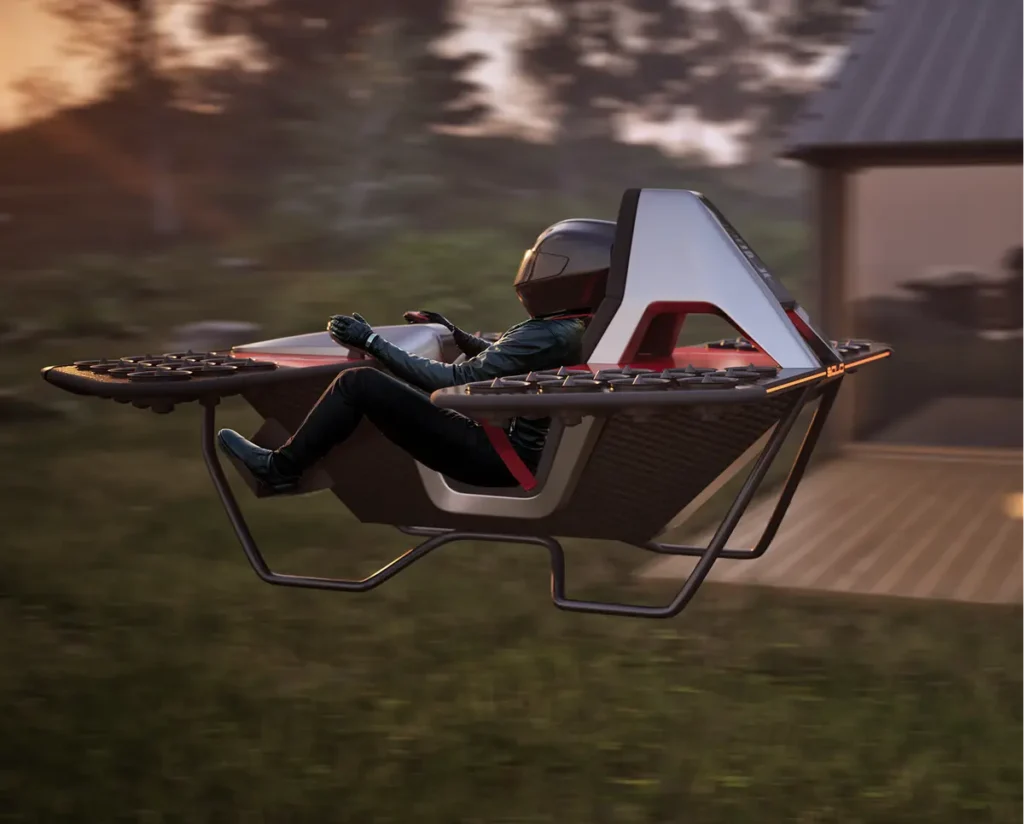
LEO claims a top speed of around 60 mph and 10–15 minutes of flight time, with software reportedly limiting altitude to roughly 15 feet. The JetBike is a controlled hover vehicle that seems more suited to extreme sports (however brief) than transport.
With a price tag close to $100,000, the JetBike is firmly positioned as a luxury recreational gadget—thrilling and eye-catching, but it won’t get you far.
Flying future, or pie in the sky?
CES 2026 makes one thing clear: the notion of personal flight is advancing, though the field is populated by small, highly constrained flying machines that better fit in the consumer electronics category than aircraft.
For enthusiasts, that may be enough. For regulators, cities and mainstream travellers, these vehicles still sit well outside the practical transport conversation.
Still, these ultralight eVTOLs do provide glimpses of what might be possible in personal flight, even if they’re not quite ready to change how we get around.
Featured Image: RICTOR
Sign up for our newsletter and get our latest content in your inbox.


More from


September 21, 20263 min read


September 18, 20263 min read
