


Boeing seeks FAA exemption to keep 777 freighter production alive amid global cargo aircraft shortage

4 min read
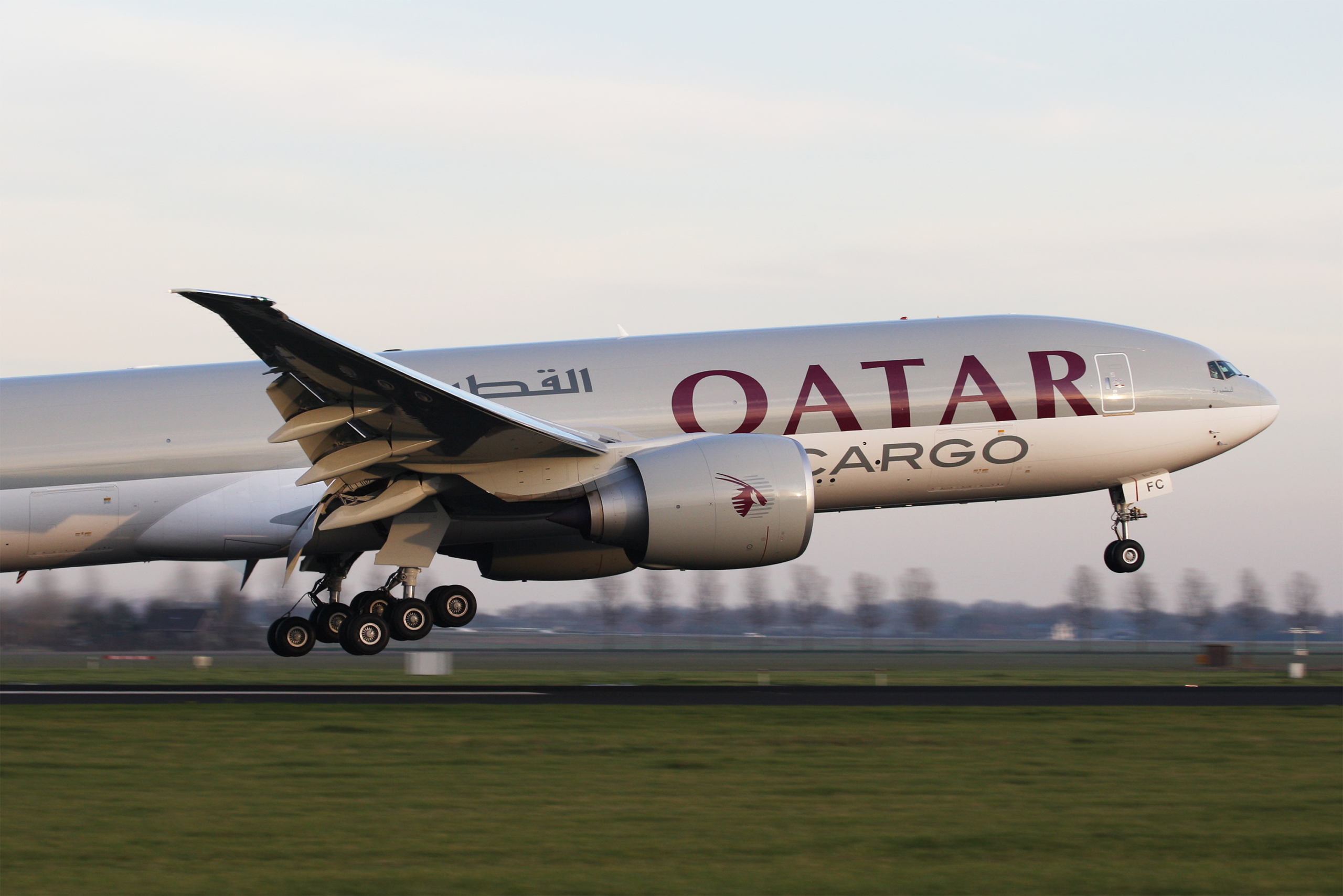
Boeing has asked the US Federal Aviation Administration to temporarily exempt its 777 freighter from new aircraft emissions rules, warning that a shortage of large cargo jets could disrupt global trade flows and raise costs for exporters and consumers alike.
In a formal petition filed with the regulator, the US aerospace manufacturer is seeking permission to build up to 35 additional Boeing 777F aircraft beyond 2027, even though the model’s engines do not meet the tough international carbon standards due to come into force at the end of the decade.
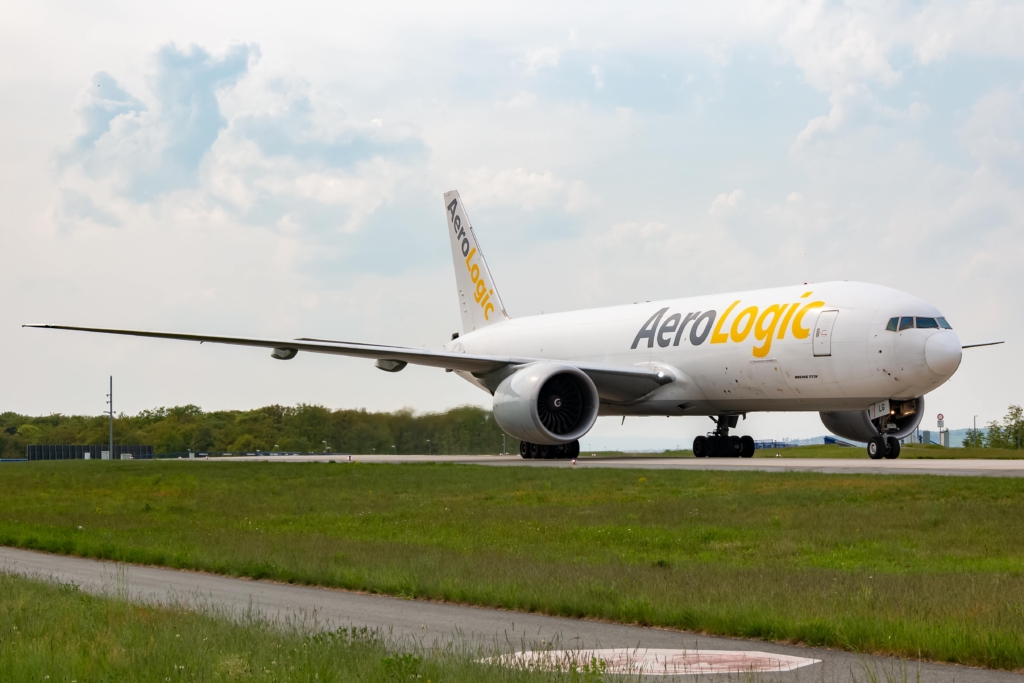
Boeing wants a decision by 1 May, arguing that regulatory relief is needed to bridge a widening gap before its next-generation 777-8 Freighter enters service.
The request places the FAA in the middle of a delicate balancing act, enforcing climate rules aligned with global standards while avoiding a capacity crunch in the air cargo sector at a time of rising demand.
Why FAA emissions rules threaten Boeing’s 777 freighter production
At the heart of Boeing’s case is a regulatory nuance that often gets lost outside aviation circles.
The FAA finalised new aircraft emissions rules in early 2024, aligning US certification standards with those set by the International Civil Aviation Organization (ICAO). Crucially, the rules apply only to aircraft that receive their first airworthiness certificate from 2028 onward, not to aircraft already in service.
That distinction explains why Boeing’s request has nothing to do with grounding existing 777Fs.
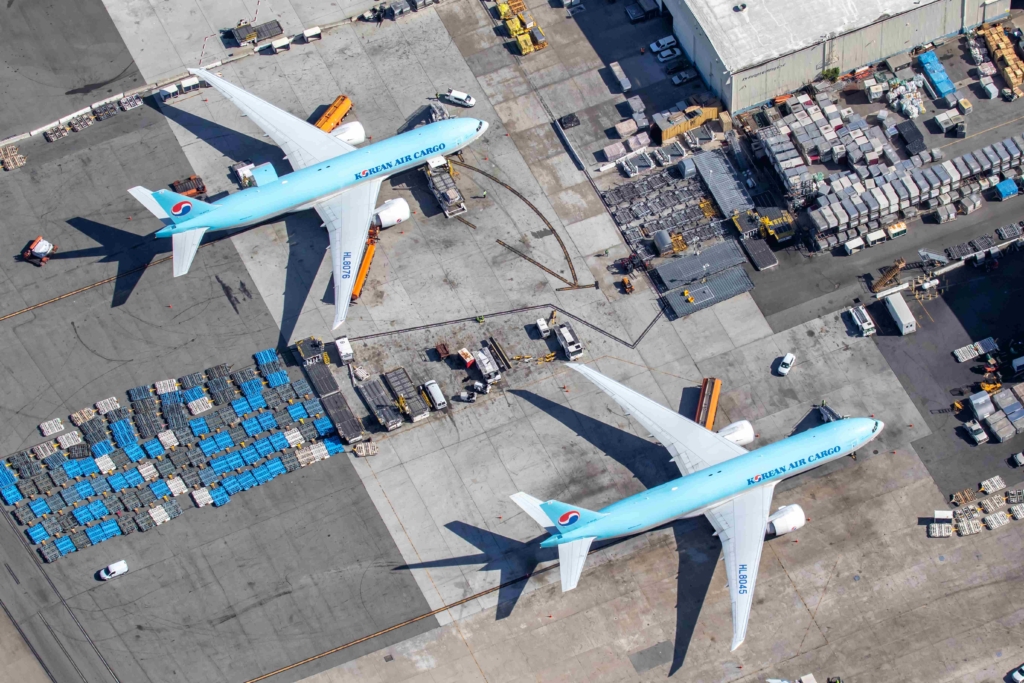
Hundreds of the twin-engine freighters are already flying worldwide and will continue to do so. The issue lies solely with new production.
From January 2028, any newly built aircraft must comply with the updated emissions limits. Boeing’s current-generation 777F, while described by the company as the most fuel-efficient large freighter available today, uses engines certified under earlier standards. Without an exemption, production would have to stop on 31 December 2027, regardless of market demand.
Boeing says such an outcome would leave airlines with few viable alternatives at a critical moment.
Cargo aircraft shortage grows as next-generation freighters are delayed
Widebody cargo aircraft have become one of aviation’s most constrained assets.
Growth in e-commerce, continued volatility in maritime shipping, and the need for more resilient global supply chains have driven demand well beyond pre-pandemic expectations.
At the same time, the next wave of freighters is running late. Boeing’s 777-8 Freighter, designed to comply with the new emissions rules, is not expected to enter service until around two years after the first delivery of the 777-9 passenger jet, currently targeted for 2027.
Airbus faces similar timing pressures with its A350 freighter programme, while older MD-11s have been leaving service following safety concerns.
Boeing argues that the result is a near-term capacity shortfall that cannot be filled quickly enough. In its filing, the company said the exemption would allow it to “meet anticipated customer demand and support the substantial public interest in the sustained transportation of air cargo” until the 777-8F is ready.
Boeing warns of trade and export impact if 777F production ends
Boeing has also framed the issue as one of national economic interest.
According to the company, more than $260 billion of the roughly $600 billion in goods exported by air cargo in 2024 were carried on large widebody freighters.
Each 777F sold to a foreign airline represents about $440 million in export value at catalogue prices, Boeing said, warning that more than $15 billion in US export value could be at risk if production halts abruptly.
The company has pointed to precedent. In 2024, Congress passed legislation allowing Boeing to continue producing its 767 freighter through 2033, exempting it from efficiency rules that would otherwise have ended the programme earlier.
How the FAA waiver request fits Boeing’s long-term freighter strategy
The exemption request is not a retreat from newer aircraft, Boeing insists, but a stopgap measure within a broader freighter portfolio.
Boeing’s freighter family spans converted passenger aircraft and purpose-built cargo jets, with the 777F sitting at the top end of the payload and range spectrum. The 777-8 Freighter is expected to deliver lower emissions and improved efficiency, but airlines still need lift capacity in the interim.
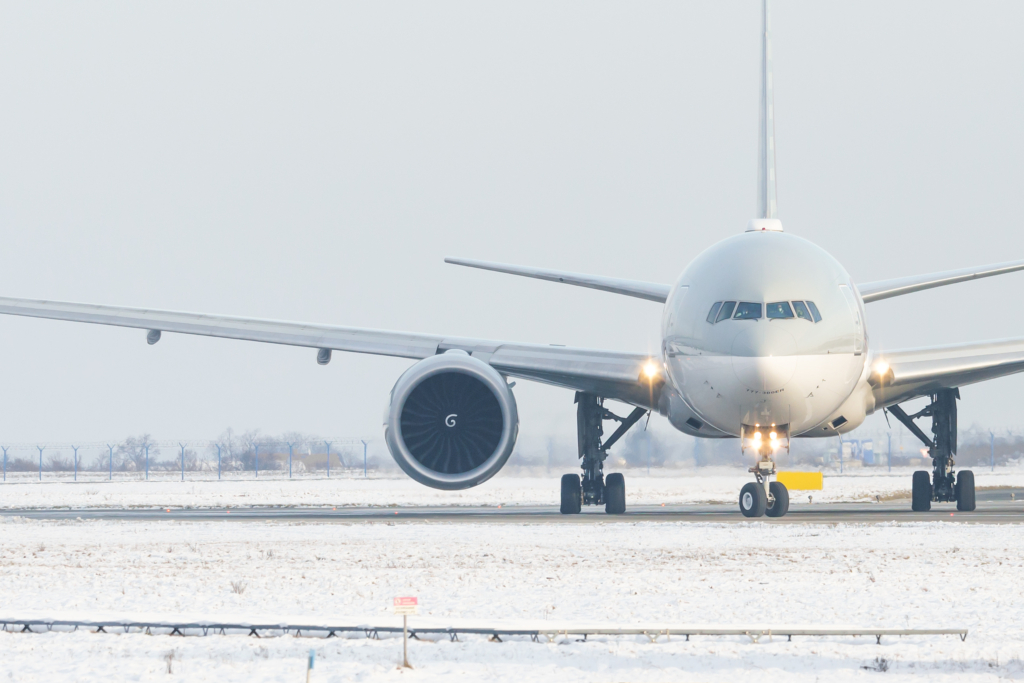
“The requested relief would allow Boeing to meet some of the anticipated customer demand to replace older, less fuel-efficient airplanes until the new 777-8 Freighter enters into service,” the company said.
Climate and emissions policy pressure shapes FAA decision on 777F
The FAA, for its part, has limited room to manoeuvre. Under US law, it must align domestic certification standards with ICAO frameworks, and under the Biden administration, aviation emissions policy has been folded into a broader push toward net-zero greenhouse gas emissions by 2050.
Civil aviation currently accounts for about 9% of US domestic transportation emissions and roughly 2% of total US carbon pollution, according to FAA data. Any exemption granted to Boeing is therefore likely to be closely scrutinised by environmental groups and lawmakers alike.
For now, the regulator is reviewing the petition. Whether it sees Boeing’s case as a temporary safety valve for global trade or an erosion of hard-won climate standards will shape not just the fate of the 777F, but how the aviation industry navigates the transition years ahead.
Sign up for our newsletter and get our latest content in your inbox.


More from

September 11, 20265 min read

September 12, 20264 min read


