US Marines intentionally shrink fixed-wing fleet to consolidate around the mighty F-35

February 11, 2026
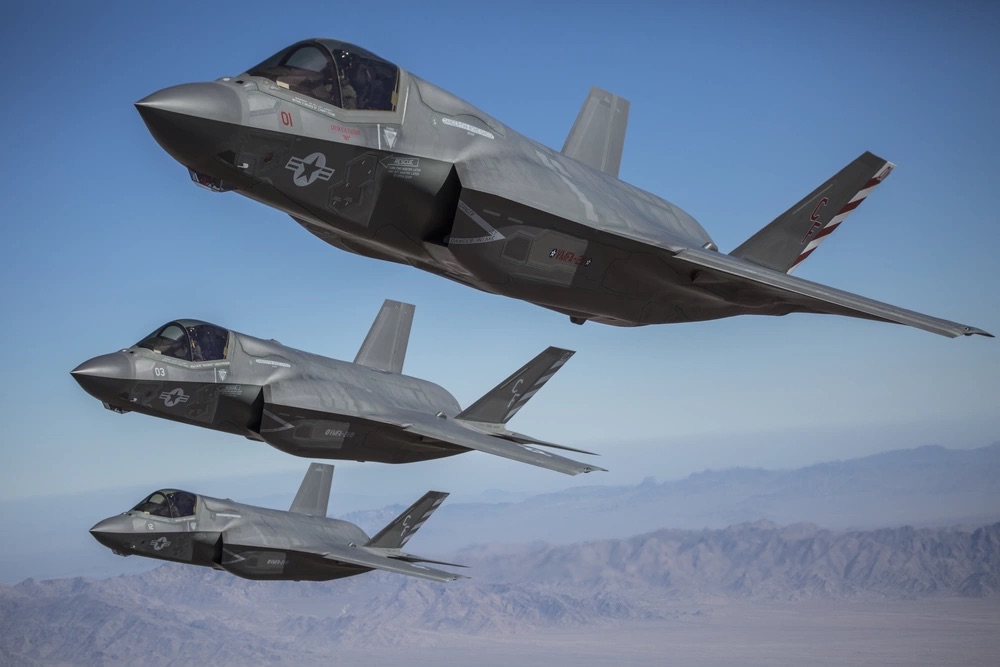
The US Marine Corps’ 2026 Aviation Plan confirms what has been building for several years: Marine fixed-wing aviation is being deliberately compressed in structure and simplified in type, even as capability deepens.
Legacy aircraft are exiting on firm timelines. Squadron structures are being rebalanced. Tactical aviation is consolidating almost entirely around the F-35 Lightning II family.
The shift is not cosmetic. It represents the most significant restructuring of Marine fixed-wing aviation since the post-Cold War drawdowns.
The plan states that fixed-wing aviation is evolving to “support distributed operations, close and accelerate kill chains, and increase survivability against modern air defences.” That framing matters. This is not simply a modernisation story.; it is a structural reset.
US Marine Corps confirms AV-8B Harrier retirement in June 2026
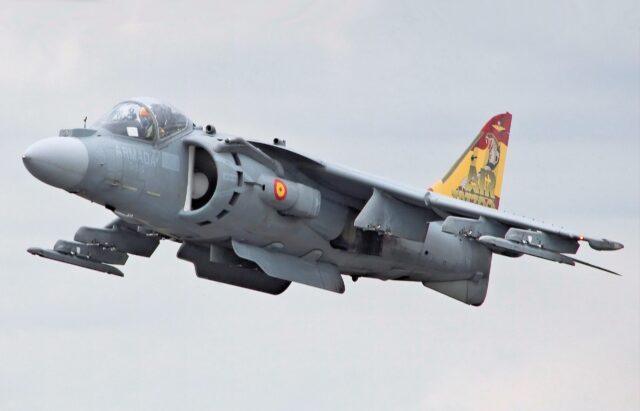
The Plan formally schedules the AV-8B Harrier’s exit from service during the week of 1–5 June 2026, with the official sundown ceremony and final flight set for 3 June 2026.
The Harrier force, which once equipped multiple Marine Attack Squadrons (VMA), has steadily contracted as F-35B units reached operational capability. By mid-2026, the Corps will no longer operate the STOVL Harrier in any role.
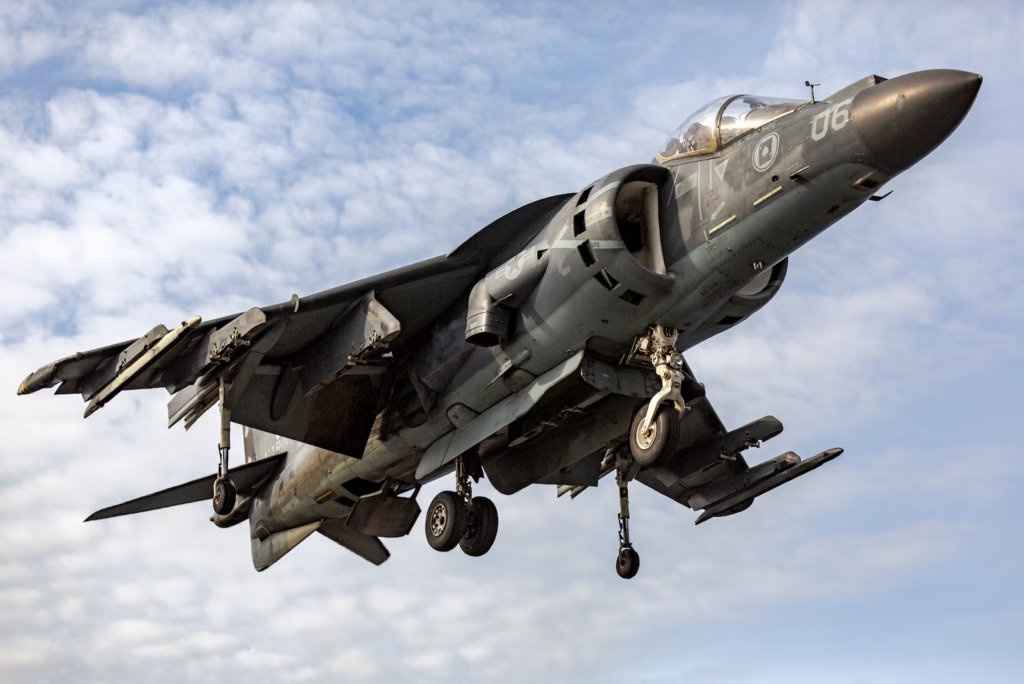
The retirement reduces aircraft type diversity within the Marine tactical inventory and removes one of the Corps’ most sustainment-intensive legacy platforms.
More importantly, it eliminates a distinct fixed-wing lineage. With the Harrier gone, Marine tactical aviation becomes more concentrated, not more diverse.
F/A-18 Hornet retirement continues through FY29
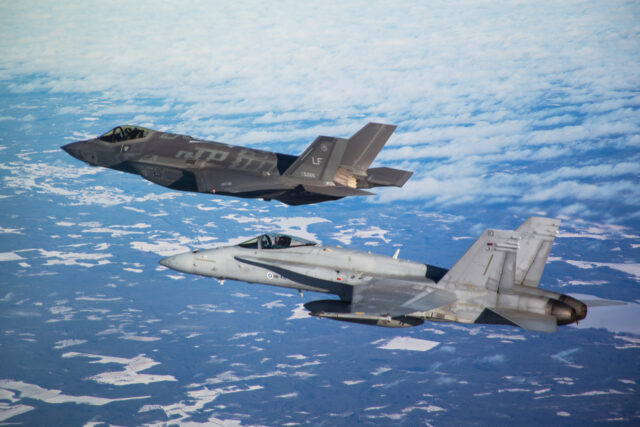
The 2026 Plan confirms the continued phased retirement of the F/A-18A-D Hornet fleet.
The Marine Corps F/A-18 inventory currently includes 125 aircraft. The Fleet Marine Force will maintain two active squadrons and one reserve squadron through the end of FY26. F/A-18 aircraft will continue supporting the Unit Deployment Program (UDP) through the end of FY28.
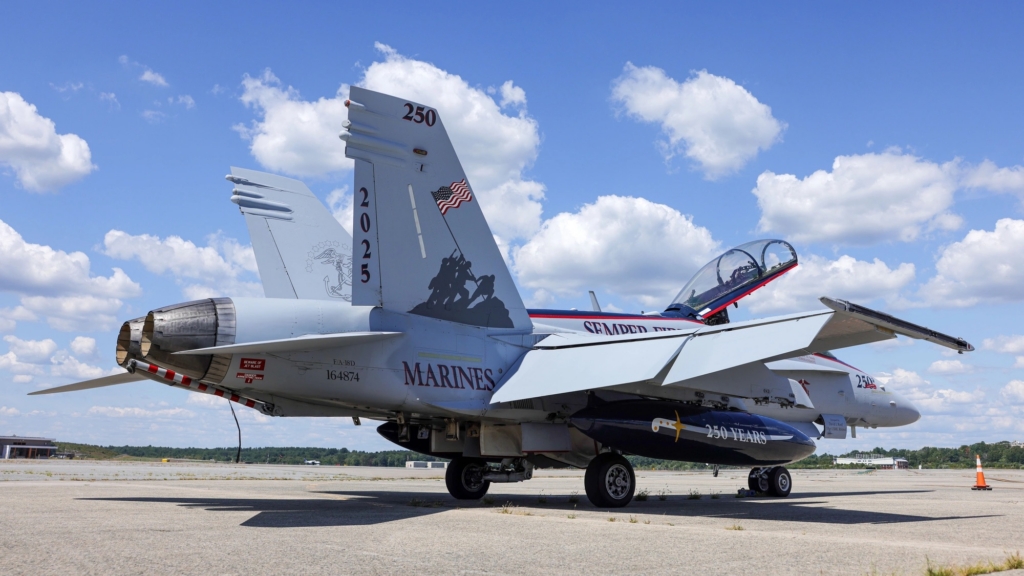
Structure requirements remain in place until the end of FY29, after which the Hornet will no longer form part of frontline strike aviation.
As Hornet squadrons stand down, manpower and support infrastructure transition to F-35 units. No life-extension pathway is outlined for the older airframes.
This is where the “shrinking” element becomes visible. For several years, the Marine Corps has operated a mixed Harrier–Hornet–F-35 fleet. By the end of the decade, that diversity disappears.
F-35B and F-35C become Marine Corps’ sole tactical fighters
The Plan makes clear that the Marine Corps’ future tactical aviation force will consist exclusively of the F-35B and F-35C.
By the end of 2026, 205 F-35B and 56 F-35C aircraft will have been delivered. The Programme of Record remains 420 aircraft, 280 F-35Bs and 140 F-35Cs.
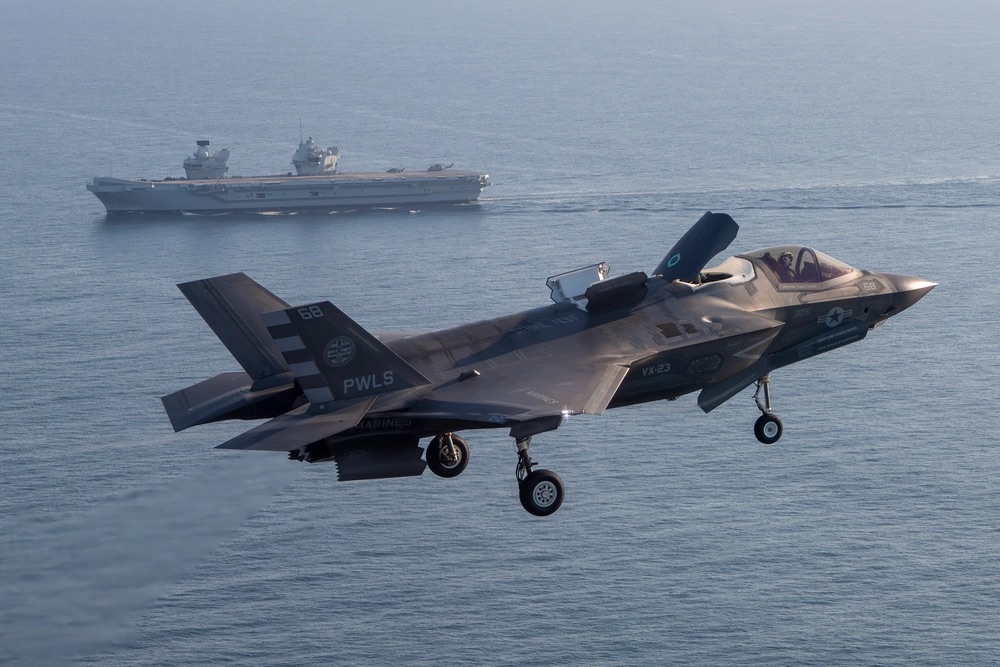
All fleet squadrons are currently organised as 10 Primary Aircraft Authorised (PAA) units. Over time, the Corps plans to increase that structure to 12 PAA per squadron, with manpower adjustments beginning in FY28 and aircraft growth starting in FY30.
That nuance is important. In the near term, tactical jet inventory numbers dip as Harriers and Hornets exit faster than F-35 capacity expands. Over the longer term, the Corps intends to rebuild depth within a single fifth-generation fleet rather than across multiple aircraft types.
The result is fewer types, tighter force design, and deeper capability within the surviving platform.
F-35 Block IV upgrades deepen capability as legacy jets exit
As legacy aircraft exit, capability growth is expected to come through F-35 Block IV upgrades rather than new aircraft types.
Block IV enhancements expand weapons integration, increase computing power and improve electronic warfare performance. The Plan underscores that these upgrades are essential to maintaining overmatch as the fleet simplifies.
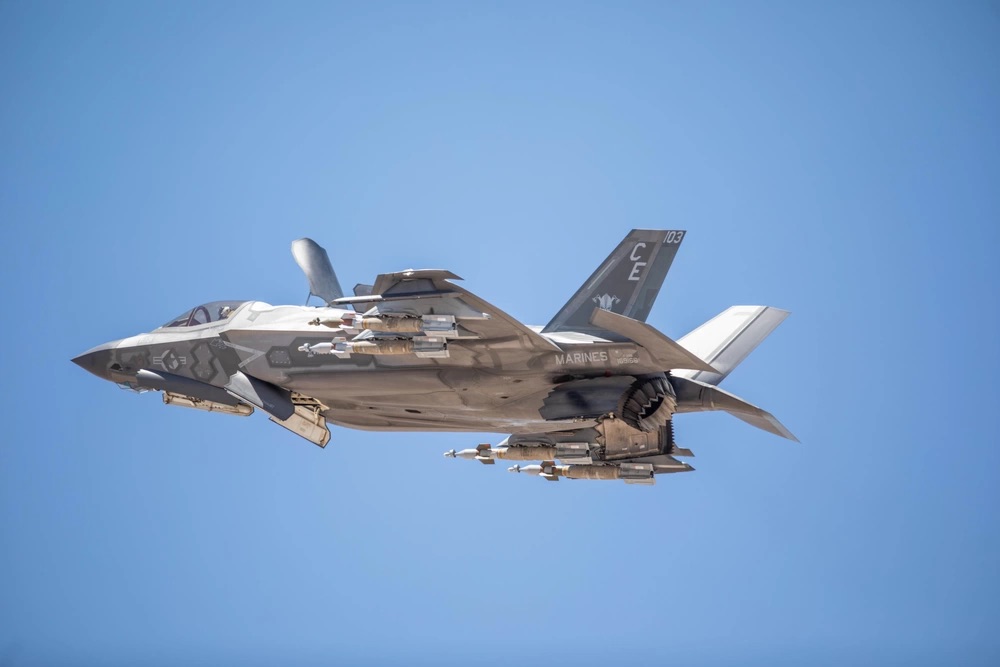
Rather than relying on numerical mass, the Corps is betting on sensor fusion, survivability and network integration.
Project Eagle boosts F-35 readiness in a leaner Marine fleet
The 2026 Plan highlights Project Eagle as a structural reform effort within the F-35 enterprise.
Project Eagle redistributes manpower, reshapes maintenance practices and restructures support to increase aircraft availability. The goal is to generate higher mission-capable rates from a more consolidated fleet.
This reinforces the broader thesis: the Marine Corps is consciously trading platform diversity for readiness, survivability and digital integration.
F-5 adversary fleet set for replacement under “Adversary Next”
Marine adversary squadrons continue to operate the F-5N/F Tiger II, but those aircraft are approaching the end of service life.
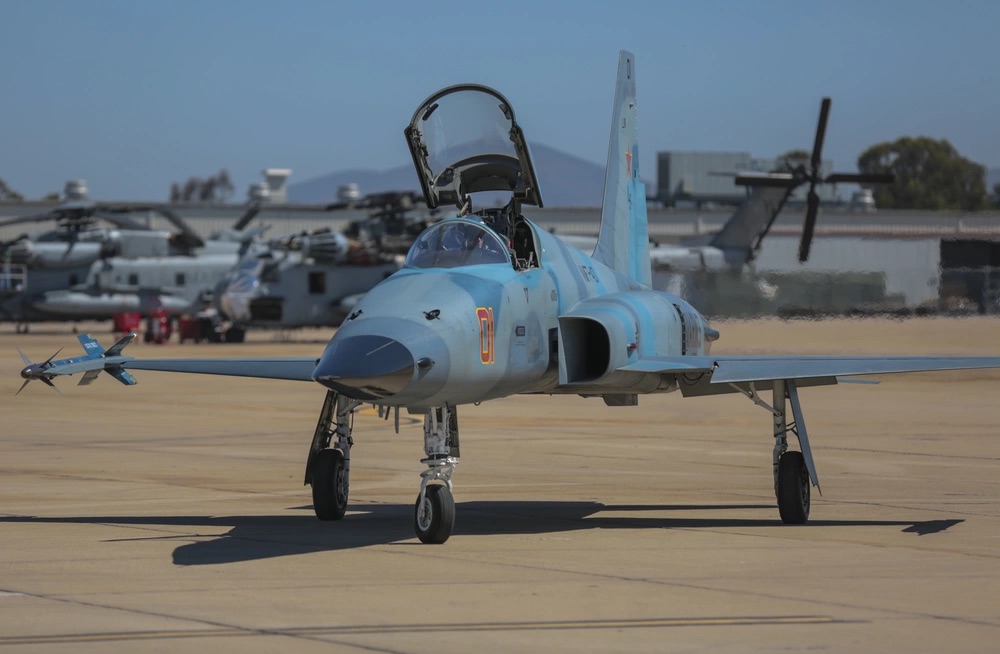
The “Adversary Next” programme is underway to identify a future replacement over the next 10–15 years, modernising the training ecosystem to better replicate fifth-generation threats.
While not central to the strike force restructuring, this move supports the same long-term objective: aligning the training pipeline with a fully fifth-generation operational fleet.
KC-130J Hercules remains stable as tactical jet fleet contracts
Outside the tactical jet transition, the KC-130J Hercules remains a stable element of Marine fixed-wing aviation.
The 2026 Plan does not signal structural reductions in the KC-130J force. Demand for aerial refuelling, assault support and expeditionary logistics remains high.
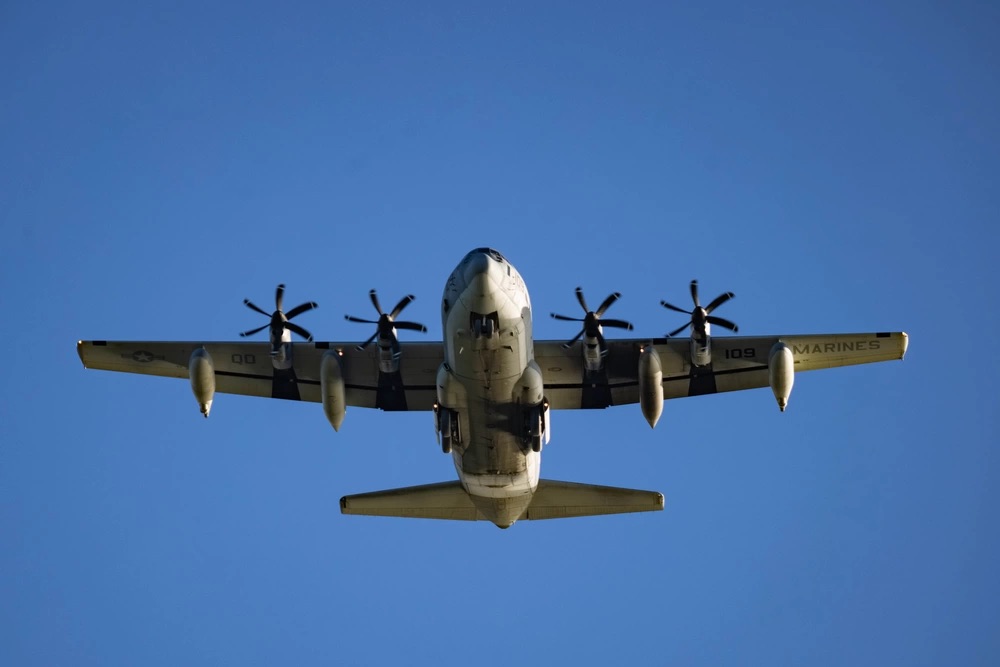
In distributed operations concepts, the KC-130J becomes even more critical as it extends F-35 range and supports expeditionary basing.
This contrast is revealing. Tactical fighter types are being consolidated. Mobility and sustainment platforms are not.
US Marines fixed-wing aviation consolidates around a single fifth-generation fleet
Taken together, the 2026 Aviation Plan confirms that Marine fixed-wing aviation is being streamlined around fewer aircraft types and a more uniform structure.
The AV-8B Harrier exits in June 2026. The F/A-18 Hornet winds down by FY29. The F-35B and F-35C become the sole tactical fighter platforms.
In the short term, this results in a leaner inventory and reduced type diversity. In the longer term, the Corps intends to deepen capability within a single fifth-generation ecosystem.
The Plan does not frame this as a reduction; it frames it as recalibration.
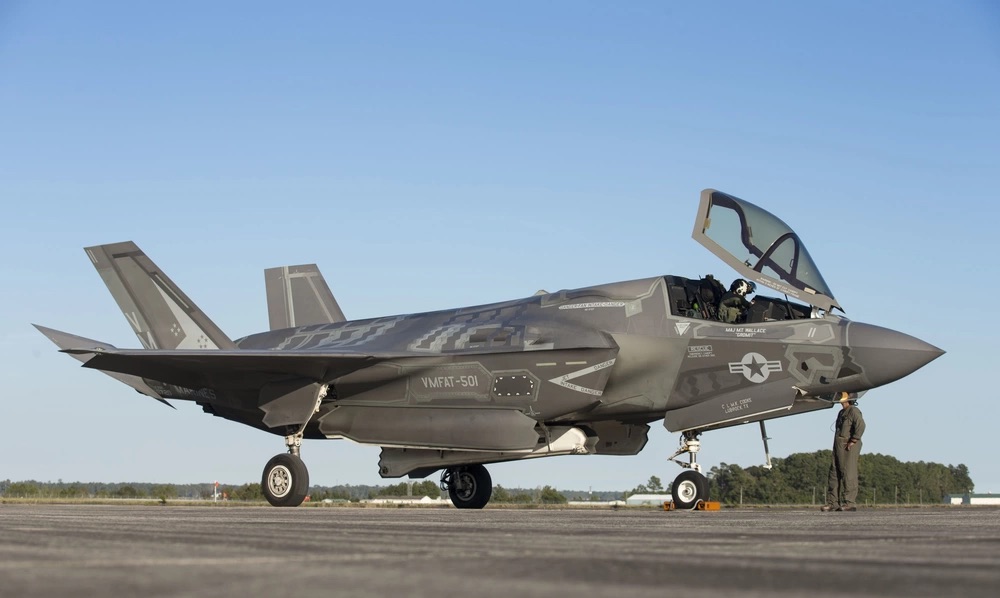
Marine aviation is being reshaped around survivability, digital integration and readiness rather than sheer aircraft count.
By the end of the decade, the mixed Harrier–Hornet force of the early 2000s will have given way to a consolidated, all-F-35 tactical fleet.
The air wing may be smaller in variety, but it is designed to be more survivable, more networked and more sustainable in a contested fight.
Featured image: USMC