UPDATED: Mid-air collision suspected after US Air Force KC-135 tanker crashes over Iraq

March 13, 2026
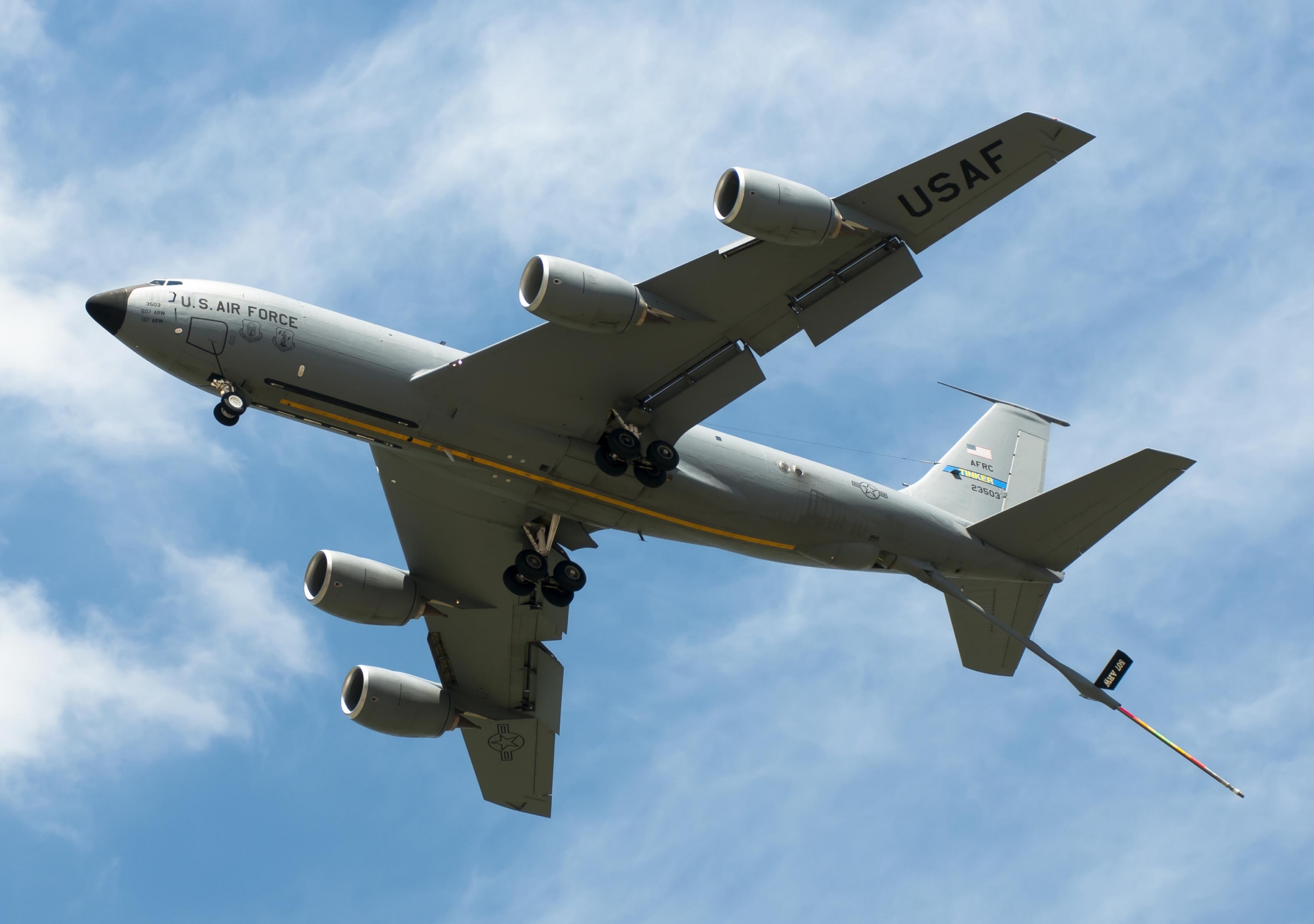
Yesterday, a United States Air Force KC-135 Stratofortress refuelling tanker crashed while operating over western Iraq. A second KC-135 has managed to land safely, although with significant damage to its tailfin.
Update: 13 March, 15:00 UTC
The US Air Force has confirmed that, sadly, all six of the aircrew onboard the KC-135 have perished in the accident. The circumstances of the incident are under investigation, but the force insists the loss of the aircraft was not due to friendly or hostile fire.
The names of the service members involved are being withheld for 24 hours until next of kin are informed.
All Crew Members of U.S. KC-135 Loss in Iraq Confirmed Deceased
— U.S. Central Command (@CENTCOM) March 13, 2026
TAMPA, Fla. – All six crew members aboard a U.S. KC-135 refueling aircraft that went down in western Iraq are now confirmed deceased. The aircraft was lost while flying over friendly airspace March 12 during…
US Air Force KC-135 tanker crashes in Iraq during Operation Epic Fury
A US Air Force KC-135 Stratotanker has crashed in western Iraq during ongoing operations linked to the regional conflict with Iran, according to US Central Command (CENTCOM).
CENTCOM said the aircraft was operating as part of Operation Epic Fury when the incident occurred in what it described as “friendly airspace.” Two aircraft were involved in the event, with one tanker going down while the second managed to land safely.
U.S. Central Command is aware of the loss of a U.S. KC-135 refueling aircraft. The incident occurred in friendly airspace during Operation Epic Fury, and rescue efforts are ongoing. Two aircraft were involved in the incident. One of the aircraft went down in western Iraq, and the…
— U.S. Central Command (@CENTCOM) March 12, 2026
The command added that the crash was not the result of hostile or friendly fire, although it has not yet provided further details about what led to the incident.
“We ask for continued patience to gather additional details and provide clarity for the families of service members,” the command said in a statement.
#USAF United States Air Force – 🚨 Emergency
— Armchair Admiral 🇬🇧 (@ArmchairAdml) March 12, 2026
Boeing KC-135 Stratotanker 1x#AE07C1 63-8017 – MOBIL ??
USAF KC-135 63-8017 is squawking 7700 General Emergency off the Israeli coast, and appears to be burning down some fuel before landing.
This particular KC-135 is 62 years old… pic.twitter.com/c27w7b0Qpj
The loss marks one of the few confirmed US aircraft losses since the conflict escalated. Earlier in the campaign, three F-15E Strike Eagle fighters were reportedly shot down in a friendly fire incident involving a Kuwaiti F/A-18.
Online flight tracking data also indicated that another KC-135 tanker operating in the region declared an emergency shortly after the crash. The aircraft, identified as KC-135 tail number 63-8017, was observed squawking the 7700 general emergency code while flying off the Israeli coast.
The aircraft later appeared to burn off fuel before preparing to land.
KC-135s involved in an apparent mid-air collision
While US Central Command has not yet released a formal cause of the crash, emerging evidence suggests the loss may have resulted from a mid-air collision between two tanker aircraft during refuelling operations.
CENTCOM confirmed that two aircraft were involved in the incident, with one KC-135 crashing in western Iraq while the second tanker managed to land safely. The command also stated the crash was not caused by hostile or friendly fire, narrowing the likely explanations.
All six crew members aboard the crashed aircraft have now been confirmed dead, according to US officials.
Online flight tracking and open-source analysis have added to the picture. Aviation analyst Armchair Admiral reported that KC-135 tail number 63-8017 declared a general emergency (7700) while flying off the Israeli coast shortly after the incident and appeared to burn fuel before landing.
A better look at the partially sliced-off tail of the USAF KC-135 involved in the mid-air collision over Iraq yesterday, back on the ground in Tel Aviv. pic.twitter.com/Vll73nrr8G
— OSINTtechnical (@Osinttechnical) March 13, 2026
Images circulating online of the aircraft that landed safely show significant damage to its vertical stabiliser, consistent with a possible collision during close-proximity flight. In aerial refuelling operations, the receiving aircraft must carefully position itself beneath the tanker’s refuelling boom, leaving little margin for error.
Mid-air collisions during refuelling operations are rare today but were more common during the early decades of jet aviation. The US Air Force experienced several high-profile accidents in the 1960s involving B-52 bombers and tanker aircraft, including incidents in which nuclear weapons were lost after aircraft collided during refuelling operations.
The footage below shows a close call from some years ago, showing just how tricky it can be to maintain two large aircraft in close proximity.
A USAF KC-135 has crashed over Iraq, possibly after a mid air collision.
— Air Power (@RealAirPower1) March 12, 2026
Aerial refueling has its perils. Pilots and crew make it look easy, but it is anything but. When things go wrong, the consequences can be catastrophic. Here is a clip from a few years back showing a near… pic.twitter.com/BIYcBVKgNQ
Shortly after the crash, two Lockheed Martin HC-130J Combat King II combat search-and-rescue aircraft were observed flying low over western Iraq, likely participating in efforts to locate the crash site and search for the missing crew.
U.S. Combat Rescue Aircraft Deployed Over Iraq After KC-135 Crash
— Washington Eye (@washington_EY) March 13, 2026
Two Lockheed Martin HC-130J Combat King II were spotted flying low over western Iraq, reportedly searching for the crash site of a Boeing KC-135 Stratotanker that went down after a mid-air collision with another… pic.twitter.com/N6t5VbpRyE
Militia groups in Iraq have claimed the aircraft was struck by a surface-to-air missile. However, CENTCOM has rejected that assertion, reiterating that the crash was not the result of hostile fire.
Investigators are now expected to examine whether the incident occurred during an aerial refuelling manoeuvre or another form of close-proximity flight between the two aircraft.
The US Air Force removed parachutes from KC-135 Stratotankers in 2008, primarily to improve efficiency, reduce costs, and eliminate equipment considered unnecessary for the aircraft’s operational profile.
Aerial refuelling tankers are critical to the US campaign in Iran
Aerial refuelling tankers are one of the key enablers of the United States’ ability to project military power globally. In the current conflict, Washington is deploying a large portion of its operational fleet of KC-135 Stratotankers and KC-46 Pegasus aircraft to sustain air operations over Iran.
The U.S. Air Force has turned Tel Aviv’s Ben Gurion International Airport into an aerial refueling tanker base, with at least 14x KC-135s and KC-46s on the ground.
— OSINTtechnical (@Osinttechnical) February 27, 2026
The major Air Force deployment to Israel comes as the U.S. prepares to strike Iran. pic.twitter.com/ItRtckO3Fi
The aircraft are not only supporting combat missions in the region but also acting as air bridges between the United States and the Middle East. Tankers staged from locations such as Ramstein Air Base in Germany and Lajes Field in Portugal’s Azores allow US aircraft to fly directly from North America to the region without landing.
This capability enables bombers such as the B-52 Stratofortress and B-1B Lancer to fly long-range strike missions from the United States to targets in Iran and return without forward basing. However, such long transit times reduce the number of missions aircraft can fly, which is why some bombers are now operating from RAF Fairford in the United Kingdom.

The scale of the US tanker fleet underpins this capability. By some estimates, the United States operates around three-quarters of the world’s aerial refuelling aircraft, far more than any other country.
In fact, the number of tankers the United States has deployed to the Middle East for the current operation is believed to exceed the entire tanker inventory of European air forces combined.
The deployment is also significantly expanding Israel’s refuelling capacity. The Israeli Air Force currently operates six ageing Boeing KC-707 tankers, which analysts believe limited the number of long-range strike sorties it could sustain during Operation Rising Lion against Iran last year.
This year, the arrival of US tanker aircraft at Ben Gurion Airport has effectively multiplied the refuelling resources available to Israeli aircraft, likely allowing the country to maintain a much higher sortie rate.
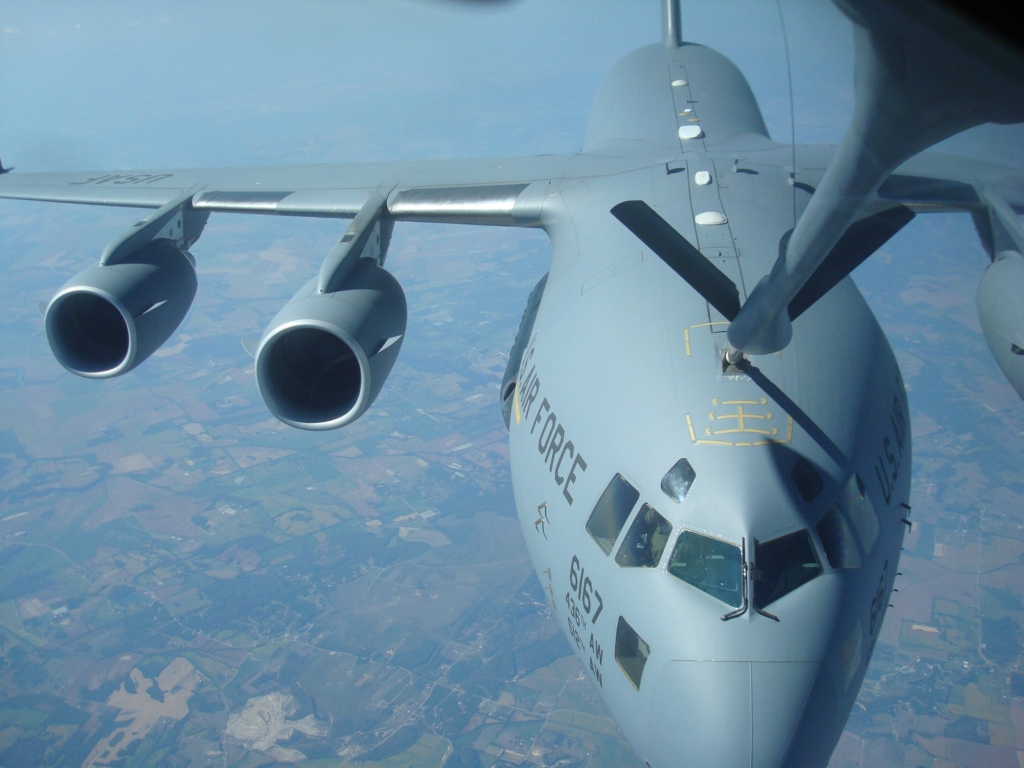
Israel is planning to replace its KC-707 fleet with Boeing KC-46 Pegasus aircraft, which are based on the Boeing 767 airframe. Japan is currently the only other export customer for the KC-46, while most international tanker buyers have instead opted for the Airbus A330 MRTT.
The future of the US Air Force tanker fleet
The crash also comes at a time when the US Air Force is in the middle of modernising its ageing tanker fleet.
Many KC-135 Stratotankers currently in service are more than 60 years old, making them some of the oldest operational aircraft in the US military. They are gradually being replaced by the KC-46 Pegasus, a newer tanker based on the Boeing 767.
Even so, the KC-135 remains the backbone of US aerial refuelling operations and is expected to remain in service for many years.
Featured Image: Boeing