United Airlines argues ‘window seat’ does not mean ‘seat with a window’ in motion to dismiss class action lawsuit

November 12, 2025

United Airlines has filed a motion in federal court seeking dismissal of a proposed class-action lawsuit that alleges the carrier charged passengers a premium for so-called “window seats” which, in many instances, did not include an actual exterior window.
Passengers sue US airlines over lack of windows in seats sold as window seats
In August 2025, two nearly identical lawsuits were filed: one against United (in San Francisco federal court) and one against Delta Air Lines (in Brooklyn federal court). They claim that each airline sold more than one million “window seats” on aircraft such as the Boeing 737, Boeing 757, and Airbus A321, many of which are next to blank fuselage walls rather than windows.
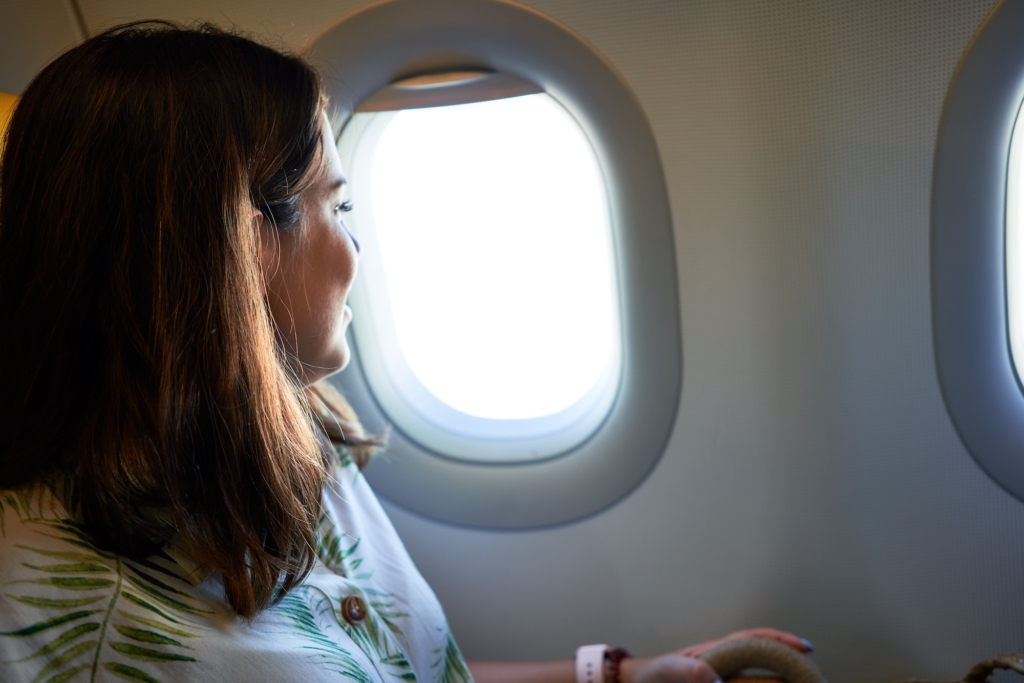
Passengers say they paid seat-selection fees (commonly $30 to $100+) expecting a view, sunlight, or the comfort of a genuine window seat — and say they would not have booked or paid extra had they known the seat lacked a window.
The lawsuits allege this constitutes deceptive or unfair trade practices, and in some instances, breach of contract.
Read also: In South Korea, exams are so important they stop air traffic
A window seat by any other frame
United’s motion to dismiss the claim against it is currently under consideration in the Northern District of California (San Francisco). The filing was made in November 2025.
As reported by Reuters, United’s filing argues that it never promised a view when it used the label “window” for a seat. According to the airline, “window” refers only to the seat’s location next to the aircraft wall, not a guarantee of an exterior view.
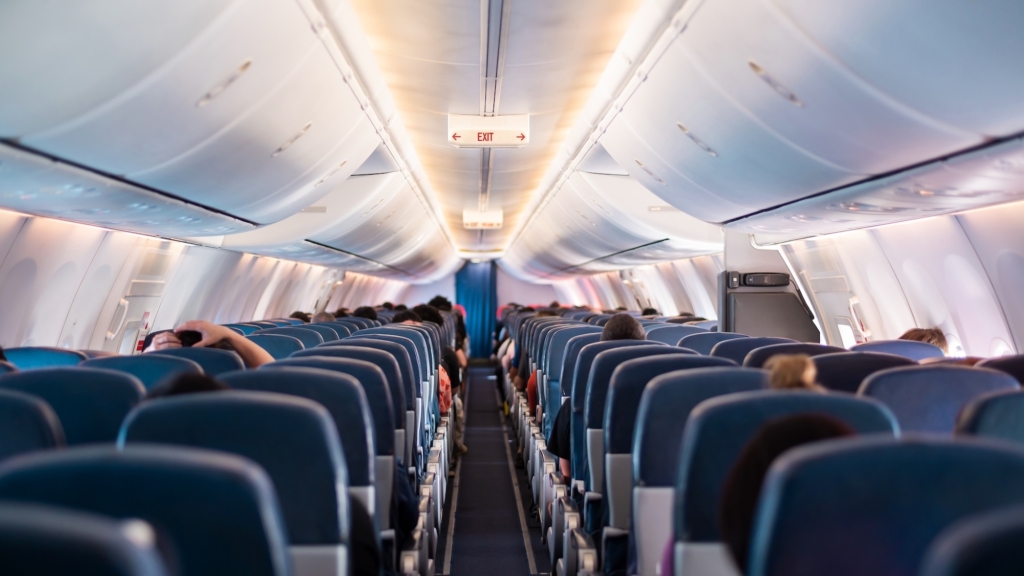
United emphasises that the booking screens and boarding passes label seats as “window”, “middle”, or “aisle”, and that “window” is industry standard shorthand for the seat’s position on the LOPA (location of passenger accommodation). This is accurate, although the seat location got its designation because windows are a common feature of aircraft seats by the wall. In effect, what United is arguing is that windows are not necessarily included in window seats.
The airline also contends that federal law limits passengers’ ability to bring contract claims for ancillary fees (such as paid seat selection) and that its Conditions of Carriage do not make any express guarantee of a window seat.
What the windowless window seat suits mean for the airline industry
The cases against United and Delta underscore growing scrutiny of ancillary-fee practices and how airlines market seat-selection products. The premium passengers pay for “preferred seat locations” is a growing airline revenue stream, raising questions over carriers’ transparency on what cabin features and services customers are actually paying for.
If the court denies United’s motion to dismiss and allows the suit to move forward, airlines may face pressure to amend how seat maps present “window” seats, perhaps by including disclaimers or visual cues when a given “window” seat lacks an actual exterior window.
These cases could set a precedent for consumer rights claims regarding aviation ancillary fees, a field that has attracted increased regulatory and legal attention in recent years.
How to ensure your window seat has a window
Passengers who want “window” seats with an actual window should first check the seat map in the airline’s reservation system before booking. If the airline’s map is unclear, independent seat map tools such as AeroLOPA will flag seats with obstructed windows.
Get all the latest commercial aviation news on AGN here.
Featured Image: United Airlines