The first flying car was FAA certified 80 years ago

March 14, 2026
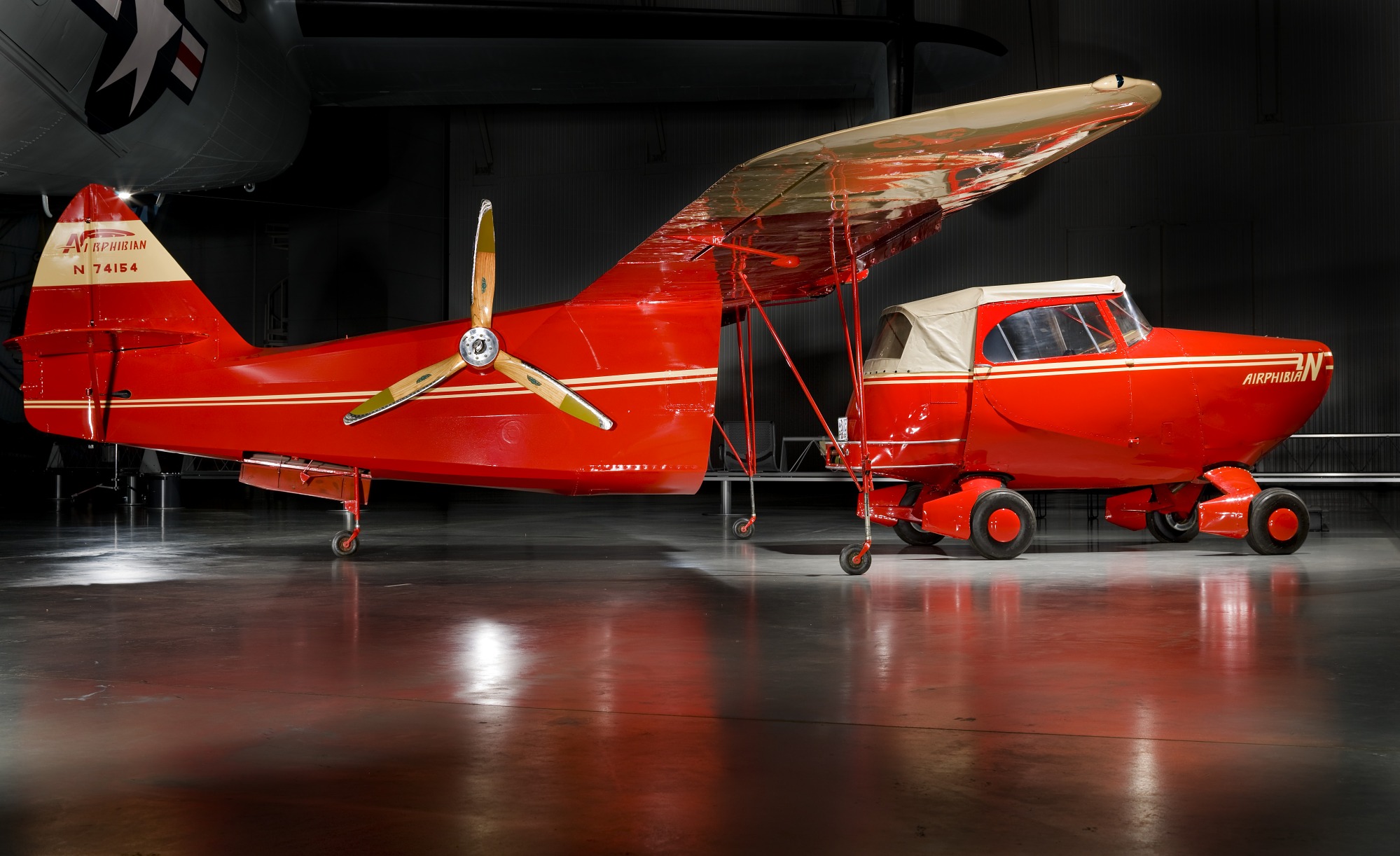
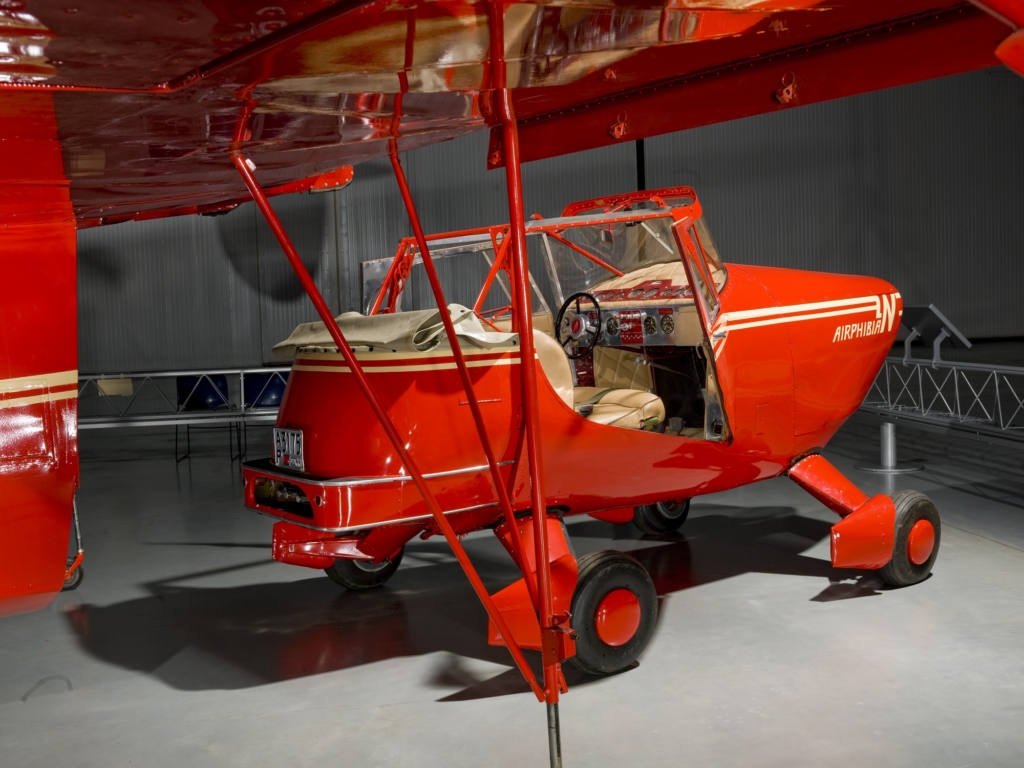
The Fulton FA-2 Airphibian was the first flying car to receive the US Civil Aeronautics Administration, predecessor of the Federal Aviation Administration (FAA), certification in 1946. Invented and designed by Robert Fulton in the early 1940s, the type was crafted for remote wartime areas.
The early aerospace pioneers, like Robert Fulton, re-imagined a driveable car with detachable control surfaces and a propeller. Rather than designing a car that would fly, they adapted a plane built for the road. In such designs, removable parts were either left behind or towed on a separate vehicle.
The first flying car to find its way to certification
The roadable FA-2 Airphibian, made from aluminium, featured removable fabric wings and tail that could be fitted and removed in minutes. The vehicle’s rear fuselage, mainly comprising the wing and tail sections, was detached for land use. The process included the removal of a three-bladed propeller and the disengagement of lock levers connecting the flight system to the road system.
| Fulton FA-2 Airphibian | |
|---|---|
| Capacity | Two |
| Length | 22 ft 2 in (6.76 m) |
| Wingspan | 34 ft (10 m) |
| Height | 7 ft 8 in (2.34 m) |
| Empty Weight | 1,500 lb (680 kg) |
| Gross Weight | 2,100 lb (953 kg) |
| Maximum Speed | 120 mph (190 km/h, 100 kn) |
| Cruise Speed | 110 mph (180 km/h, 96 kn) |
| Range | 350 mi (560 km, 300 nmi) |
| Service Ceiling | 12,000 ft (3,700 m) |
| Rate of Climb | 600 ft/min (3.0 m/s) |
Powered by a six-cylinder 165-horsepower engine, the vehicle achieved a maximum speed of 190 km/h (120 mph). The flying car featured aircraft-sized wheels to drive down the road at 80 km/h (50 mph), and an independent suspension for varying operations.
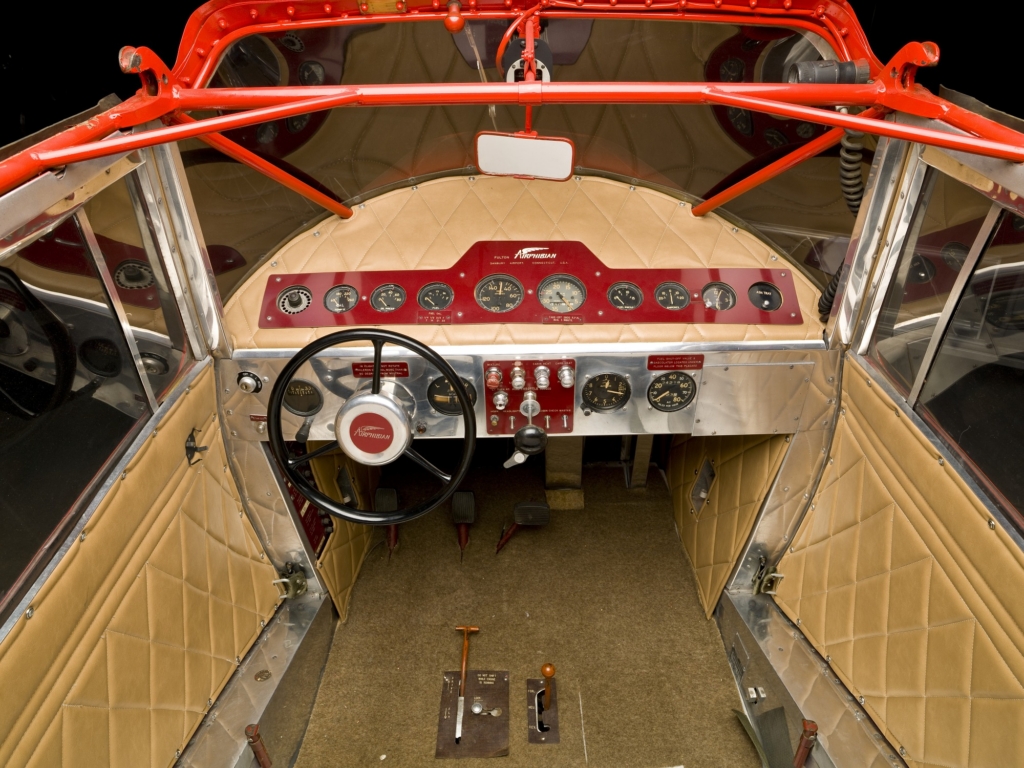
The manufacturer produced four prototypes of the two-seater vehicle. The vehicle received its US Civil Aeronautics Administration (US CAA) certification in 1946. Despite being the first of its kind, production investments fell short of expectations, shelving the design. Moreover, financial challenges forced Fulton to sell the company before the type was commercially produced.
The early 20th-century flying car era
The concept of flying cars dates back to the early 20th century. The idea of combining land and air transport was initially achieved through a few short hops. Early aerospace pioneers re-imagined a drivable car with detachable control surfaces and a propeller. In such a design, removable parts were either left behind or towed on a separate vehicle. Newer designs employed folding wings that the car could carry on the road.
In 1917, Glenn Curtiss designed a roadworthy airplane named the Curtiss Autoplane. Built of aluminum, the Autoplane featured a removable propeller and control system (wings and tail). The aircraft cabin was designed to resemble a conventional car, with four large wheels to support both road and air transport. It was considered the first successful attempt at a flying car. However, the design only enabled the vehicle to perform hops rather than a stable flight.
In 1935, Constantinos Vlachos designed a tri-phibian aircraft featuring a circular wing. In 1937, Waldo Waterman took his Arrowbile flying car into the air. Powered by a Studebaker engine, the Arrowbile achieved a driving speed of 90 km/h (50 mph) and a flying speed of 180 km/h (90 mph).
In 1942, the British built the experimental roadworthy aircraft, Hafner Rotabuggy, having a flight speed of 113 km/h (70 mph). Despite unique features and diverse capabilities, none of the designs achieved regulatory certification for commercial operations. While the Fulton FA-2 Airphibian didn’t manage to become a commercial success, it crossed the regulatory certification bridge in 1946.
The mid-20th-century Aerocar became the most successful flying car
Another breakthrough in 1946 was the ConvAirCar, a two-door roadable vehicle with a detachable flying unit, designed by Convair. The vehicle delivered one hour of flight time at relatively lower gas mileage. Avro Canada launched the first flying car for military use, called Avrocar, in the 1950s.
Despite the United States Air Force’s agreement to support the development of Avrocar, the vehicle did not live up to its promise. In the same year, an American aeronautical engineer, Molt Taylor, introduced Aerocar, which became the most practical and successful flying car.

Designed to drive and fly without interruption, the vehicle had folding wings and could cruise at 195 km/h (120 mph). It became the second and last roadworthy aircraft to receive the FAA certification. While Ford Motor Co. considered investing in the program, the global oil crisis dashed those plans.
Featured image: National Air and Space Museum