India’s LCA Tejas crash at Dubai Airshow raises questions as country mourns fallen pilot

November 21, 2025
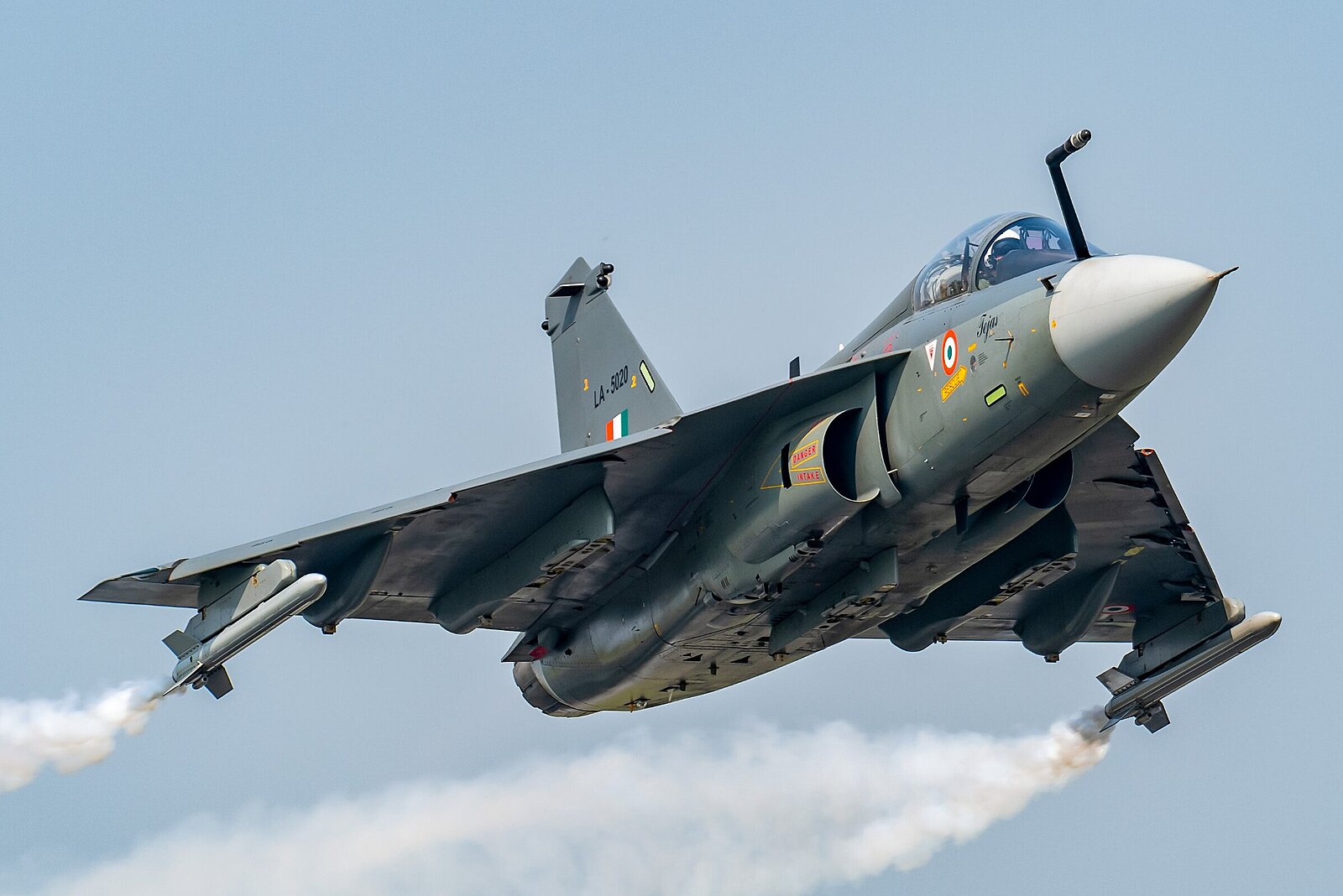
The Dubai Airshow was jolted into silence on Friday, 21 November, when an Indian Air Force Tejas fighter plunged out of a display manoeuvre and crashed into the ground in full view of thousands of spectators. Tragically, the pilot was killed in the accident, abruptly halting what had been a steady run of demonstrations on the show’s closing day.
The accident happened just after 14:00 local time at Al Maktoum International Airport.
A deeply painful moment for Indian aviation. Watching Tejas crash with no sign of ejection is something that leaves you shaken. Our pilots carry the nation’s pride every time they fly, and seeing this feels like a punch to the heart. Still waiting for clarity, but the visuals… pic.twitter.com/BDlJhnC4k4
— Shashank Singh (@shashank_seo) November 21, 2025
Moments earlier, the Tejas had swept past the crowd in a tight, high-energy sequence. As the jet pulled into a downward manoeuvre, it suddenly lost height, dropped nose-first and struck the ground with a violent impact that sent a dark column of smoke rising across the airfield.
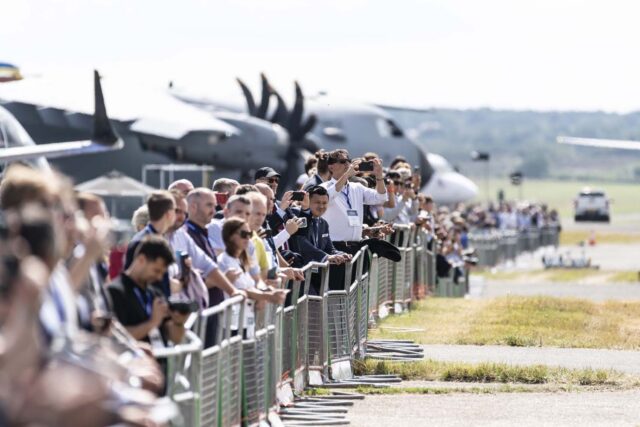
Families, school groups and aviation professionals who had been watching the routine went quiet as sirens broke through the noise of the show.
Emergency teams raced in immediately but could not save the pilot.
A public tragedy in the middle of a major international showcase
The Indian Air Force confirmed the fatality soon after: “The pilot sustained fatal injuries in the accident. The IAF deeply regrets the loss of life and stands firmly with the bereaved family.”
An IAF Tejas aircraft met with an accident during an aerial display at Dubai Air Show, today. The pilot sustained fatal injuries in the accident.
— Indian Air Force (@IAF_MCC) November 21, 2025
IAF deeply regrets the loss of life and stands firmly with the bereaved family in this time of grief.
A court of inquiry is being…
A court of inquiry has been ordered, as is standard in such cases. Dubai’s authorities said firefighting units and rescue crews responded within minutes and secured the area.
The incident cast a long shadow over India’s presence at the show. The Tejas had been a centrepiece of its flying programme, performing multiple routines throughout the week and drawing strong interest from visiting delegations.
This was the first time the aircraft had appeared at the Dubai Airshow as part of a high-profile push to market the indigenous fighter abroad.
Rumours the day before
Adding to the tension was an online storm a day earlier. Short clips from the airshow had been circulated on social media claiming to show an “oil leak” from a Tejas aircraft.
India’s fact-check unit stepped in, explaining that the liquid in the video was simply condensed water being drained from the jet’s environmental and oxygen-generation systems, a routine discharge, especially in Dubai’s heat.
At the Dubai Air Show 2025, an IAF Tejas fighter jet experienced an oil leak while parked on the tarmac. pic.twitter.com/peR6p540xj
— Clash Report (@clashreport) November 17, 2025
The government said the posts were part of an orchestrated attempt to question the fighter’s reliability.
Officials have not linked those videos with the aircraft that crashed, and there is no evidence to suggest any connection.
Even so, the timing – misinformation one day, a fatal crash the next – has prompted widespread speculation that the IAF and investigators have urged everyone to avoid until the inquiry’s findings are known.
What the videos from the crash show
Clips filmed by spectators show the Tejas entering a downward pass before failing to pull out.
Pilot of Indian fighter jet that crashed at Dubai airshow has died
— Sumit (@SumitHansd) November 21, 2025
Indian Muslims are laughing at the death of the pilot in the Tejas fighter jet crash 💔😡
80% Indian Muslims are bigger M@****0d than Pakistani Muslims
Rest in peace Pilot sir 🕊️#DubaiAirShow #tejas #pilot pic.twitter.com/G88tALtz7H
The jet hit the ground within seconds, igniting instantly. The reaction among the crowd, including children, was one of shock. Security cordons were quickly set up and the show went on hold.
A rare accident for HAL’s Tejas
This is only the second recorded crash of a Tejas aircraft in more than two decades of flight.
The first, in March 2024, in the western Indian province of Rajasthan, happened during a training sortie. That time, the pilot ejected safely. For an aircraft that first flew in 2001 and was inducted into service in 2015–16, the overall safety record up to now has been relatively strong.

The Tejas was developed by the Aeronautical Development Agency and built by Hindustan Aeronautics Limited as a successor to the MiG-21.
India has since invested heavily in the programme. In September this year, the Ministry of Defence signed a deal for 97 Tejas Mk1A aircraft, with deliveries expected to begin in 2027.
The manoeuvre and the physics behind it
The Tejas display routine included several negative-G manoeuvres, moves where the aircraft pushes downward rather than pulling up.
Pilots experience a brief sensation of weightlessness, and the aircraft’s control systems must respond instantly to any change in speed or angle.
Negative-G segments are part of many modern aerobatic displays and fall well within the Tejas’ capability. Whether the jet experienced a mechanical problem, a flight-control issue or another factor is something the inquiry will now have to determine.
A sensitive moment for India’s export plans
India has spent years trying to place the Tejas on the export market. Interest from several countries has not yet turned into firm orders. Argentina, for example, opted for second-hand F-16s last year instead of the Tejas.
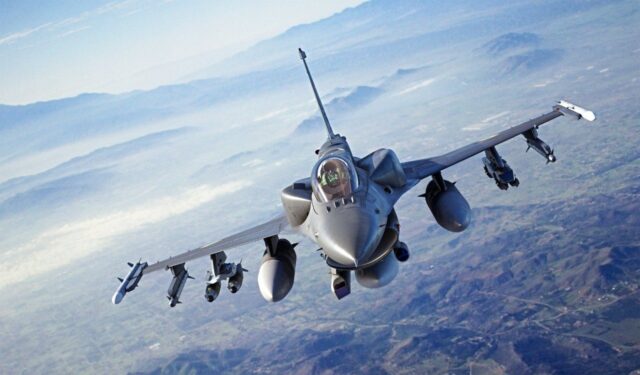
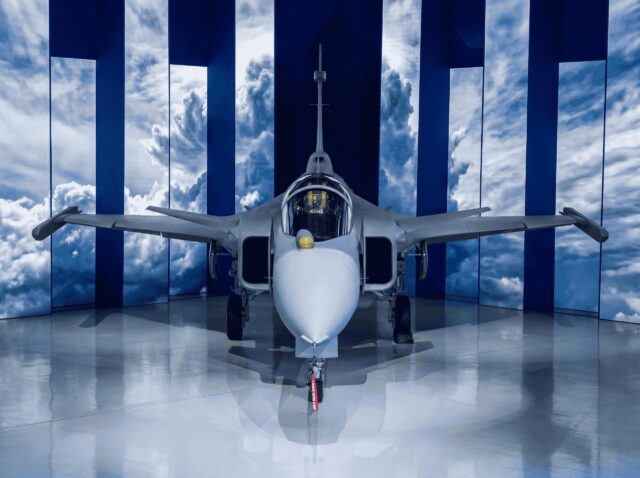
The jet competes with several fighters in the same class: the Chinese-Pakistani JF-17 Block III, Sweden’s Gripen E, the American F-16V and South Korea’s FA-50.
Airshow performances are a vital part of India’s pitch, and the crash in Dubai in front of international delegations, military buyers and aviation executives is almost certain to weigh on conversations around the aircraft in the months ahead.

The inquiry will examine the flight data recorder, the pilot’s communications, the aircraft’s maintenance history, and environmental conditions at the time. Investigators will also look at the display profile and the sequence of manoeuvres leading up to the descent captured on video.
For the Indian Air Force, the loss is a tough setback at a time when the service is preparing to expand its Tejas fleet and phase out older jets.
For families at the airshow who witnessed the crash at close quarters, it brought a sudden and sobering end to what had been a celebratory week of flying.
Tributes to the pilot have continued to come in, while both India and the Dubai organisers have said the results of the inquiry will be made public once complete.
Until then, the airshow’s final image of a plume of smoke rising above the runway lingers over India’s flagship fighter programme.
Featured image: Government of India