Taiwan to purchase new Lockheed Martin C-130J Super Hercules as C-130H upgrades prove too expensive

February 9, 2026
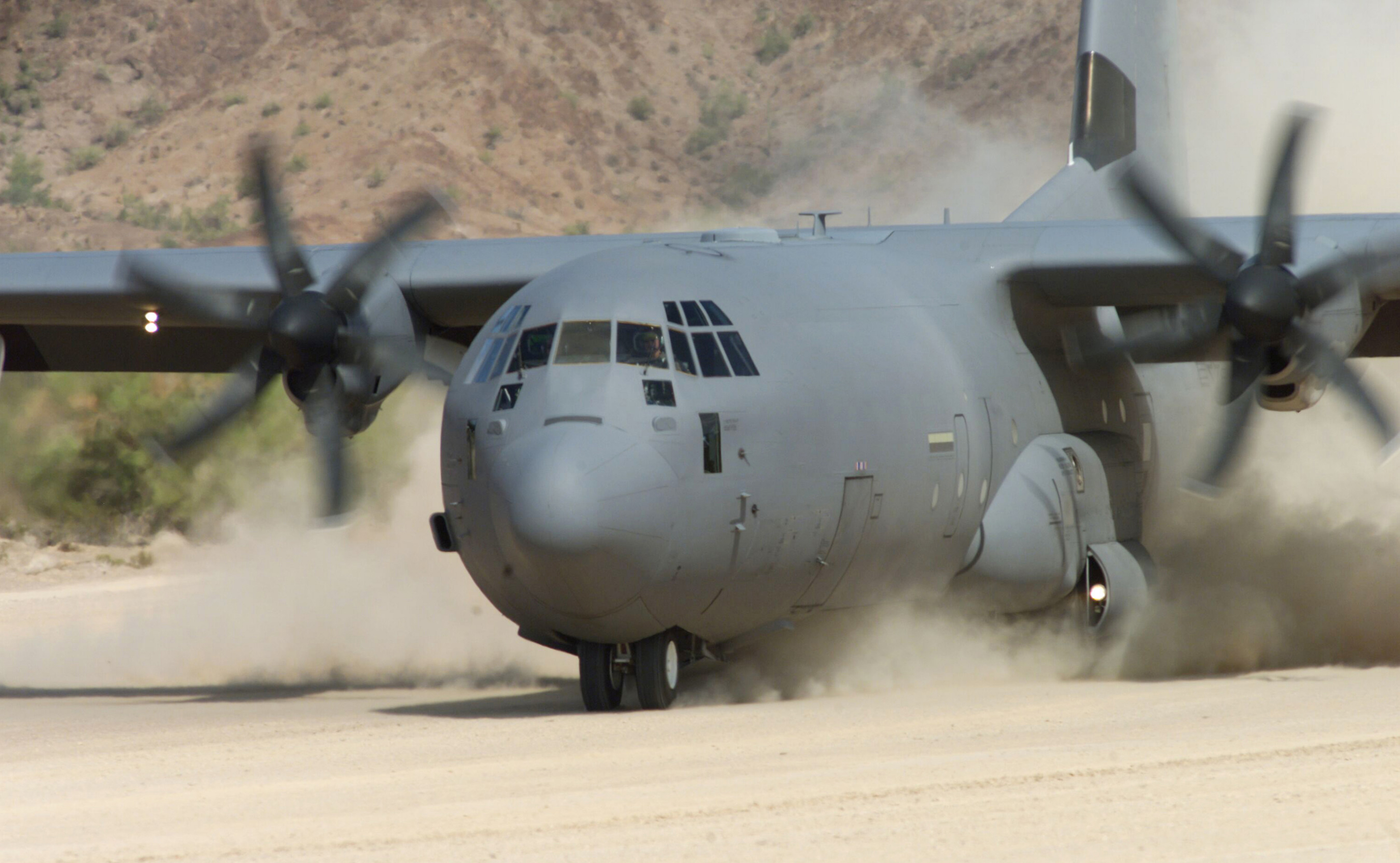
Taiwan has confirmed plans to acquire new Lockheed Martin C-130J Super Hercules airlifters, abandoning an earlier plan to extend the service life of its ageing C-130H fleet after concluding that a deep modernisation programme would be uneconomic.
According to Taiwanese defence officials and reporting by regional and US defence media, the Republic of China Air Force (RoCAF) intends to procure 10 new-build C-130Js from the United States via the Foreign Military Sales (FMS) process.
The aircraft will supplement, and in time partially replace, Taiwan’s existing Hercules fleet, which has been in service since the mid-1980s.
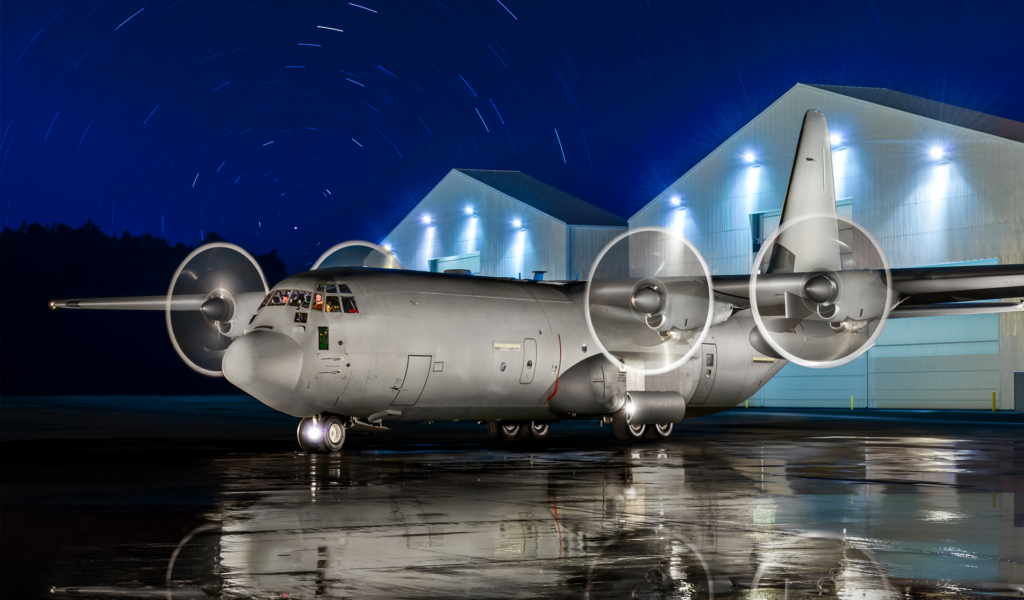
The decision follows an internal assessment that upgrading the current C-130H aircraft would deliver limited operational benefit relative to cost, while still leaving the air force dependent on structurally ageing airframes.
No firm delivery timeline has yet been disclosed, though the aircraft are expected to enter service later this decade.
Why Taiwan is opting for the C-130J instead of upgrading its C-130H fleet
Taiwan currently operates around 20 C-130H aircraft, which perform a wide range of missions including tactical airlift, disaster relief, humanitarian assistance, and military logistics across the island and to outlying territories.
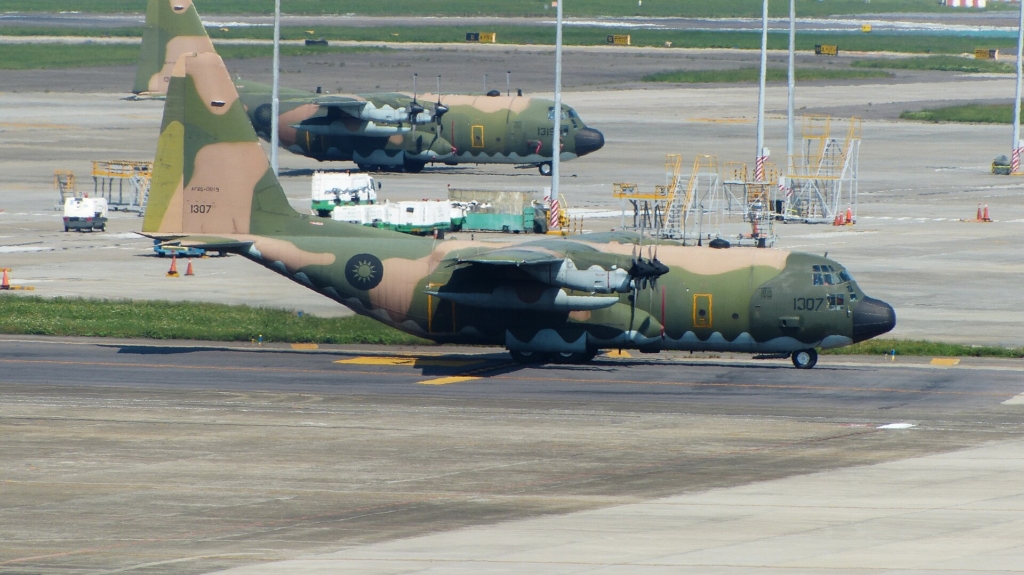
Officials concluded that a comprehensive modernisation of the H-models, covering avionics, propulsion, and structural life extension, would be both costly and disruptive, while failing to deliver the step-change in capability required for the coming decades. By contrast, the C-130J offers:
- Greater range and payload
- Reduced crew requirements
- Improved reliability and mission availability
- Full interoperability with US and allied forces
The geopolitical context also matters. Taiwan faces sustained military pressure from the People’s Liberation Army Air Force, and its airlift fleet is expected to operate in contested and high-tempo scenarios in the event of a regional crisis. In that environment, assured availability, survivability, and modern systems integration are critical.
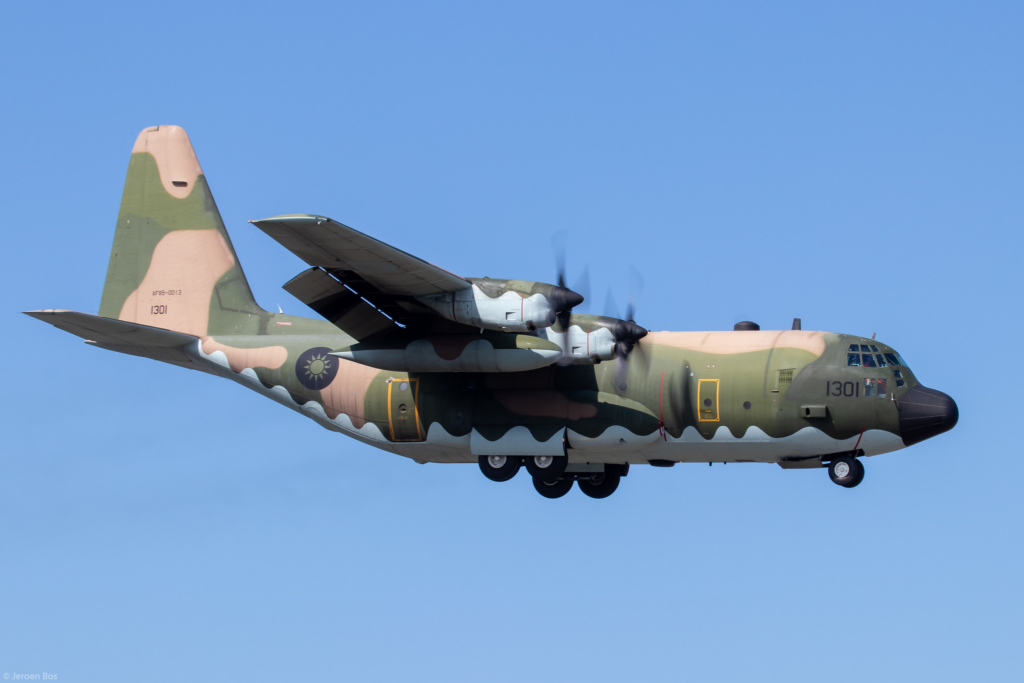
Rather than investing heavily to extend the life of 1970s-era airframes, Taiwan has opted to buy new aircraft that can be expected to remain operational well into the 2050s.
Singapore is sticking with C-130H Hercules instead of the C-130J
Taiwan’s decision stands in contrast to that of Singapore, which recently confirmed it will replace its oldest C-130Bs with second-hand C-130H Hercules aircraft rather than moving to the Super Hercules or alternative platforms such as the C-390 Millennium.
The Republic of Singapore Air Force is acquiring ex-Spanish C-130Hs, some more than 40 years old, to extend the life of its Hercules fleet by a further 15 to 20 years. The aircraft have been well maintained, upgraded, and placed in low-humidity storage, making them a cost-effective option for Singapore’s needs.
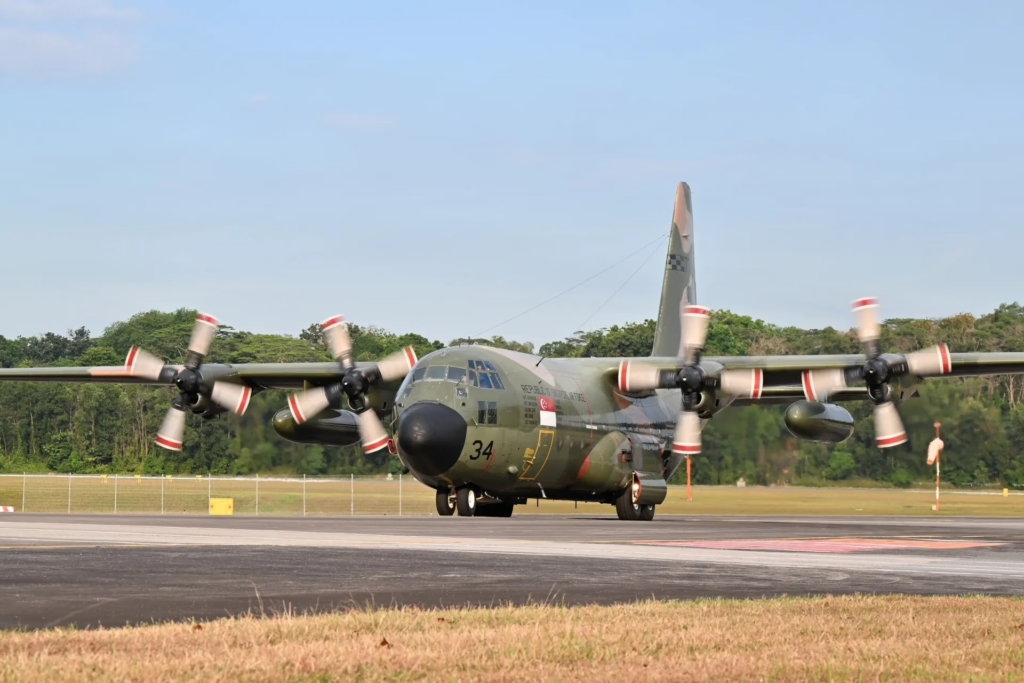
That approach reflects Singapore’s very different operating environment. Its airlift missions are largely regional and predictable, its fleet is exceptionally well supported by domestic industry, and it faces no immediate requirement to operate air transport aircraft under sustained hostile pressure.
For Taiwan, however, extending the life of older Hercules airframes was judged to carry too much operational risk for too little long-term gain. The result is two air forces operating the same aircraft family, but making sharply different choices based on threat perception, urgency, and strategic context.
Featured image: Lockheed Martin