Spirit Airlines to shrink fleet to fewer than 80 aircraft in Chapter 11 restructuring

March 16, 2026
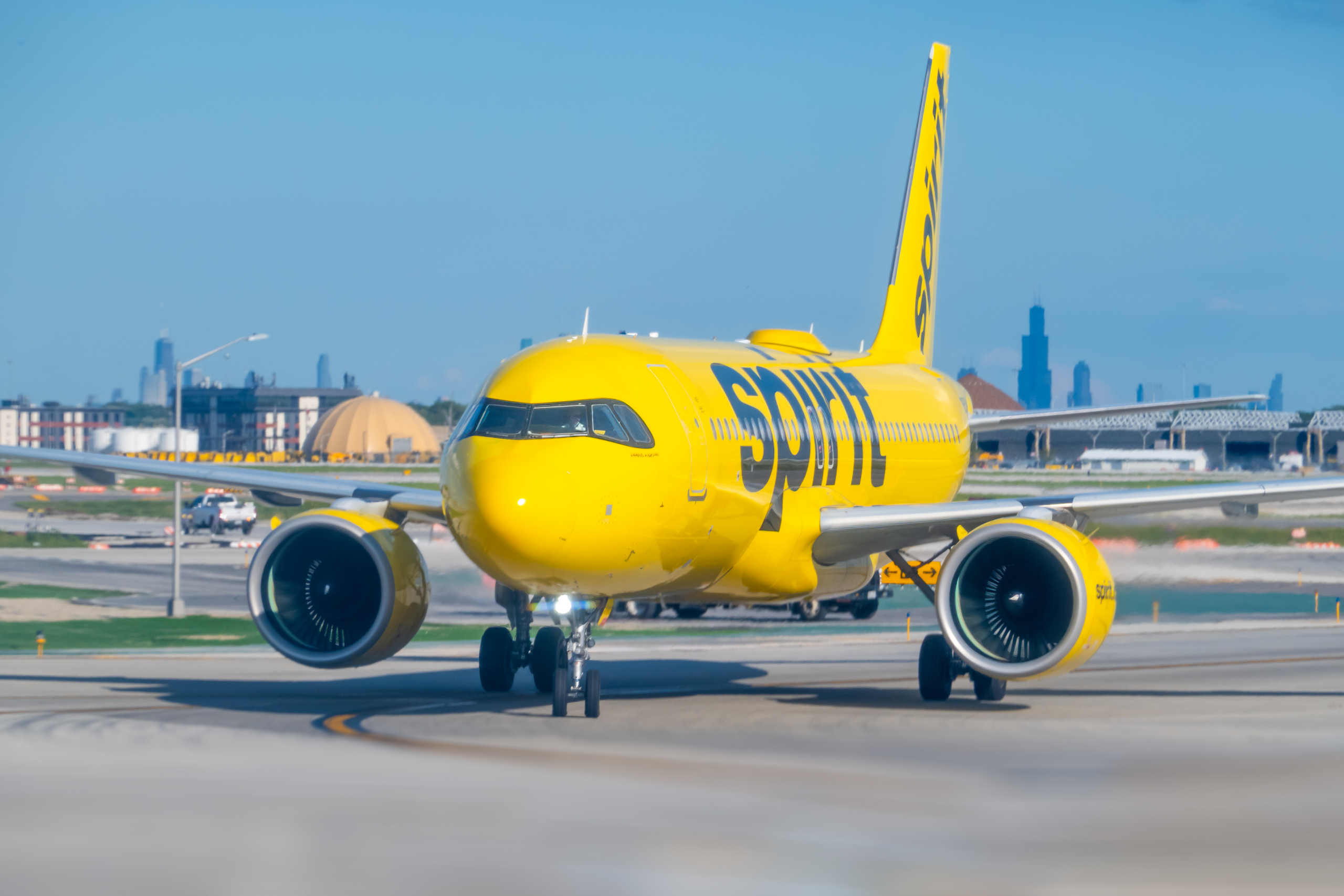
Spirit Airlines, the ultra-low-cost carrier currently attempting to exit Chapter 11 bankruptcy protection, has revealed a further round of cuts as it seeks to ensure its survival.
The latest measures include reducing its fleet even further than previously announced and shrinking its route network as the airline continues to contract to a fraction of its pre-bankruptcy size.
Spirit Airlines to cut fleet to less than 80 aircraft
On 13 March, Spirit Airlines provided investors with an update on its restructuring plan that it hopes will see it exit Chapter 11 bankruptcy in the coming months.
Under the latest plan, Spirit expects to shrink its fleet to between 76 and 80 aircraft by the third quarter of this year, down from 214 aircraft when the airline entered bankruptcy in August 2025.
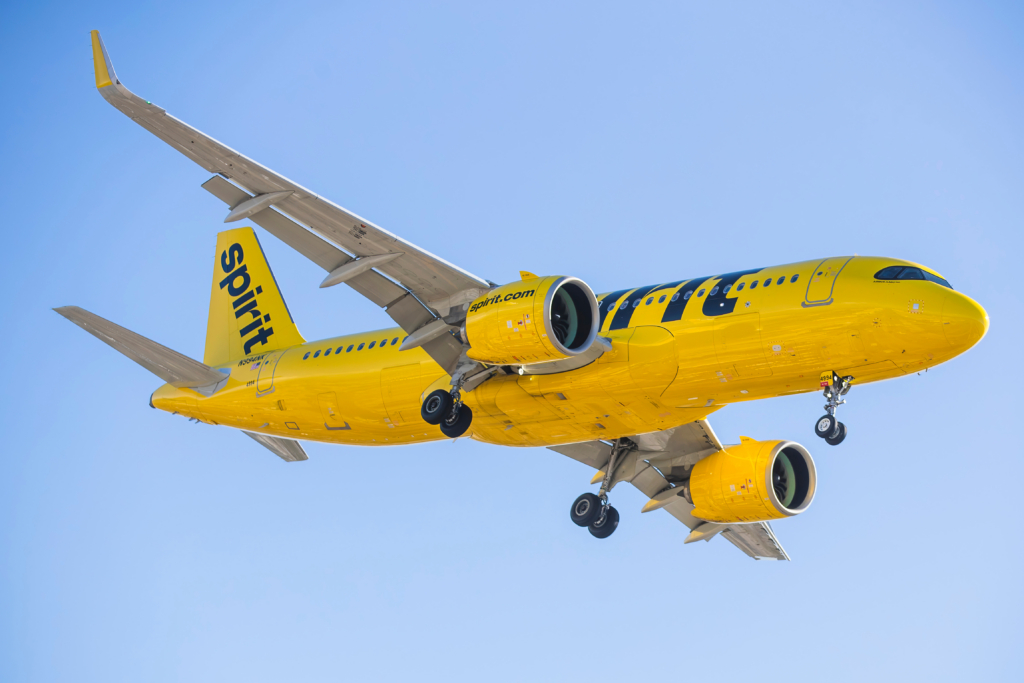
According to Planespotters.net, Spirit’s current fleet stands at around 125 aircraft, meaning the carrier still plans to remove a further 45 to 50 aircraft from its operations.
The airline said the planned reductions would help cut debt and lower operating costs.
“The planned adjustment will further reduce Spirit’s debt, lease obligations and aircraft costs,” the company said in a statement.
Spirit added that it expects to begin expanding its fleet again between 2027 and 2030, in line with profitable growth opportunities.
Along with fleet, Spirit Airlines’ network faces further cuts
A smaller fleet inevitably means fewer routes.
Throughout its Chapter 11 process, Spirit has steadily reduced its network and closed unprofitable bases in an effort to limit losses. During summer 2025 alone, the airline cut around 25% of its flying programme, a period when low-cost carriers typically generate the bulk of their annual revenue.
The restructuring has already resulted in the closure of 11 bases across the United States, including Portland and Oakland on the West Coast and Chattanooga and Birmingham in the east.
More than 21 routes were eliminated as a result of these closures. Of those, 67% faced direct competition from other airlines, highlighting Spirit’s difficulties competing on routes where rivals operate.
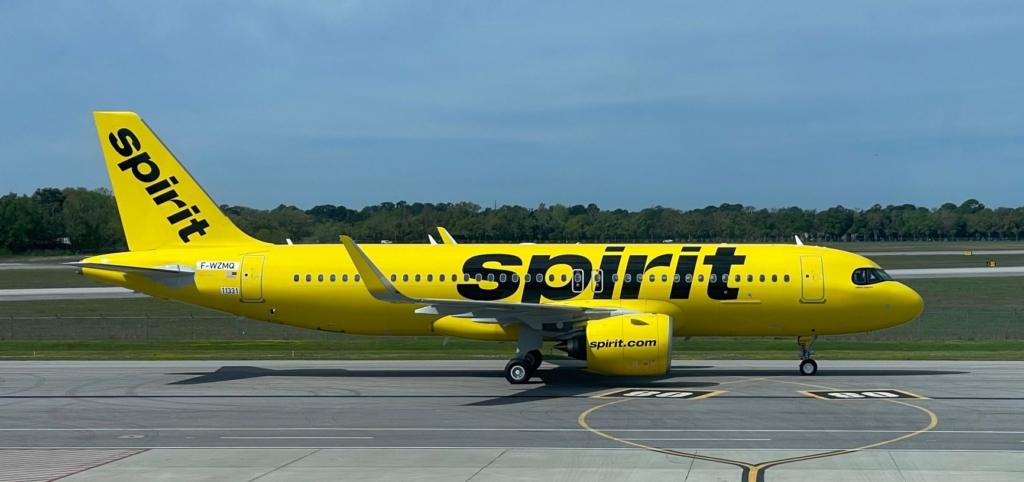
The airline has also scaled back its operations at Las Vegas Harry Reid International Airport, cutting 23 routes over the past year and leaving just 14 remaining from the 37 it operated a year ago.
Available seat capacity from Las Vegas has fallen by around 71% year-on-year.
“Spirit will continue to align its network with consumer demand and focus on its strongest routes and markets,” the airline said.
The company added that it plans to increase aircraft utilisation on peak days, reduce off-peak flying and maintain flexibility to adjust capacity seasonally.
How Spirit Airlines intends to exit Chapter 11
Spirit has previously said it expects to emerge from Chapter 11 restructuring in late spring or early summer, following an agreement in principle with creditors that would dramatically reduce its debt.
Under the plan outlined in the US Bankruptcy Court, the airline expects to cut debt and lease obligations from around $7.4 billion to roughly $2.1 billion.
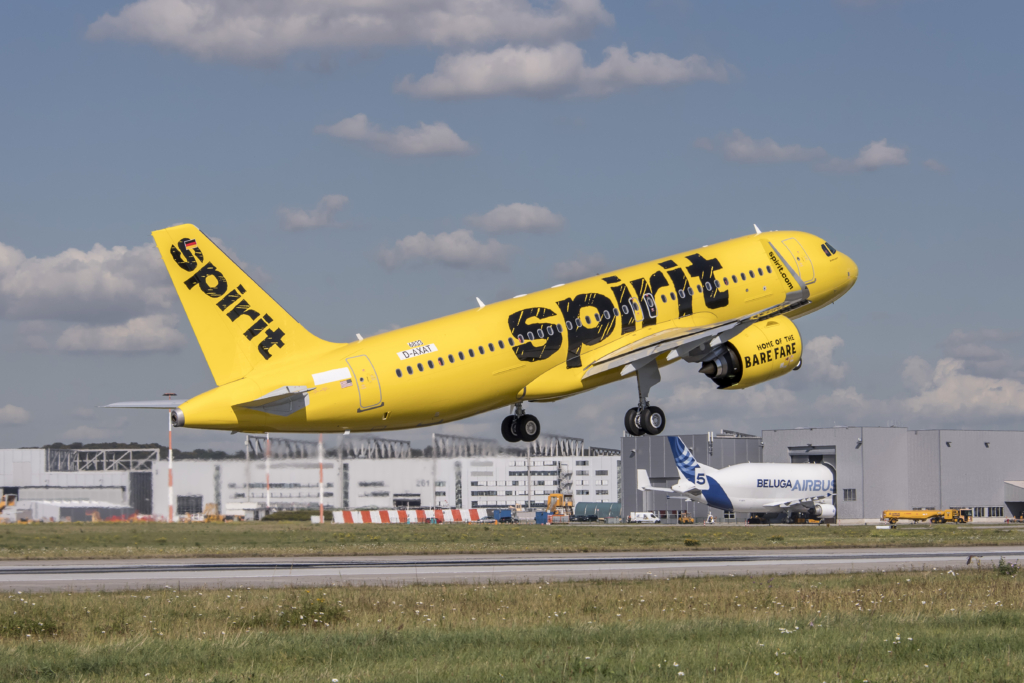
Annualised fleet costs are projected to fall by more than 65% compared with pre-bankruptcy levels, largely due to the steep reduction in the airline’s operating fleet.
As part of the restructuring, Spirit plans to focus operations on a smaller number of core markets, including Fort Lauderdale, Orlando, Detroit and the New York City area.
Another element of Spirit’s recovery plan involves expanding higher-yield cabin products.
The airline said it will continue rolling out its Spirit First and Premium Economy offerings, including the addition of a third row of the carrier’s “Big Front Seat”.
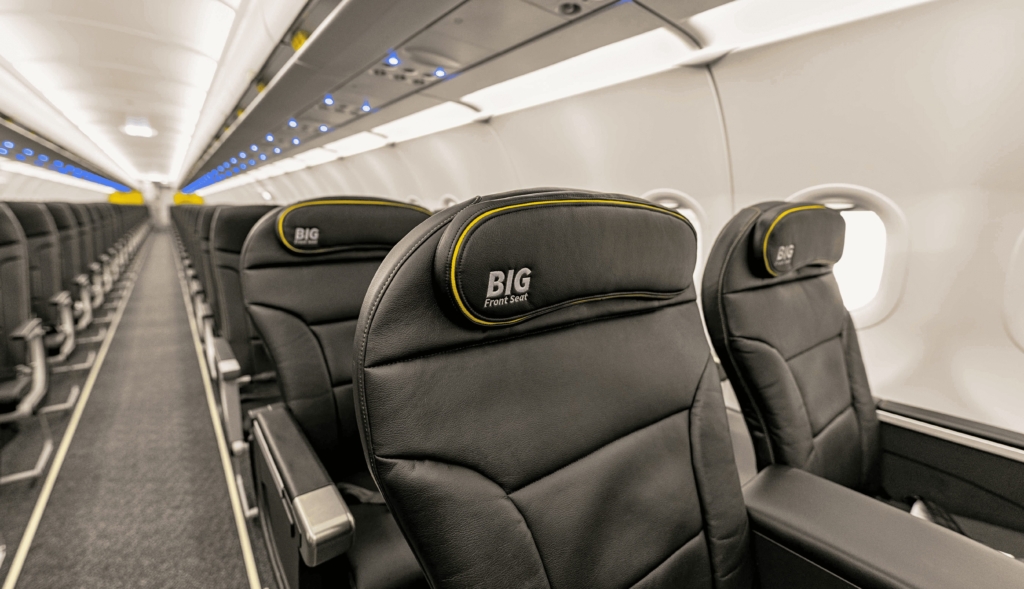
While Spirit built its business on dense single-class aircraft with extremely low fares, increased competition from US legacy carriers has forced the airline to adapt its model.
Full-service airlines have increasingly moved into Spirit’s traditional markets with a wider range of cabin options and fare bundles, making it harder for the ultra-low-cost carrier to compete purely on price.
Before entering Chapter 11, Spirit began shifting its strategy to attract higher-spending passengers while maintaining its low-cost identity.
“Spirit intends to expand its Spirit First and Premium Economy products… while continuing to lead the industry on price and focus on value,” the airline said.
Spirit to come back to a very different market
pirit now expects to emerge from Chapter 11 as a far smaller airline, operating a reduced fleet primarily made up of older Airbus A320ceo and A321ceo aircraft across a more limited route network.
Chief executive Dave Davis has described the strategy as creating a “strong, leaner competitor.”
However, with a significantly smaller fleet and network, analysts are already questioning the airline’s long-term prospects.

The restructuring also comes at a time of increasing volatility in aviation fuel prices due to the conflict involving Iran and the wider instability in the Middle East.
Sharp swings in fuel prices could introduce further uncertainty into Spirit’s recovery plans.
If rising fuel costs lead to higher fares or reduced passenger demand, the airline’s fragile restructuring efforts could face additional pressure just as it attempts to exit bankruptcy protection.
For now, Spirit’s future depends on whether the dramatically smaller airline emerging from Chapter 11 can compete effectively in a US domestic market dominated by larger and better-capitalised carriers.
Featured image: oasisamuel / stock.adobe.com