Singapore Airshow at 10: Asia-Pacific’s rising aerospace and defence influencer

February 3, 2026
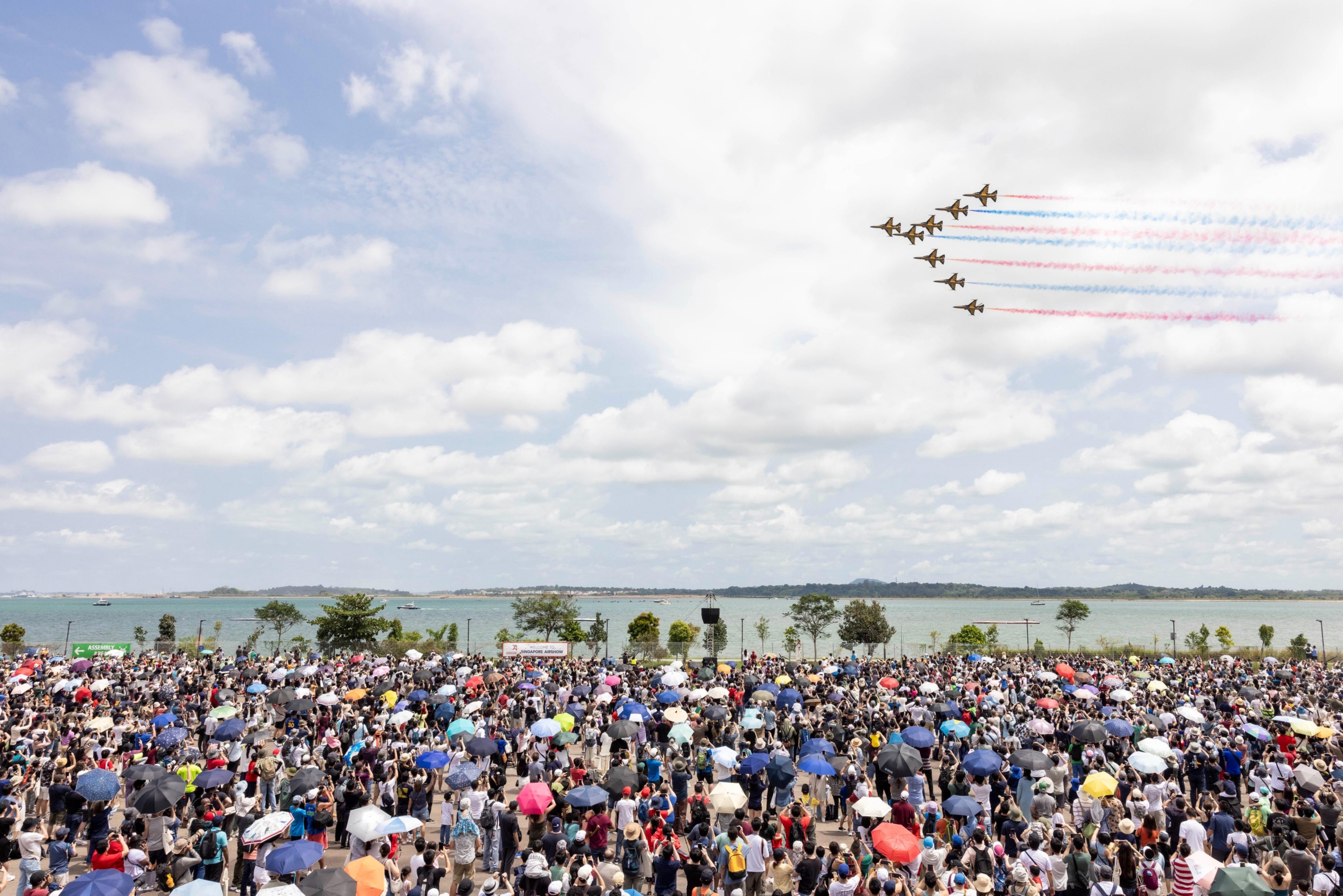
As the Singapore Airshow opens its 10th edition, the milestone is about far more than longevity. Two decades after the event’s launch, Singapore Airshow has become a barometer for how aerospace, defence and space are evolving, and for the increasingly central role Asia-Pacific now plays in that transformation.
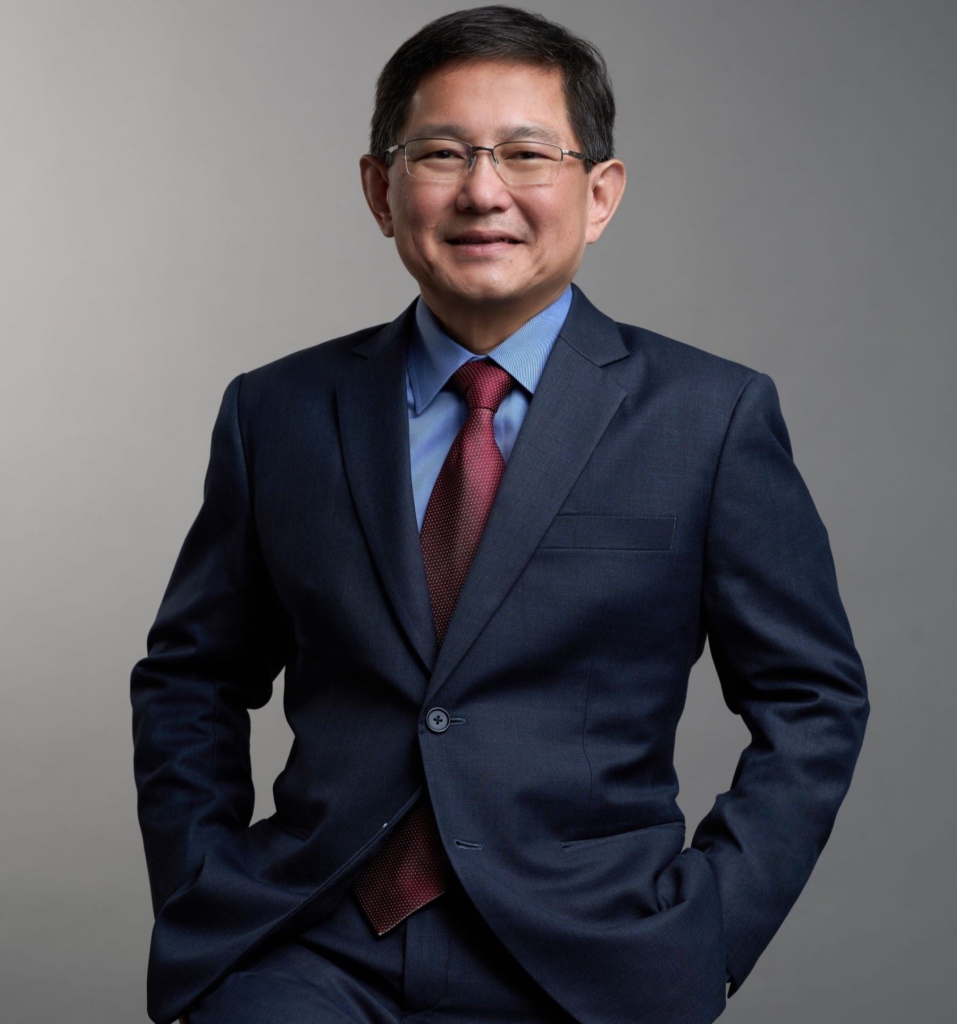
Leck Chet Lam, Managing Director of Experia Events, which runs the airshow, tells AGN that the most visible change over the past decade has been the widening of the ecosystem the airshow now convenes.
“The ecosystem has broadened significantly over the past decade, bringing together a far more diverse and global mix of participants to Singapore Airshow,” he says. What was once a more conventional trade exhibition has matured into something more strategic.
“Government and military delegations now engage in deeper conversations about capability development and technology partnerships,” Lam added.
Record participation underscores Singapore Airshow’s importance
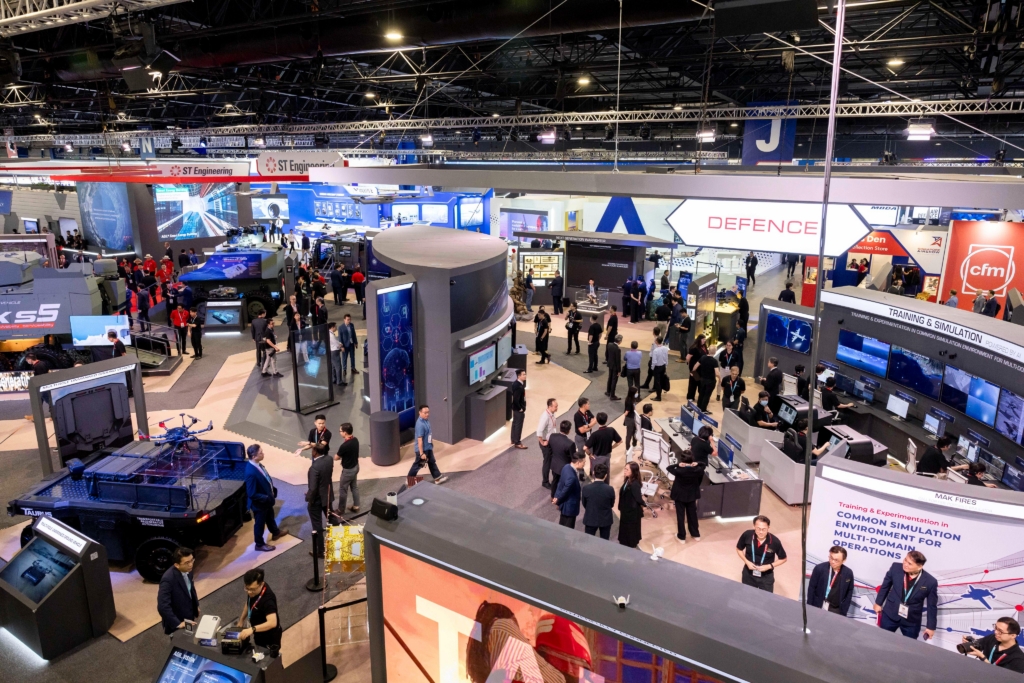
The scale of Singapore Airshow in 2026 provides tangible evidence of that evolution. More than 1,000 companies from over 50 countries and regions are participating this year, supported by 16 national pavilions representing the largest total pavilion floor space in the show’s history.
For Lam, those numbers are inseparable from the region’s growing geopolitical and industrial importance.
“This year’s milestone 10th edition is a strong reflection of the industry’s evolution,” he says. “I believe this growing depth and breadth of global participation is a strong reflection of the industry’s evolution and of Asia-Pacific’s increasingly central role as a hub for innovation, collaboration and long-term growth in aerospace and defence.”
That context matters. Defence spending across the region continues to rise, supply chains are being reshaped by strategic competition, and governments are seeking partners that can offer resilience as well as capability. Singapore’s position as a neutral, well-connected convening point has only strengthened the airshow’s relevance.
Multi-domain operations shape the exhibitor mix at Singapore Airshow
The composition of the exhibition floor itself tells a story about how defence and security thinking has shifted.
“What’s particularly telling is the nature of companies taking part,” Lam says. “Multi-domain operations are no longer a theoretical construct; they’re becoming an operational reality.”
Companies that once operated in clearly defined silos are now presenting integrated offerings spanning air, land, sea, space and cyber. That convergence is mirrored by the growing presence of autonomy, uncrewed systems and digital technologies, which are no longer adjuncts to traditional platforms but core enablers.
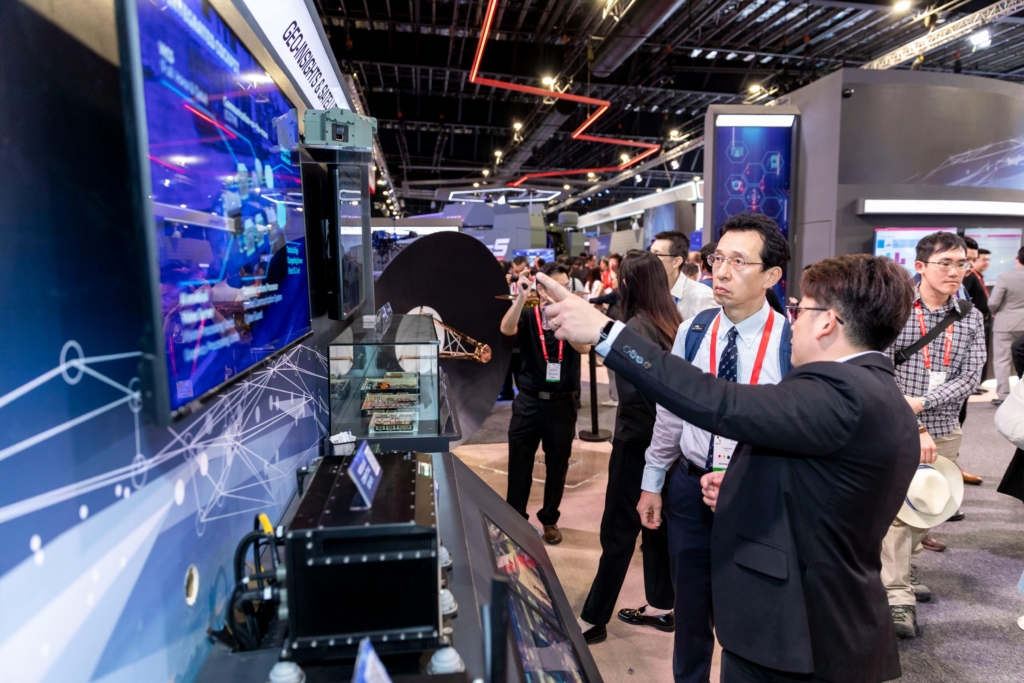
“The exhibitor mix has also broadened beyond traditional aerospace and defence players to include artificial intelligence, quantum technologies and sustainable aviation innovators,” Lam notes.
This breadth reflects how future capability is being shaped as much by data, autonomy and energy transition as by airframes and engines, a theme echoed by the prominence of uncrewed aerial systems and next-generation technologies across the show.
Singapore’s Space Summit reflects accelerating commercial and strategic momentum
One of the most significant programme additions at Singapore Airshow 2026 is the introduction of a dedicated Space Summit, signalling how firmly space has moved into the strategic mainstream.
“The introduction of the Space Summit is a natural evolution for us,” Lam says. “Space has always been part of the broader aerospace conversation, but the sector’s momentum, particularly in commercial space, in recent years has reached a point where it deserves dedicated focus.”
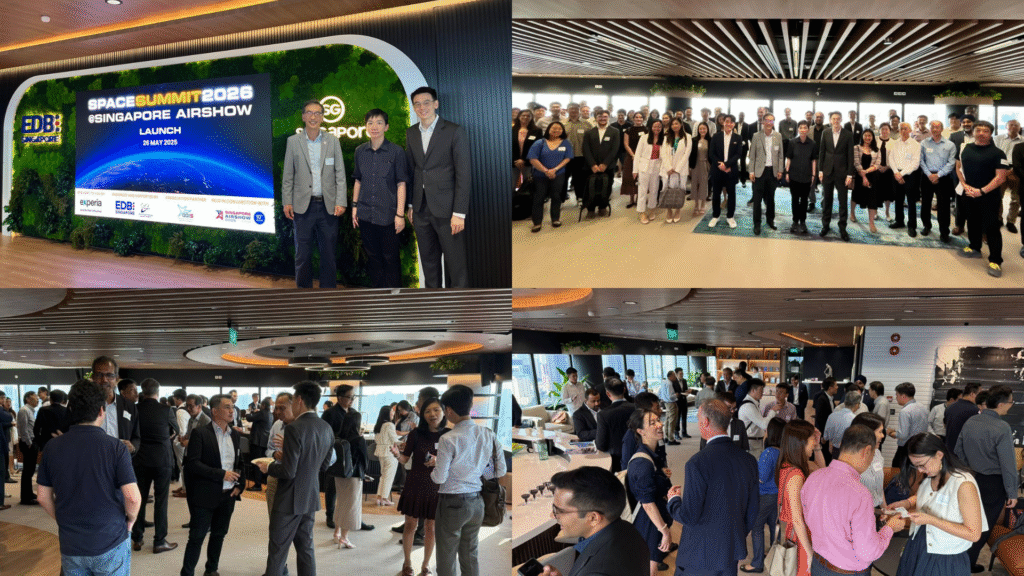
Governments are increasingly prioritising space for communications resilience, intelligence and navigation, while commercial operators continue to lower barriers to entry. Singapore, too, is sharpening its focus in this domain.
“While Singapore’s space sector is developing, this creates opportunities for meaningful dialogue,” Lam explains. The Summit is intended to provide a forum where “government, industry and innovators can engage on what matters to further in-space capabilities.”
Crucially, the emphasis is on connection rather than abstraction. “Our goal is to facilitate those conversations and help connect the dots between technology providers and potential partners, between regional players and global operators.”
Putting on an airshow next door to one of the world’s busiest airports is a challenge
While much of the attention focuses on strategy and technology, the execution of Singapore Airshow remains a logistical feat in its own right. Staged adjacent to Changi Airport, one of the world’s busiest international hubs, the event demands meticulous planning and inter-agency coordination.
“The coordination behind every display is more complex than it appears,” Lam says. For the 2026 edition, ongoing expansion projects at Changi added further complexity, requiring even tighter collaboration to ensure safety without disrupting airport operations.
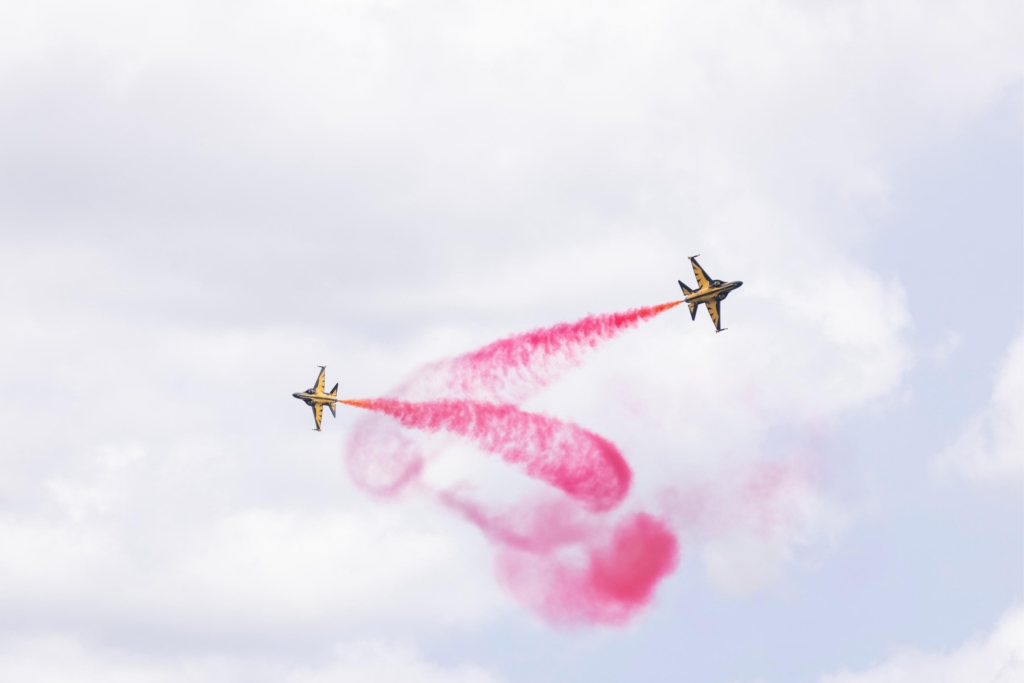
“What most people don’t see is what happens before the aircraft even arrive at the show ground,” Lam explains. “While flying display teams typically arrive during daylight hours, static display aircraft come in the middle of the night to avoid disrupting commercial air traffic.”
To get the aircraft where they need to be, ground routes have to be carefully planned. Roads are closed, lampposts and other obstacles removed, and lines of communication between the event planners, Changi Airport and the Civil Aviation Authority of Singapore have to be closely maintained.
“Everything from wingspan to ground clearance gets analysed to ensure safe passage,” Lam adds, noting that “The coordination between agencies is really what makes it work.”
Singapore Airshow: Shaping where the industry goes next
Looking beyond the 10th edition, Lam is clear that Singapore Airshow’s ambitions extend well past scale or spectacle.
“For Singapore Airshow, the goal has always been to shape where the industry is headed,” he says. Curated programmes, emerging technology platforms and targeted dialogue are all designed to deliver immediate value while influencing longer-term direction.
“We’ll continue deepening the platform we’ve built,” Lam concludes, “listening, adapting and responding to the needs of the industry for future editions.”
Featured image: Singapore Airshow