Senators push Trump’s DOT to reconsider airline compensation rule: What’s at stake?

October 29, 2025
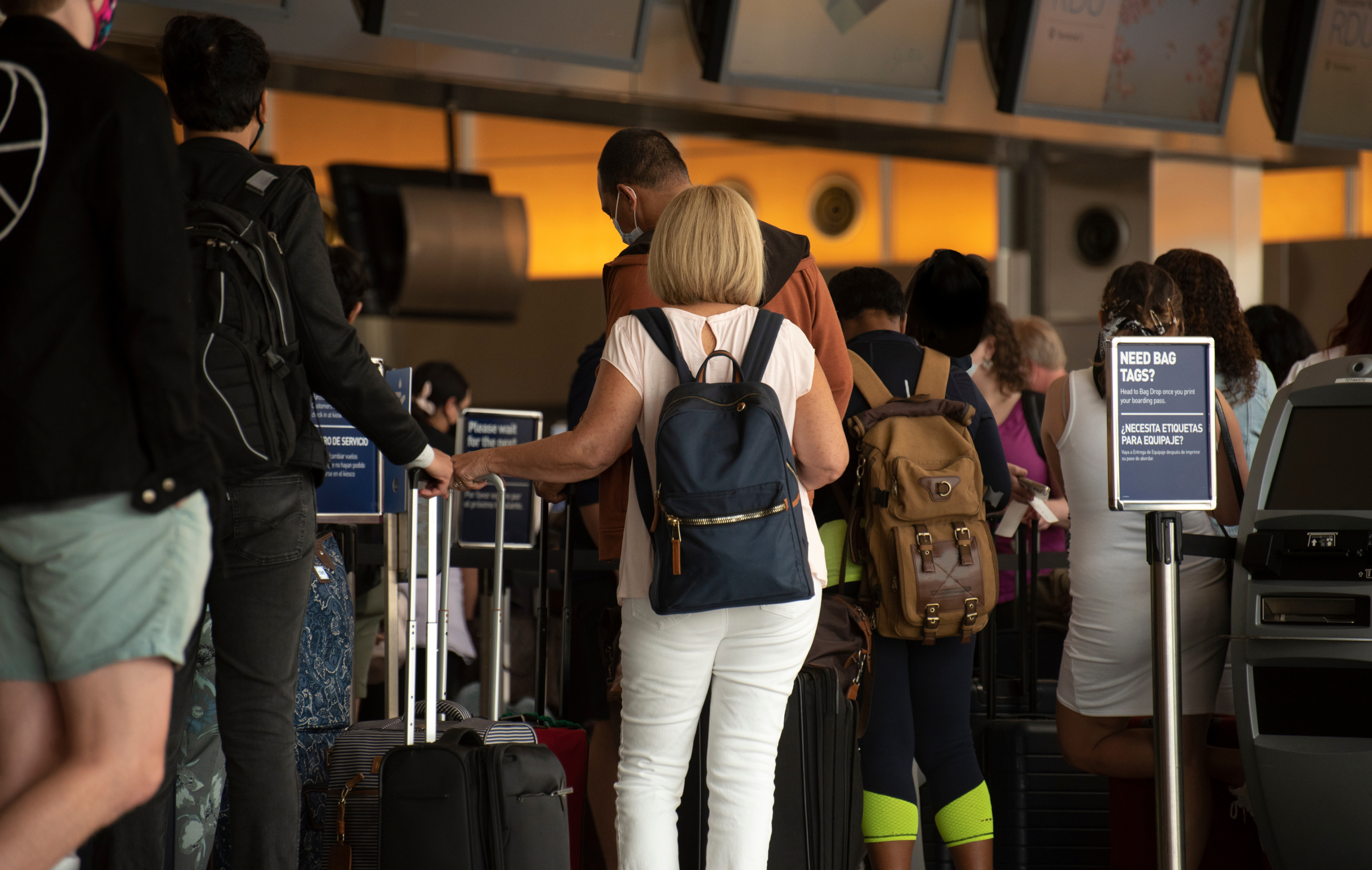
A group of 18 Democratic senators has urged the United States Department of Transportation (DOT) to reverse its decision to abandon a proposed Biden administration rule that would have required airlines to automatically pay cash compensation to passengers when the carrier is responsible for flight disruptions.
“This is a common-sense proposal: when an airline’s mistake imposes unanticipated costs on families, the airline should try to remedy the situation by providing accommodations to consumers and helping cover their costs,” the senators wrote in their letter to the DOT, as reported by Reuters.
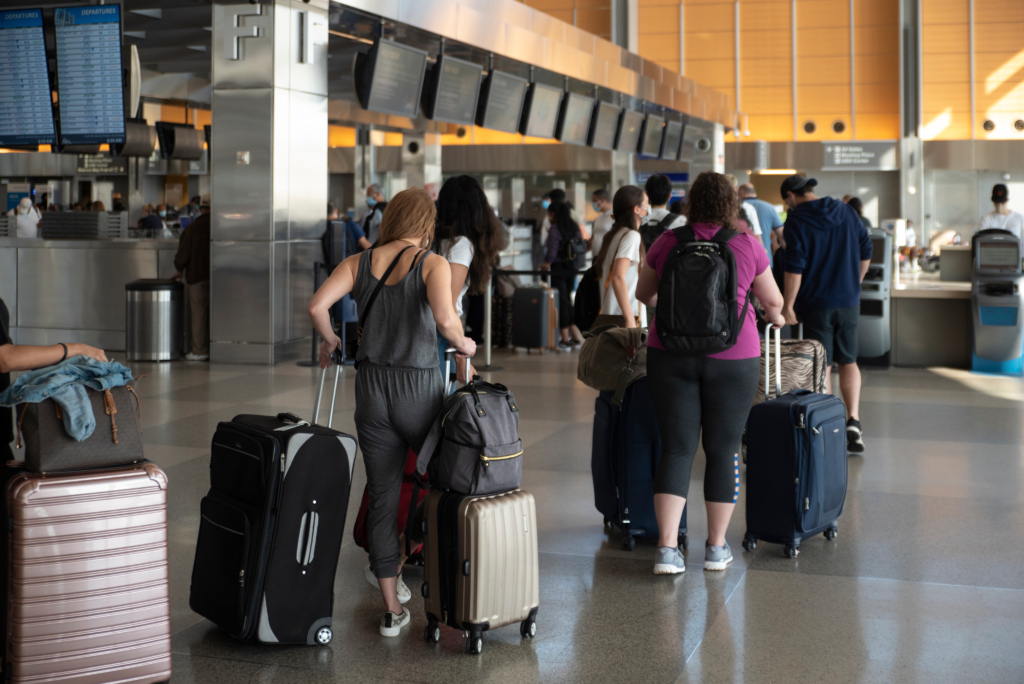
The passenger compensation proposal—first launched under DOT Secretary Pete Buttigieg—would have required cash payments of up to $775 for lengthy delays caused by airlines. However, the DOT has since announced it will withdraw the rulemaking, shifting its focus to enforcement of existing refund rules rather than establishing new automatic compensation payments.
Why the policy shift matters to US travellers
The withdrawal means that, unlike passengers in Europe or Canada, American travellers still have no statutory right to compensation for airline-caused delays. They are entitled only to refunds when a flight is cancelled or significantly changed and they choose not to travel.
Consumer advocates argue that without financial consequences for airlines, there is less incentive for carriers to invest in reliability and infrastructure. The absence of such obligations places the burden of disruption on travellers.

US airlines and their trade group, Airlines for America (A4A), have objected to the proposed rule. In one statement, A4A argued:
“A4A member carriers abide by—and frequently exceed—DOT regulations regarding consumer protections. The 11 largest U.S. passenger airlines issued $43 billion in customer refunds, $900 million per month, between January 2020 and December 2023, in addition to issuing other forms of compensation.”
The issue strikes at the heart of how airlines and passengers share operational risk. Without automatic cash compensation, the cost of disruptions—from hotel stays to missed events—typically falls on travellers rather than carriers. The senators argue this is an issue of fairness to consumers and accountability for airlines.
How US passenger rights compare internationally
In several international jurisdictions, statutory compensation rules already exist for airline-caused delays and cancellations.
For example, in the European Union, Regulation (EC) No 261/2004 requires cash payments of €250 to €600 for flight delays of three or more hours when caused by the airline’s fault. The exact amount payable depends on the flight distance. Passengers also have the right to meals, accommodation, and rerouting.

In Canada, the Air Passenger Protection Regulations impose tiered compensation ranging from C$125 to C$1,000 for “controllable” delays or cancellations unrelated to safety, depending on the carrier’s size and the length of the delay.
By contrast, in the United States, airlines are not legally required to pay cash compensation for controllable delays. The proposed USDOT rule would have marked the first federal attempt to codify such payments; its removal leaves the US among the few major aviation markets without that baseline right for passengers.
Implications for airlines, regulators and passengers
For airlines, the decision to withdraw the proposed rule reduces immediate regulatory cost exposure—but it may also increase pressure from consumer advocates, legislators and international travellers who compare U.S. protections unfavourably with global peers. For regulators, the move signals a recalibration of consumer-protection priorities, emphasising enforcement rather than expansion of rights.
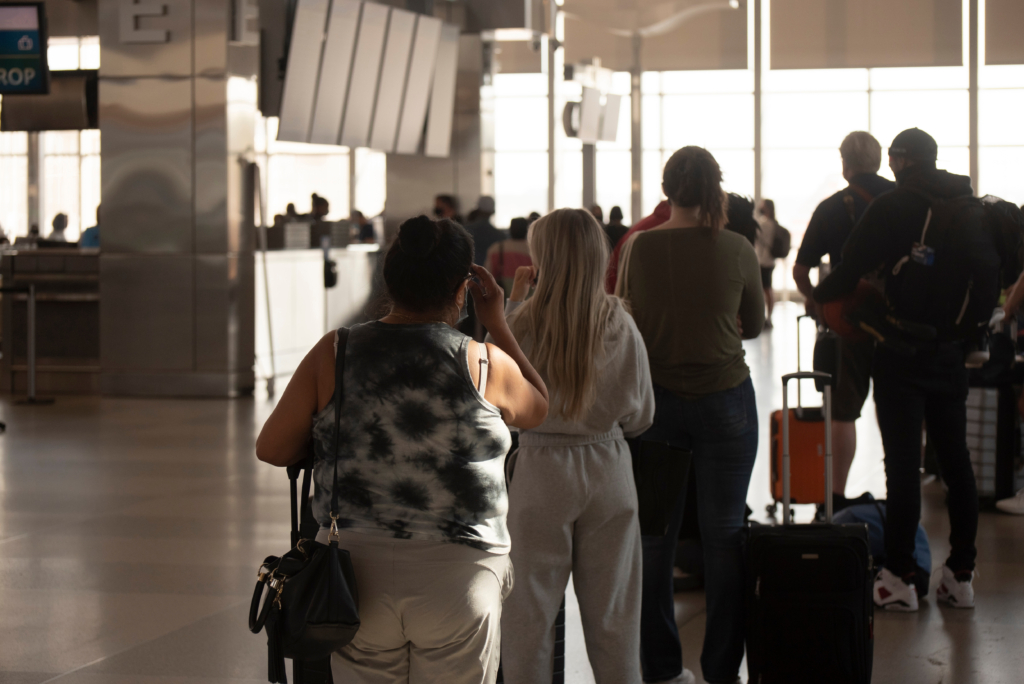
For passengers, the absence of a cash compensation regime means more of the burden of disruption risk falls on the traveller rather than the carrier. Operational failures—due to staffing, maintenance or IT issues—can still cause passengers to incur out-of-pocket costs for accommodation, meals, missed events or rebooking without guarantee of automatic redress.
The inclusion of the airline industry’s objection adds dimension: A4A welcomed the DOT’s decision to withdraw the rule, saying they “are encouraged by this Department of Transportation reviewing unnecessary and burdensome regulations that exceed its authority and don’t solve issues important to our customers.”
The senator’s letter reflects a strong sentiment to improve US air travel consumer rights. Whether the DOT or Congress will revisit mandatory compensation is uncertain.
Featured Image: Sharkshock | stock.adobe.com