Pilot training in 2026: How AI, VR and data are reshaping the industry

February 20, 2026
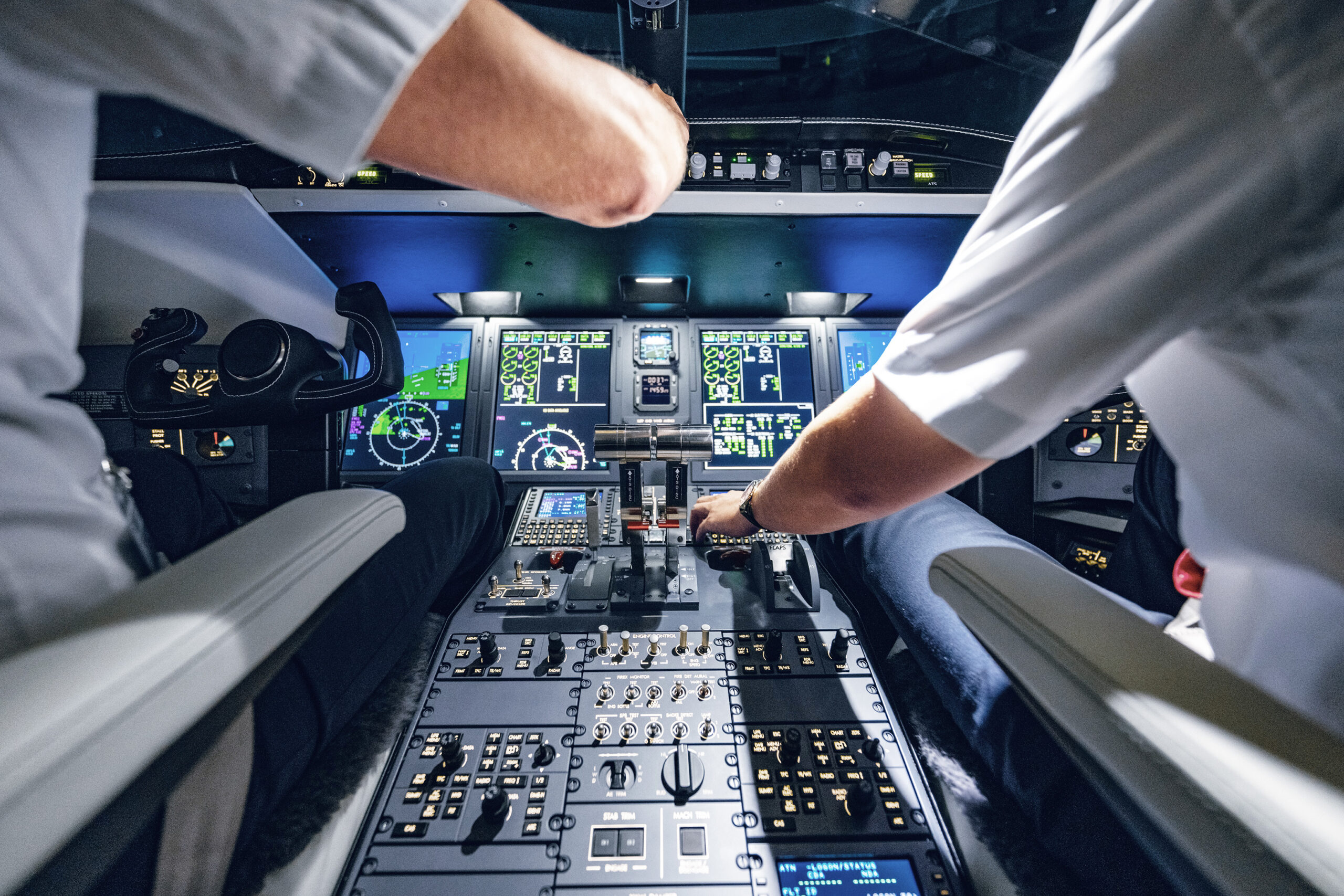
As airlines expand fleets and recruitment pipelines, technological innovation is set to transform how pilots are trained, assessed and prepared, not by replacing full flight simulators, but by surrounding them with intelligent, data-driven systems.
Pilot training has always evolved in step with aircraft technology. From analogue cockpits to fly-by-wire, from glass displays to synthetic vision, the classroom and the simulator have adapted accordingly. But 2026 feels different.
According to Christian Theuermann, Executive Board Member at Axis Flight Simulation, the pace of change is accelerating.
“I’m convinced it will come, and it will come like a storm,” he tells AGN. “You have to be ready for these new technologies.”
The next phase of innovation is not centred on a new aircraft type or a breakthrough in simulator hardware. Instead, it is about creating a digitally connected training ecosystem, one that begins at home, continues in the simulator and ends with AI-supported performance analysis.
How VR and mixed reality are changing pilot training
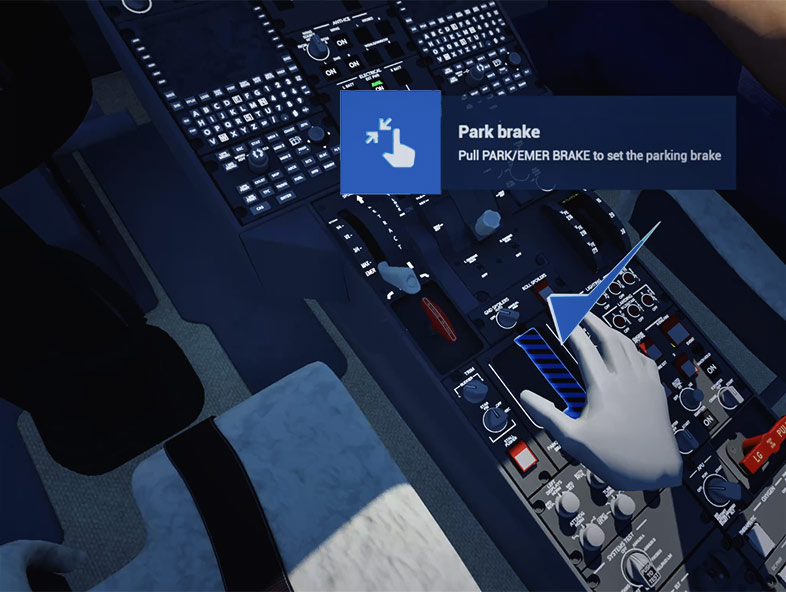
In 2025, Axis expanded its portfolio to include VR tablet trainers, system familiarisation tools and AI-supported debriefing solutions, reflecting what Theuermann describes as a noticeable shift in customer demand.
“We are seeing a clear shift from older approaches to newer ones,” he explains. “That means using more advanced technologies such as mixed reality and AI-based tools.”
Rather than relying solely on classroom instruction and printed manuals, pilots can now rehearse procedures remotely using tablet-based or VR systems. Walk-around inspections, cockpit familiarisation and system flows can be practised before arriving at the training centre.
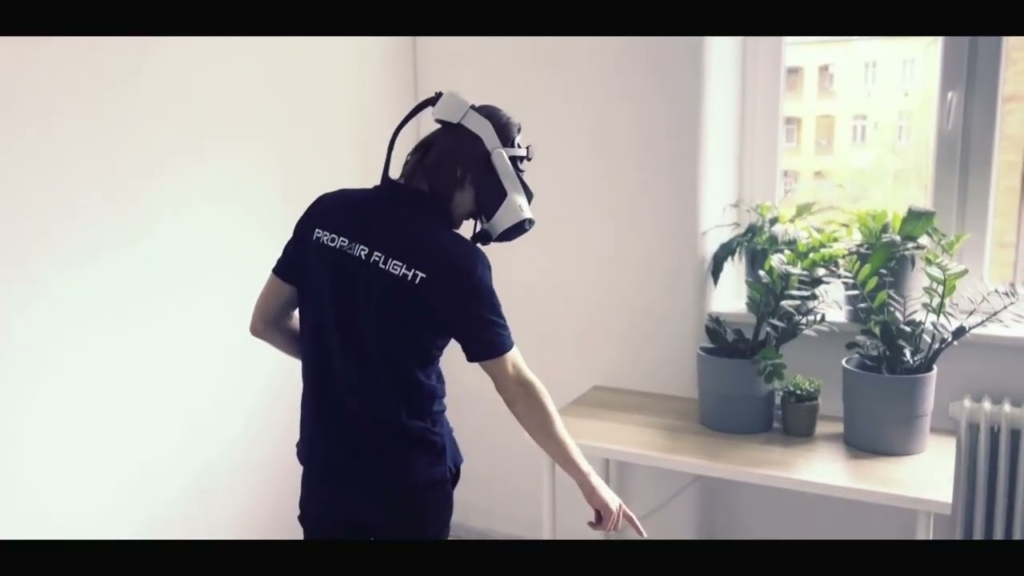
Theuermann sees this as central to training efficiency.
“Pilots can practise procedures and prepare for the simulator remotely on a tablet, so they arrive at the training centre better prepared,” he says. “That makes them more efficient during the course and in the simulator itself.”
That matters in an industry still grappling with pilot shortages in certain regions and rapid capacity growth in others.
“This technology supports the entire training syllabus,” he adds. “It does not replace the full flight simulator, but it complements it and can help reduce the time required in the simulator.”
The message is clear: the simulator remains central, but it no longer stands alone.
AI-powered debriefing for more effective flight simulator training
If immersive preparation is the front end of this transformation, artificial intelligence is rapidly becoming the analytical engine behind it.
Axis’s AI-supported debriefing tool automatically compares a pilot’s performance during simulator sessions against defined procedural standards.
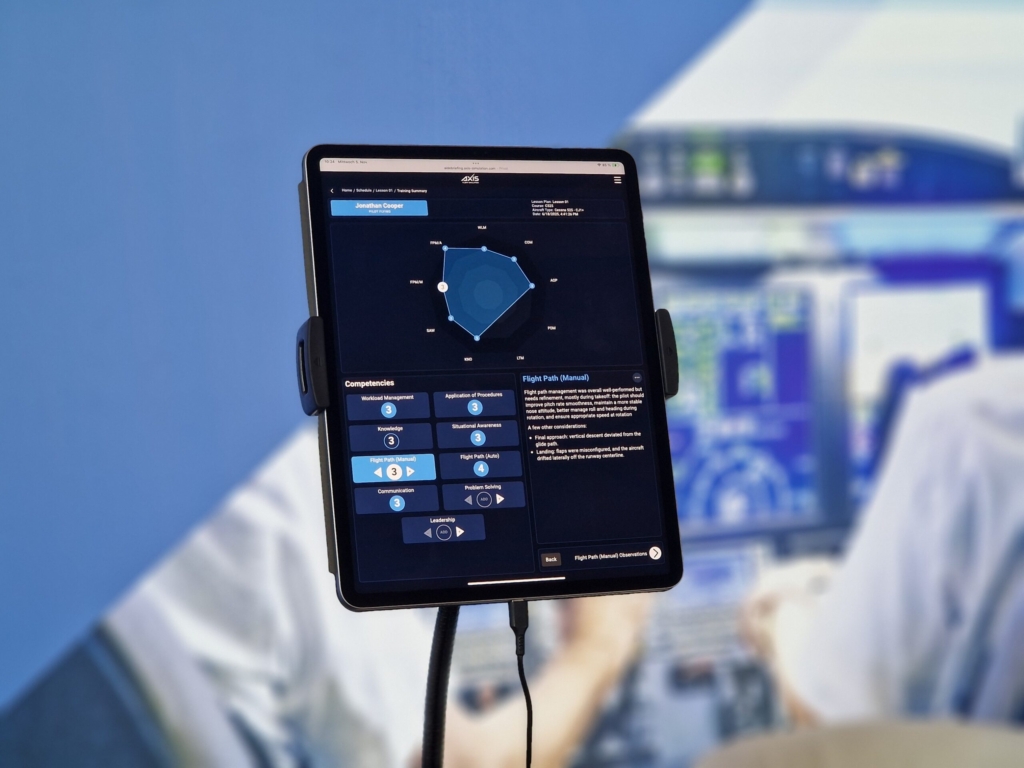
“Our AI debriefing solution understands how a manoeuvre should be flown and automatically compares that with how the pilot actually performed it,” Theuermann explains. “As more pilots complete the same training, the system learns how approaches are typically flown across the industry.”
The result is structured feedback supported by data, benchmarking and trend analysis.
“The system generates an assessment and suggests a rating,” he says. “But the instructor always has the final say and can override it.”
That human override is critical. In aviation, automation may assist, but it does not replace professional judgment. As a bonus, the system also reduces administrative burden for instructors.
“At the end of the session, a report is generated automatically,” says Theuermann. “This reduces paperwork for the instructor and improves overall efficiency.”
In an evidence-based training environment, such tools offer the possibility of focusing time where it matters most.
“There is no point repeatedly training what a pilot already does well,” he notes. “It makes more sense to concentrate on areas where performance can be improved.”
Why training efficiency matters for airlines and flight simulators in 2026
The business case underpinning this digital shift is difficult to ignore.
Full flight simulators are capital-intensive assets. They require certified instructors, infrastructure and tightly managed schedules. Any incremental gain in efficiency quickly scales across fleets and training centres.
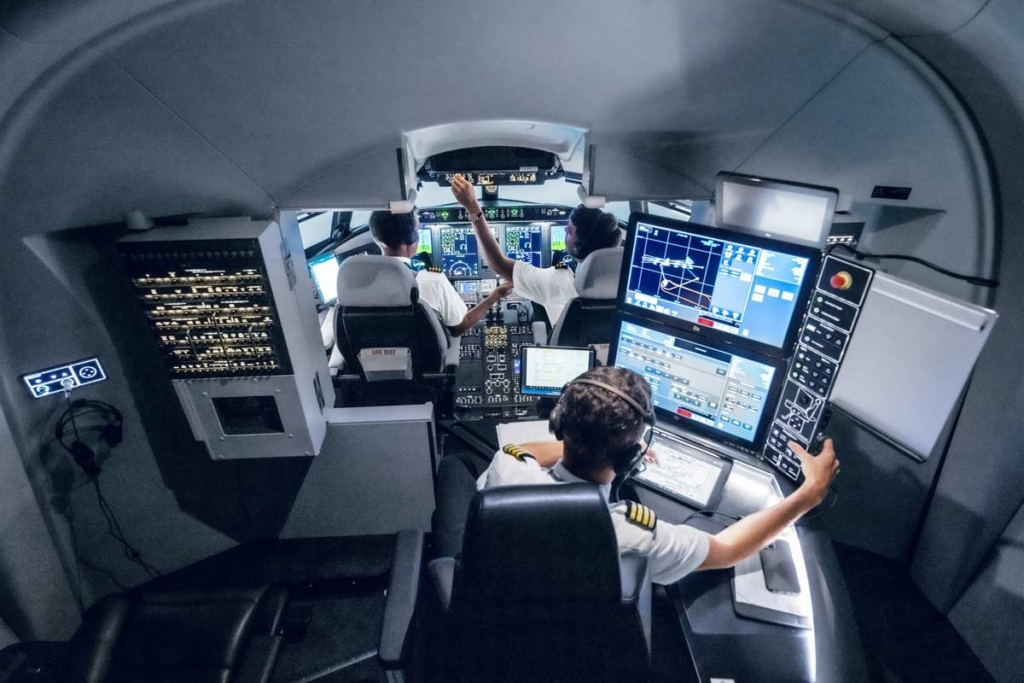
Remote preparation reduces on-site time. AI-driven analysis cuts paperwork. Data-informed remediation prevents blanket retraining of already mastered skills.
Theuermann believes the impact will unfold gradually.
“It will not happen overnight,” he says. “But the important thing is to begin and to integrate these technologies step by step.”
In that sense, 2026 may be less about breakthrough announcements and more about steady integration.
Digital-native pilots are driving innovation in flight training
There is also a cultural dimension to this transformation.
“The new generation is not particularly interested in learning from manuals alone,” Theuermann observes. “They are used to mobile devices. That is the world they live in.”
For training providers, that shift in expectations is impossible to ignore.

“They expect interactive training,” he continues. “Web-based and tablet-based tools, system familiarisation trainers, not just reading from a book.”
That generational change is not merely stylistic. It influences engagement, retention and preparation quality.
“If you want to remain successful as a training provider, you have to address this target group,” he says. “And this group is becoming larger every year.”
How regulators are approaching AI and VR in pilot training
Innovation in aviation rarely outpaces regulatory oversight.
“In aviation, we tend to move carefully,” Theuermann admits. “But these technologies will come.”
Authorities are engaging more actively with AI and mixed-reality tools. While full credit for certain technologies may not yet be granted, dialogue is increasing.
“Regulators are open and increasingly interested,” he says. “These topics are now on their agenda.”
Acceptance, however, requires trust, particularly around data use.
“Pilots often ask what happens to their data,” Theuermann notes. “If you explain it clearly and ensure compliance with data protection rules, they understand.”
Data protection compliance and transparency will remain essential as AI becomes more deeply embedded in training workflows.
Eye tracking and biometrics: the next step in pilot training technology
Beyond analytics lies an even more exploratory domain: biometric insight.
In VR environments, eye and hand tracking are already technically possible. In full flight simulators, implementation is more complex.
“We are considering adding eye tracking,” Theuermann says. “But we are still evaluating how best to implement it in a practical and acceptable way.”
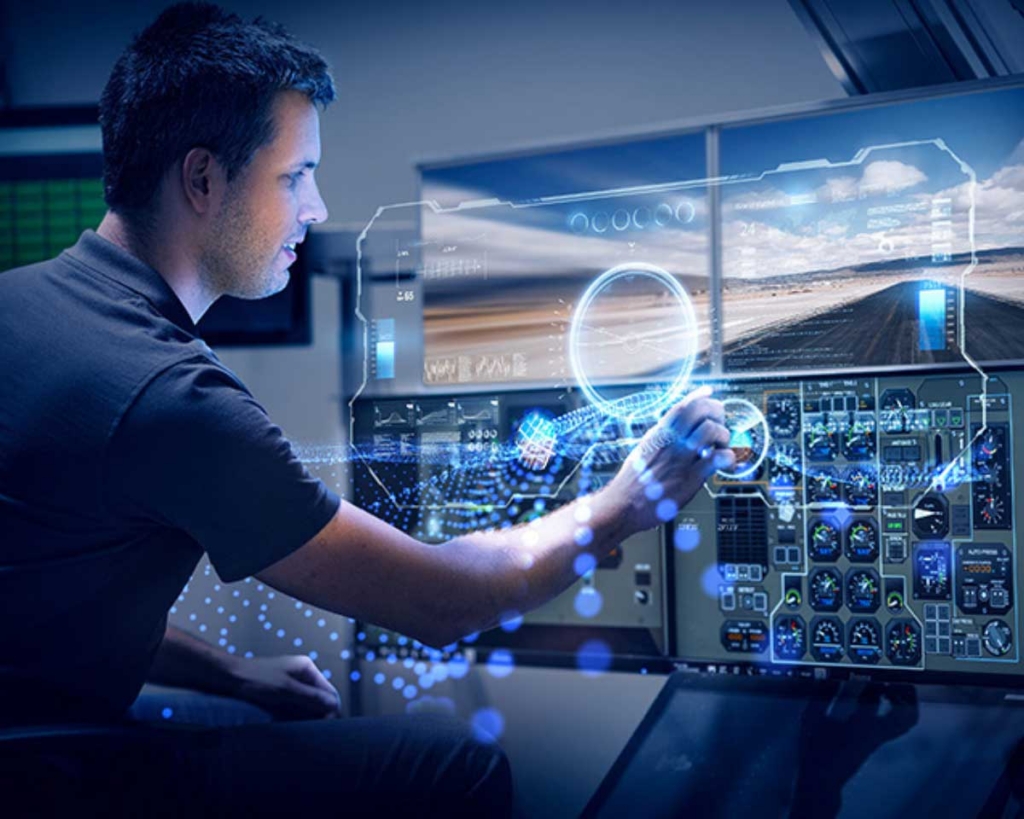
The potential applications are significant, from monitoring scan discipline to analysing workload under stress. Yet cultural acceptance may prove as challenging as technical integration.
As with AI analytics, aviation’s approach will likely be incremental.
AI and VR will not replace the full flight simulator
Throughout the conversation, one theme remains consistent: innovation is additive, not disruptive.
“We can collect better data, understand how pilots are operating and feed that back into our development teams,” Theuermann says. “That helps us improve our full flight simulator models and systems.”
Artificial intelligence supports instructors rather than replaces them. VR prepares pilots rather than substitutes for certified training. Data enhances judgment rather than overrides it.
For an industry built on discipline and incremental improvement, that balanced evolution may be precisely what 2026 demands.
If 2025 was about experimentation and rollout, 2026 may well mark the year digital-first pilot training becomes embedded architecture rather than an optional enhancement.