Pakistan pushes PIA privatisation into open auction as Arif Habib emerges as frontrunner

December 23, 2025
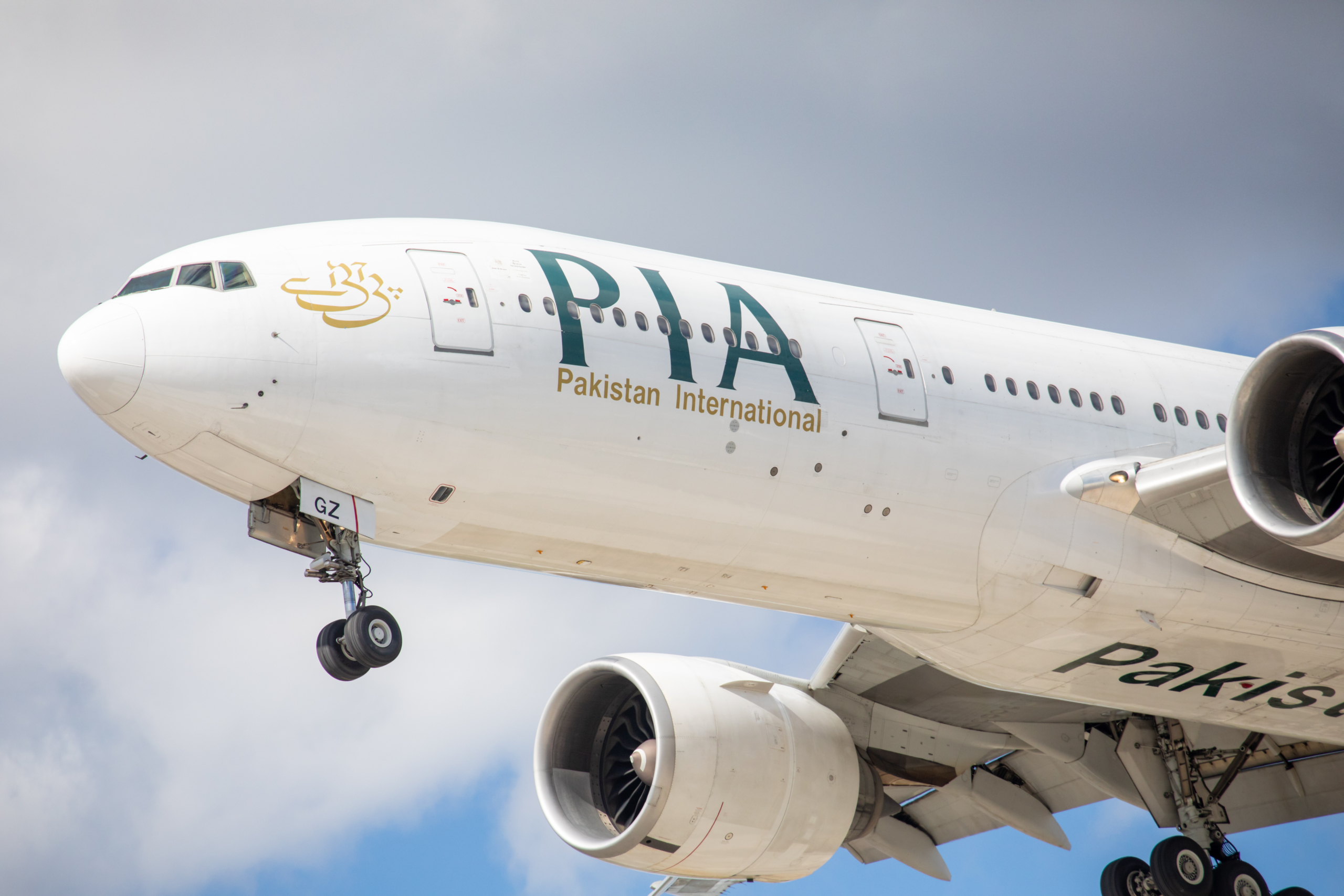
Pakistan’s long-delayed effort to privatise Pakistan International Airlines moved into a decisive phase on December 23, as the government opened first-round bids for a 75% stake in the national carrier. But after bids were revealed, Pakistan’s Ministry of Privatisation announced that the process would move to an open auction between the two highest bidders, leaving the final outcome unresolved.
Three pre-qualified bidders submitted sealed offers in a publicly televised session, marking Pakistan’s most serious attempt in nearly two decades to offload one of its most politically sensitive and financially troubled state-owned enterprises. By the end of the opening round, however, the field had effectively narrowed, with one consortium emerging as a clear frontrunner.
Bids were finally revealed, an hour later than planned, showing that the consortium led by Arif Habib Corporation submitted the highest bid at PKR115 billion ($410 million), comfortably clearing the government’s reserve price and setting the benchmark for subsequent negotiations.
A rival group led by Lucky Cement offered PKR101.5 billion ($360 million), while AirBlue submitted a significantly lower bid of PKR26.5 billion ($94 million), leaving it widely seen as out of contention as the process moves forward.
𝐄𝐱𝐜𝐢𝐭𝐢𝐧𝐠 𝐮𝐩𝐝𝐚𝐭𝐞:
— Ministry of Privatisation, Government of Pakistan (@PrivComPakistan) December 23, 2025
We are moving to an open auction between two bidders for the privatisation process advancing with transparency, competition, and due process. Stay tuned for live updates.#MinistryOfPrivatisation #PrivatisationCommission #PIA #OpenAuction pic.twitter.com/oWA4XRkOqQ
First-round bids narrow the field in PIA auction
The Arif Habib-led consortium includes Fatima Fertiliser Company Limited, City Schools and Lake City Holdings Limited. The competing Lucky Cement-led group comprises Hub Power Holdings Limited, Kohat Cement Company Limited and Metro Ventures.
Officials said the spread of bids highlighted both renewed investor interest and the impact of recent restructuring measures, while also underlining the limited appetite for PIA without further reform.
Following the opening of sealed bids, officials confirmed that the Cabinet Committee on Privatisation had approved a reserve price of PKR100 billion, allowing the auction process to proceed without rebidding.
Adviser to the Prime Minister on Privatisation Muhammad Ali described the outcome as a turning point, noting that no major privatisation had been completed in Pakistan for nearly two decades. He said the PIA transaction was intended to restore investor confidence and demonstrate the government’s commitment to reform.
“This process is being carried out transparently and in full public view,” he said, referring to the live broadcast and online streaming of the bidding.
Government objectives for the sale include reducing long-term losses, improving service quality, expanding international routes and attracting sustainable private investment.
Second attempt to offload Pakistan International Airlines
Tuesday’s auction marks Pakistan’s second attempt to sell its national airline after a high-profile failure last year.
In 2024, the government sought to sell a 60% stake with a minimum price of $305 million, but received only a single offer, a $36 million bid from real estate developer Blue World City. That proposal was rejected, and the bidder later withdrew, citing PIA’s financial liabilities and operational constraints.
Since then, the government has restructured the transaction, increased the stake on offer to 75% and absorbed much of the airline’s legacy debt to improve its financial position.
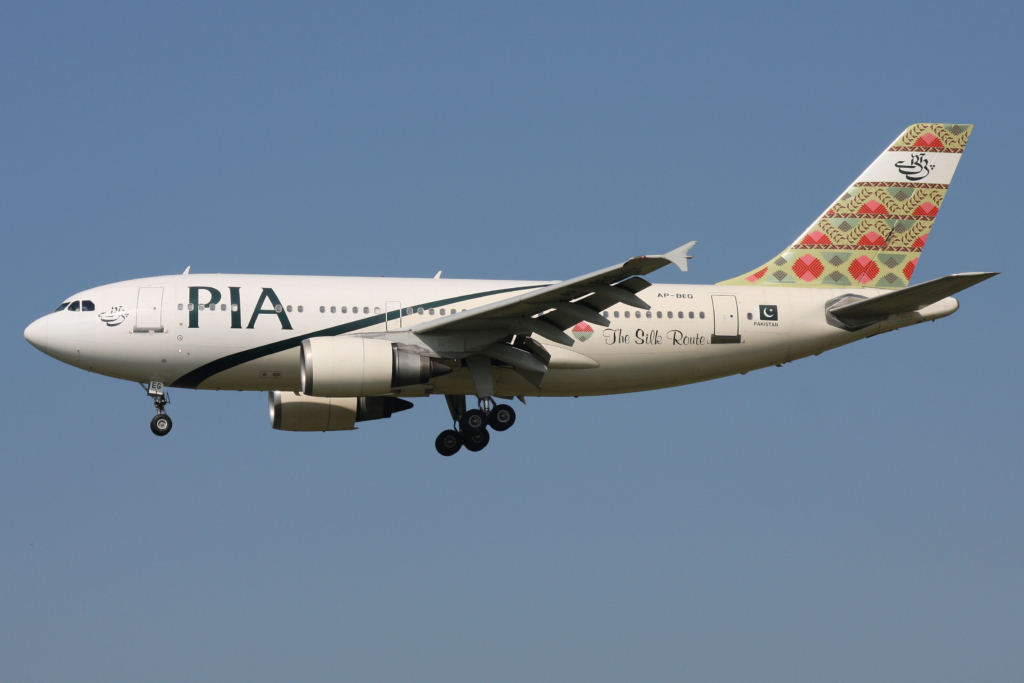
One of the most persistent barriers to PIA’s privatisation had been its debt burden, which deterred serious bidders for years.
That obstacle was largely removed after the federal government absorbed around PKR654 billion ($2.34 bn) in accumulated liabilities and loans onto the public balance sheet. By ring-fencing legacy debt ahead of the sale, officials significantly reduced risk for potential buyers and reshaped PIA into a more investible proposition.
Sources involved in the process have described the move as essential to unlocking competitive bids in the current round.
PIA privatisation at the heart of economic reform agenda
Few airlines are as closely tied to national identity as Pakistan International Airlines. Even before Pakistan’s creation, Muhammad Ali Jinnah identified air transport as a strategic necessity for a country that would emerge with two wings separated by more than a thousand miles.
That vision took shape through Orient Airways in 1946 and later through the formal creation of PIA in 1955. The airline quickly developed an international footprint, launching long-haul services to Europe and later becoming the first Asian airline to operate both the Lockheed Super Constellation and the Boeing 707.
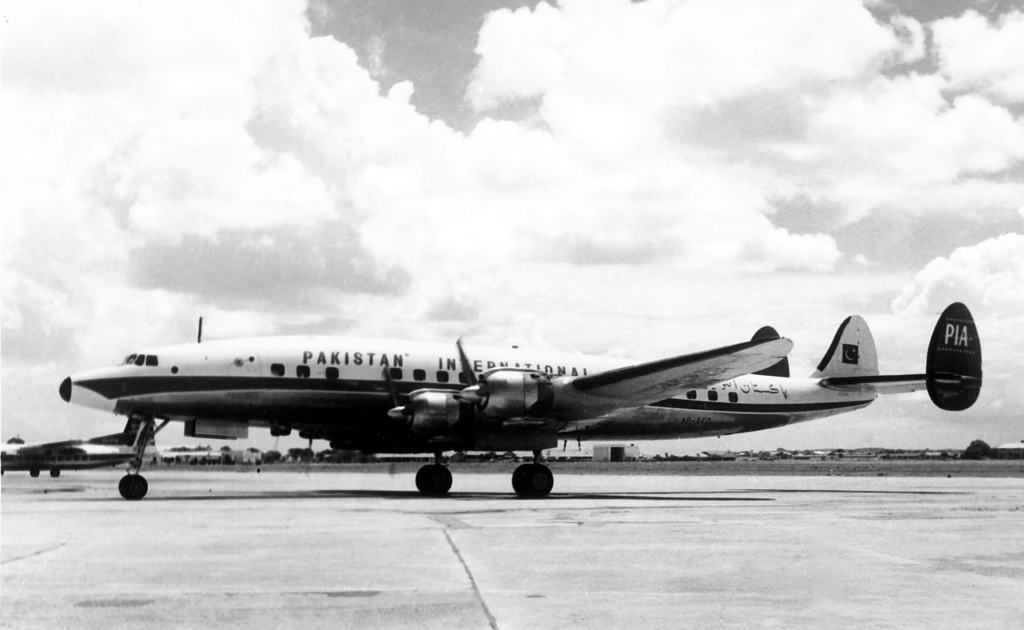
By the early 1960s, PIA was widely regarded as a well-run, technologically progressive carrier. Over time, however, political interference, overstaffing, non-commercial fleet decisions and mounting debt eroded its competitiveness.
The sale of PIA sits at the heart of Prime Minister Shehbaz Sharif’s IMF-backed reform programme and is closely watched by international lenders.
While the airline recently reported its first pre-tax profit in nearly 20 years, officials acknowledge that sustained recovery will depend on new capital, fleet renewal and management autonomy, without recurring taxpayer support.
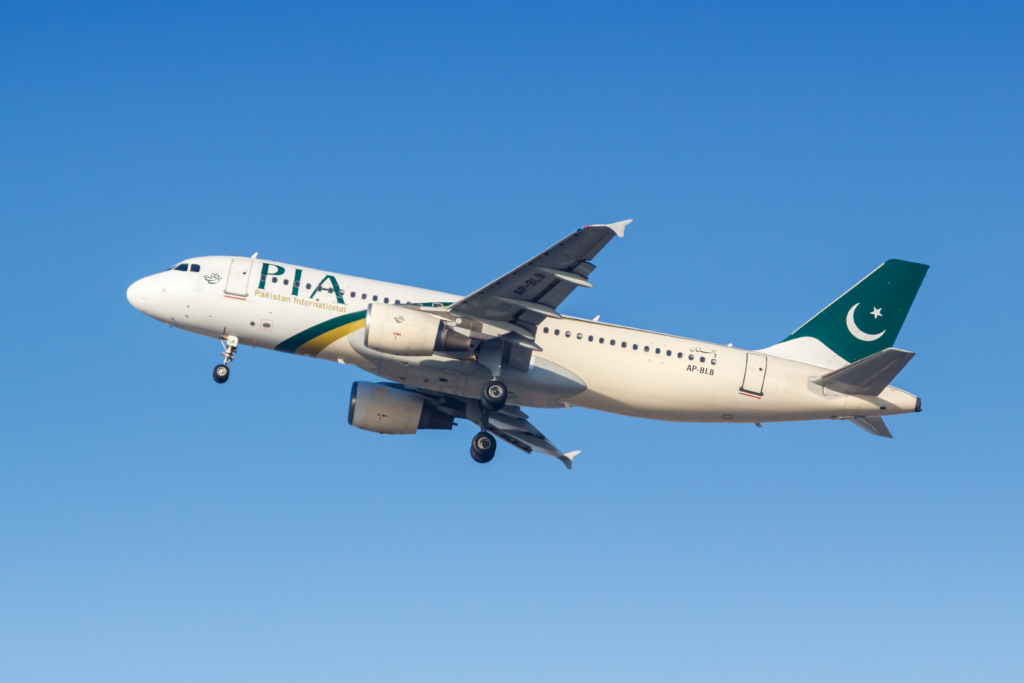
Government sources say the aim is to grow PIA’s active fleet from 18 aircraft to 38 in the near term, and potentially to around 100 over time, while restoring long-haul connectivity and stabilising operations.
What happens next for PIA’s privatisation push?
Under the current framework, the government plans to sell 75% initially, with the remaining 25% expected to be offered within 90 days.
Officials said 92.5% of the proceeds from the first sale would be retained within PIA for operational revival, with 7.5% going to the federal exchequer. Payments will be made in stages, with roughly two-thirds due upfront.
As the process moves forward, shortlisted bidders may also be allowed to induct additional partners, including other airlines, subject to regulatory approval.
Government statements have deliberately avoided giving a fixed timeline, reflecting both the political sensitivity of the sale and the desire to maintain leverage in negotiations. Based on previous Pakistani privatisations, this phase typically unfolds over days to weeks rather than months, assuming no legal or political delays.
Featured image: SockaGPhoto / stock.adobe.com