Oil prices hit $100 a barrel: Which airlines are best placed to avoid raising fares?

March 9, 2026
As oil prices surge above $100 a barrel amid escalating conflict in the Middle East, airlines are bracing for the potential financial shock of higher fuel costs.
With concerns mounting for the coming weeks, are some airlines better prepared than others for an ongoing hike in fuel prices?
Oil prices hit $100 a barrel as Middle East conflict rattles airlines
On the morning of 9 March, with the conflict in the Middle East entering its tenth day, the price of oil rose above $100 a barrel for the first time in four years. Oil has not traded at these levels since early 2022, when Russia’s invasion of Ukraine sent global energy markets sharply higher.
With Brent crude, the international benchmark for oil prices, climbing past this symbolic threshold, the airline industry is beginning to assess how sustained higher energy costs could affect operations and profitability in the months ahead.
Fuel has long been one of the largest expenses for airlines. Aviation fuel typically accounts for around 20% to 30% of total operating costs, although that share can climb significantly during periods of high oil prices. In extreme cases, fuel can represent up to 40% of an airline’s operating expenses, placing substantial pressure on margins.
Airlines are already facing mounting cost pressures. In addition to rising fuel prices, many carriers have been forced to reroute flights to avoid closed or restricted airspace in parts of the Middle East, increasing flight times and fuel burn.
The combination of longer routes and higher fuel prices is likely to squeeze airline margins further, and could eventually translate into higher ticket prices for passengers if the situation persists.
Historically, spikes in oil prices have had a disproportionate impact on airline profitability. During previous energy shocks over the past half-century, many carriers have struggled to absorb sudden increases in fuel costs.
In some cases, airlines have responded by cutting schedules, reducing capacity or raising fares, with varying degrees of success.
How fuel hedging protects airlines from rising fuel prices
Fuel hedging is a widely used strategy in the airline industry, allowing carriers to lock in future fuel prices and protect themselves from sudden market swings. Through financial contracts agreed with suppliers or financial institutions, airlines fix the price they will pay for a portion of their fuel over a defined period, often a year or more, based on current market conditions and forecasts.
If fuel prices rise above the agreed rate, the airline is shielded from the increase and benefits from the lower locked-in price. However, if market prices fall below the contract rate, the airline can end up paying more than competitors buying fuel at spot prices. That trade-off is the core risk of fuel hedging, which is why airlines invest significant resources in managing their hedging strategies to balance stability with market exposure.
Airlines with higher levels of fuel hedging in place are therefore likely to weather short-term price spikes more comfortably. By contrast, carriers that are less hedged, or not hedged at all, are far more exposed to sudden increases in fuel costs and may feel the financial impact more quickly.
In the current environment of rising oil prices, the extent of an airline’s hedging coverage could prove crucial in determining how well it absorbs the immediate shock of higher fuel costs.
Which airlines are most protected from rising fuel prices?
| Airline | Fuel hedging coverage | Implication if oil prices stay high |
|---|---|---|
| easyJet | 84% hedged for H1 2026 | Very strong short-term protection from fuel price spikes |
| Lufthansa Group | 82% hedged for Q1 2026, 77% for full-year 2026 | Among the best protected major airline groups |
| Air France-KLM | 70% Q1, 69% Q2, 60% Q3, 47% Q4 (2026) | Solid protection through most of 2026 |
| IAG | 75% Q1, 64% Q2, 58% Q3, 50% Q4 (2026) | Good near-term protection, declining into 2027 |
| Ryanair | Mostly hedged for 2026 | Shielded from short-term oil spikes |
| Wizz Air | Mostly hedged for 2026 | Protected through current contracts |
With fuel hedging policies varying widely worldwide, the Iran conflict is likely to have differing impacts on airlines depending on where they are located and to where they fly. It is anticipated that the impact will be highly differentiated across US, European, and Asian carriers, given their disparate fuel hedging profiles and policy frameworks.
For major US carriers such as American Airlines, Delta Air Lines, and United Airlines, as well as Southwest and JetBlue, these airlines are more exposed than others given their decisions to walk away from widescale fuel hedging practices over the past 2-3 years.
| Airline | Fuel hedging coverage | Exposure to rising oil prices |
|---|---|---|
| American Airlines | No large-scale fuel hedging | Highly exposed to rising fuel prices |
| United Airlines | No large-scale fuel hedging | Highly exposed to oil price volatility |
| JetBlue | No significant hedging | Highly sensitive to fuel price increases |
| Southwest Airlines | Limited legacy hedging contracts | Some protection but less than historically |
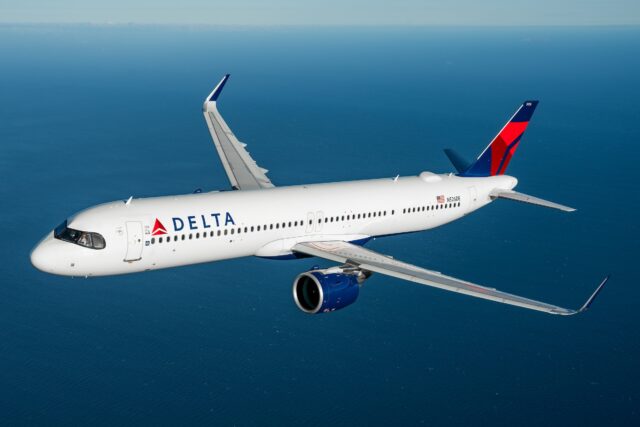
| Delta Air Lines | No major hedging, refinery ownership | Partially insulated through fuel supply chain |
| Icelandair | 31%–47% hedged across 2026 quarters | More exposed to spot fuel prices |
Only Southwest, with a few remaining legacy fuel hedging deals, will face some protection from a hike in fuel prices. Similarly, Delta will enjoy some immunity through its indirect ownership of the Trainer oil refinery, located south of Philadelphia, but in the most part will be as exposed as its fellow US carriers.

Elsewhere, in Europe, the continent’s major carriers all invest more heavily in fuel hedging strategies to protect themselves from circumstances where the fuel price may rise. This will provide some degree of protection, if not total immunity from price rises.
As reported by Seeking Alpha, Lufthansa says it is approximately 82% hedged for 1Q26 and 77% for the full 2026 year. This makes the carrier one of the most protected of all the major European airlines. The company, which only reported record annual revenues last week, is therefore in one of the strongest positions in the short term, with its hedging policy likely to absorb most of the shock of the impending fuel price rises
Meanwhile, data from Bloomberg shows that while many European airlines will remain largely protected for the rest of 2026, as hedging contracts end, airlines will be more exposed going forward, especially if the conflict drags on and coverage under existing contracts ends.
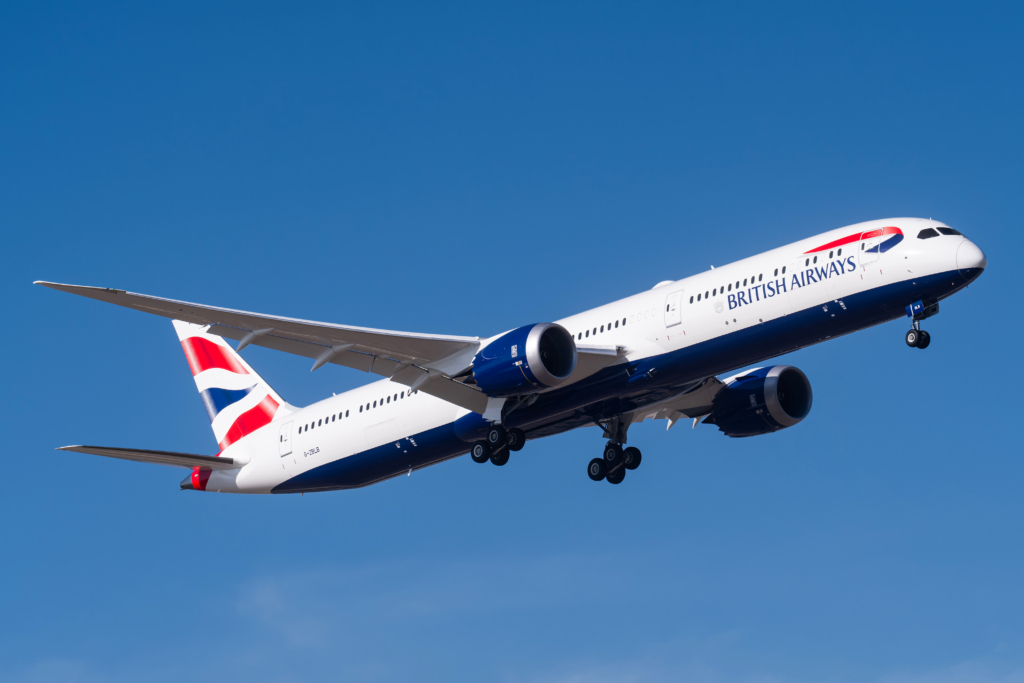
IAG is hedged to 75% for 1Q26, 64% for 2Q26, 58% for 3Q26, and 50% for 4Q26. The airline group will therefore be keen to see a quick end to the war, as it is only hedged for 39% for 1Q27 and 31% for 2Q27, respectively. Meanwhile, Air France-KLM is 70% hedged for 1Q26, 69% for 2Q26, 60% for 3Q26 and 47% for 4Q26.
Among other European carriers, Finnair reports it has hedged to an unspecified degree, but at a level which will largely protect it from price rises in 2026. Icelandair is more modestly hedged, with 31% to 47% of the estimated 2026 fuel usage covered by quarter and low‑teens coverage into early 2027, implying higher sensitivity to spot prices but more upside leverage if oil normalises.
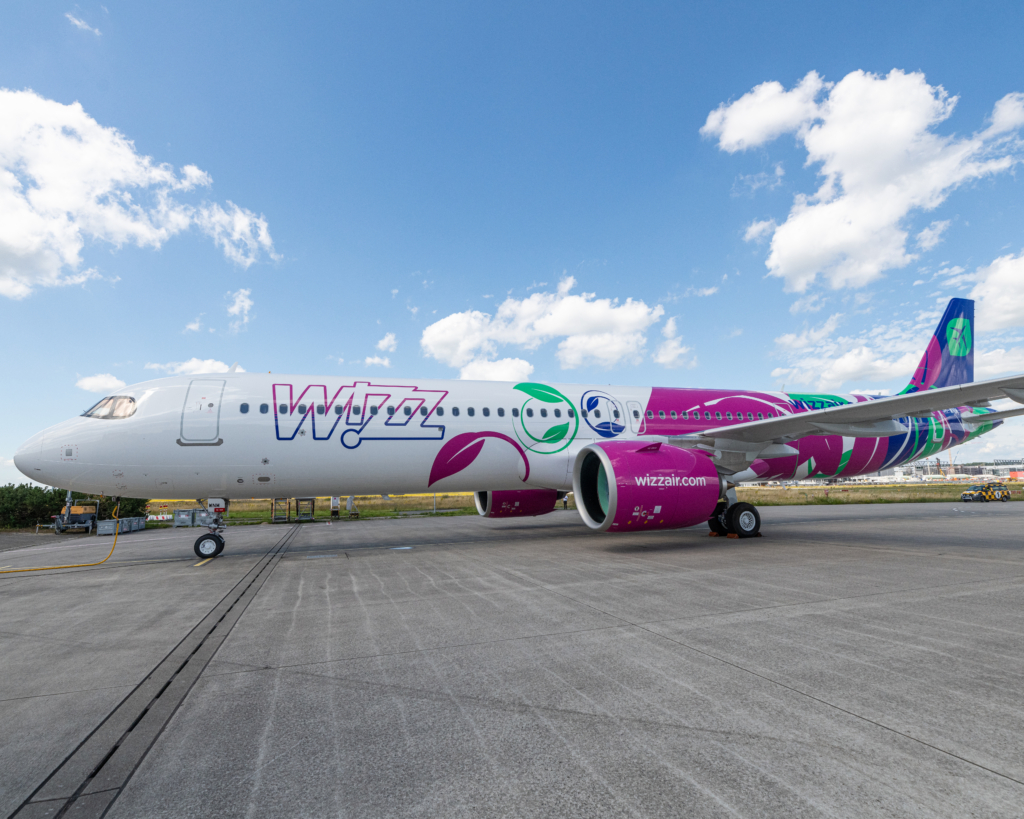
In terms of European low-cost carriers, easyJet has the highest level of fuel hedging at a level of 84% for the first half of 2026. Both Wizz Air and Ryanair said that they are “mostly hedged” for 2026 but will be exposed if high oil prices continue into 2027.
In the Asia Pacific region, Australian carrier Qantas said that it is closely watching how events unfold before specifically commenting on its overall position.
“We’ve got pretty good hedging in place, but these are pretty significant impacts on aviation, and we’re just continuing to watch how it all unfolds,” Qantas Airways’ said Qantas CEO Vanessa Hudson at the Australian Financial Review’s business summit last week, as reported by Reuters.
How airlines may respond to rising fuel prices
Airlines that have hedging strategies in place are likely to be protected for the time being. However, with the likely length of the conflict presently unknown, airlines will be starting to consider other measures available to them to protect their financial positions.
While airfare increases will be unpopular and could lead to a fall in demand, they may well become an important tool for airlines to protect their bottom lines. Evidence shows that several Indian airlines, already affected by higher insurance and operational costs, have increased airfares between India and the Middle East by as much as fourfold. Airlines’ abilities to not to raise ticket prices will depend largely on how well hedged they are.

Raising air fares has also had disastrous results in the past. Combined with a general reluctance to travel during times of conflict, passenger numbers are highly vulnerable to fare rises and can have huge impacts on the number of passengers travelling by air.
Other measures that airlines may take are dropping frequencies on certain routes or axing certain routes entirely while the fuel price remains high. While such measures will be deeply unpopular with the travelling public, they are a relatively straightforward way of cutting operational costs in the short term to absorb some shock of rising fuel prices.
Lastly, some expert analysts are predicting that if global fuel supplies continue to be disrupted with the destruction of oil refineries and a blockade of the Arabian Gulf, then over time, there could be a global shortage in supplies of jet fuel.
Should this happen, then although this offers airlines some degree of protection from fuel price increases, the industry as a whole could enter a decline, reversing the growth that has been seen since the end of the COVID-19 pandemic.
Featured image: aapsky / stock.adobe.com