Exclusive: Marshall Aerospace’s remarkable 115-year rise from automobile repairs to C-130 global excellence

March 5, 2026
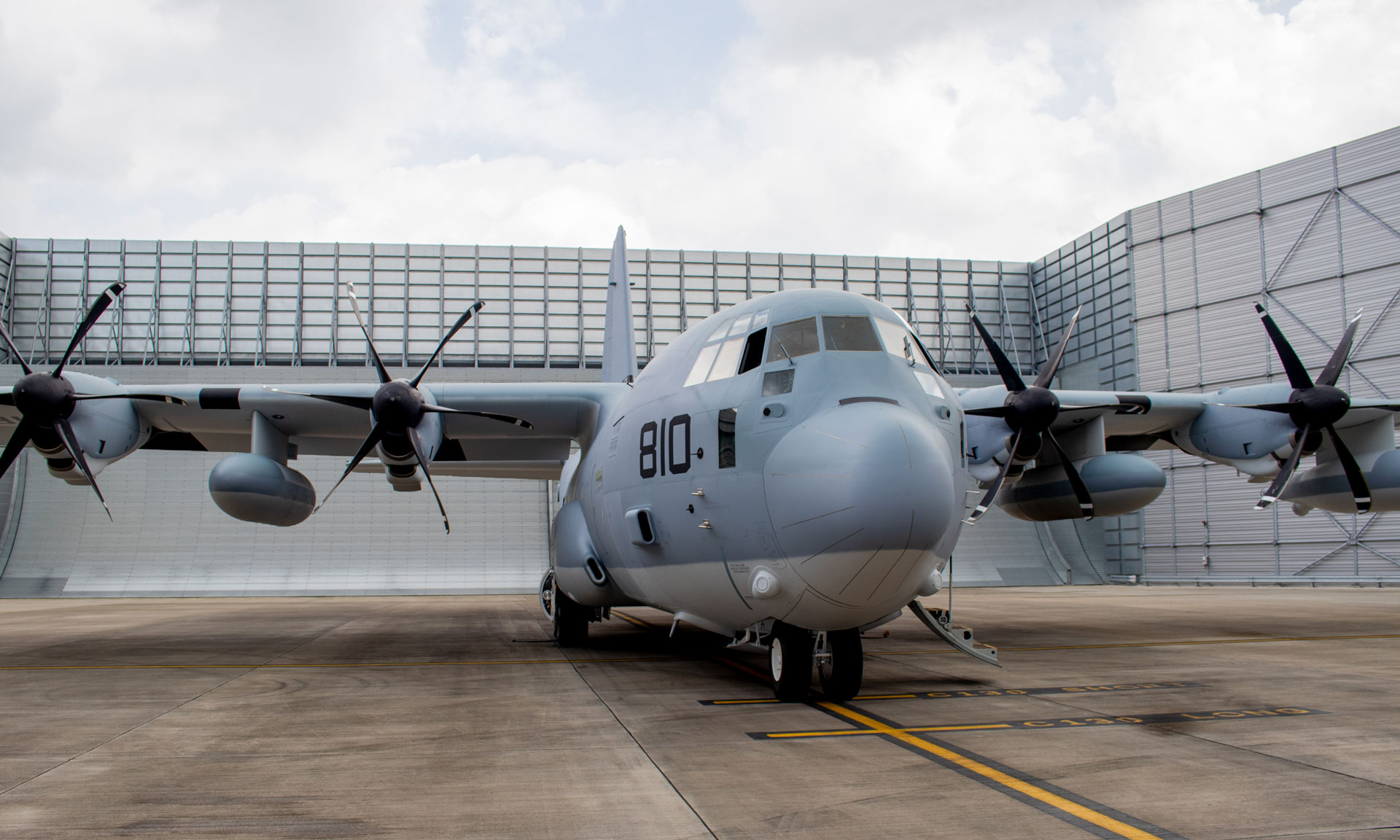
Marshall Aerospace, based at Cambridge City Airport (CBG) in the UK, is widely known for its engineering expertise in the aircraft maintenance, repair and overhaul (MRO) sector. Now a globally recognised MRO centre and a Lockheed Martin-designated centre of excellence for the C-130 Hercules, there is little that the company does not know about this ubiquitous transport aircraft.
Yet this specialism was not developed overnight. The company’s history is peppered with decades of work carried out on a huge range of aircraft, from the smallest and earliest to the very largest, including the mighty Boeing 747.
Aerospace Global News was recently invited to visit Marshall at Cambridge Airport, which has been the company’s home since 1937, to see how its expertise in the MRO field has seen the company rise to global prominence.
1909 – How it all began for Marshall Aerospace
Since 1909, Marshall has played a role in two World Wars, the early development of aviation, Concorde, passenger and military aircraft of various kinds, and even the space race. In fact, the company’s history spans almost as long as aviation has existed.
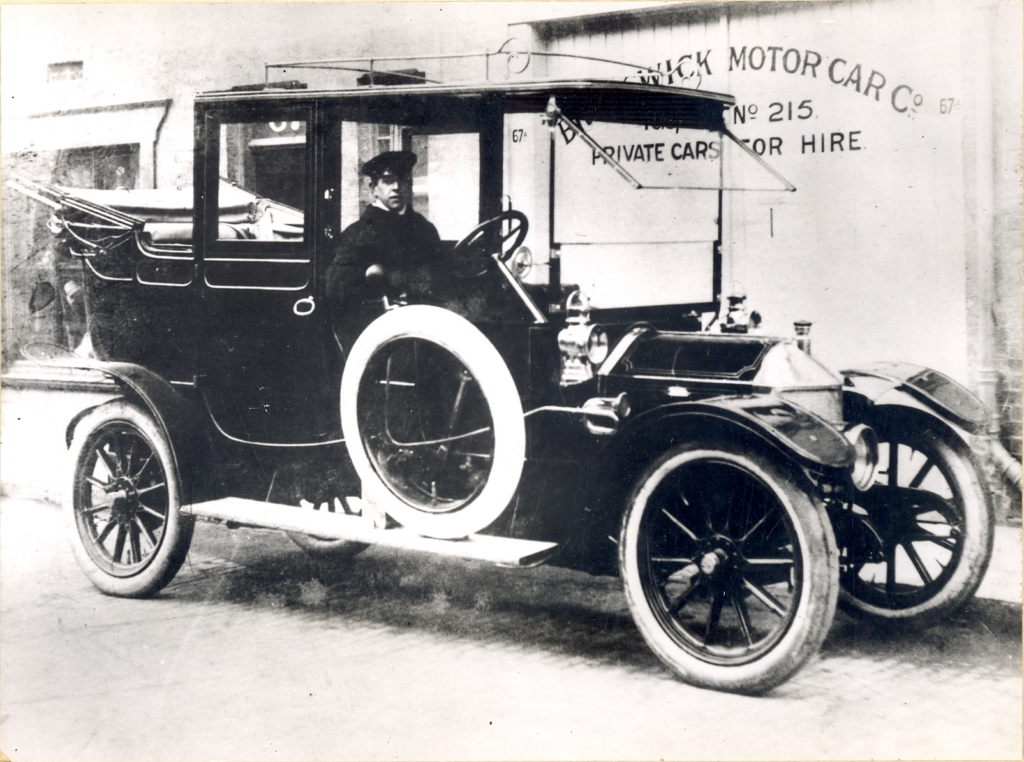
The story of Marshall Aerospace starts in 1909, when David Marshall, the company’s founder, who was working in hospitality at the University of Cambridge, visited Paris. Marshall was taken with the advancements in motoring being made by the French. Marshall returned to Cambridge, determined to become active in the automotive industry.
He subsequently set up the Brunswick Motor Car Company in a former stable to specialise in motor mechanics and chauffeur-driven services. This development marked the birth of the Marshall Group. The business grew rapidly and diversified into the selling of cars, necessitating the need to move to larger premises in Cambridge city centre.
David Marshall’s eldest son, Arthur, was born in December 1903. Taking a keen interest in the family business from an early age, Arthur spent much of his childhood at his father’s garage business and also developed a love of flying.
He was awarded a pilot’s licence in 1928 and was later appointed a master instructor by the Guild of Air Pilots. However, the fledgling company’s diversification into the aviation arena happened by serendipity.
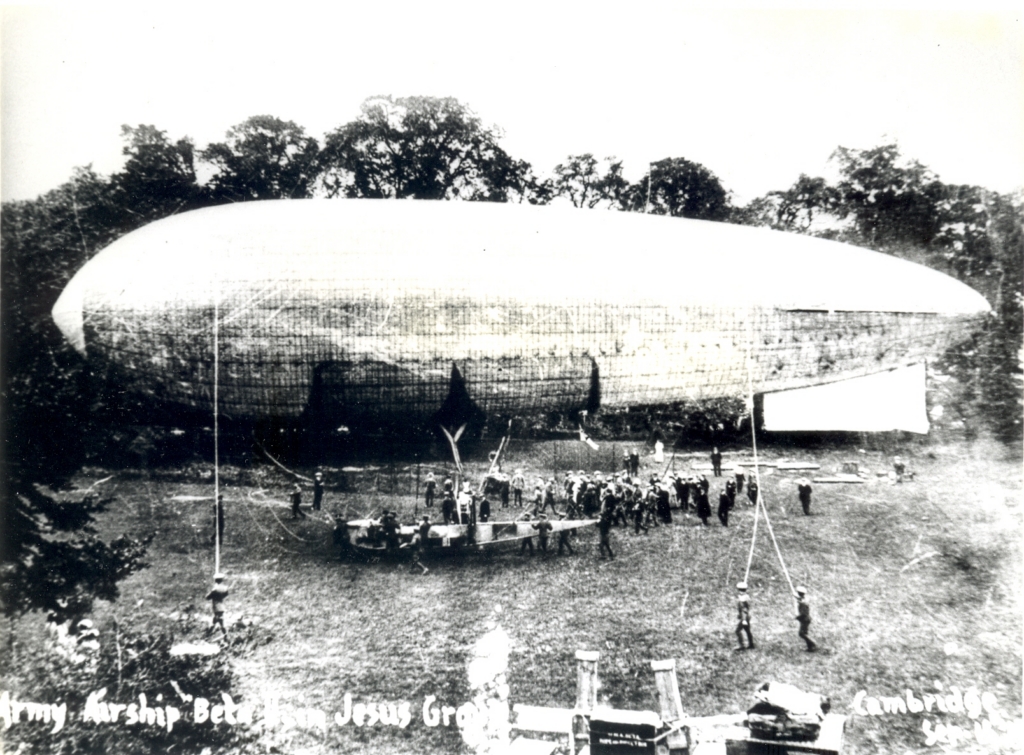
In 1912, a Beta II airship made an emergency landing on Jesus Green in Cambridge, just behind the Marshall garage. Marshall mechanics stepped in to make the repairs to the aircraft’s engines and get it back into the air. Although unintended, the company had just commenced its journey down a pathway that would lead to world-renowned aviation expertise.
In 1919, David Marshall bought his first plane, an ex-Royal Flying Corps Handley Page 0/400 twin bomber for the sum of £5. Developing his interest in aviation further, in 1929, David and his son Arthur offered to buy a 45-acre plot of land on the outskirts of Cambridge from a local farmer, and on 9 June 1929, the city’s first dedicated aerodrome opened for business.
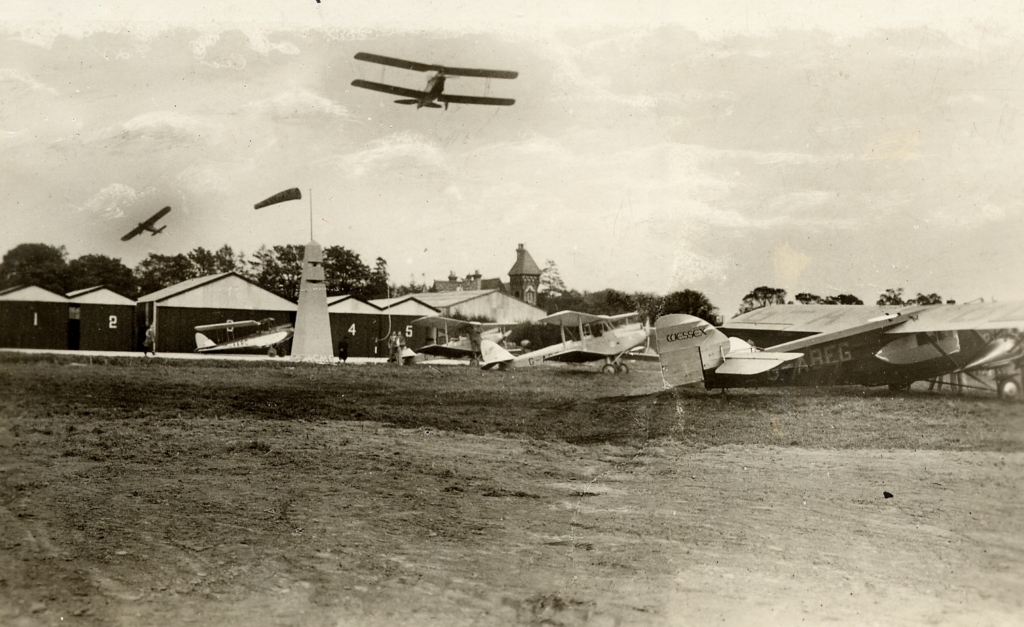
The following year, Marshall opened a flying school at the airfield, operating a small fleet of Gipsy Moth single-engined biplanes for training and charter flights. The flying school was so successful that Marshall replaced the original site with a second, much larger aerodrome nearby in 1937. The site remains the location of Cambridge City Airport today.
Marshall answers the call to war
By 1938, rearmament had become an urgent national priority, along with the need for even more facilities for training military aircrew. As a result, a major flying training school for the RAF Volunteer Reserve was established by Marshall. Even WWII flying ace Johnnie Johnson honed his skills in Cambridge, training at Marshall Flying School.
Nearly 700 new RAF pilots were trained by Marshall before the Battle of Britain commenced in 1940. By the end of the war, the company had trained over 20,000 new air crew using an ab initio training programme that the RAF still follows today.
In the meantime, a team of Marshall engineers were busy repairing or modifying around 5,000 aircraft in support of the nationwide Civil Repair Organisation for both the UK and US air forces.
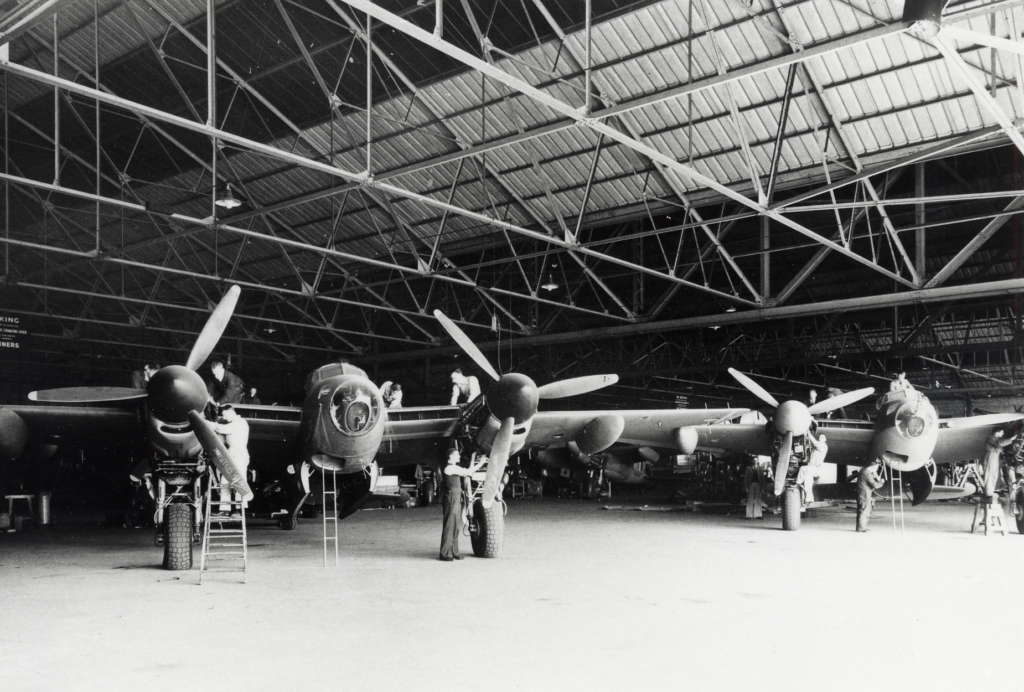
Types included the Douglas DC-3 Dakota, de Havilland Mosquito, Hawker Typhoon, Boeing B-17 Flying Fortresses, Armstrong-Whitworth Whitley, the T-6 Texan and Airspeed Oxfords. When his father, David, passed away in 1942, Arthur took the helm of the family firm with the intention of expanding its services across the aviation arena.
In 1943, Marshall handed over one of its training airfields outside Cambridge for use as a US fighter training base, resulting in a close relationship between its flying instructors and American airmen. During World War II, the workforce at Marshall was expanded to as many as 3,000, with many female workers among the ranks.
Marshall in the post-war era
As the war ended, rather than lay off its sizeable team of skilled engineers, Marshall diversified again into the building of bodies for trucks and buses. However, it also continued to build up its aircraft business, which called for the construction of a new concrete runway and larger hangars at the Cambridge Airport site.
Marshall also developed its aircraft design and manufacturing facilities, becoming a trusted subcontractor to some of the world’s biggest aircraft manufacturing companies.
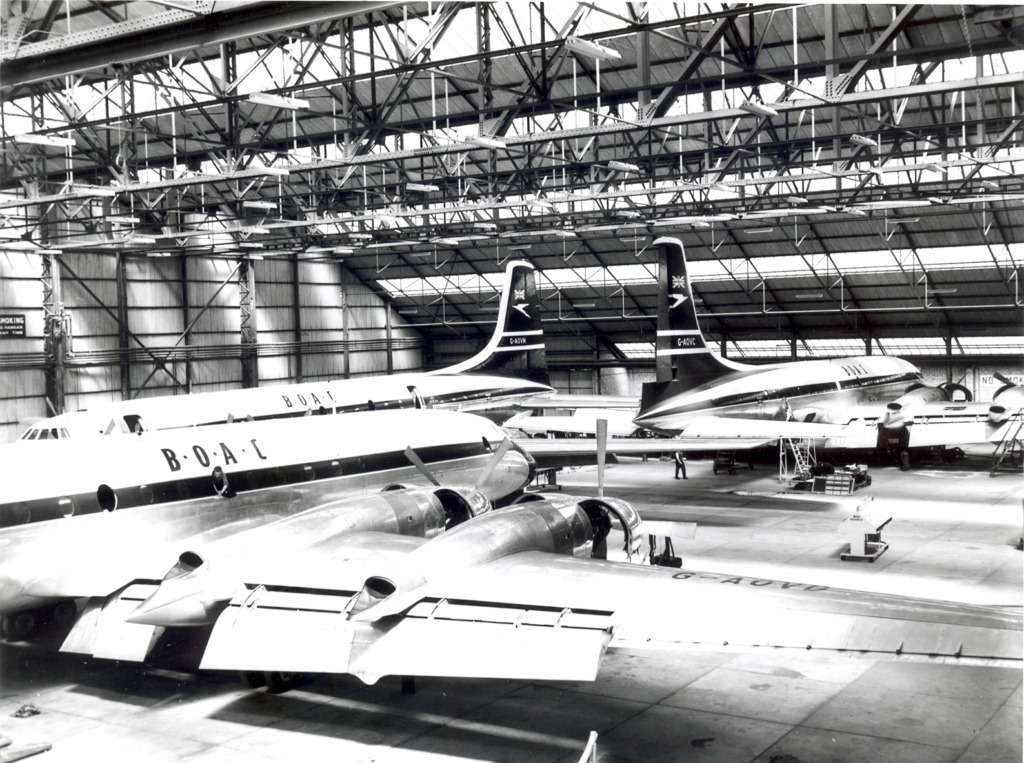
The company’s capabilities continued to grow in the aviation sector, working on both civil and military aircraft for an increasing range of airlines and air forces worldwide. As the world emerged from the shadow of war, aviation engineering work at Marshall generated new business, which included aircraft upgrades, structural modifications and conversions.
During this period, Marshall also won its first contracts with the largest American aircraft makers, including Boeing, Lockheed, and Northrop. Many of these contracts involved the introduction of brand-new technologies, including designing and installing torpedo adaptors or integrating systems to enable a low-altitude bombing system developed in the US.
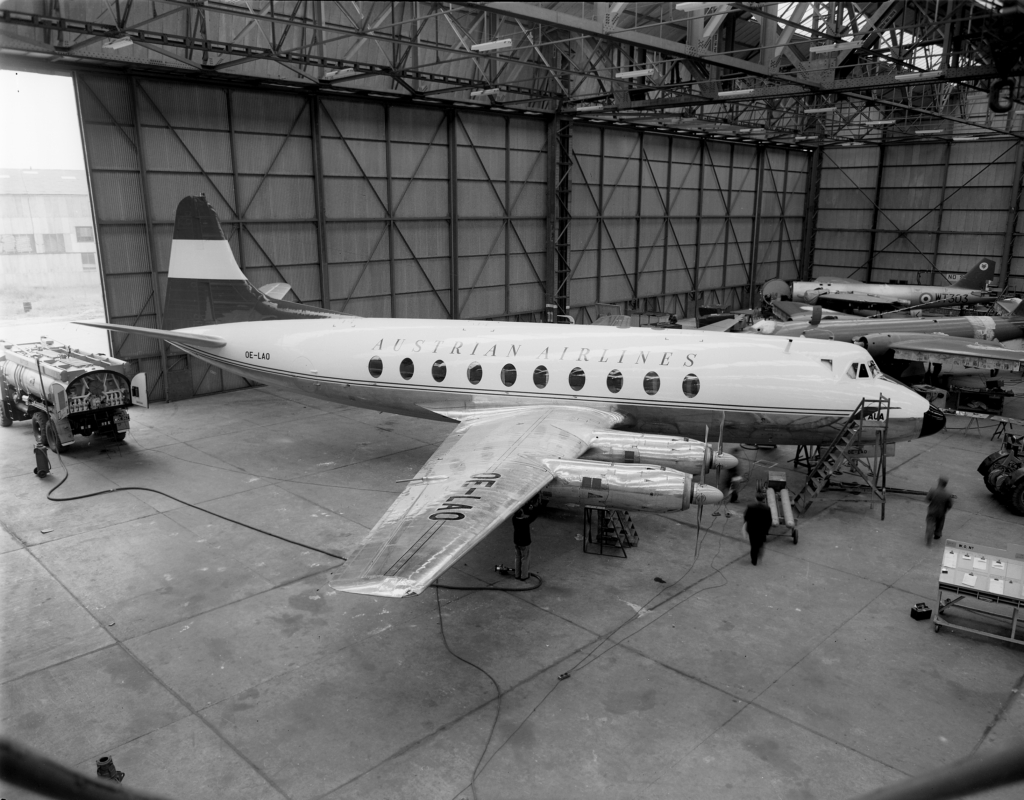
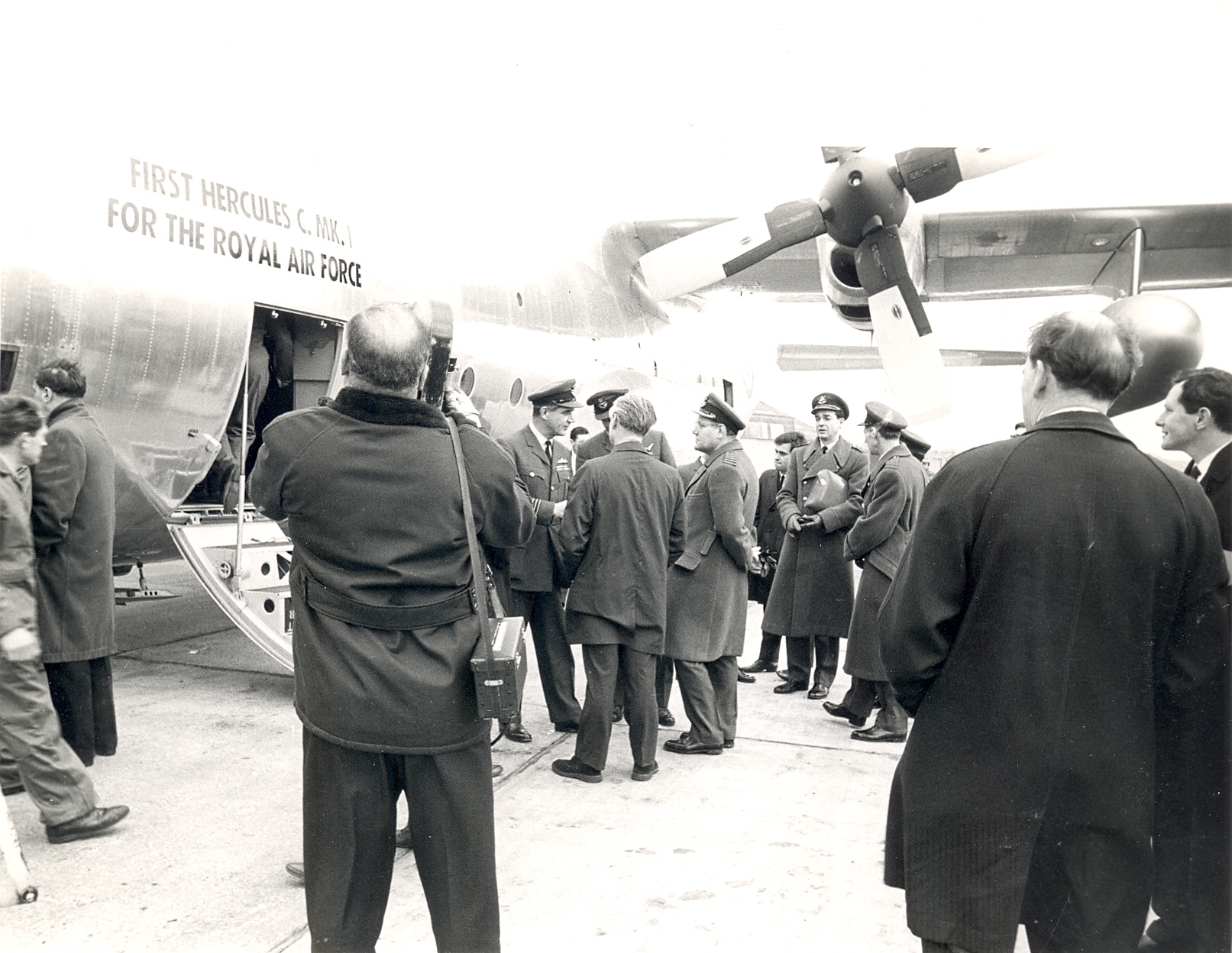
Marshall’s crowning achievement of this era was being appointed the UK’s designated technical centre for the Royal Air Force’s future 65-strong fleet of Lockheed C-130K Hercules.
1960s – Marshall forms a close relationship with the Lockheed Martin C-130
Over the decades, Marshall became the world’s first authorised Lockheed Martin Hercules Service Centre (HSC) for legacy C-130 aircraft. The company was also the world’s first authorised Lockheed Martin Heavy Maintenance Centre (HMC) for the C-130J Super Hercules aircraft.
In 1966, Marshall became the RAF’s designated service company for its fleet of C-130K Hercules, taking charge of introducing the aircraft to RAF service for the first time. The development would see Marshall’s eventually become a ‘Sister Design Authority’ for the RAF fleet of C-130s until they were retired from service in 2023.
Marshall has since become the world’s first MRO organisation to gain OEM approval from Lockheed Martin for in-house manufacture of C-130J parts and the world’s first Lockheed Martin-approved ‘Centre of Excellence’ for centre wing box replacements on C-130 Hercules aircraft.
Nowadays, around the world, 17 government fleet operators rely on Marshall capabilities to remain mission-ready and mission-capable, whether operating a 60-year-old C-130B or the latest C-130J Super Hercules. In 2024 alone, Marshall completed nearly 30,000 MRO tasks across 442,000 hours of aircraft work.
Diversification into a broader range of aviation services
When his father, David, passed away in 1942, Arthur Marshall took the helm of the family firm and began expanding its services across the aviation MRO sector.
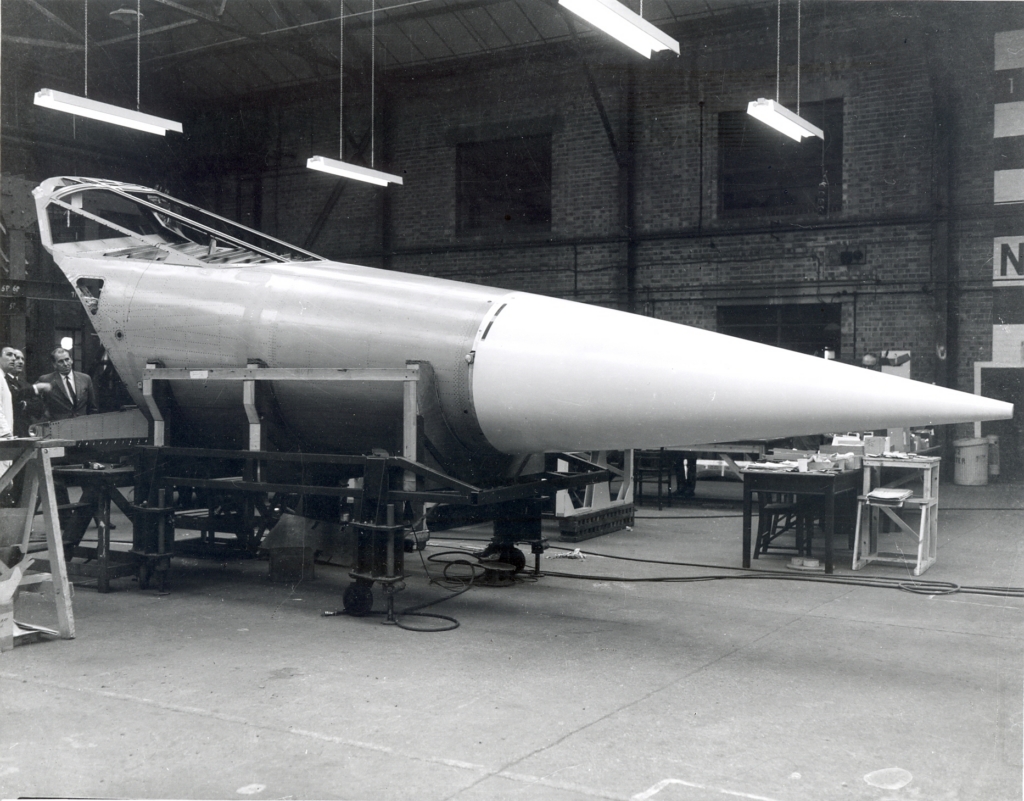
Alongside building up its expertise with the C-130, Marshall carried on with its work in the civil aircraft arena. With its engineering prowess already established, in 1967, the British Aircraft Corporation commissioned Marshall to design, manufacture and deliver Concorde’s iconic drooping nose and retractable visor.
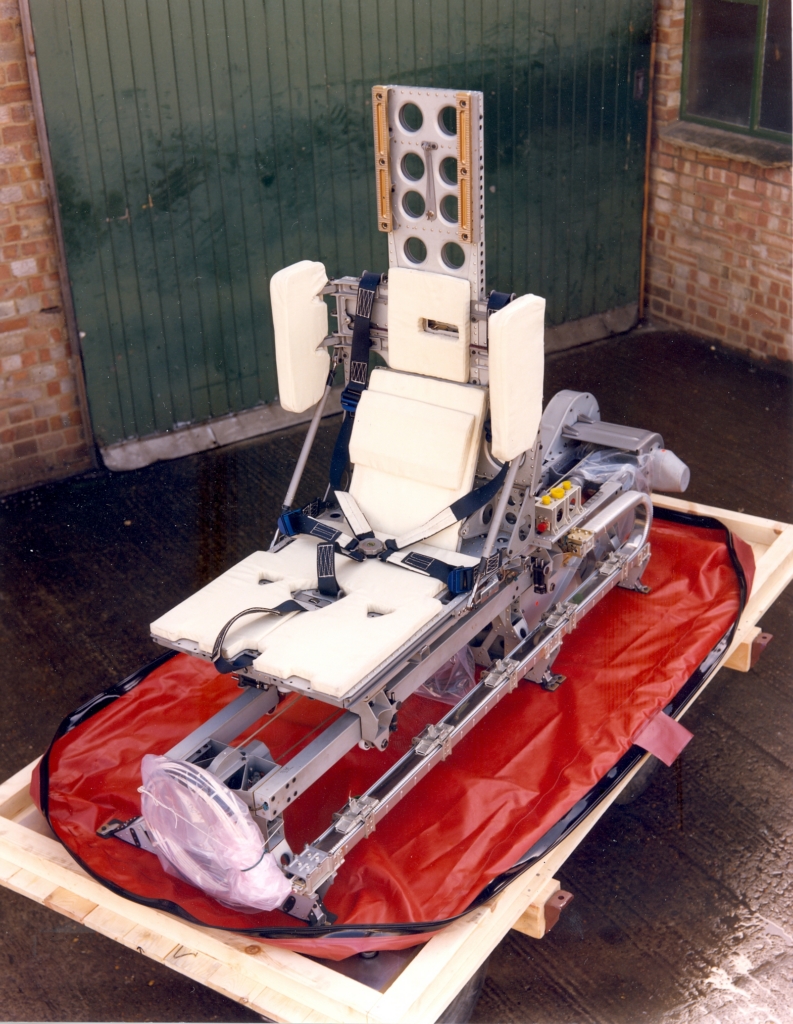
Marshall’s diverse manufacturing abilities were demonstrated in 1963 when the company received an order from RAE Farnborough to manufacture timber sledges on rails to test ejector seats for aircraft. The sledges were powered by rocket motors and capable of accelerating to 500 mph.
In 1978, Marshall won a contract from the European Space Agency to design and manufacture a space sledge for medical research, to help alleviate space motion sickness experienced by some astronauts. The space sledge made 121 orbits of Earth on board the Space Shuttle Challenger in 1985.
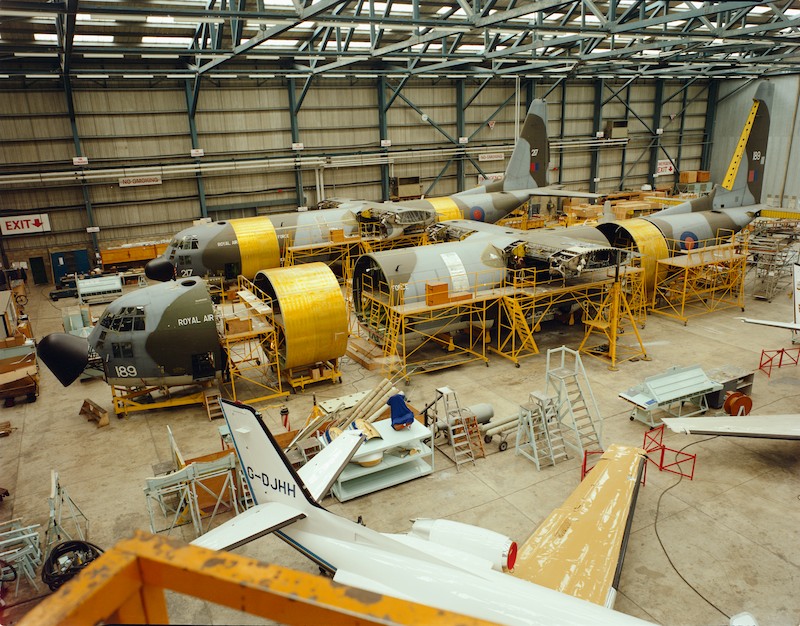
Having closely worked with the RAF on its introduction of the C-130 in 1966 and having been involved with the maintenance of its aircraft since, between 1980 and 1985, Marshall was later tasked with extending the fuselage of 30 C-130 planes, adding an extra 4.5m of length to each via two fuselage plugs, one each in front of and aft of the main wing.
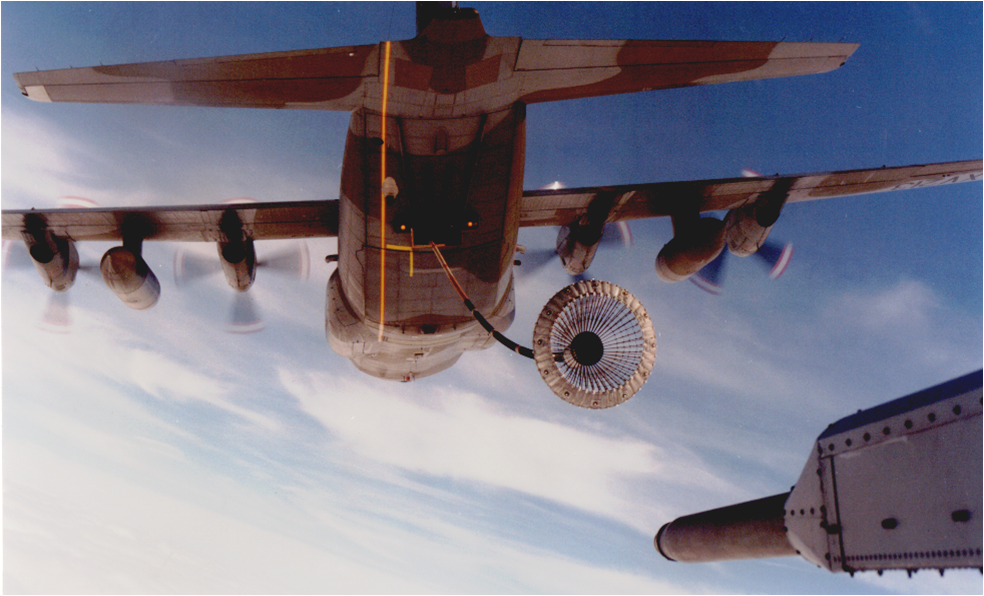
Then, in February 1982, two months before the start of the Falklands War, Marshall received an order from the Ministry of Defence to make in-flight refuelling possible for the RAF Hercules C130 fleet.
Marshall installed revolutionary air-to-air refuelling receiver equipment, enabling Expeditionary Forces to travel the 8,000 miles needed to reach the Falkland Islands. This vital modification was designed, manufactured, installed and flight-trialled within 14 days, and in service three weeks from the initial design request.
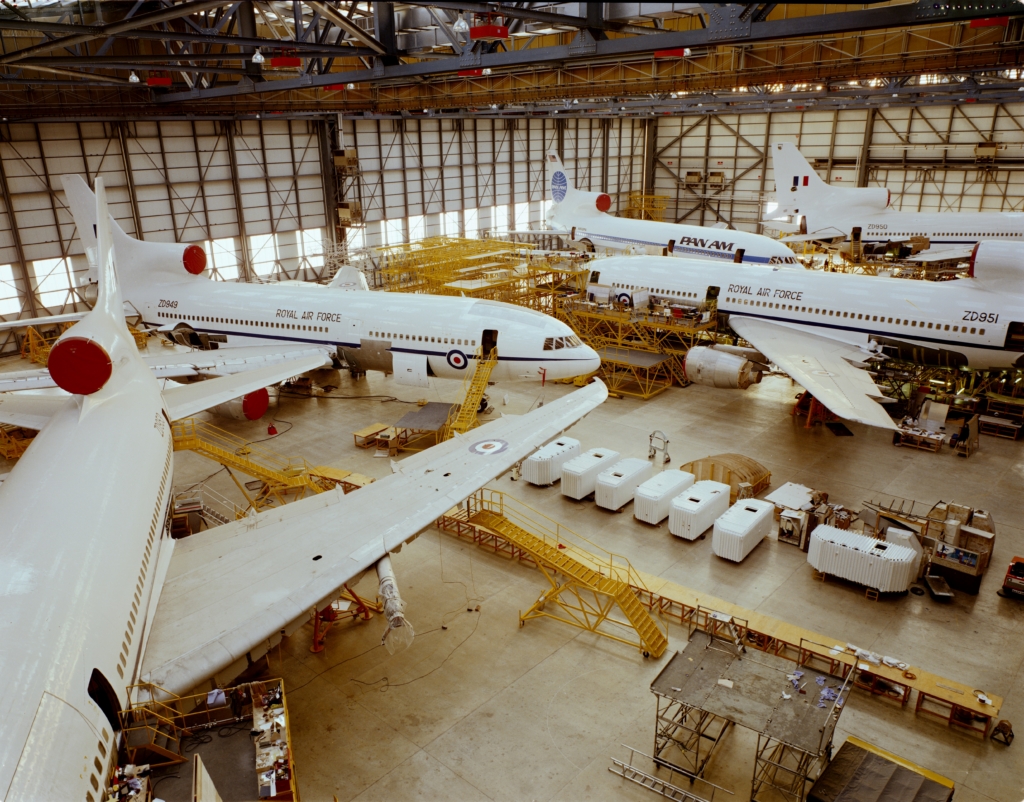
Additionally, in the mid-1980s, Marshall won a contract from the RAF to convert nine former commercial Lockheed L1011 Tristar aircraft into passenger-cargo transporters, but with additional air-to-air refuelling capacity.
In all, six former British Airways aircraft plus three planes from Pan Am were converted and operated by the RAF until 2014, when the Airbus A330 Voyager replaced the type. In 2002, the company was awarded a major overhaul contract to provide an all-component repair and overhaul support service for all nine RAF TriStar aircraft for up to 10 years.
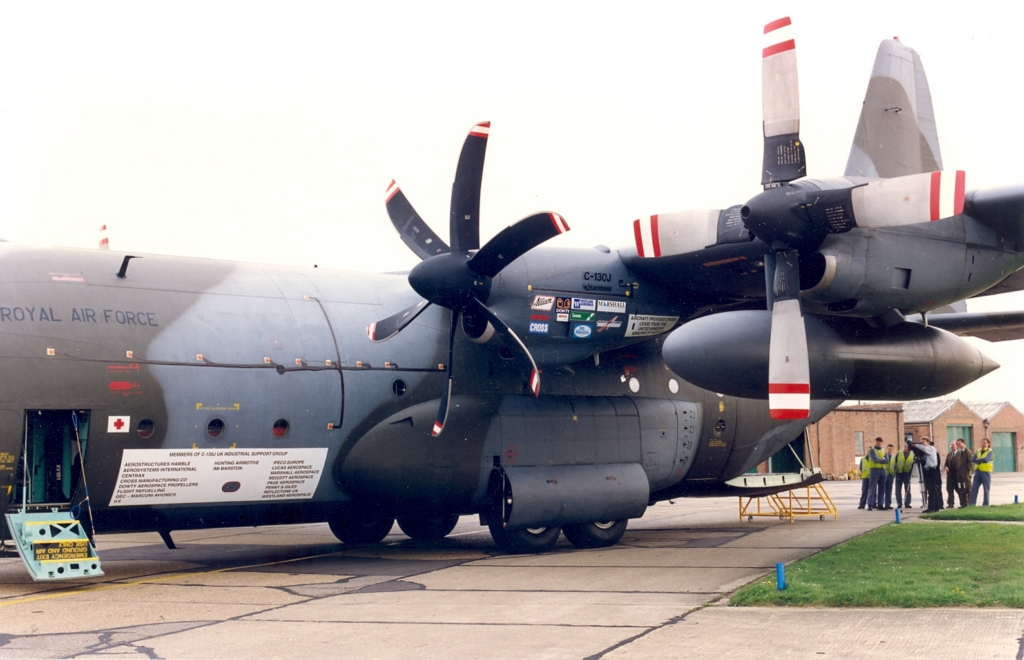
In the early 1990s, Marshall assisted Lockheed with the development and testing of the next-generation of C-130 aircraft, to become known as the C-130J Super Hercules. The company modified a loaned C-130K to accommodate the model’s new turboprop engine and six-bladed propeller system.
Nearly 400 sensors were fitted to the aircraft, and Marshall completed a full flight test programme. This extensive engineering project further solidified the relationship with Lockheed and paved the way for the production of a new generation of Hercules aircraft.
A further example of the company’s close ties with Lockheed came in 1994, when Marshall was tasked with converting a former Air Canada L1011 Tristar for US research company Orbital Sciences.
The aircraft, known as ‘Stargazer’, would be equipped with an underslung launching system for the Pegasus air-launched rocket, capable of carrying orbital satellites.
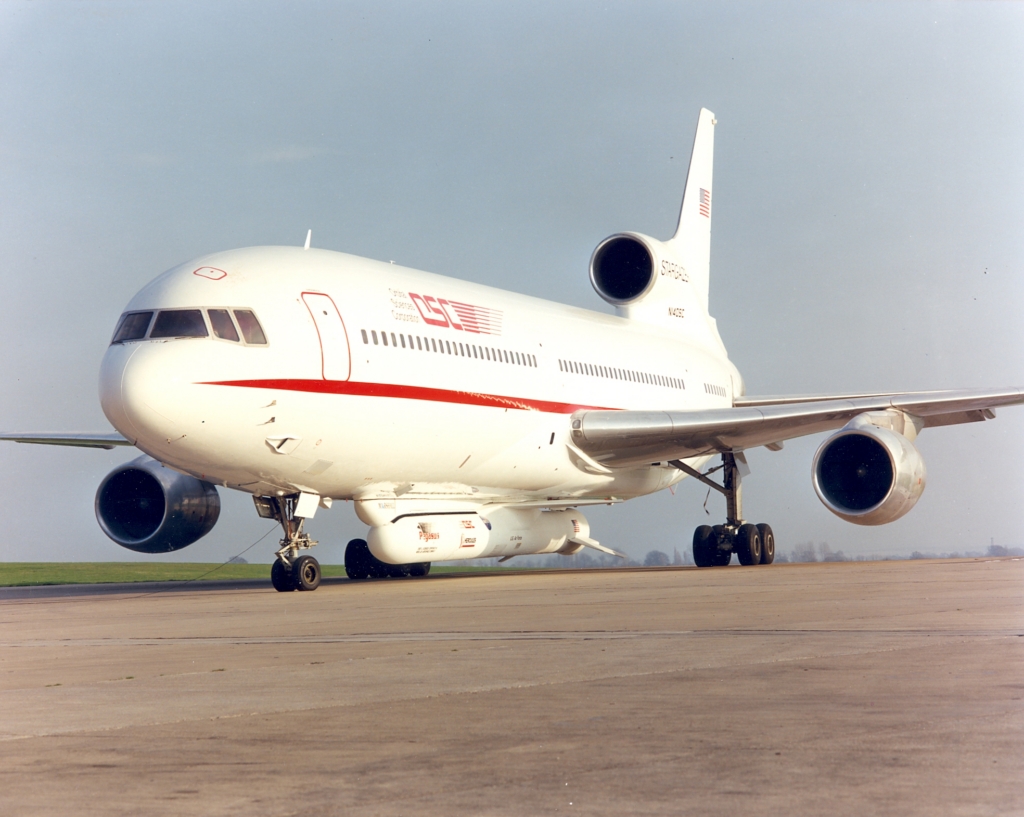
Still operated by Northrop Grumman in 2026, the aircraft remains the world’s last airworthy Tristar and is 52 years old.
2000-2010: Marshall’s American connections expand
The new millennium brought new opportunities for Marshall, particularly with two of the largest American aerospace and defence companies – Boeing and Lockheed Martin.
The most significant milestone during this period was the delivery of Lockheed Martin’s brand-new C-130J Super Hercules fleet to the Royal Air Force between 2000 and 2001. Marshall supported the transition to the new model, as well as handling maintenance and engineering for all 25 new aircraft.
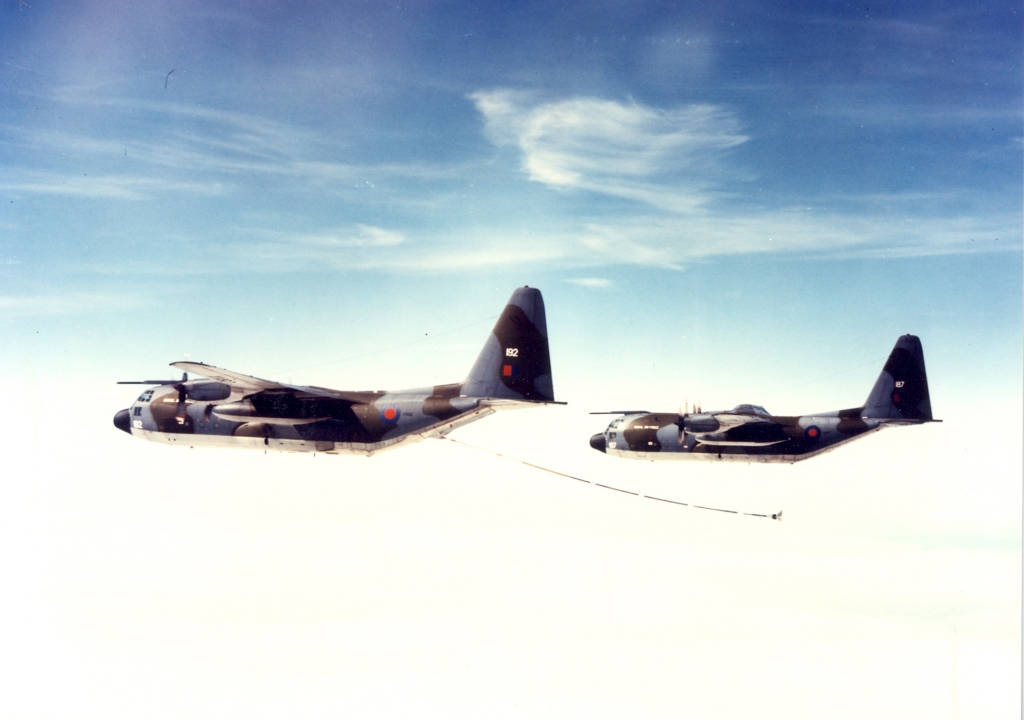
Marshall was also tasked with major engineering projects on the C-130 platform, including the production of Aerial Refuelling Probe Installation (ARPIS) modification kits for Lockheed Martin. The company also gained the world’s first authorisation to replace C-130 centre wing boxes and has since become a Lockheed Martin centre of excellence for this specialised work.
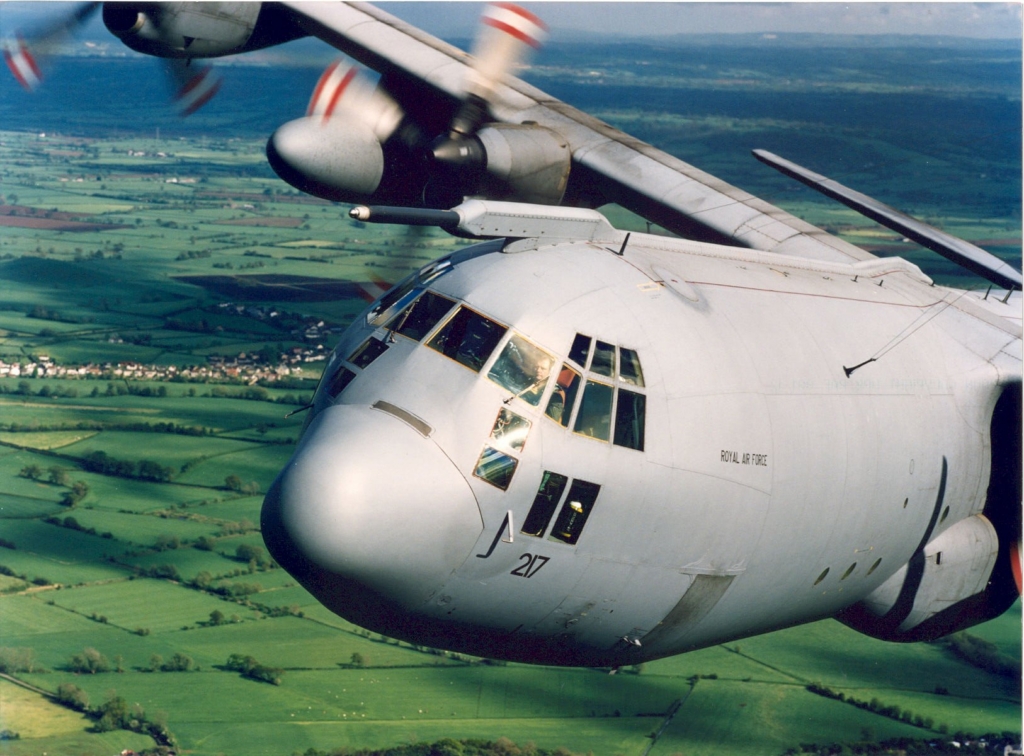
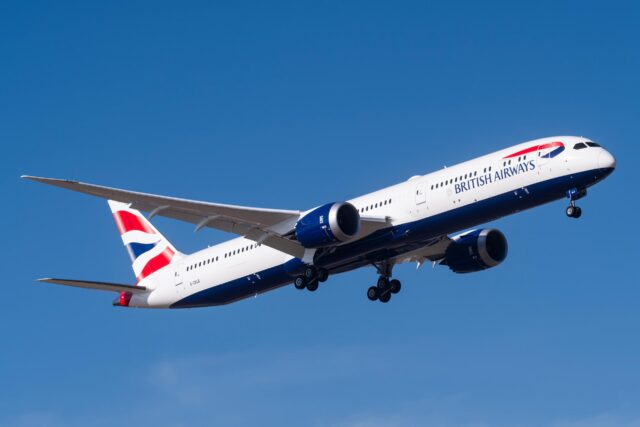
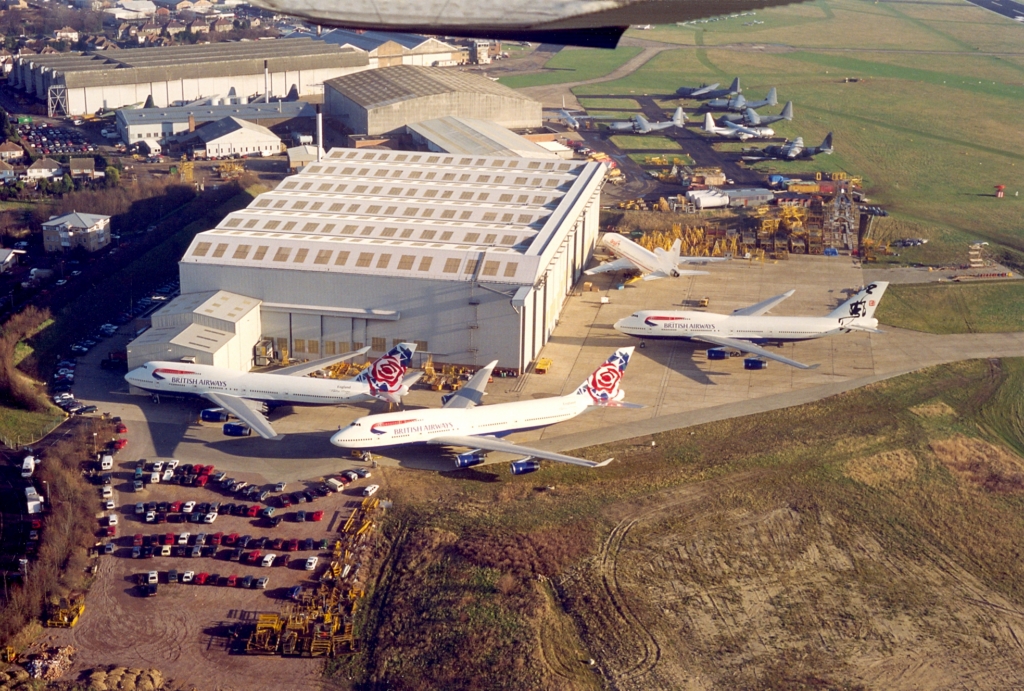
But it was not just C-130s that the company was working on by this stage. By the early 2000s, over 100 British Airways and Lufthansa Boeing 747 passenger aircraft had passed through the hangars at Cambridge Airport.
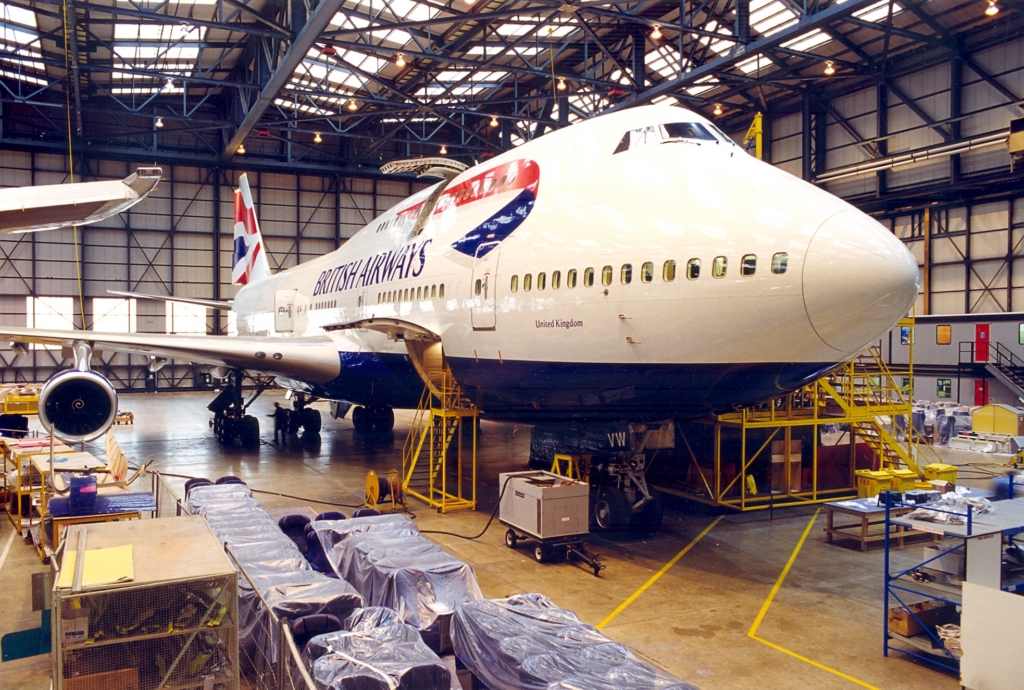
Modifications ranged from crew rest areas, first class enhancements, interior refurbishment and even the repainting of the tail fins to remove British Airways’ contentious ‘World Tails’ liveries, replacing them with the ‘Chatham dockyard’ scheme still seen on other BA aircraft today.
The company’s relationship with Boeing expanded into designing and producing auxiliary fuel tanks. In addition to supplying tanks for long-range variants of the 747, 767 and 777 jetliners, Marshall picked up one of the longest-running and most successful contracts in its history in support of the P-8 Poseidon platform – work that continues to this day.
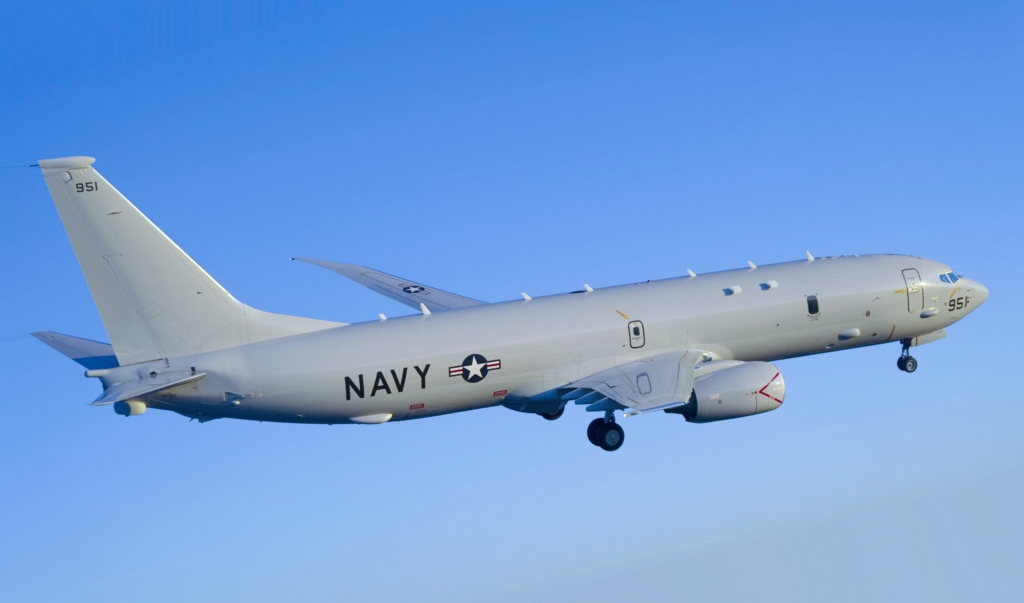
The company continues to produce auxiliary fuel tanks for the P-8, operators of which now include the United Kingdom, United States, Australia, Germany, India, New Zealand, Norway and South Korea, with over 1,200 tanks produced to date.
From 2020 to the present day
The last few years have opened a new chapter for Marshall, as the company has picked up several contracts directly with the US military.
In 2019, the company was awarded a contract supporting the entry into service of a new ‘Fat Albert’ C-130 – the iconic support aircraft operated by the US Navy’s Blue Angels air display team. Since then, the company has supported Fat Albert’s heavy maintenance schedule, and at the time of AGN’s visit, the aircraft was in the early stage of having its centre wing box replaced by Marshall engineers.
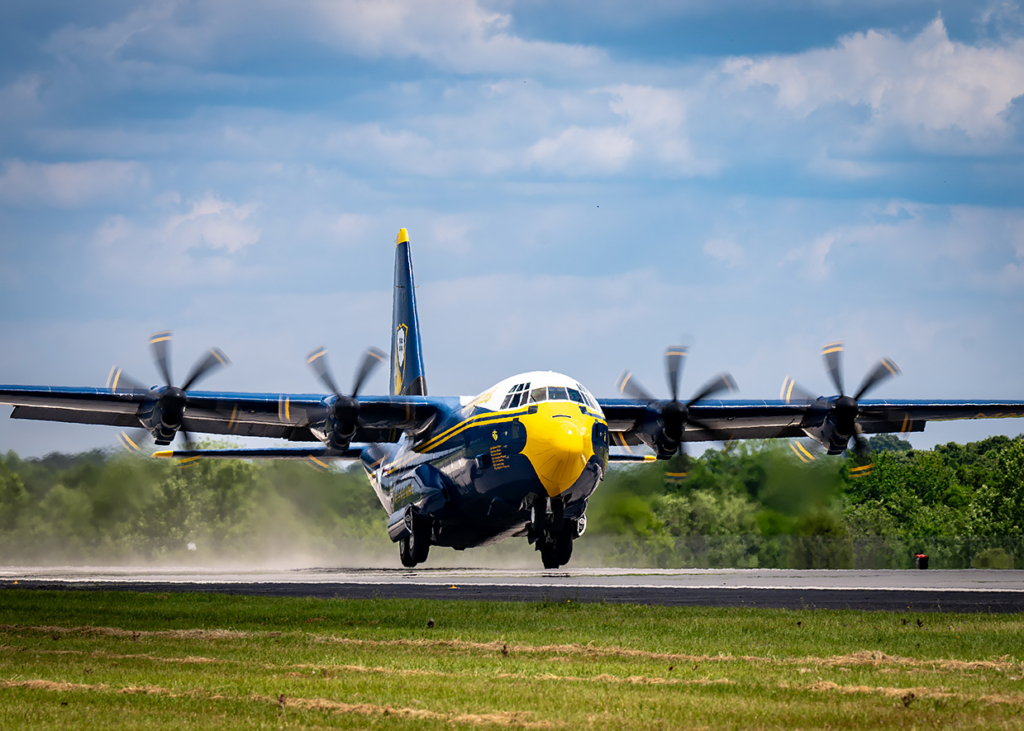
Having arrived in Cambridge in November 2025, the aircraft is due to stay with Marshall until early 2027, when this work is due to be completed.
Directly following this, Marshall won a multi-year foreign military sales contract (facilitated by the US government) to provide maintenance, repair and overhaul services for Kuwait’s KC-130J fleet.
In 2020, Marshall received a transformative ten-year contract to provide support for the fleet of 74 KC-130J aircraft operated by the US Marine Corps (USMC) outside the continental U.S. Since 2020, Marshall has supported all five of the USMC squadrons that operate these aircraft, which are based in diverse global locations ranging from Iwakuni, Japan, to Cherry Point, North Carolina.
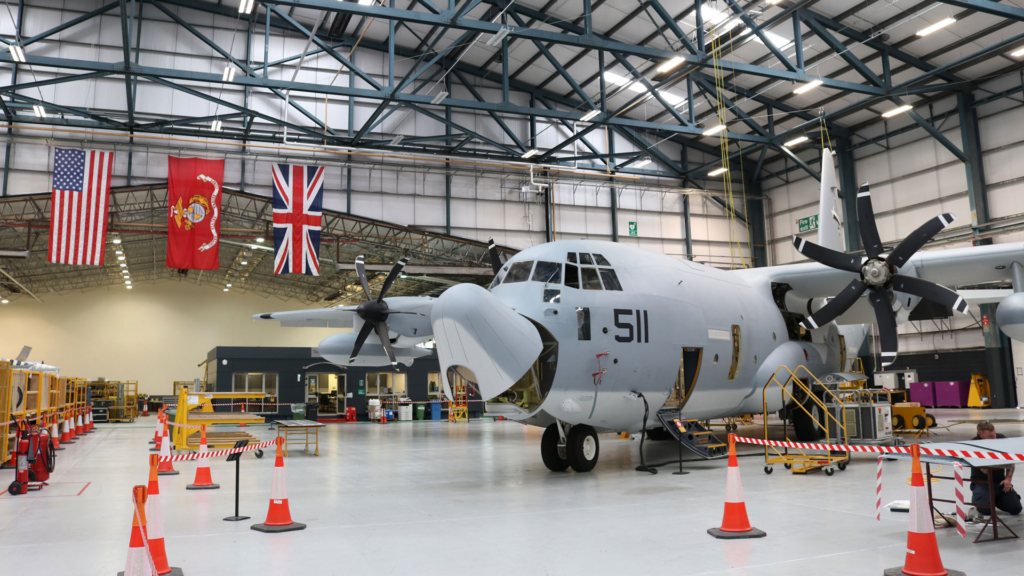
Marshall has also provided extensive technical support for the USMC, including adapting to issues such as limited availability of aircraft parts, complex engineering solutions, and one-off aircraft structural and manufacturing repairs caused by damage or heavy corrosion.
In 2025, as Marshall marked five years of support under the contract, the USMC published its annual Contractor Performance Assessment Report (CPAR), in which the company received ‘Exceptional’ ratings in the categories of Schedule and Supply, and ‘Very Good’ ratings for Quality, Cost Control, Management and Engineering.
Marshall and the C-130 today
With its expertise in building with the C-130, throughout the 1980s and 1990s, Marshall has continued to win work from air forces around the world – Australia, South Africa, Spain, Thailand, the Netherlands, Austria, Canada, and Denmark, to name a few.
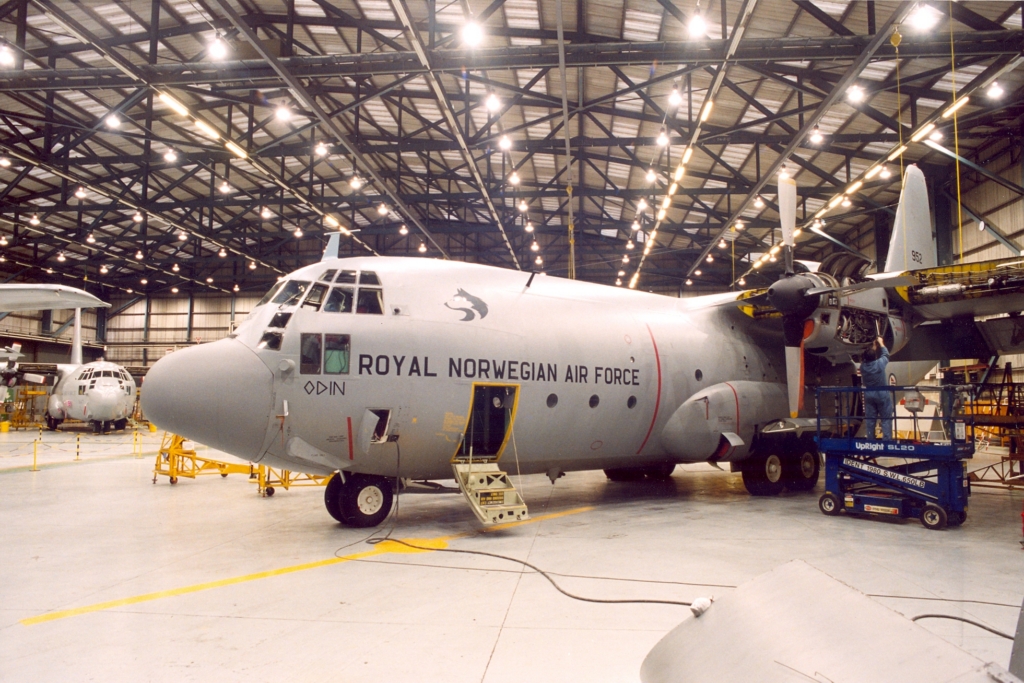
The company’s expertise with C-130s continues today, with aircraft from the US Marine Corps, US Navy, Oman, South Africa, Norway, and the Turkish Air Force all being worked on during Aerospace Global News’ visit in early February 2026.
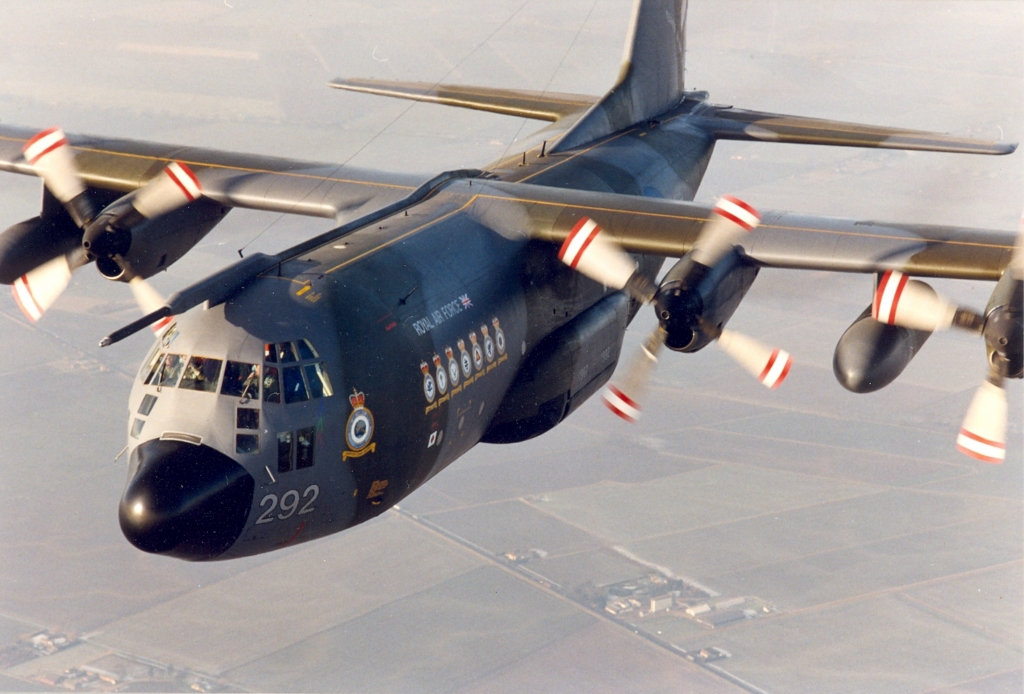
Additionally, with the withdrawal of the RAF Hercules fleet in 2023, the Turkish Air Force picked up 12 of these aircraft to be repurposed for active service in Turkey. These aircraft have been under a managed storage programme with Marshall, awaiting their turns in the hangars for modification, overhaul, and entry into service checks.
What the future holds for Marshall Aerospace
With around 1,200 C-130 aircraft still in active flying service, plus more continuing to roll off the Lockheed Martin production line, there is likely to be a lot more work to come on the type for Marshall in the future.
With the updating of the 12 former RAF aircraft for the Turkish Air Force, plus around five years of the USMC contract still to run, the future looks bright for the company, with no let-up in the C-130 work coming through the hangars at Cambridge Airport.
Additionally, the company will open a second production line in 2026 for sonar modules, supporting the Royal Navy and UK export partners through its contract with Thales. This will probably be one of the company’s most visible non-C-130 programmes in 2026 and beyond.
Notwithstanding all that, the company’s time at Cambridge Airport, its spiritual home since 1937, is drawing to a close. In May 2019, the company announced that the site had been sold for regeneration as a new community to be known as Cambridge East and that its current site would be vacated by 2030. The redeveloped site will include space for around 12,000 new homes plus business and other community facilities.
While Marshall had planned to move to an entirely new facility at Cranfield Airport (QKT), located some 40 miles to the west, in late 2025, these plans were shelved, with the company citing affordability issues.
At the time of writing, and with the deadline of 2030 looming, the company is said to be considering several other sites to which it can relocate its facilities, expertise and decades-old experience in the MRO sector.
An updated announcement on this is expected sometime in 2026. In the meantime, the work of the global fleet of C-130s, the sonar modules, and the production of P-8 Poseidon auxiliary fuel tanks continues unabated, relying on experience that has built up over the past 115 years since the dawn of aviation.
Featured image: Marshall Aerospace