Restored Ju 52 and Lockheed Starliner take centre stage in Lufthansa’s Hangar One

December 17, 2025
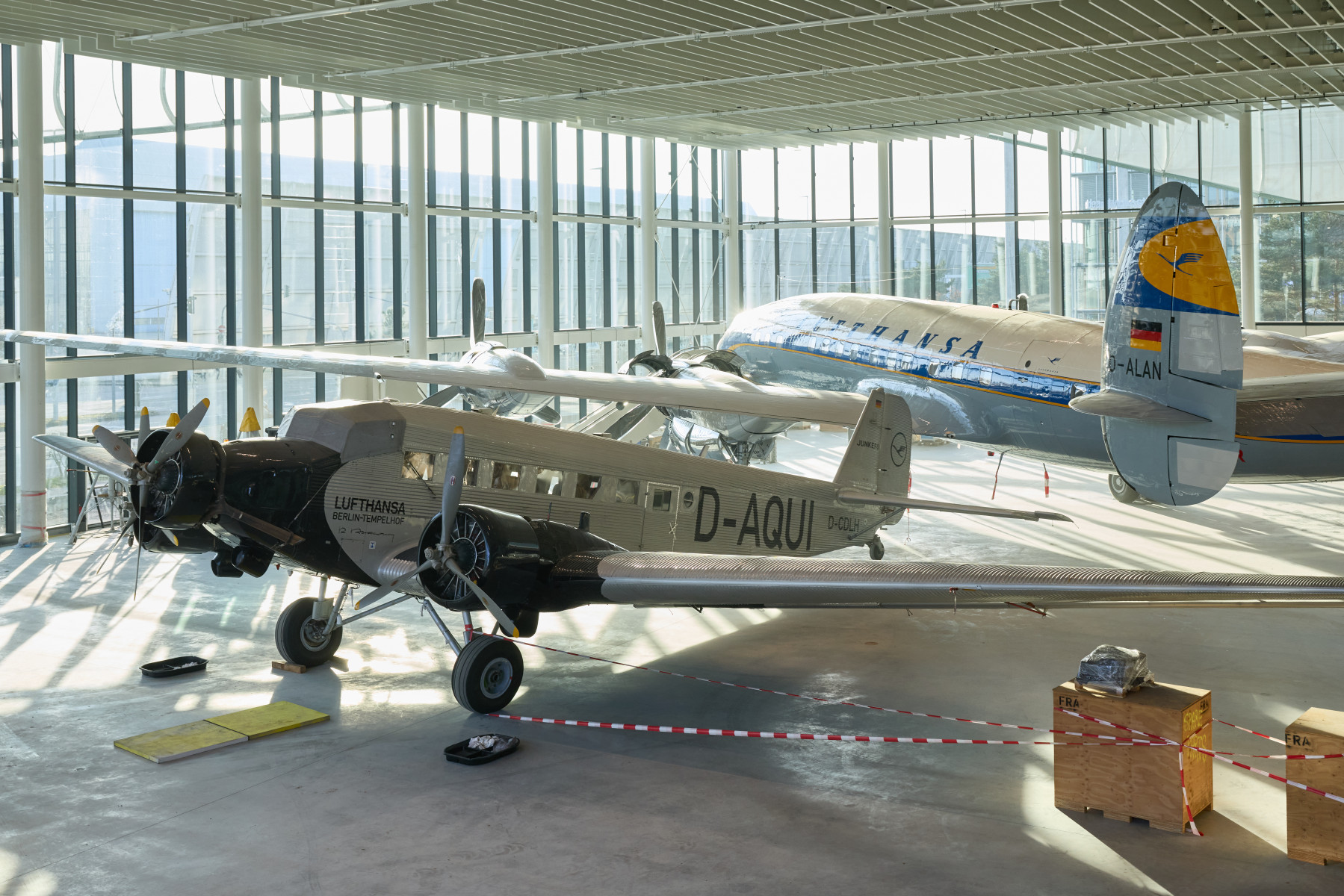
Lufthansa has completed the restoration of its two most important vintage aircraft, bringing a long-running preservation effort to a close ahead of the airline’s centenary year in 2026.
The aircraft, a Junkers Ju 52 and a Lockheed L-1649A Starliner, have now been brought together under one roof for the first time following years of painstaking restoration work. They will become the centrepiece exhibits at Lufthansa Group’s new Hangar One conference and visitors centre near Frankfurt Airport.
18 years of work to restore two vintage Lufthansa aircraft
Lufthansa’s decision to reunite the Junkers Ju 52 and Lockheed L-1649A Starliner under one roof has been almost two decades in the making.
Lufthansa and its restoration arm, Lufthansa Super Star GmbH, invested over €150 million into the Lockheed Starliner project before plans to return the aircraft to flight were abandoned. The investment covered more than a decade of restoration work, labour and parts while attempting to make the 1957-built propliner airworthy, before the focus shifted to a high-quality static restoration instead.

In parallel, Lufthansa’s Ju 52 D-AQUI, restored to exhibition standard by the Quax Association at Paderborn-Lippstadt, was prepared for permanent display rather than a return to passenger flights.
Over the past few months, the two classic airliners have been delivered in individual parts by heavy transporters to the site of their new home and have been meticulously reassembled site by a specialist team from Lufthansa Technik.
The completion of the restoration work clears the way for the aircraft to be publicly displayed at Lufthansa Group’s new Hangar One facility in Frankfurt.
Lufthansa’s Hangar One conference and visitor centre at Frankfurt Airport
The Junkers Ju 52 and the Lockheed Starliner are due to become the centrepiece attractions at what will be a brand new conference and visitors centre, near the global headquarters of the Lufthansa Group near Frankfurt Airport (FRA).
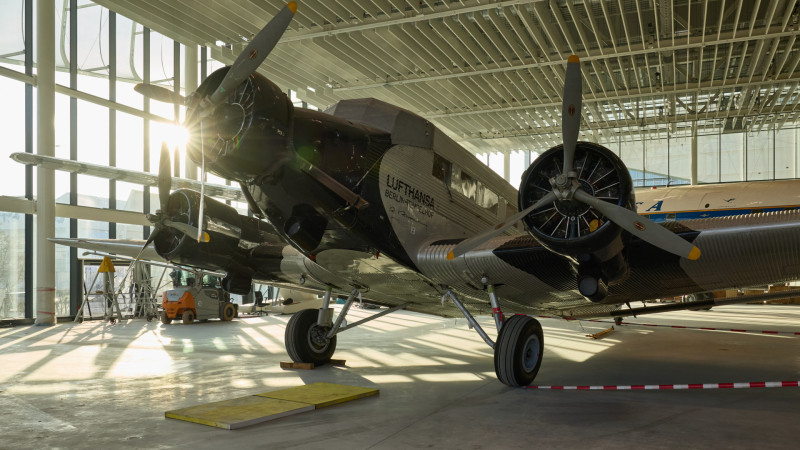
Constructed to incorporate as much natural light as possible, a high-level glass façade will allow visitors to see the two vintage airliners as they take centre stage in the atrium of the new centre.
The opening of the conference and visitor centre in early 2026 has been planned to coincide with the 100th anniversary of the founding of the original Deutsche Luft Hansa airline in 1926. Along with the opening of Hangar One, Lufthansa has designed a new livery and will be applying it to six aircraft types to celebrate its centenary.
Construction of the new conference and visitor centre at Frankfurt Airport began in 2024, which, according to the airline, will become “a place for new forms of collaboration for employees and, at the same time, for customers, business partners, and aviation enthusiasts.”
In an open gallery, visitors will be able to explore numerous exhibits from Lufthansa’s corporate history, some of which will be on public display for the first time.
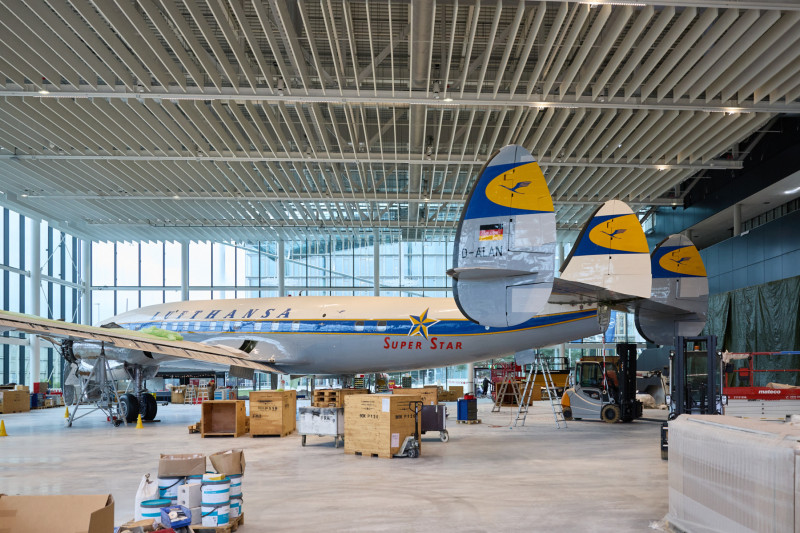
Like the group’s training and conference hotel (Lufthansa Seeheim), the Frankfurt conference and visitor centre will also be open for external events and will offer visitors catering services in a dedicated coffee lounge.
Junkers Ju 52 D-AQUI, Lufthansa’s iconic pre-war airliner
First developed in the 1930s, the Ju 52 set new standards in passenger and cargo transport. Its versatility made it an indispensable companion in civil and military aviation.
Originally designed as a single-engine plane in 1930, the three-engine version became iconic, with thousands of the type being built between 1931 and 1952.
The aircraft was famous for its three engines and corrugated metal exterior, which gave it impressive durability and allowed it to land on rough, unprepared runways.
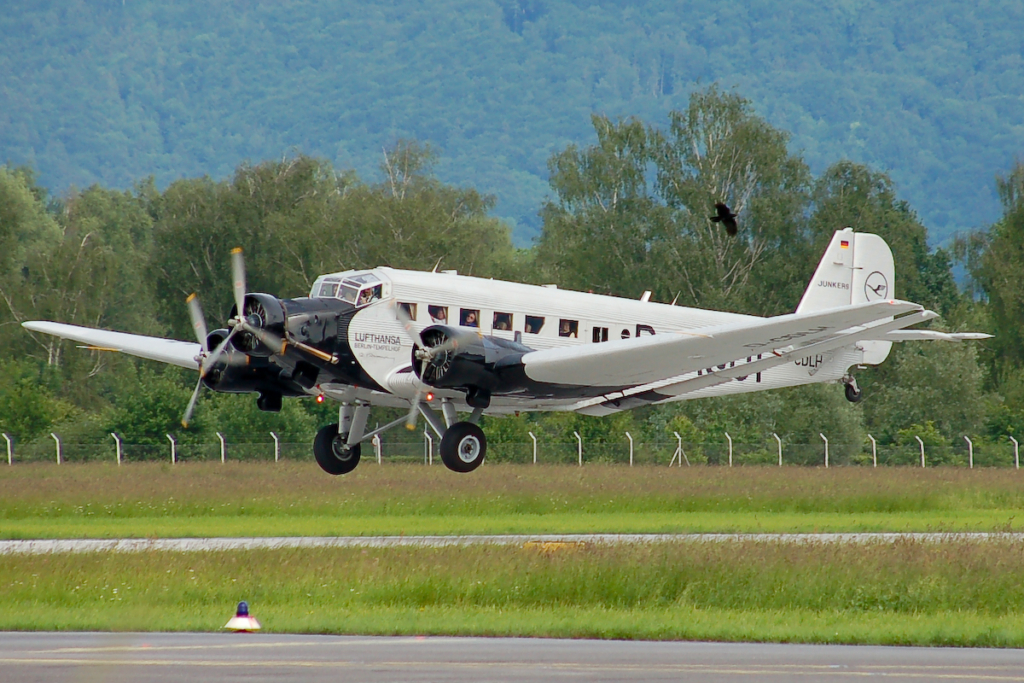
The first Junkers Ju 52 piston-engined airliner first appeared in the Lufthansa fleet in 1932 and quickly became the backbone of the airline’s fleet, making up 50% of the carrier’s fleet at the peak of its service career.
The aircraft in Frankfurt, D-AQUI, wearing the airline’s 1936 livery, was purchased by Lufthansa in 1984 for its 60th anniversary. Before that, it had been performing on the European air show circuit for years, while also carrying out special commemorative passenger flights
The ‘Aunt Ju’, as D-AQUI is named, has spent the past for years at Paderborn-Lippstadt Airport (PAD). There, a group of aviation enthusiasts has restored it to bring it back to exhibition standard. Although the aircraft has not flown in six years, the aircraft is now back to its original condition, showing little evidence of its lengthy 80-year flying career.
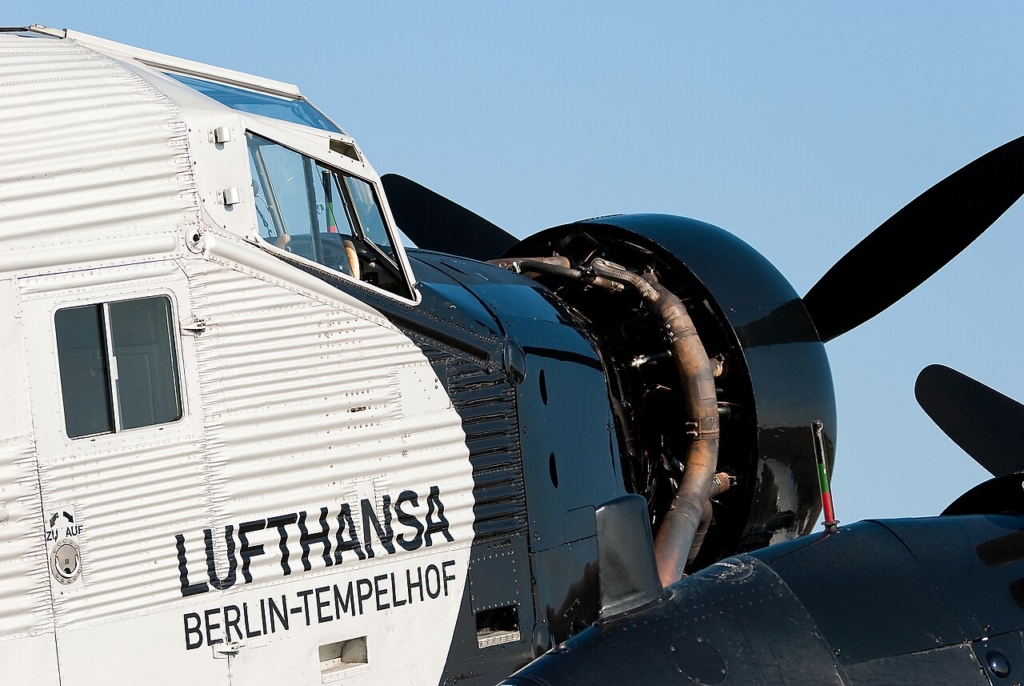
According to Lufthansa, the Ju 52 is “much more than an aircraft; it is a symbol of pioneering spirit, engineering excellence, and the fascination of aviation. Today, the Ju 52 is considered a cult aircraft that makes the hearts of aviation enthusiasts beat faster.“
Lockheed L-1649A Starliner D-ALAN, Lufthansa’s flagship transatlantic propliner
In 1957, the Lockheed ‘Super Star’ (as the type became known within Lufthansa) Starliner joined the company’s fleet to serve points between Germany and the United States.
On these flights, the airline offered its Senator class for the first time in the carrier’s history. The 32 passengers on board could enjoy the benefits of an onboard chef and freshly prepared meals, passing the almost 17-hour flight in sleeping accommodation with semi-lie-flat seats.
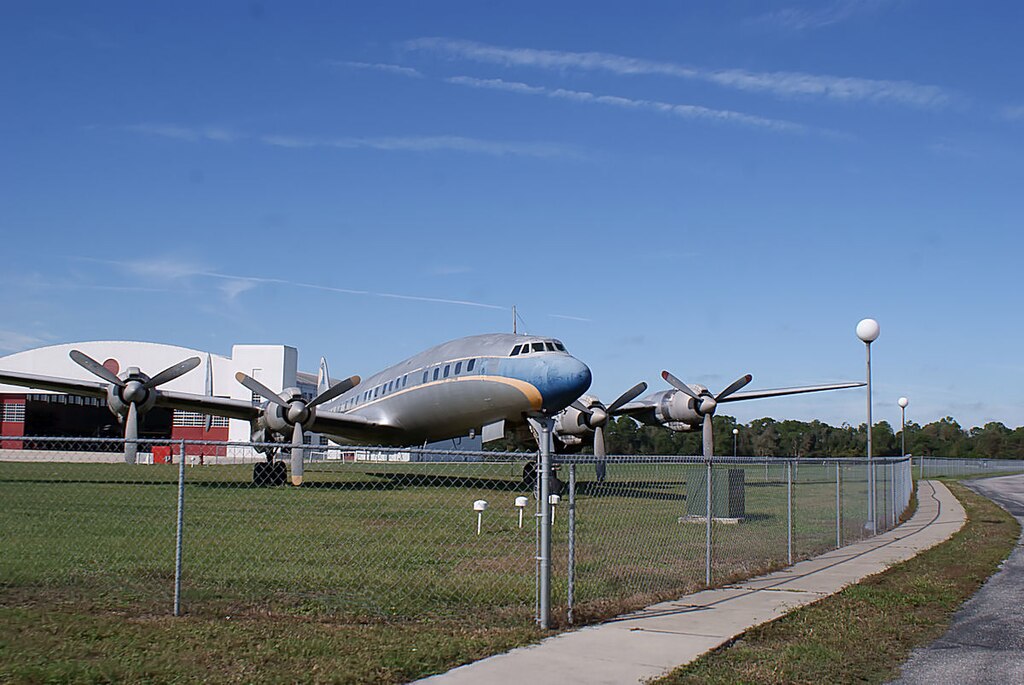
With its four piston engines, the Super Stars heralded a new era of transatlantic air travel. These flights departed from Hamburg, where the airline’s maintenance base was also located. The Super Star measures 35.42 meters long (116ft) and has a wingspan of 45.18 meters (148ft) and a height of 7.12 meters (23.3ft).
Four of the aircraft (out of the 44 built in total) served with the carrier until they were superseded by the arrival of the jet age and the introduction of next-generation Boeing 707s in the mid-1960s.
Lufthansa Super Star GmbH (LSSG) was established as a subsidiary company of the Lufthansa Group in 2015 to restore the aircraft, originally a Trans World Airlines 1957-vintage machine, to airworthy condition. Work on the aircraft originally began in Auburn, Maine, where the aircraft was in storage at that point.
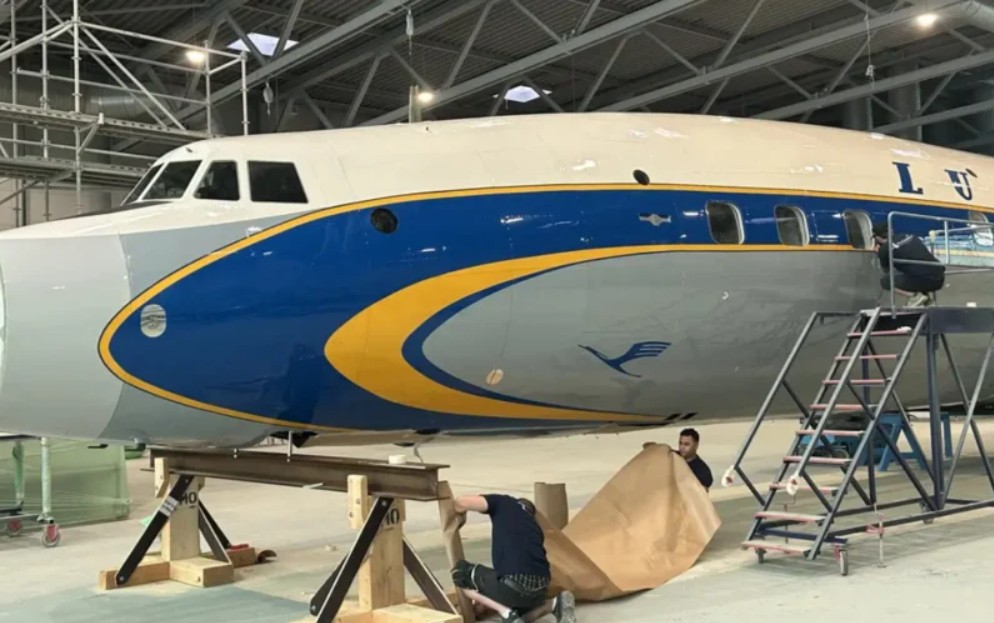
However, in 2018, after investing over 150 million euros into the project, along with over ten years of labour, the plans to return the Lockheed Super Star to the air were discontinued due to a lack of funds and soaring costs.
However, unwilling to confine the aircraft to the scrapper, LSSG vowed to continue its good work in restoring the aircraft to a high static-only condition.
In 2019, the aircraft was shipped to Bremen in Germany, where it was stored until February 2021, when it was transported to Paderborn. Then, in October 2023, it was relocated once more in sections to Lufthansa Technik’s base in Hamburg for full re-assembly and for its preservation efforts to be completed.
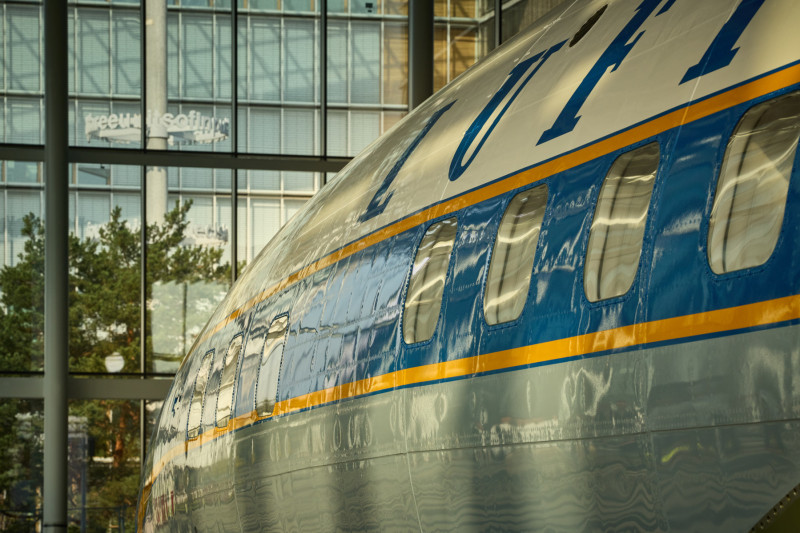
In January 2025, the completed aircraft was rolled out of Lufthansa Technik’s facility and, once fully repainted into Lufthansa’s iconic Flying Crane livery of the 1950s, was dismantled and transported to Frankfurt by road.
Now fully reassembled and resplendent in its new-old livery, it has taken up its position next to D-AQUI as the pair form a guard of honour for anyone who will enter Hangar One in the future.
Featured image: Lufthansa