What was improved to turn the C-130 into the C-130J Super Hercules?

March 22, 2026
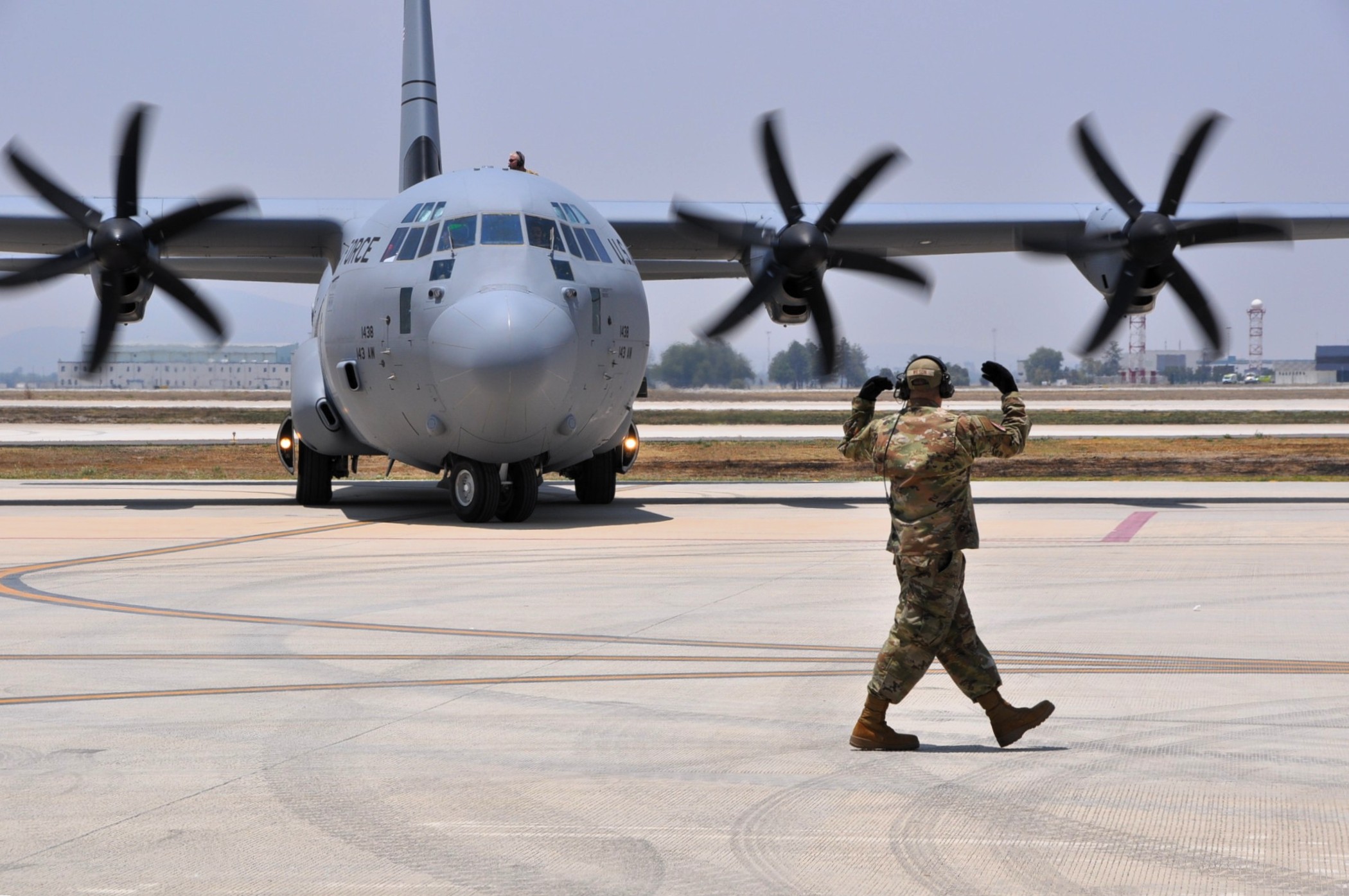
While the C-130H represented an evolutionary generational upgrade from the original C-130A/B/E series, the C-130J is essentially a new aircraft that retains the classic Hercules airframe. The C-130J offers a significant leap in capabilities over legacy C-130Hs and is expected to remain in production into the 2040s.
Background to the Lockheed C-130
The Lockheed, now Lockheed Martin, C-130 series is famous for being the longest continuously produced military aircraft. It has been in continuous production for 72 years and will remain in production for at least 14 more years.
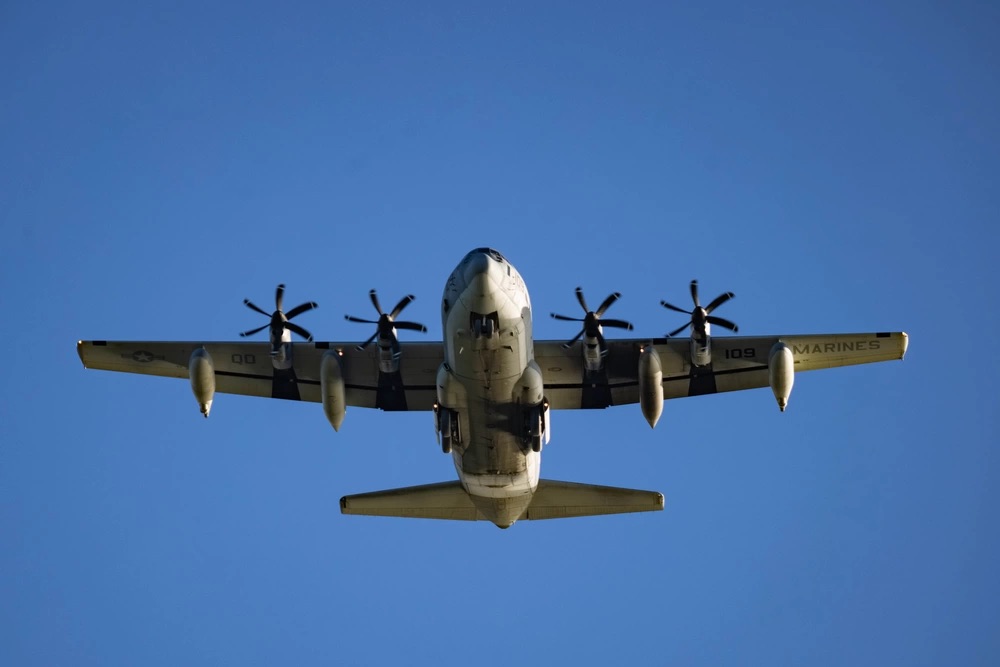
The development of the C-130 traces back to 1951 when the United States Air Force issued a General Operating Requirement (GOR) for a new transport aircraft to replace WWII-era piston engine transports like the C-47 Skytrain and the C-119 Flying Boxcar.
At the time, potential contractors included Boeing, Fairchild, Lockheed, Martin, Chase Aircraft, North American, Douglas, and Northrop. Lockheed’s design won, with the first flight taking place in 1954 before entering service in 1956.
The C-130 proved to be the world’s most successful tactical airlifter with more than 70 variants produced. It has gone on to become an electronic warfare aircraft (Compass Call), gunship (AC-130), tanker (KC-130), and much more.
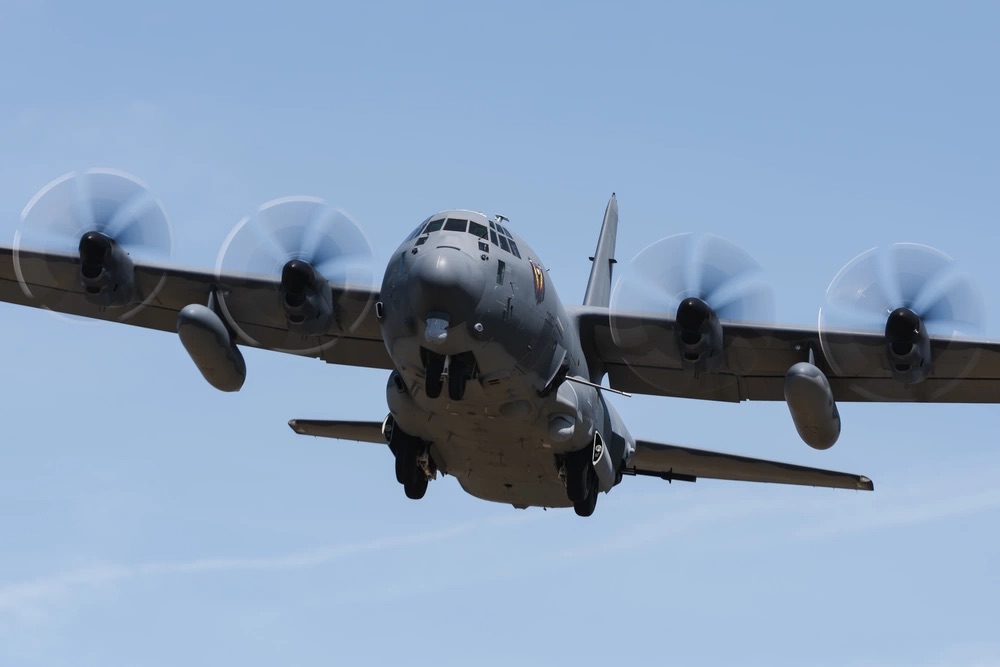
The final legacy transport C-130 variant before switching over to the updated C-130J is the C-130H. But even the C-130H was significantly different from earlier versions. To understand how the C-130J differs from the C-130H, it’s helpful to understand how the C-130H differs from the C-130A/B.
The original Lockheed C-130A/B/E series
The C-130A was the original production model. It came with Allison T56-A-11/9 turboprop engines and has just three propeller blades. These were upgraded to the Allison T56-A-7 engines and four blades for the C-130B variant three years later, in 1959.
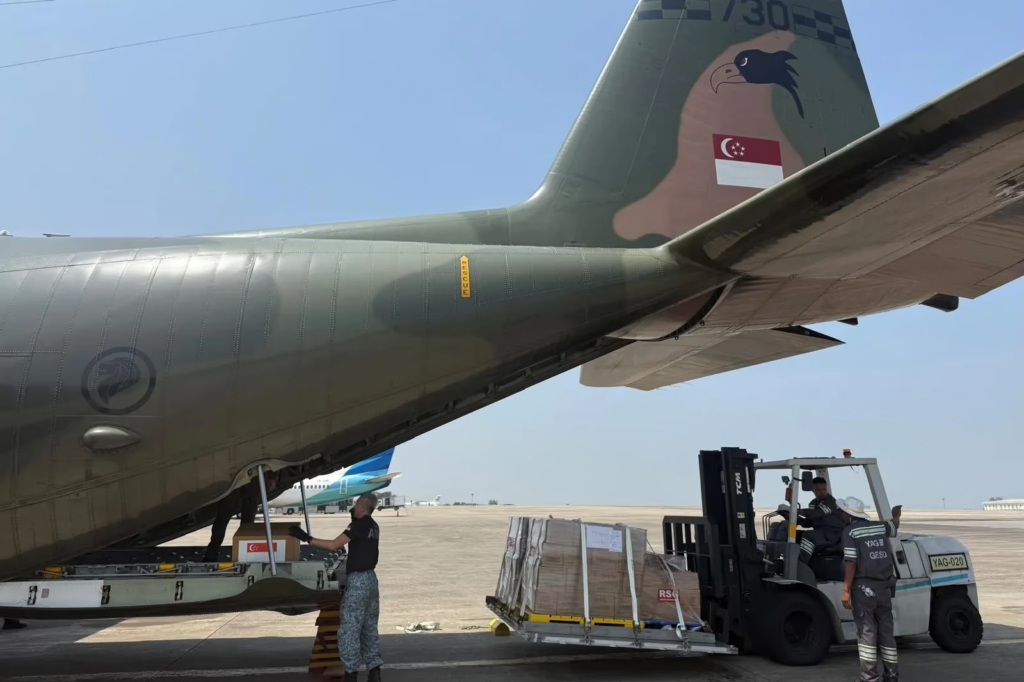
The 1962 C-130E used the same engines as the C-130B, but added two 1,290 US gallon external fuel tanks for extended range and had an increased maximum takeoff weight.
These three models are collectively known as the original variants, and a total of under 1,000 examples were ordered. These were designed with basic analog instrumentation and no GPS or modern warning suites.
The vast majority of legacy Herks still in operational service in 2026 are C-130Hs, although there are still a limited number of original C-130Bs flying.
Lockheed C-130H: 1964 to 1996
The Lockheed C-130H became the backbone of the fleet and is better thought of as a generational upgrade over the original C-130A/B/E models.
The C-130Hs are 4,590 shaft horsepower engines (vs original 3,750–4,050 shaft horsepower) that provide noticeably better climb, hot/high performance, and payload capability.
The C-130H came with 4-bladed Hamilton Standard 54H60 constant-speed, fully feathering/reversible propellers, which replaced the 3-bladed propellers seen on the original C-130A.
The C-130H has a suite of upgraded avionics and systems, though some of these are retrofits and improvements made later (such as GPS and APN-241 radars).
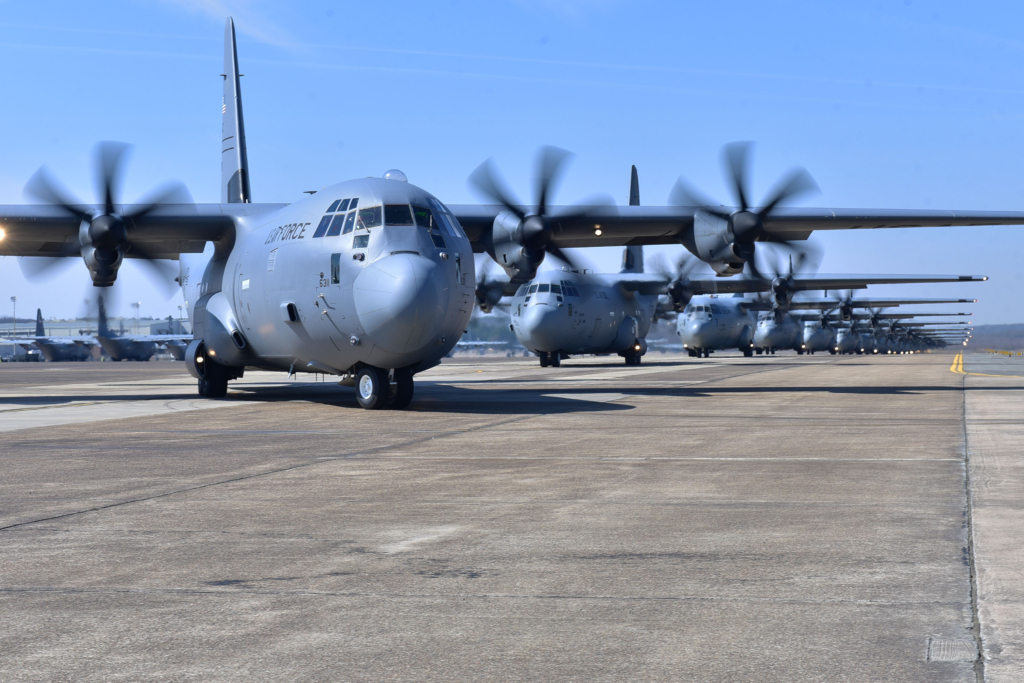
The C-130H recieved continuous upgrades throughout its production life. For example, in its twilight production years (1992-1996) it recieved a redesigned outer wing offering increased strength and better fatigue life.
Over time, its maximum takeoff weight increased to 155,000 lbs, its ferry range improved, and its electrical systems were upgraded.
Lockheed Martin C-130J Super Hercules since 1996
The C-130J Super Hercules supplanted C-130H production in 1996. To a large extent, the C-130J is a new aircraft more than it is an upgrade of an old aircraft, even though it uses the same basic airframe.
Lockheed Martin took its C-130 and designed it from the ground up, retaining the classic Herk shape and mission.
As with almost every major aircraft modernization programme, the C-130J recieved new engines. It is powered by all-new Rolls-Royce AE 2100D3 turboprop engines that are dramatically more powerful and fuel efficient than the old Allison T56 series they replace.
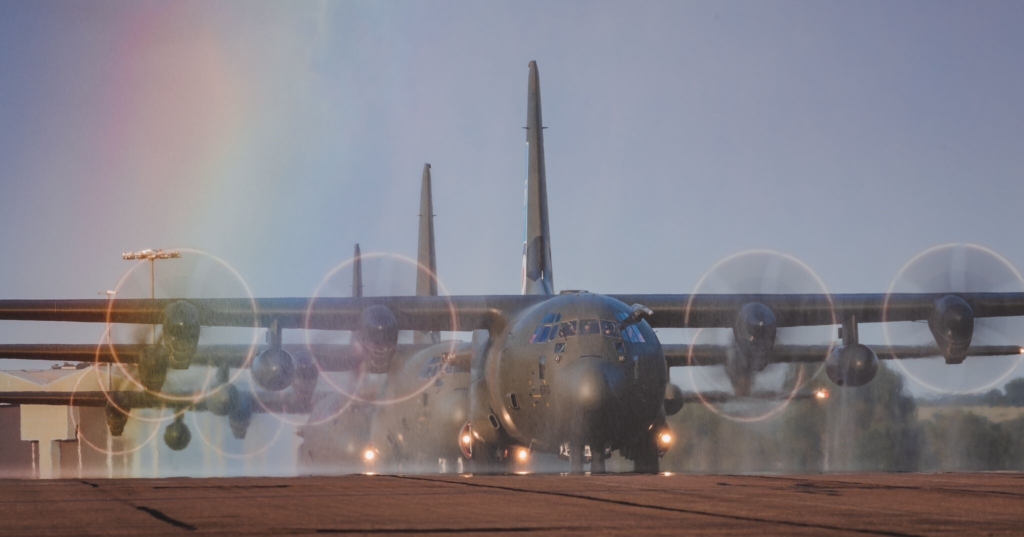
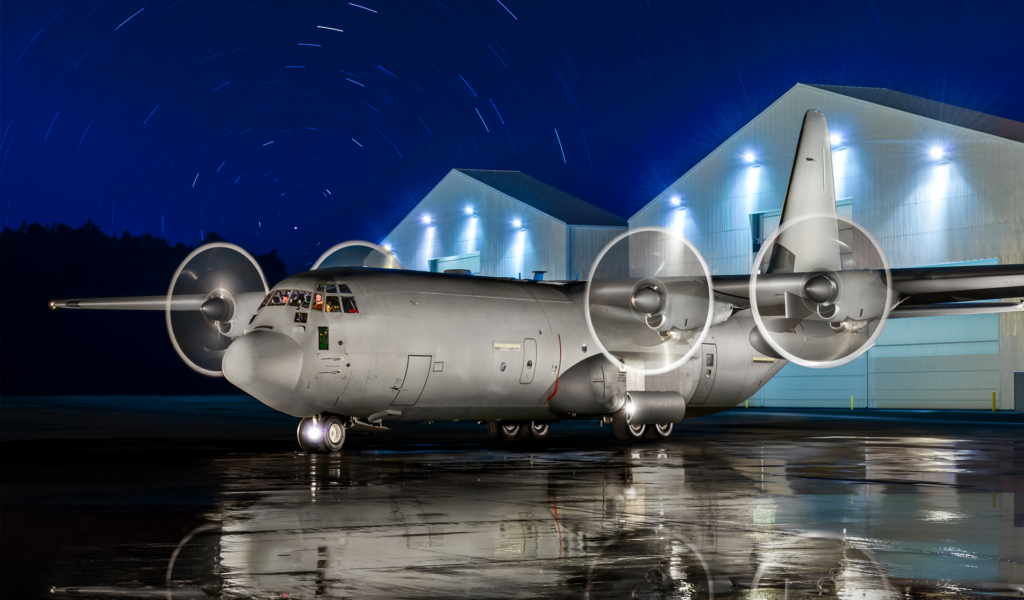
The number of blades was increased again to six Dowty R391 composite scimitar propellers with 35° swept tips. They are far quieter, much more efficient, and have improved thrust.
The flight deck and avionics were all reworked. The Super Hercules comes with a fully digital “glass” cockpit with dual head-up displays for the two pilots. The crew count was reduced with the requirement for a navigator or flight engineer eliminated.
Its maximum take-off weight rose to 164,000 lb (175,000 lb in some configurations), and its maximum payload is 46,700 lbs (for C-130J-30).
The Super Hercules also comes with the stretched C-130J-30 variant with a 15-foot longer fuselage. The aircraft increases the airborne troop capacity from 92 to 128, the 463L pallets from six to eight, and the max load by 2,000 lbs.
The Royal Air Force was the first C-130J-30 customer, although these aircraft have now been retired and sold to Turkey.
How the C-130J outperforms the C-130H
In terms of performance, according to Lockheed marketing material, the Super Hercules has around 21% greater max speed, range increased by around 40%, and a 41% shorter takeoff distance than the C-130H. It is less manpower-intensive to operate and is cheaper to fly per flight hour.
One mission set where the C-130J’s increased performance can be seen is with the USAF 109th Airlift Wing of the New York Air National Guard that operates legacy LC-130H-2s and LC-130H-3s in the Arctic equipped with snowskis.
Sometimes the aircraft is not able to generate enough thrust to overcome the increased snow resistance and safely take off. When this happens, they fire their Aerojet 15-KS-1000 jet-assisted-take-off rocket pods, with each pod providing an extra 1,000 lbs of thrust for 15 seconds.
The much more powerful C-130J would not likely require these external strapped-on rocket pods when operating on the ice and snow. Its improved propellers and engines provide it with the raw power it needs to get airborne. The 109th is now exploring transitioning to ski-equipped C-130Js.
Get the latest aerospace defence news here on AGN.
Transition to the C-130J
Air forces around the world, including the United States, are still generally transitioning to the C-130J Super Hercules from the C-130H, although there are exceptions.

The Royal Australian Air Force is notable for already ordering its second wave of C-130Js to replace its now-aging initial C-130Js. Singapore is the opposite example that is finally replacing its old C-130Bs, but with 40-year-old second-hand C-130Hs from Spain.
During the Cold War, the C-130 series was “the” non-Soviet tactical airlifter with over 2,000 built. Demand for the C-130J has been strong, with over 540 examples delivered and more ordered.
But times are also changing, and the C-130J has increased competition. The smaller Airbus C295 airlifter competes at the lower-end, while the larger tactical/strategic Airbus A400M Atlas competes at the higher end.
The new jet-powered Embraer C-390 Millennium is competing more directly with the C-130J. Ukrainian/Russian (mostly Antonov) tactical airlift competitors have all currently declined in production or stalled.

In 2026, it was confirmed by Lockheed Martin to AGN that it had suspended its C-130J deliveries as it integrates new comms upgrades into new production airframes. Lockheed told AGN that it expects to deliver 16-24 C-130Js in 2026.
Featured Image: US Air Force