Fuel hedging: Which airlines do it and why?

April 12, 2026

Fuel hedging is a risk management strategy opted for by airlines around the globe to minimize exposure to fuel volatility. A fuel hedge contract enables airlines to cap their future fuel cost at a specific level for a specific period of time. The US-Israel strikes on Iran have spiked the cost of oil, particularly jet fuel. Jet fuel prices have nearly doubled since the start of the war, quickly expanding into the airlines’ bottom line.
Global carriers with fixed fuel hedging contracts are significantly less exposed to the spiked fuel costs. With the cost of fuel being the second-largest expense for airlines, hedging settlements allows airlines to manage their operating expenses and profits.
Airlines aim to benefit from fuel hedging contracts
Major airlines in the US have long abandoned fuel hedging practices. With the continuous increase in oil prices, airlines in the US will be impacted the most. China has a similar storyline with no major fuel hedging contracts in place. Chinese aviation in general is greatly exposed to volatility in jet fuel prices.
Major airlines in Europe greatly benefit from fuel hedging, particularly when profit margins are very thin.
Reuters reports that budget airlines in Europe can see an impact of over 30% to its profit margins should the price of fuel increase by 10%. Legacy airlines in Europe, such as Air France-KLM and Lufthansa, may record between 3% and 10% impact on their bottom line. Air France-KLM, Ryanair, EasyJet, Lufthansa, and IAG hold some of the largest fuel hedging contracts in Europe.
Other major carriers across the globe include Air New Zealand, Qantas, Virgin Australia, Singapore Airlines, and Icelandair. Most of these airlines bear fuel hedging contracts that go as far as the first half of 2027.
Fuel hedging contracts that enable cost management
Fuel hedging protects airlines from spikes in fuel costs by using future contracts. While it can turn into a potential loss if fuel prices slide, airlines generally benefit from such derivative contracts. Without hedging, a small increase in fuel prices can cost airlines tens of millions each year.
Reuters states that a one-cent-per-gallon increase in jet fuel can cost major US airlines like Delta and American up to $50 million a year. Future hedging contracts, options, and swaps protect against such volatility, locking fuel prices for months or years in the future. Airlines agree to buy jet fuel at a set price in the future, irrespective of the cost during that period.
Option contracts offer greater flexibility with the right to buy fuel at a specified strike price. It is also common for airlines to hedge against the US dollar value, in which jet fuel is priced. Having active hedging contracts allows airlines to stabilise their ticket costs while ensuring predictable profit margins for a specific period of time.
Major airlines hedge up to 80% of their fuel
The Air France-KLM Group recently increased its fuel hedging exposure to 87%, which extends to two years in the future. Given current spikes in fuel prices, the airline is sure to benefit from stable operating expenses during this time. The IAG Group, owner of British Airways and others, also holds large hedging contracts that secure fuel prices for multiple quarters into next year. German flag carrier, Lufthansa, controls a set forecast of 28% through derivative furl hedging contracts.
Airlines face fuel shock as Middle East crisis tests hedging strategies
— CAPA – Centre for Aviation (@CAPA_Aviation) April 1, 2026
The sudden surge in global oil prices following escalating conflict in the Middle East has once again placed airline fuel strategies under intense scrutiny.
Read more: https://t.co/QHSFfzf2gk… pic.twitter.com/JqZnfTS9F4
European budget carriers, including Ryanair and EasyJet, rely heavily on fuel hedging contracts. Ryanair has locked approximately 80% of its jet fuel for next year. EasyJet hedged 84% of fuel for the first half of the year, 62% for the second half, and 43% for the first half of 2027.
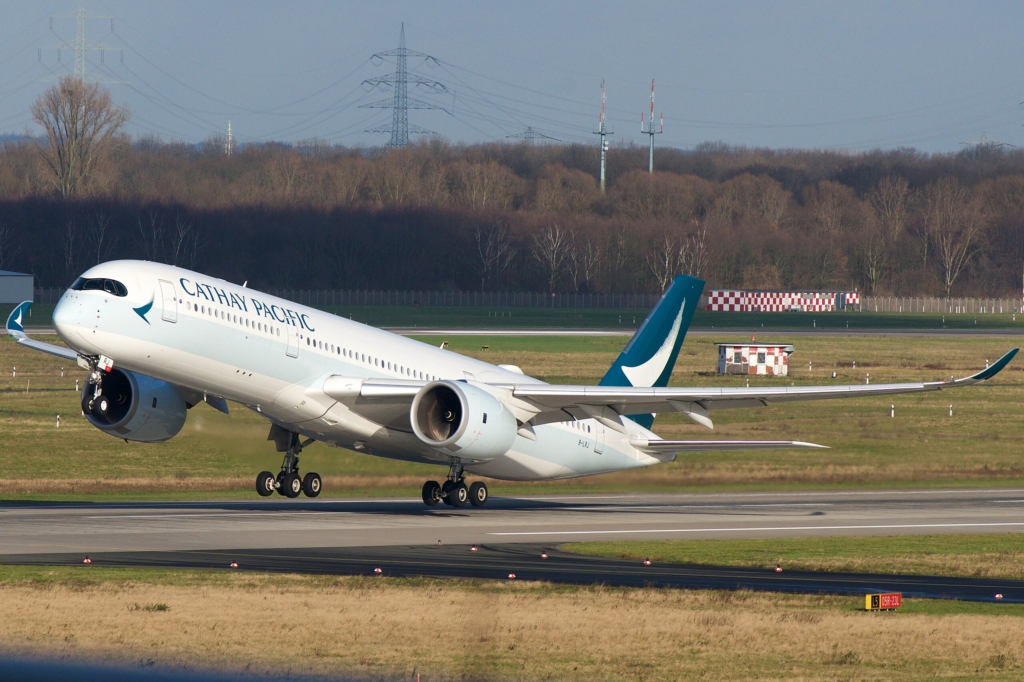
Air New Zealand hedges 83% of its fuel through to the end of this year, and 46% for the first half of 2027. Qantas has 81% of its fuel hedged for the first half of this year. Cathay Pacific, Hong Kong’s national carrier, hedges approximately 30% of its fuel into the first half of next year.

Singapore Airlines has hedged fuel for up to five years, locking in between 24% and 49% until the end of 2027, and 7% in the following years. It is noteworthy that if fuel prices slide below the hedged price, airlines lose potential money while overpaying the market cost.
Featured Image: Hanohiki | Adobe Stock