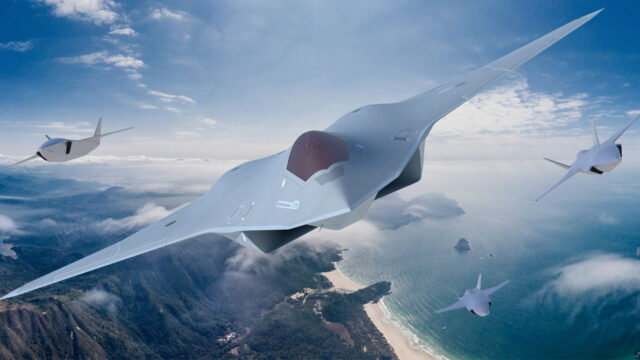
Germany questions need for FCAS fighter as Airbus admits programme at ‘difficult juncture’

February 19, 2026

Germany’s commitment to Europe’s flagship sixth-generation fighter programme is once again under strain, this time not from industry infighting but from the Chancellery itself.
Chancellor Friedrich Merz has publicly questioned whether Germany even needs the Future Combat Air System’s Next Generation Fighter in its current form, casting fresh uncertainty over a project already beset by Franco-German tension.
His remarks come as a long-promised attempt to resolve disputes with France slipped beyond its original deadline. Hartpunkt reported last week that a decision is expected soon, maybe by the end of the month.
Merz questions Germany’s need for carrier-capable FCAS fighter
Speaking on the Machtwechsel podcast, and reported by Reuters, Merz drew a sharp distinction between French and German operational needs.

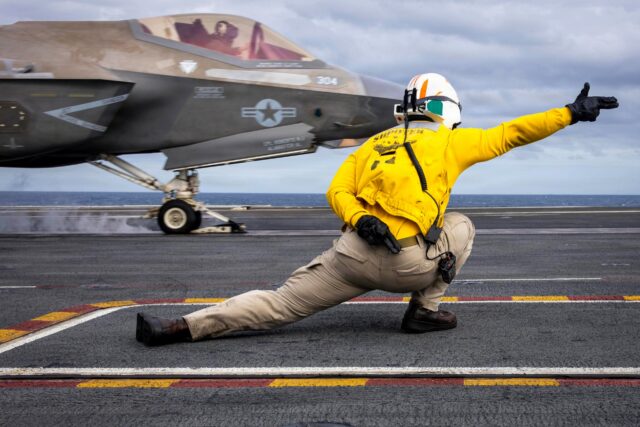
“The French need a nuclear-capable jet that can land on an aircraft carrier,” he said. “We do not currently need this in the German armed forces. If we cannot resolve this, we will not be able to continue with the project.”
France is developing a successor to the Charles de Gaulle aircraft carrier and wants a navalised FCAS variant capable of operating from it. Germany, by contrast, has no carrier fleet and no requirement for deck operations.
Carrier compatibility imposes design constraints, particularly around size, weight and structural reinforcement. France’s Rafale, built by Dassault Aviation, is optimised for both land and carrier operations, a compromise German commentators argue affects range and payload compared with the land-based Eurofighter.
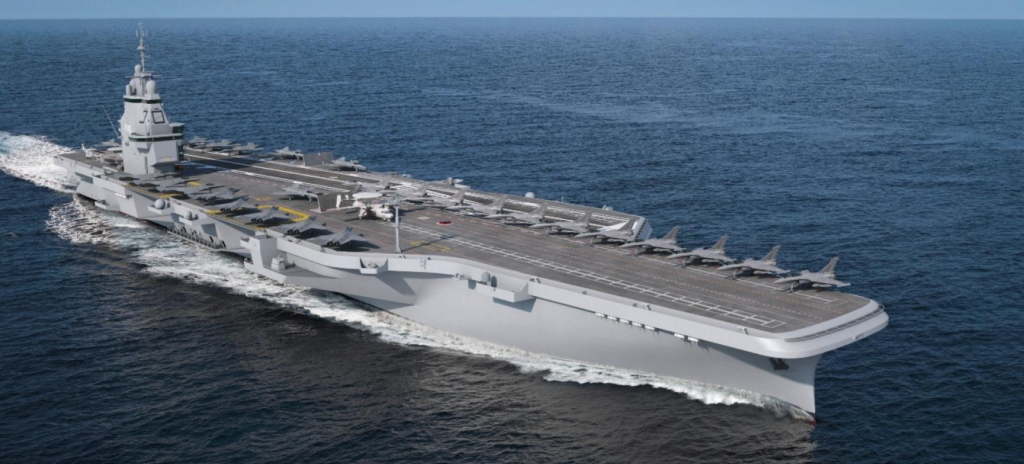
Berlin is reportedly prioritising long-range “deep precision strike” capability, with some in Germany arguing that navalisation limits range, radar performance and growth potential.
Get the latest aerospace defence news here on AGN.
Airbus says FCAS programme progress continues beyond the Next Generation Fighter
While political rhetoric in Berlin has sharpened, Airbus is attempting to steady the narrative.
Speaking during the company’s earnings call today, CEO Guillaume Faury emphasised that FCAS is a multi-pillar programme, and that the fighter is only one element.
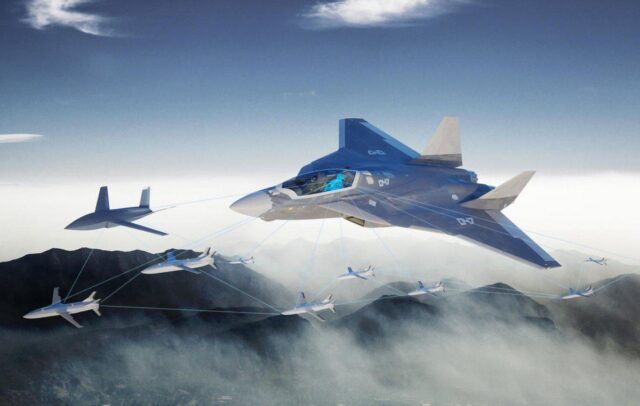
“We’re in a program that is called FCAS,” Faury said. “The so-called Next Generation Fighter is one of those pillars… The other pillars are working well and making good progress,” citing advances in the combat cloud, remote carriers and the engine pillar.
According to Faury, the deadlock on the fighter is rooted less in irreconcilable military divergence and more in governance.
“There is a deadlock that is linked to expectations on the governance that differ between partners on what leadership means, what cooperation means.”
That is widely seen as a reference to long-running tensions between Airbus and Dassault over design authority and leadership of the Next Generation Fighter workshare.
Faury described the programme as being at a “difficult juncture”, but stressed that decisions ultimately rest with governments. “It belongs to the customers to express themselves,” he said, declining to comment on whether Germany even requires a sixth-generation fighter.
Two fighters instead of one? Germany weighs FCAS split options
Merz has floated the possibility of developing two separate aircraft tailored to national needs.
“The question now is: do we have the strength and the will to build two aircraft for these two different requirement profiles, or only one?”

Airbus did not rule that out. “If there’s a way forward with two fighters, it could be an opportunity to have other partners with us,” Faury said, again stressing that such choices are political.
The strategic landscape complicates matters. The UK, Italy and Japan are already advancing the Global Combat Air Programme, leaving limited market space for additional European sixth-generation projects.
Independent analysts have long argued that Europe can realistically sustain only two such programmes.
Sweden is studying a successor to Gripen and has previously been mentioned as a potential partner for Germany should Berlin seek alternatives to France. German industry figures have, in the past, expressed a preference for working with Saab over Dassault.
Mertz said there are “other countries in Europe” willing to work with Germany, other than France.
German political and industrial pressure grows to reconsider FCAS partnership
Within Germany, calls for a split are growing louder. IG Metall, the powerful trade union representing many Airbus workers, has urged Berlin to consider breaking with France if governance issues cannot be resolved.

The mood in Germany appears more “better an end with horror than a horror without end” as the Financial Times quoted one German saying.
France, for its part, remains publicly committed. Dassault CEO Eric Trappier has repeatedly said the company is ready to build a next-generation fighter, buoyed by the export success of Rafale. Yet questions linger over whether Paris could shoulder the financial burden alone if Germany were to walk away.
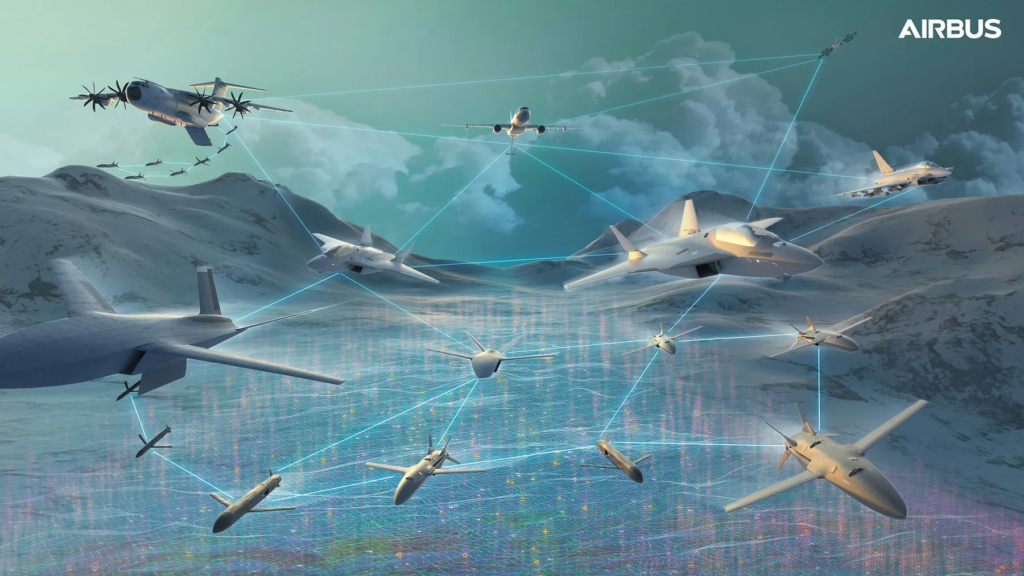
For now, Airbus continues to argue that FCAS as a whole “makes sense” and that progress on other pillars should not be jeopardised by the fighter dispute.
But with the German Chancellor openly questioning the requirement, and governance tensions unresolved, the programme faces a decisive moment. Whether that results in reform, bifurcation or rupture will likely be determined not in corporate boardrooms, but in Berlin and Paris.
Featured Image: Airbus