FAA threatens fines against American Airlines and Southwest Airlines over drug testing lapses

April 10, 2026
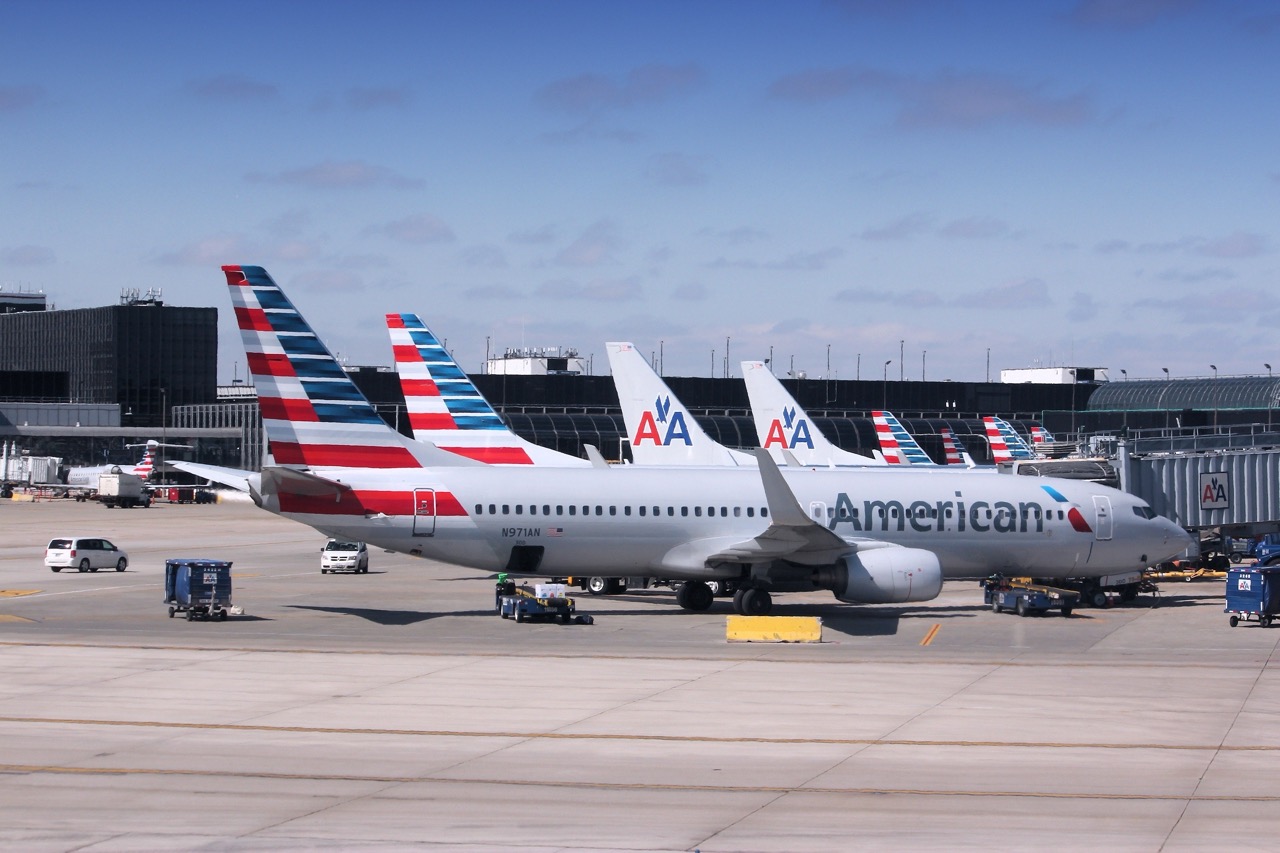
The US Federal Aviation Administration has threatened American Airlines and Southwest Airlines with fines for allegedly allowing flight attendants who tested positive for drugs and alcohol to resume working without the required follow-up tests.
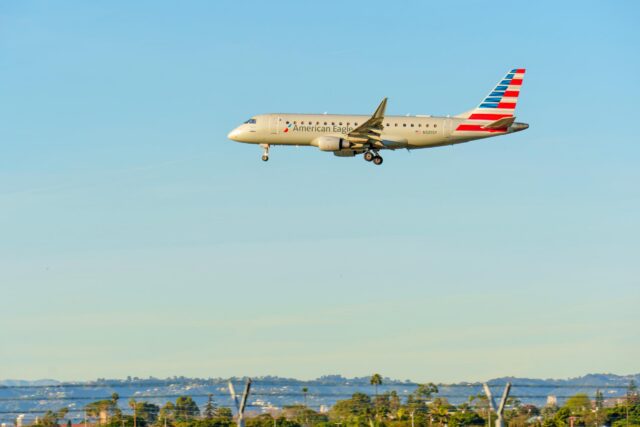
American Airlines facing $255,000 fine for drug violation
In a notice from the FAA, American was warned that it faced a $255,000 fine for what the agency said was a violation of drug and alcohol regulations.
“The FAA alleges that between May 2019 and December 2023 American allowed 12 flight attendants who tested positive on drug and alcohol tests to resume performing safety-sensitive duties without completing all the required follow-up testing,” the body said in a statement.
“The employees tested positive for substances including alcohol, amphetamines, cocaine, marijuana, and methamphetamine.”
American has been given 30 days to respond to the agency. The airline said in a statement: “The safety of our customers and team members is paramount. We take drug and alcohol testing seriously and collaborate with the FAA to address any issues.”
Southwest Airlines faces similar penalty
Southwest Airlines is facing an even larger penalty after the FAA accused the low-cost carrier of a similar violation.
The agency said that Southwest had failed to conduct “all of the required follow-up drug or alcohol testing” for 11 employees, including pilots, flight attendants, and aircraft mechanics, who had previously tested positive for alcohol or drugs including marijuana, cocaine and amphetamines.
The alleged violations took place between August 2021 and July 2024, when the FAA said the employees performed “safety-sensitive functions when Southwest Airlines did not subject them to the required follow-up testing”.
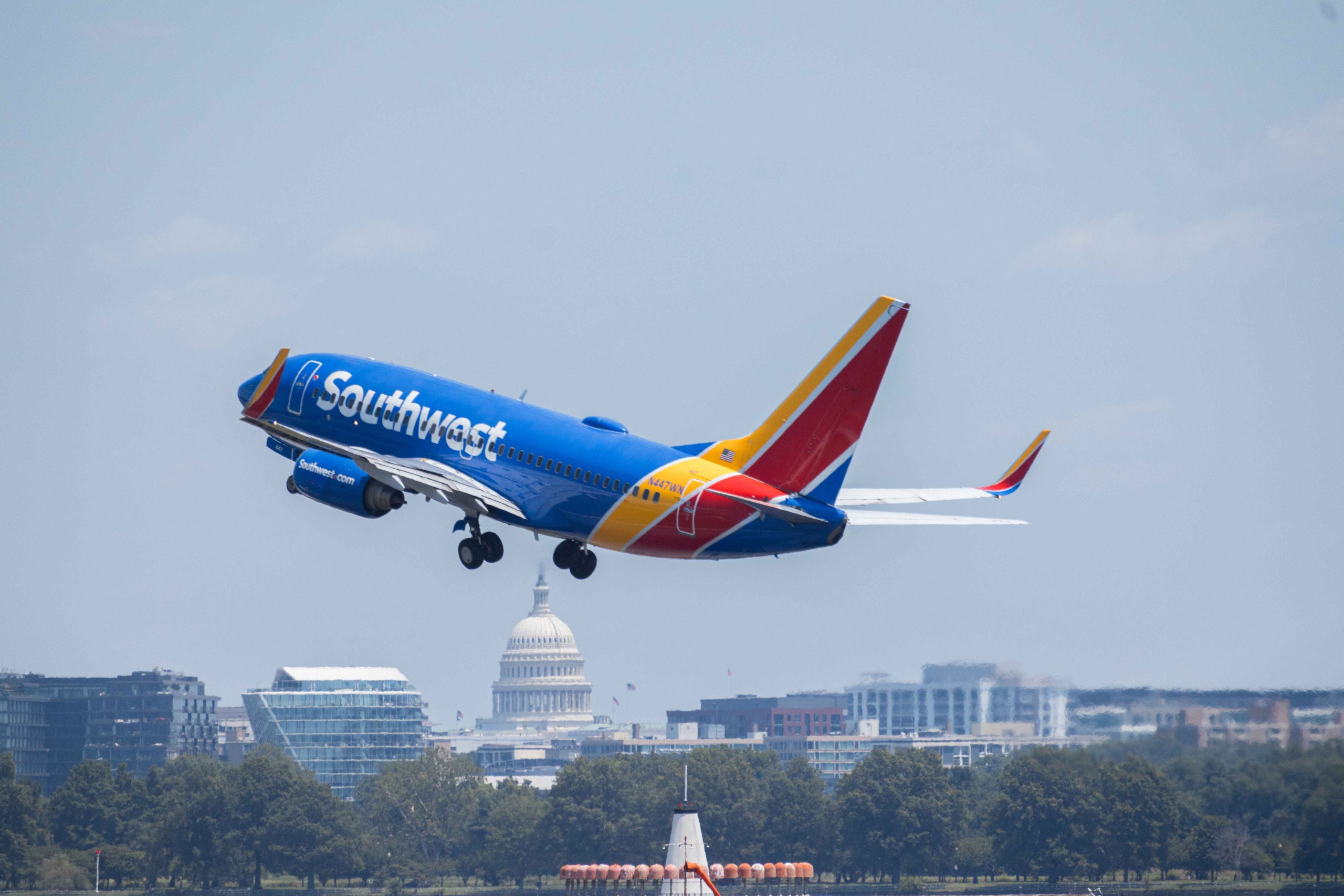
Southwest also has 30 days to respond. The carrier said in a statement: “We took immediate action more than two years ago to enhance our procedures and to strengthen oversight and accountability.”
Milwaukee-based charter aircraft operator Spring City Jet is also facing a fine of $56,000 for the same violation. In their case, five pilots and an aircraft mechanic were allegedly allowed to perform safety-sensitive functions during various periods between December 2023 and December 2024 without being tested in accordance with its approved drug and alcohol testing programme.
FAA alcohol testing programmes for pilots
The FAA requires airlines to implement comprehensive alcohol and drug testing programmes covering all safety-sensitive personnel, including pilots.
These programmes mandate testing in specific circumstances, including random selection, reasonable suspicion, post-accident situations, and return-to-duty cases following a violation.
Airlines are responsible for administering the programmes under FAA oversight, with detailed rules governing how tests are conducted and recorded.
Under US regulations, personnel are immediately prohibited from carrying out safety-sensitive duties if a mandated alcohol test records a breath alcohol level of 0.04% or greater.
Crew members are also stood down on a temporary basis if testing shows a breath alcohol concentration in the range of 0.02 to 0.039, even where the higher threshold has not been exceeded.
US regulations specify a higher threshold than those used in the UK or parts of Europe, but this is offset by strict behavioural rules.
Pilots are prohibited from flying with any measurable impairment and are expected to observe a minimum eight-hour period between consuming alcohol and reporting for flight duty – a concept referred to as “bottle to throttle.”
Violations can result in immediate removal from flight duties, mandatory evaluation, and potential loss of licence.
Tightening up the testing requirements
The FAA has tightened up its alcohol and drug testing requirements in recent years.
In 2024, the agency finalised a ruling that requires foreign aviation-repair stations to conduct drug and alcohol testing for employees performing safety-sensitive maintenance functions for US airlines on certain aircraft.
The rule, which will impact around 977 repair stations in 65 countries, comes into force from December 2027.
Once in place will require repair stations to send their testing data electronically to the USDOT.
Waivers can be granted to foreign governments or stations based on their existing testing proposals.
While some described the move as an important step in ensuring aviation maintenance personnel, regardless of location, meet the same high standards as their US counterparts, others have voiced concerns over conflicts with international agreements, privacy rights and additional regulatory burdens.
Featured image: Tupungato | stock.adobe.com