Delta shuns Starlink, turning to Amazon for next-gen in-flight WiFi

April 1, 2026
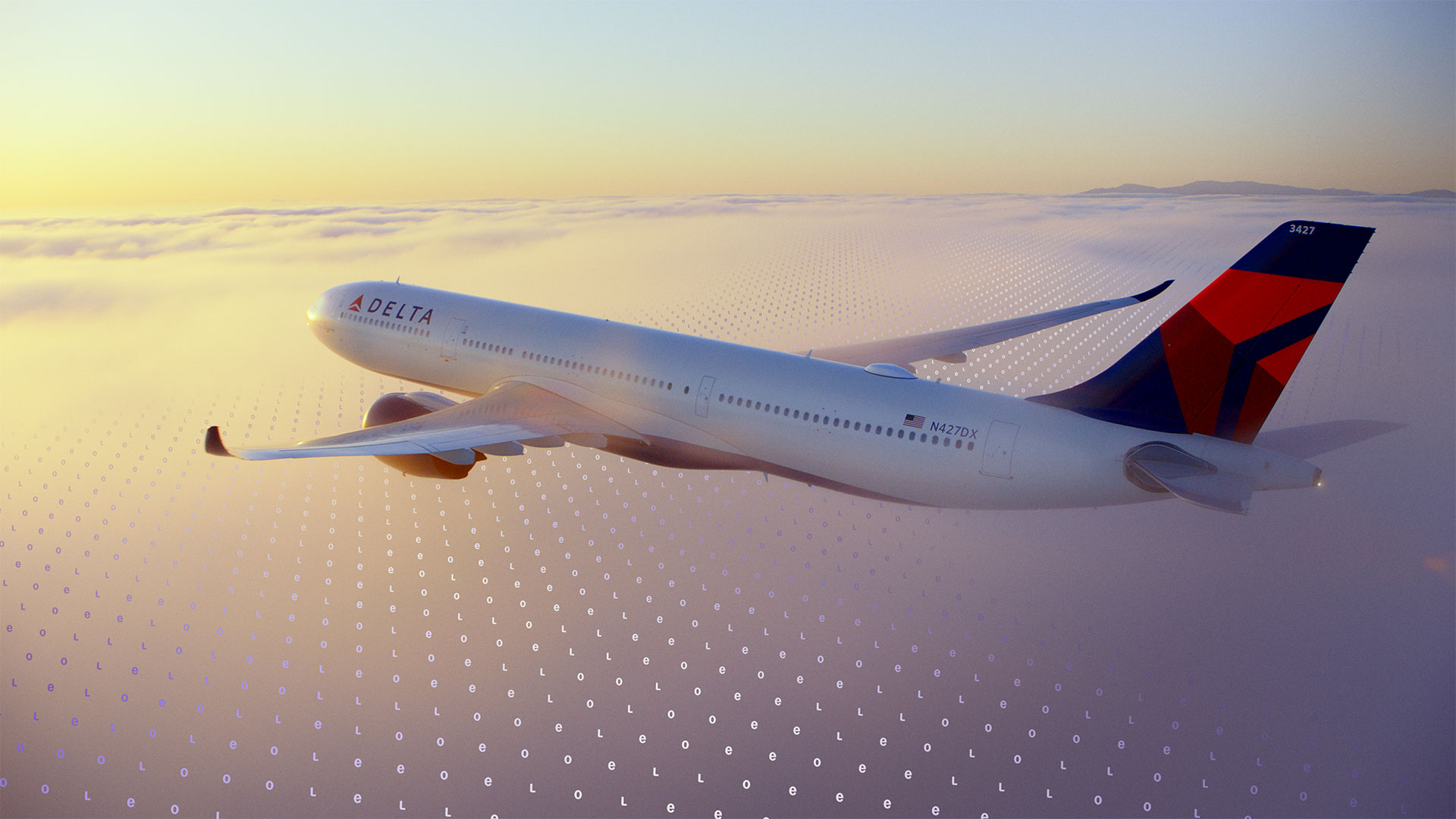
Delta Air Lines has chosen Amazon’s low-Earth-orbit satellite network to power its next-generation in-flight connectivity, bypassing the rapidly expanding Starlink ecosystem in favour of a deeper partnership with Amazon that the airline says will enable faster onboard WiFi and new digital passenger experiences.
Delta favours Amazon to shape the digital passenger experience
Under an agreement announced March 31, Delta will begin installing Amazon’s LEO satellite connectivity on 500 aircraft starting in 2028. Amazon Leo service will support high-speed connectivity for streaming, gaming and messaging across Delta’s domestic and international fleet.
The in-flight connectivity service expands on the airline’s established technology relationship with Amazon. Delta CEO Ed Bastian framed the partnership as part of the airline’s longer-term strategy to expand global connectivity and digital services.
“Delta’s future is global,” Bastian said in the airline’s announcement. “This agreement gives us the best, fastest and most cost-effective technology available to better connect the world today, and it deepens our work with a global leader that shares our ambition to build what’s next.”

As technology partners, Delta and Amazon plan to integrate AWS, Amazon Leo and other Amazon technologies and AI to enhance the digital passenger experience throughout the journey.
“We’ve designed Leo to provide high-speed internet to the billions of people on Earth without reliable connectivity, and this agreement with Delta is a great example of the impact and scale of the technology — bringing even faster in-flight WiFi to tens of millions of passengers who fly Delta every year,” said Andy Jassy, President and CEO of Amazon in the airline’s announcement.
“People increasingly want to stay connected wherever they are in the world, and Leo’s speed and reliability is going to have a big impact for businesses, governments, and consumers. It’s going to make the in-flight experience so much better, and it’s going to change what’s possible while travelling.”
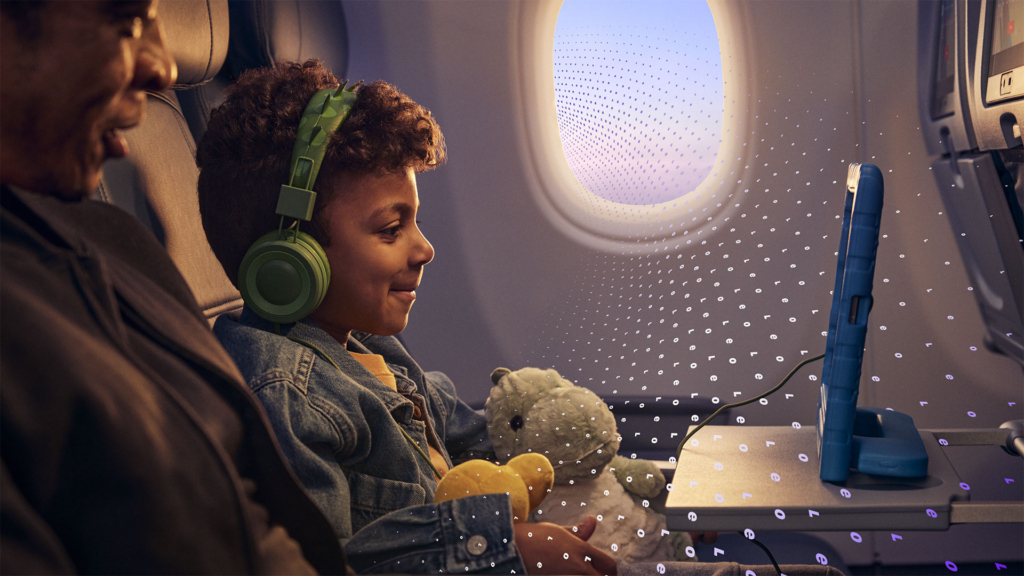
Delta also plans to integrate the Amazon Leo network with its Delta Sync digital platform, which links inflight WiFi, seatback entertainment and personalised content through a passenger’s SkyMiles profile. Free WiFi for SkyMiles members is expected to continue under the new system, extending the airline’s existing policy.
Another carrier bets against Starlink
The decision is notable because Starlink has rapidly gained traction among airlines seeking faster in-flight connectivity based on lower-latency low-Earth-orbit satellites.
Several major carriers and airline groups—including United Airlines, IAG and Lufthansa Group—have already selected Starlink to upgrade onboard WiFi across their fleets.

Instead, Delta opted for Amazon’s rival LEO satellite network, deepening an existing relationship with the technology giant that already includes the use of Amazon Web Services across parts of its operations.
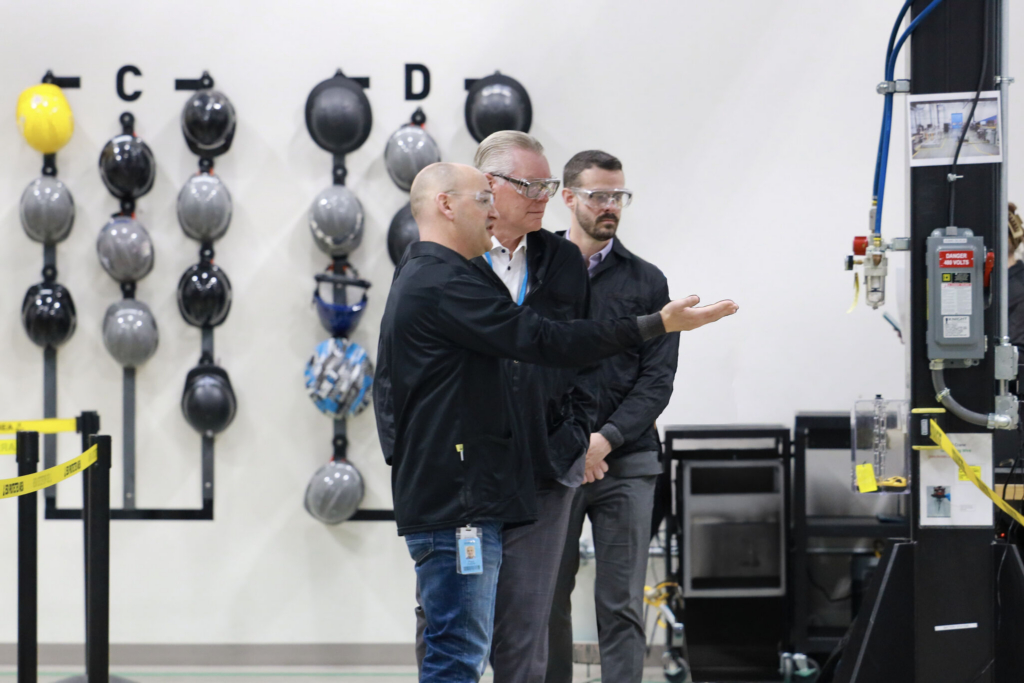
In a LinkedIn post following a visit to Amazon’s satellite production facility with Amazon CEO Andy Jassy, Bastian said the technology would enable more personalised digital experiences “through our Delta Sync Wi-Fi and seatback.” He added: “This means more convenient and rewarding travel for our customers and new, streamlined tools with real-time information to enable our people to better serve you.”
Bastian described the Amazon technology partnership as “a big win for both our customers and our people.”

Delta is not alone in preferring Amazon’s LEO satellite network. In 2025, JetBlue Airways became the first airline to sign up for Amazon’s Project Kuiper connectivity, announcing plans to introduce the technology starting in 2027 as part of an upgrade to its Fly-Fi onboard internet service.
That agreement positioned JetBlue as Amazon’s launch airline partner for Kuiper-based in-flight connectivity. Delta’s new deal will significantly expand Amazon’s footprint in the aviation sector.
The superior speed and reliability of LEO connectivity depend on a sufficiently developed satellite constellation, as individual low Earth orbit satellites cover smaller areas than the geostationary satellites that power other in-flight WiFi services.
Project Kuiper remains earlier in its deployment than Starlink. Amazon has launched hundreds of satellites and is working toward scaling the network in the coming years, while Starlink already operates thousands of satellites. The SpaceX company has moved quickly to secure airline customers, though some strong holdouts remain.

Still, Delta and JetBlue are both betting that Amazon’s network will mature in time to support a large-scale aviation rollout later this decade.
WiFi as a core to digital passenger experience
For Delta, the move aligns with the trend of major network airlines treating in-flight connectivity as a central part of the passenger experience rather than an ancillary service. By aligning with Amazon rather than Starlink, the airline is tying its onboard connectivity roadmap to a technology ecosystem it already uses across much of its digital infrastructure.
That makes the deal less about WiFi and more about acquiring the technology to build the next generation of connected travel.
The airline also gains efficiencies and customer insights through the Amazon partnership, integrating with Amazon technologies such as cloud services, artificial intelligence and e-commerce platforms—which could reshape how Delta delivers digital services to passengers from booking through to the flight.
While most airline connectivity deals focus primarily on bandwidth and speed, Delta’s choice suggests a strategic digital calculation—it’s not the size but the power behind the satellite constellation that matters most.
Featured Image: Delta Air Lines