Dassault unveils Falcon 10X ultra-long-range business jet

March 12, 2026
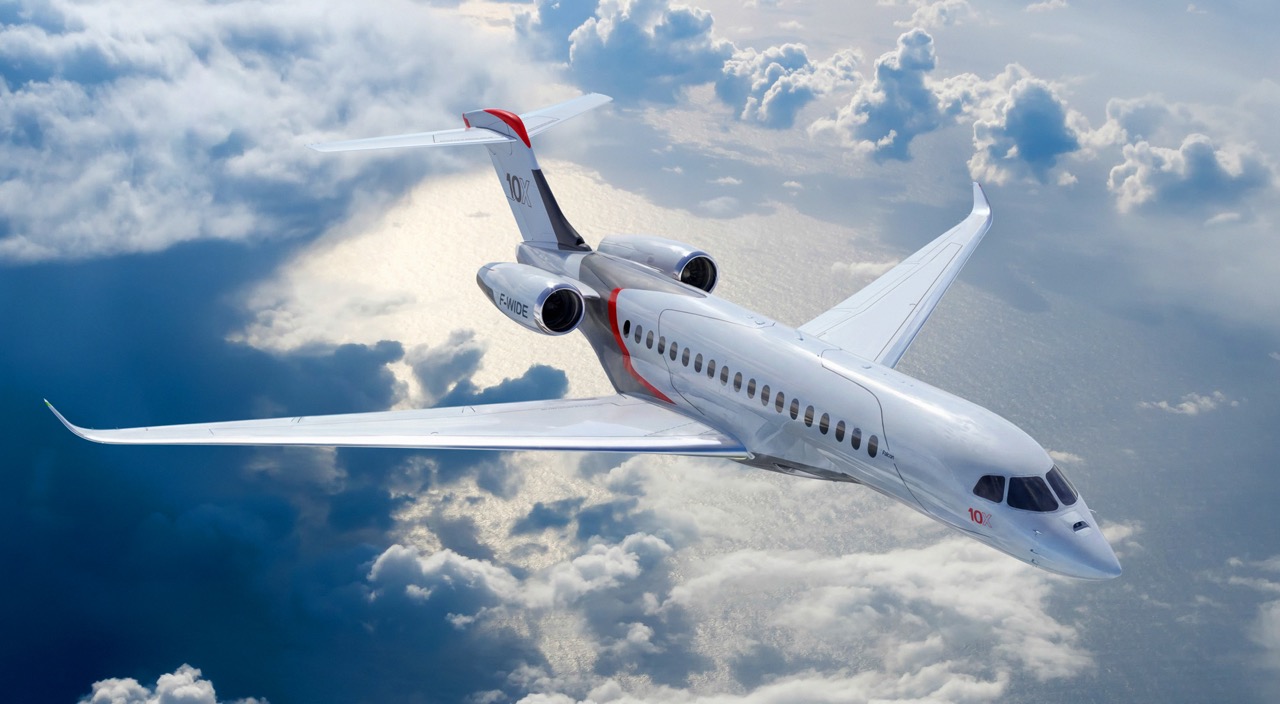
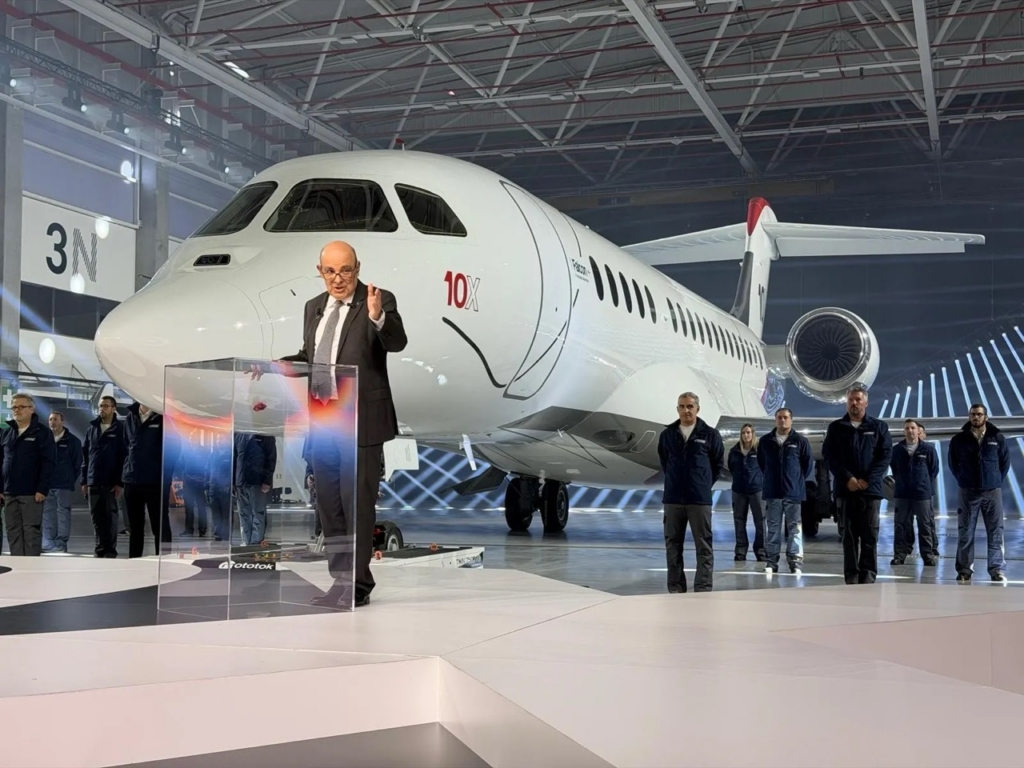
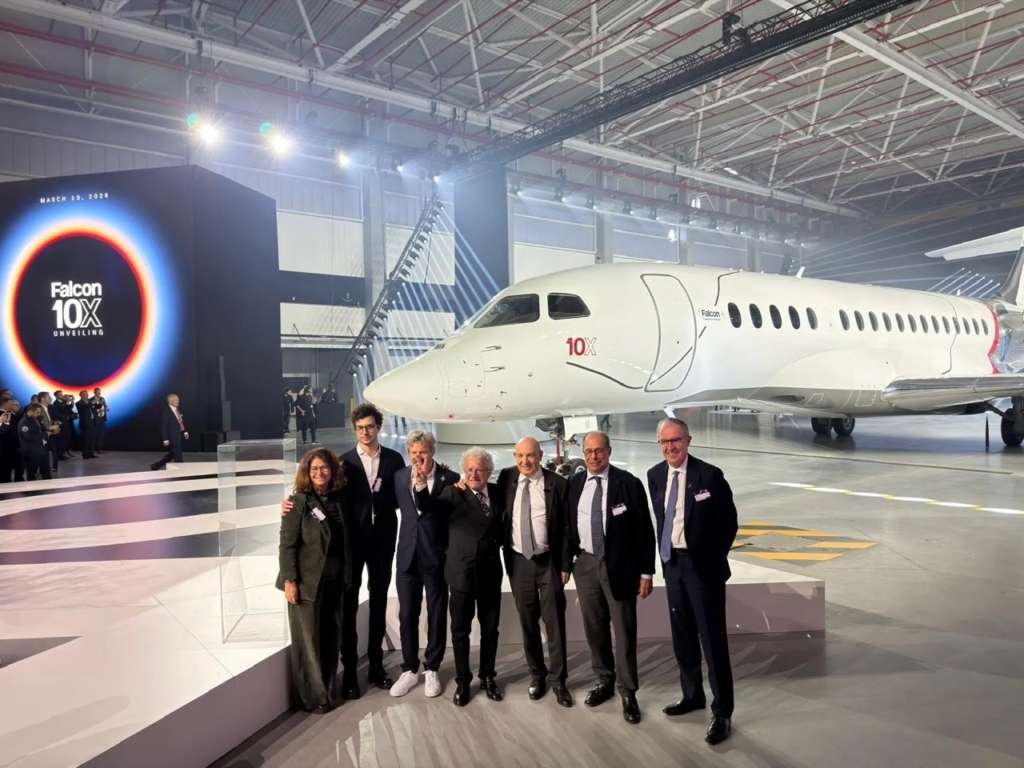
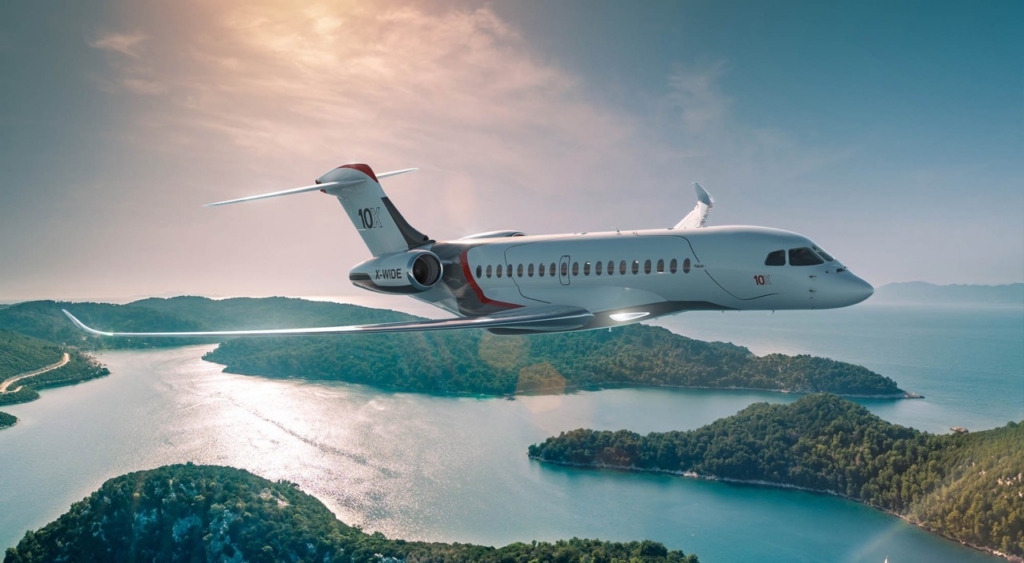
Dassault Aviation has unveiled the Falcon 10X, its new flagship ultra-long-range business jet designed to compete with the largest aircraft from Gulfstream and Bombardier, during a ceremony at the company’s Bordeaux-Mérignac facility in France.
Positioned at the top of the private jet market, the Falcon 10X combines intercontinental range, advanced cockpit technology and what Dassault claims is the largest cabin in business aviation.
Falcon 10X: a clean-sheet design for Dassault’s new flagship
The Falcon 10X is a clean-sheet design intended to meet the needs of corporate operators, high-net-worth individuals and heads of state.
The business jet is expected to cost around $75–80 million, placing it in direct competition with models such as the Bombardier Global 8000 and Gulfstream G800.
With a range of approximately 7,500 nautical miles (13,900 km), the Falcon 10X will be capable of connecting major city pairs, including New York–Shanghai, Los Angeles–Sydney and Paris–Santiago nonstop.
The company cites the aircraft’s top speed at Mach 0.925, which would make the Falcon 10X a very fast aircraft, though not the leader in the ultra-long-range business jet segment. The Bombardier Global 8000 claims a top speed of Mach 0.94, and the Gulfstream G800 claims Mach 0.935. Still, the subsonic jet offers its owners other advantages.
Largest cabin in business aviation
One of the defining features of the Falcon 10X is its exceptionally large cabin, designed to rival the space of a small apartment.
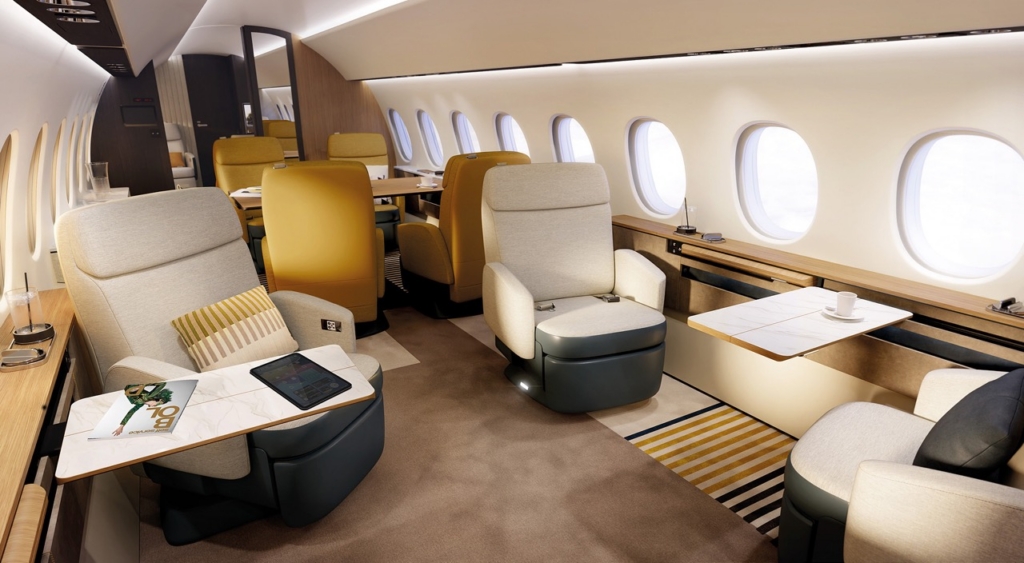
The company claims the aircraft’s interior is “eight inches wider and two inches taller than its nearest competitor.”
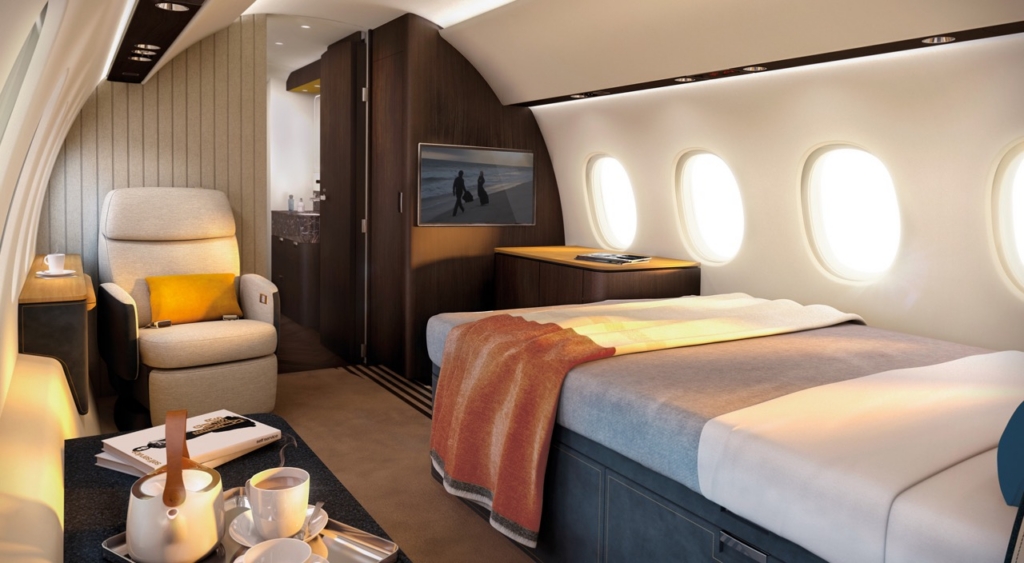
Key cabin specifications include:
- Width: 9 ft 1 in (2.77 m)
- Height: 6 ft 8 in (2.03 m)
- Length: 53 ft 10 in
- Total volume: about 2,780 cubic feet
- 38 large windows—around 50% larger than those on the Falcon 8X
The spacious fuselage allows operators to configure three or four separate living areas, including conference rooms, dining spaces, bedrooms and optional full-size showers.
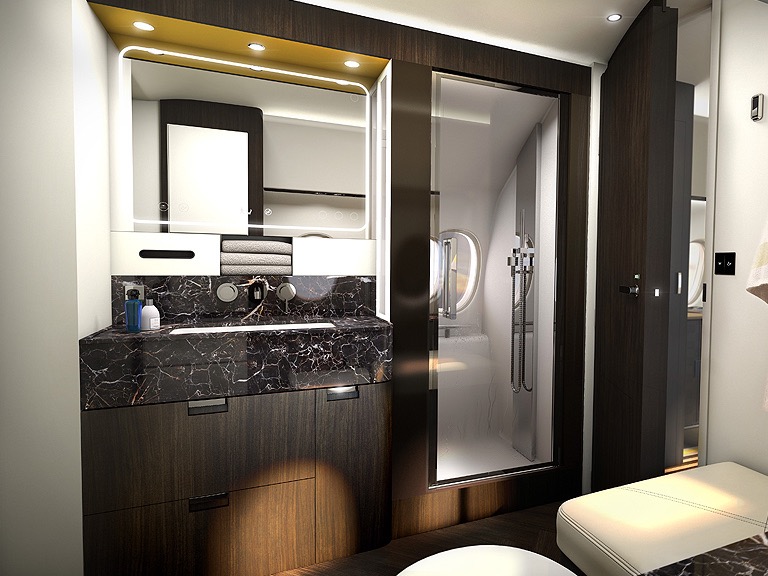
The company has also prioritised cabin climate to ensure passenger comfort. At cruise altitude of 41,000 ft, the aircraft maintains a low cabin altitude of about 3,000 ft and circulates 100% fresh air, helping reduce fatigue on long flights.
“The objective is to allow passengers to experience time on board the aircraft as just another part of their everyday life, not as a long interval between origin and destination,” Dassault President & CEO Eric Trappier said in the company’s announcement, “So they arrive feeling refreshed and at their very best.”
New Rolls-Royce engines and a composite wing
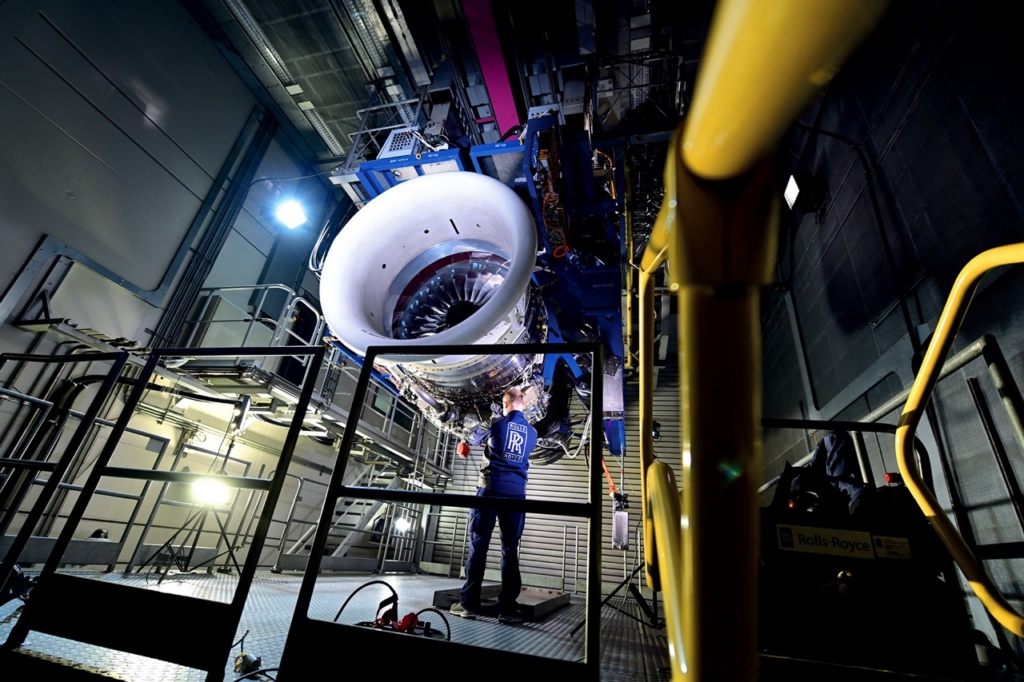
The Falcon 10X is powered by two Rolls-Royce Pearl 10X turbofan engines, each delivering more than 18,000 lb of thrust.
The engines incorporate Rolls-Royce’s Advance2 core, designed to improve fuel efficiency while reducing noise and emissions.
Another key design feature is an all-composite carbon-fibre wing, which reduces weight and improves aerodynamic efficiency, enhancing take-off and landing performance. It helps the aircraft operate from shorter runways than many competing ultra-long-range jets, allowing access to a wider range of airports.
Advanced cockpit and fly-by-wire controls
Pilots will operate the aircraft through Dassault’s new NeXus flight deck, which integrates large touch-screen displays and high levels of automation.
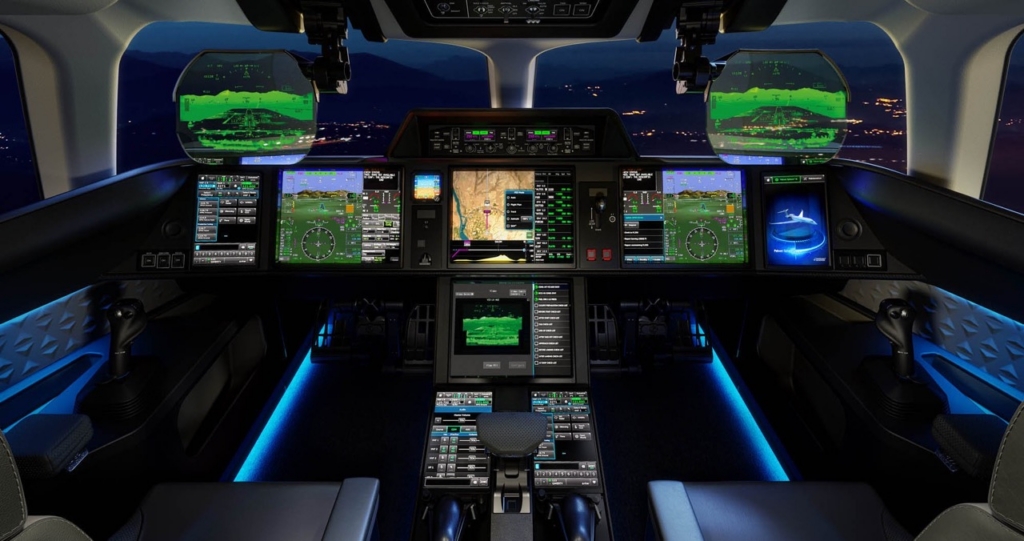
The jet also introduces the latest generation of Dassault’s digital fly-by-wire flight-control system, derived from technologies used in the company’s fighter aircraft.
The aircraft’s Smart Throttle allows pilots to manage both engines with a single control and assists with procedures such as stabilised approaches and noise-abatement climbs.
Falcon 10X timeline and market outlook
Dassault first announced the Falcon 10X programme in 2021 and has experienced delays, partly due to pandemic-related supply chain issues. Deliveries are now expected towards the end of the decade. The Dassault Falcon 10X will now enter its flight testing phase, which the company described as “an extensive evaluation.”
Demand for large business jets remains strong, with Honeywell forecasting 8,500 business jet deliveries worth about $283 billion over the next decade.
Dassault has not disclosed the number of orders for the Falcon 10X. Still, the aircraft will intensify competition in the lucrative ultra-long-range segment dominated by Gulfstream and Bombardier.
Featured Image: Dassault Aviation