China’s secret project: What we know about the Xi’an H-20 stealth bomber so far

December 7, 2025
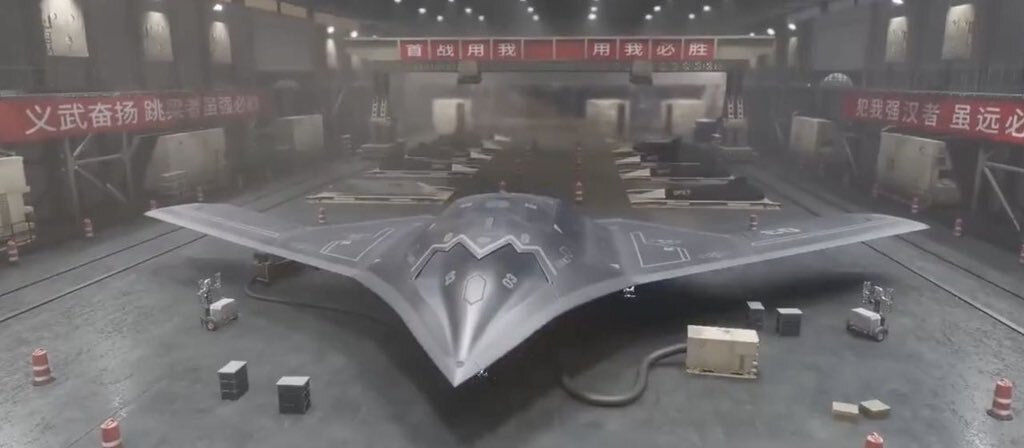
Despite the new Chinese “GJ-X” flying wing aircraft emerging in satellite imagery and then being filmed flying, there did not appear to be any new updates in 2025 on China’s stealthy Xi’an H-20 strategic bomber program. US intelligence from 2024 suggests it may have run into development problems.
China’s upcoming stealthy strategic bomber
The Xi’an H-20 is China’s ongoing effort to produce a strategic stealth bomber as a counterpart to the United States Air Force’s Northrop B-2 Spirit and upcoming Northrop-Grumman B-21 Raider.
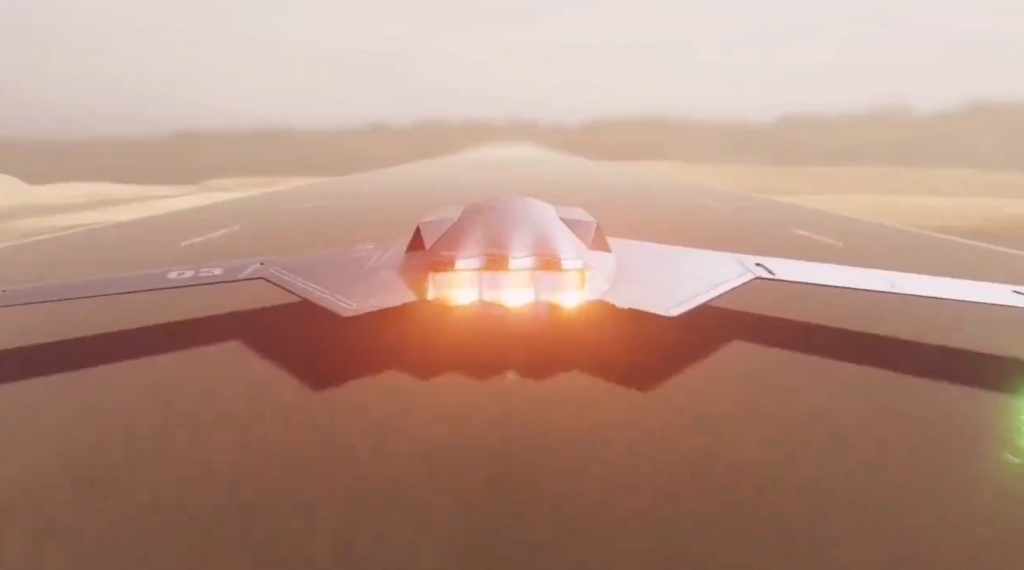
The program was first announced in 2016 and remains shrouded in secrecy, although it is believed to be designed to carry both conventional and nuclear munitions.
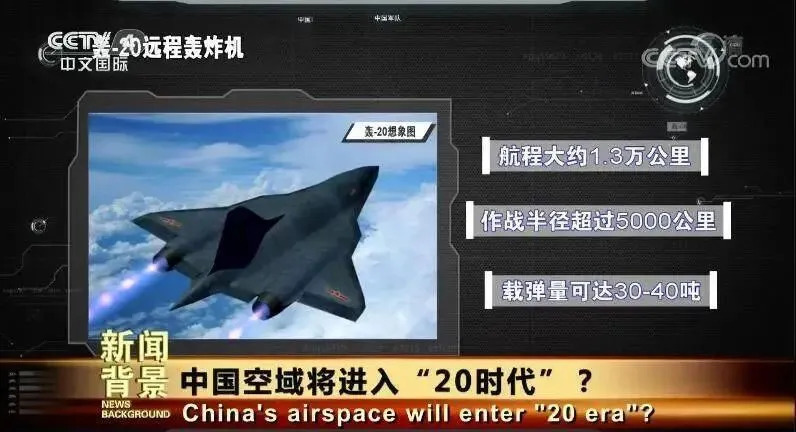
Some reports suggested will have a (presumably ferry) range of around 13,000 kilometres and a combat radius of around 5,000 kilometres. Its bomb payloads are estimated to range from 66,000 lbs to 88,000 lbs (30 to 40 tons).
If realised, this would make it around five times more effective than the H-6K, China’s most capable existing bomber. It would be in a much better position of being able to strike the United States’ mainland.
China said the Xi’an H-20 was “almost here” in 2024
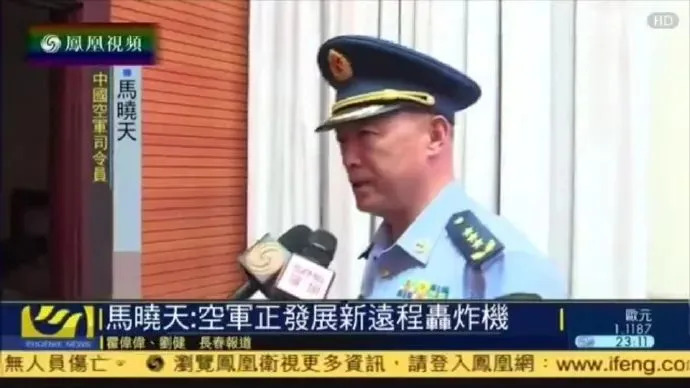
In 2024, the publicly owned Chinese Internet Platform, Tencent, reported on the H-20 in March 2024. At the 14th National People’s Congress in Beijing, Deputy Commander of the People’s Liberation Army Air Force, Lieutenant General Wang Wei, stated the H-20 is “almost here.”
Wei went on to say the program has not encountered any technological bottlenecks and that after test flights, it will be able to very quickly enter mass production.
When asked to compare the H-20 to US stealth bombers, he deflected, saying it’s not a matter of comparison; instead, the H-20 is intended to protect China’s security.
Reporting by China’s state-owned Ifeng television network said the H-20 would be able to break through the first and potentially the second island chain fortifed by the United States and its allies. Referring to Taiwan as “the island,” the broadcast suggested it would “shock” the armed forces of Taiwan.
In mid-2024, the US Army published an article on the Xi’an H-20 citing these Chinese reports. Among the reports was an assertion that the H-20 could be more comparable to the US’s older B-2 bomber than the new B-21.
No solid reporting in 2025
In 2024, there was a flurry of reporting on the Xi’an H-20, along with reports that China was teasing that the aircraft would be unveiled “soon”. Over a year later, it is now December, and little or no confirmed new information about the H-20 has emerged.
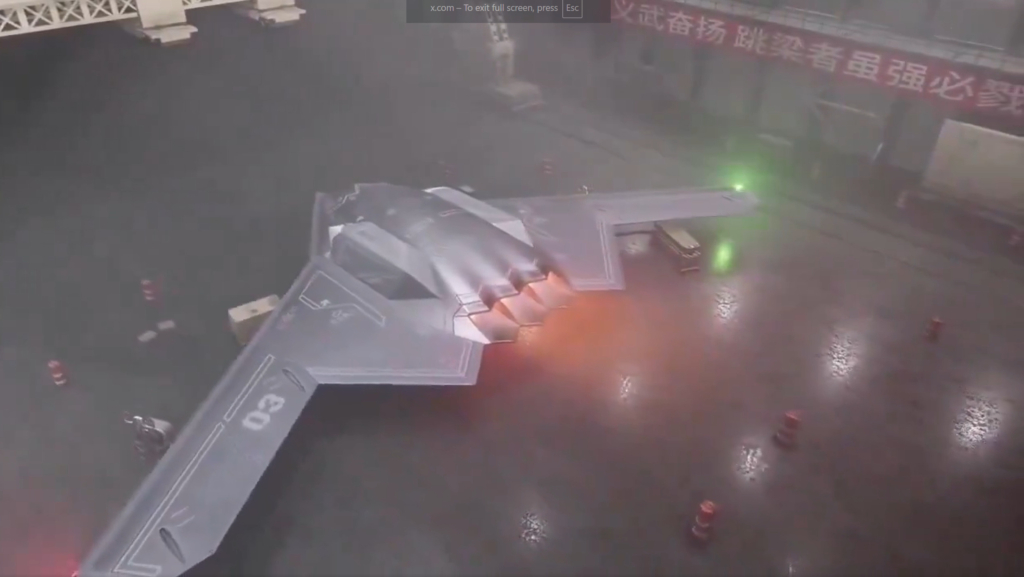
China has unveiled a massive new stealthy “GJ-X” flying-wing bomber design, and some outlets even reported it was the H-20. However, reputable outlets, like The War Zone, dismissed the notion. Instead, the new flying wing is likely a drone, perhaps for ISR. The GJ-X is likely to be somewhat similar to the secretive USAF RQ-180.
Since late 2024, numerous new Chinese aircraft platforms have been unveiled. These range from the J-35 fighter (now in production), the so-called J-36 tailess next-generation fighter, an ekronaplan, a tiltrotor, and numerous autonomous aircraft of varying sizes and capabilities.
But in all those new aircraft, there is nothing that is clearly a next-generation manned strategic bomber.
The US has downplayed the Xi’an H-20
US military sources have downplayed the Xi’an H-20. Instead of the aircraft being ready more or less imminent, as some media reports seem to indicate, US intelligence suggests it will not be ready until the 2030s. By that time, the USAF will have the B-21 Raider in service in numbers.
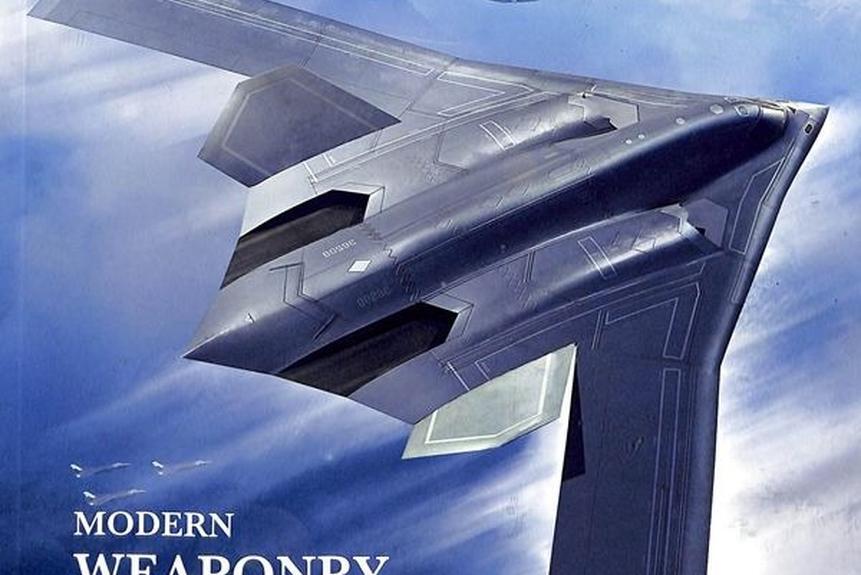
The War Zone reported in 2024 that Pentagon intelligence officials have said the H-20 bomber is “not really” a concern for the US military.
Breaking Defense quoted an unnamed US official as saying, “The thing with the H-20 is when you actually look at the system design, it’s probably nowhere near as good as U.S. LO [low-observable] platforms, particularly more advanced ones that we have coming down.”

When Breaking Defense asked if the H-20 was a particular concern, the official replied ‘Not really,” before elaborating. The official said China has “run into a lot of engineering design challenges, in terms of how do you actually make that system capability function in a similar way to, like, a B-2 or a B-21.”
The comments echo those of Professor Justin Bronk at the think tank RUSI. Speaking of fighter jets and not bombers, Bronk said, “It’s comparatively easy to produce something that looks like a stealth fighter-ish thing, that will fly.”
He then elaborated, “It is incredibly difficult and unbelievably expensive to sustain the production of a weapons system that works as a low observable fighter…” It’s the classic, what’s on the inside that counts, and when it comes to Chinese aircraft being filmed, that’s impossible to assess what’s on the inside.
Get the latest aerospace defence news here on AGN.
China’s fleet of limited-capability Xi’an H-6 bombers
China requires a next-generation strategic bomber as it currently barely has the capability for intercontinental strike missions. China’s current fleet of strategic bombers is exclusively composed of around 120 Xi’an H-6 bombers. These are based on the 1950s-era Soviet Tupolev Tu-16, although they have been extensively updated over the years.
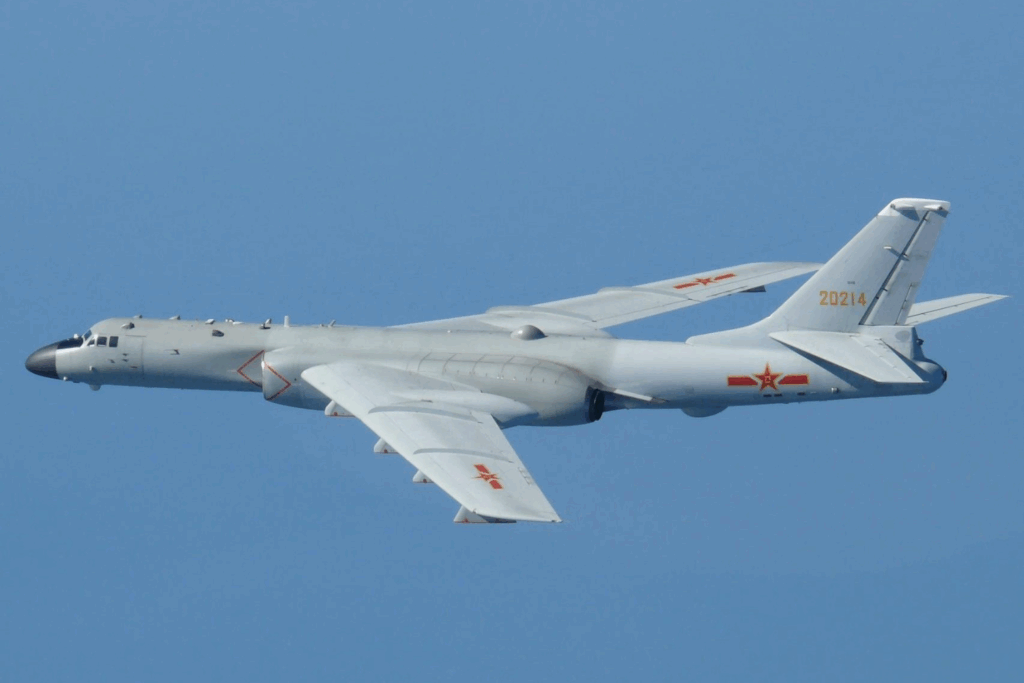
But H-6’s realistic combat radius with full load is limited to only around 1,000–1,800 kilometres, allowing for a return to base. This might extend to around 3,500 kilometres with a minimal payload. Its ferry range is in the range of 6,000-8,000 kilometres. The payload is also limited to around 19,800–26,500 lbs, putting it at the low end for a strategic bomber.
The ageing H-6 has at least two major weaknesses. It is a subsonic conventional bomber; it would not be able to operate in contested airspace, something the B-2 and B-21 are designed to do.
The other major factor is that only a limited number of H-6s have the ability to conduct aerial refuelling, a limitation made worse by China’s comparatively minuscule fleet of tankers.
Meanwhile, as the United States and China work on developing next-generation strategic bombers, Russia is struggling to keep up and remain relevant.

Faced with an old fleet that’s ageing out and being heavily attrited by Ukraine, Russia is putting its old Soviet-era supersonic variable-sweep wing Tupolev Tu-160 Blackjack bomber back into production.
This is a design China did not bother to develop, and one that the US is set to retire as the B-21 enters service.
Featured Image: Chinese state media