Boeing retires last 787-8 Dreamliner test aircraft after 16 years of flight testing

February 16, 2026
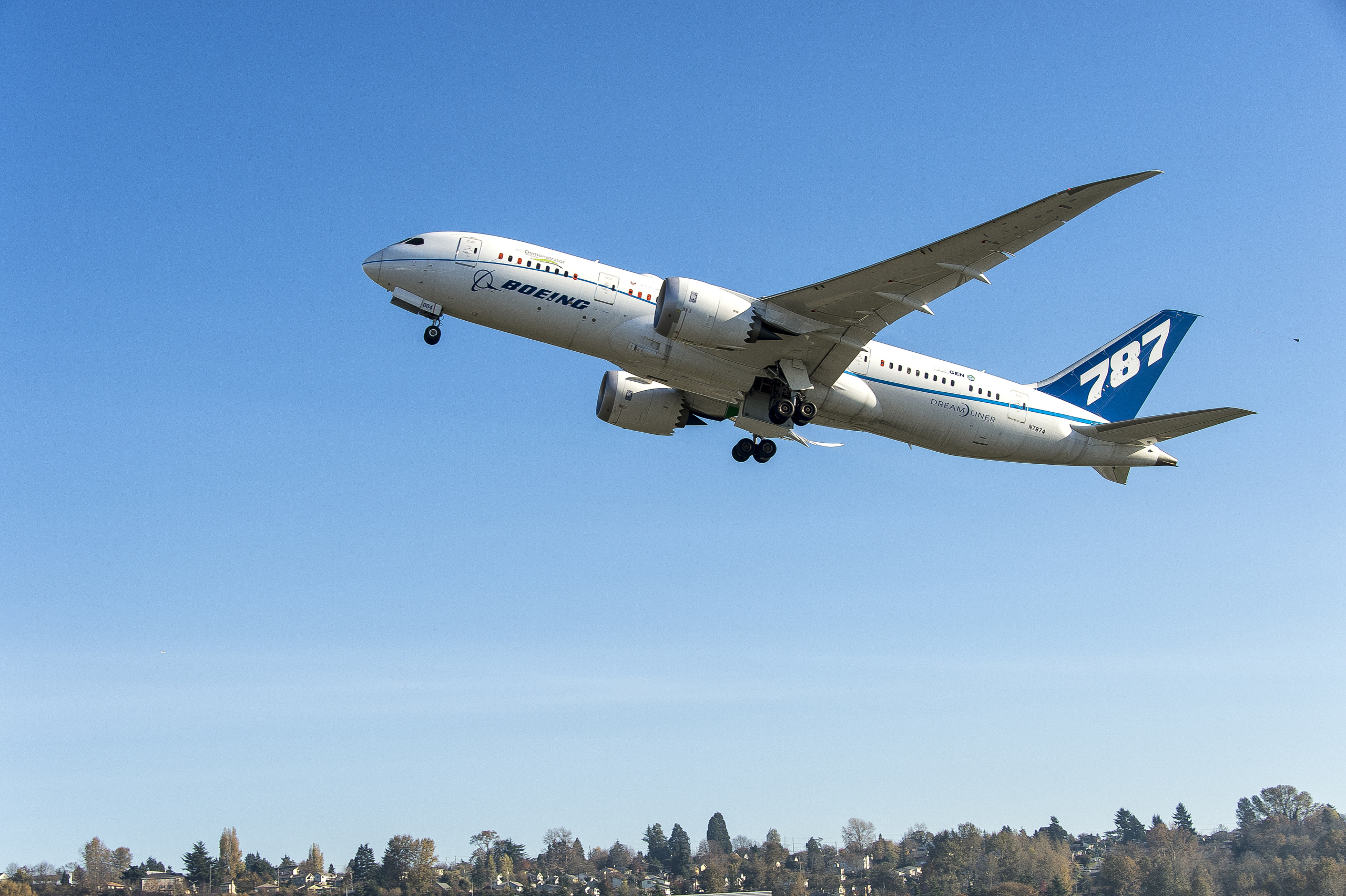
Boeing has retired its last 787-8 Dreamliner test aircraft, which will now be sent to an Arizona boneyard for parts.
ZA004 (registered as N7874) entered Boeing’s flight test programme in February 2010, and accumulated more than 2,250 flight hours across more than 670 flights.
How ZA004 contributed to Boeing 787 flight testing
The aircraft was used to test aerodynamics, high-speed performance, propulsion performance, flight loads, noise and extended operations (ETOPS) and other test conditions over its 16 years of service – part of Boeing’s extensive test programme.
Key milestones for the airframe also included supporting the certification of all of Rolls-Royce’s 787 engine variants, including most recently the Trent 1000 XE – a Durability Enhancement package focused on increasing engine time on-wing while reducing emissions – in 2025.
In 2014, ZA004 also served as Boeing’s second ecoDemonstrator.
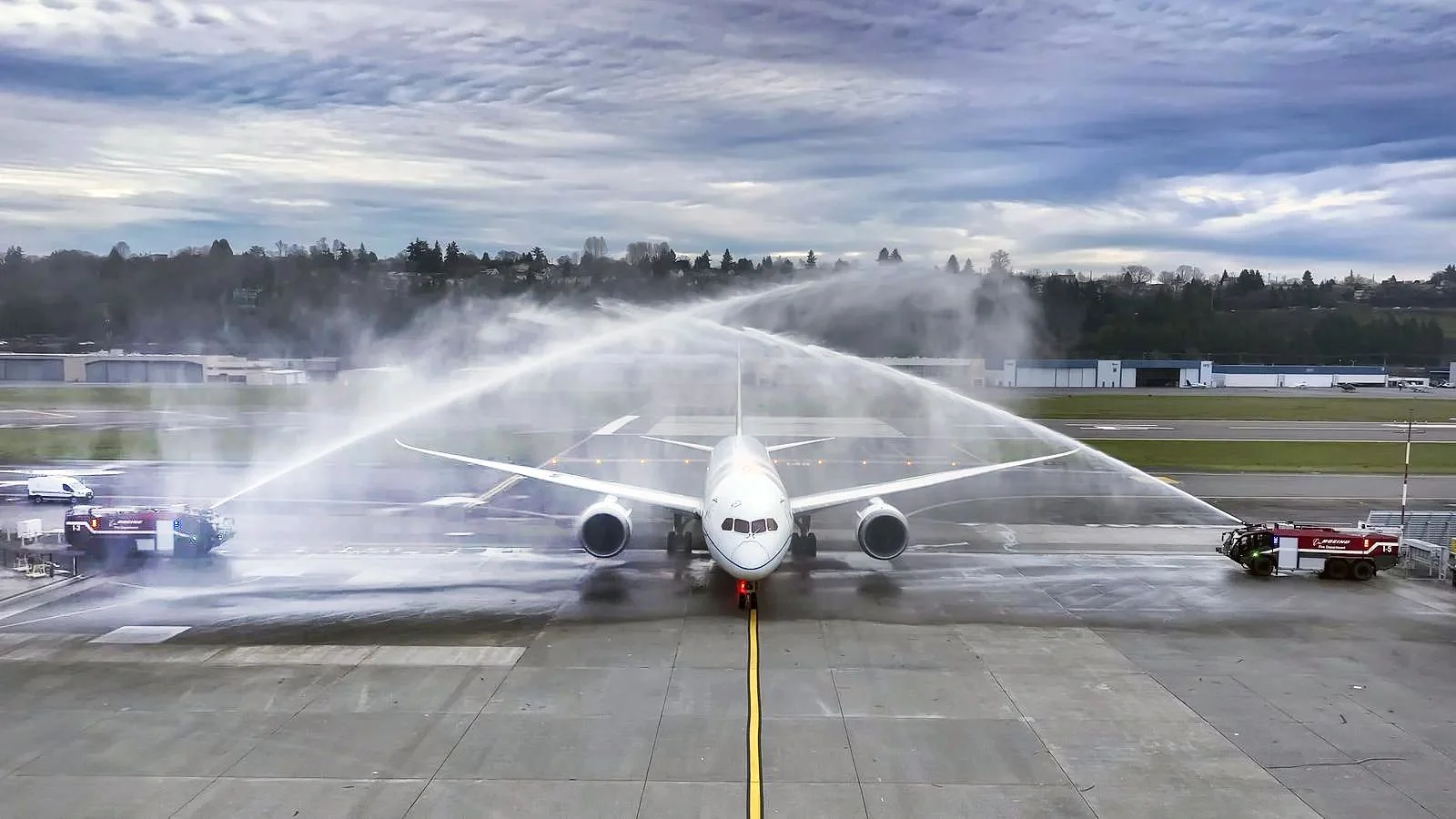
As part of that initiative, the airframe tested more than 25 technologies that improved efficiency and reduced emissions, such as remote sensors to reduce wiring and icephobic wing coatings to reduce ice accumulation.
It was also used to demonstrate instrument landing systems for new and older aircraft to optimise landings and reduce fuel use, and to test outer wing access doors, which were made from recycled 787 carbon fibre to reduce material costs as well as factory waste.
N7874 enters retirement in Arizona boneyard
ZA004 performed the 1,000th 787 flight in 2011, and it was the first aircraft used to validate upgrades to the 787’s power distribution system software, which followed an in‑flight electrical incident on predecessor ZA002, which had temporarily paused the flight test programme.
With the 16-year-old airframe approaching a major maintenance milestone that would have required a costly trip to the engineering hangar, Boeing took the decision to send it to retirement.
Last week, ZA004 completed its final flight from Boeing Field in Seattle to Pinal Airpark, Arizona, a long‑term storage and reclamation facility.
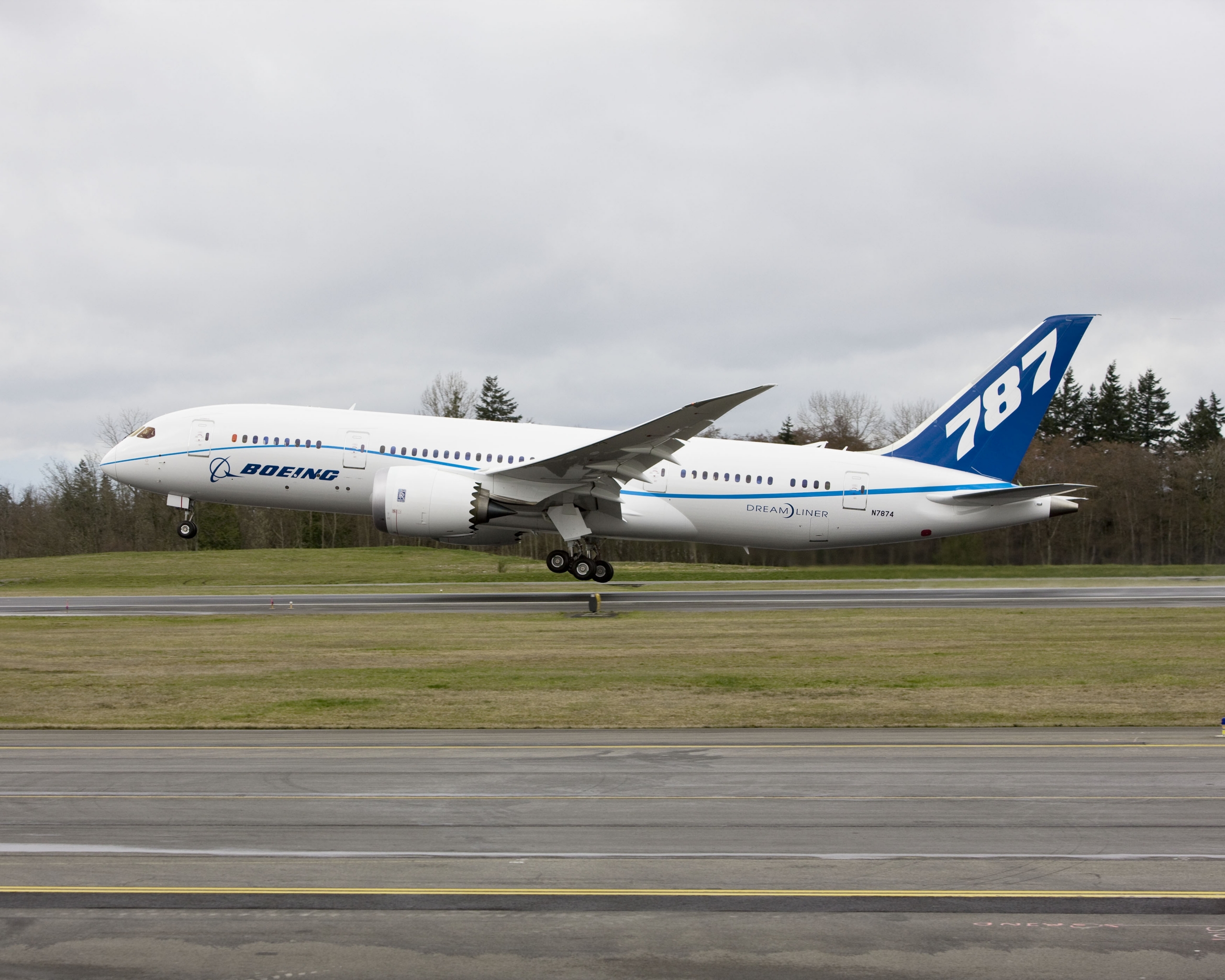
Flying the aircraft to Arizona were Heather Ross and Craig Bomben, captains who both flew together on ZA004’s first flight.
“To the casual observer, it looks like an old aeroplane, but it’s always been the future,” said Ross, who served as the aircraft’s first chief project pilot.
At Pinal Airpark, Boeing said it would “continue to contribute to learning and development on the 787, supporting BCA’s 2026 priority to innovate for productivity and performance”.
Parts from the airframe will be used for training and research, with others used as replacements or spares for the active Dreamliner fleet.
‘ZA004’s legacy lives on in every 787 Dreamliner flying today’
John Murphy, the 787 programme’s chief project engineer, said: “Sixteen years of service with The Boeing Company – that’s a legacy few test aeroplanes achieve,
“Test airplanes, like ZA004, don’t just prove what’s possible. They make the future real by translating design concepts into everyday safety, efficiency and capability.
“ZA004’s legacy lives on in every 787 Dreamliner flying today and those yet to be delivered.”
ZA004 was the third aircraft to join the test fleet. Boeing needed ZA004 to fly before ZA003 because the data ZA004 was collecting was needed more quickly at the time, both for certification and development of the 787-9.
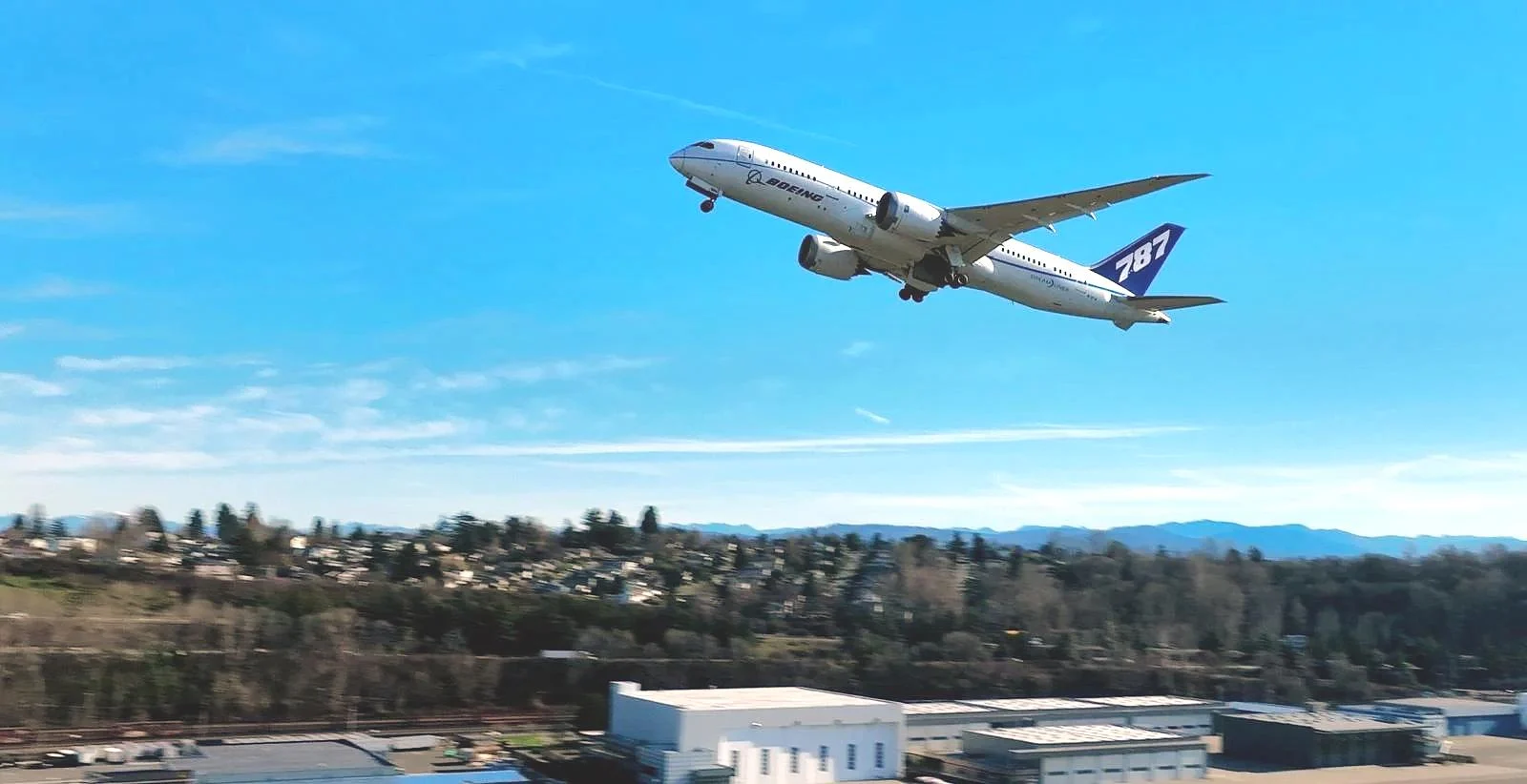
“Aeroplane No. 4 operated flawlessly today,” Ross said after the 2-hour 45-minute entry flight in 2010. “We’ve got a lot of work ahead of us, but I can’t imagine a better start to the flight test programme for this aeroplane.”
Type certification for the Boeing 787 was received in August 2011, and the first 787-8 was delivered in September 2011 to ANA, entering commercial service a month later.
What was involved in Boeing’s 787 structural test programme?
Boeing says its 787 full-scale test programme, which lasted from August 2010 to September 2015, was more robust than any conducted on a previous Boeing commercial aircraft.
To test the strength and durability of the composite 787 fuselage, Boeing simulated up to 165,000 flight cycles on a full-scale airframe and a forward fuselage section – more than three times the design service objective.
Supported by a 544,000-kilogram test rig, the 787’s wings, fuselage and tail were attached to load fittings with hydraulic jacks, then loads were applied, which pushed and pulled the wings and fuselage to simulate all phases of flight.
Thousands of data points were collected to ensure all parts of the airframe performed as expected.
Featured image: Boeing