Boeing MQ-28 Ghost Bat Block 3 upgrades add internal weapons bays and extended range

February 9, 2026
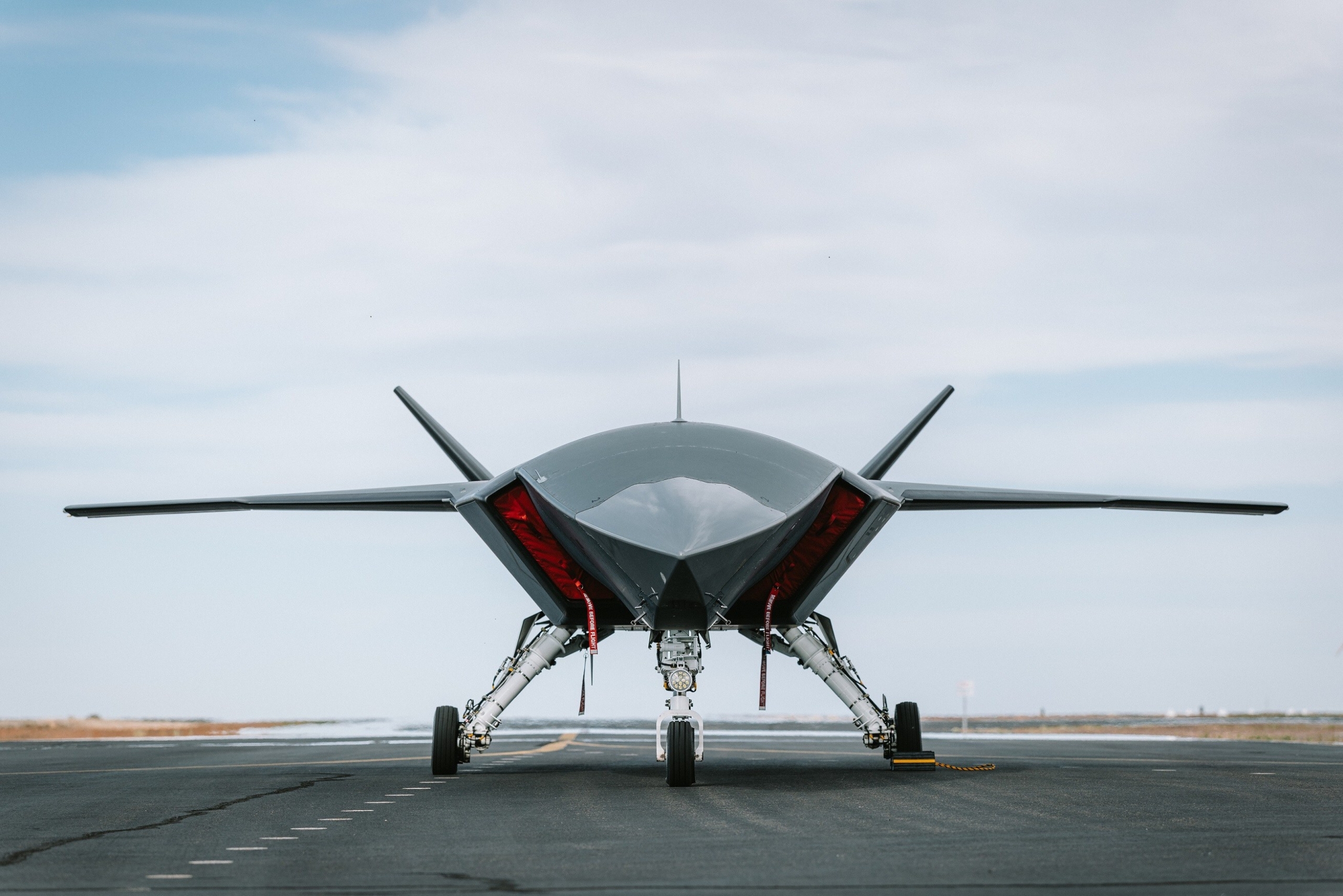
Boeing’s MQ-28A Ghost Bat is transitioning from an experimental collaborative combat aircraft to a system edging toward operational credibility, with programme leaders outlining progress in weapons integration, structural upgrades and autonomy milestones at the Singapore Airshow last week.
Speaking to media, MQ-28 programme director Glen Ferguson described the aircraft’s December 2025 live air-to-air missile engagement as a validation of the platform’s architecture, while also confirming development work under Block 3 that will introduce internal weapons bays and an increased wingspan.
The developments signal a shift in emphasis, from proving the concept of loyal wingman operations to shaping a deployable capability targeted for service around 2028.
Live AIM-120 missile test validates MQ-28 Ghost Bat combat architecture
On 8 December 2025, an MQ-28A launched an AIM-120 Advanced Medium-Range Air-to-Air Missile during a complex test over the Woomera Test Range. The aircraft operated within a networked counter-air package that included a Royal Australian Air Force F/A-18F Super Hornet and an E-7A Wedgetail airborne early warning aircraft.
“It was a complicated mission,” Ferguson said. “We did a missile shot that was integrated into the complete weapon system, including integrating with an F-18 that targeted and an E-7 that authorised and managed the elements of the flow.”
The Hornet detected and tracked the Phoenix Jet uncrewed aerial target before handing off targeting data through the network. The E-7 managed engagement authority, while the MQ-28 autonomously executed the intercept and missile release.
According to Ferguson, the aircraft received only four high-level commands during the mission: take-off, establish a defensive counter-air orbit, leave the orbit to intercept, and arm and release when firing parameters were met.
“Everything else the MQ-28 did on its own,” he said.
The test demonstrated autonomy within a human-controlled lethal decision framework, a key requirement for future collaborative combat aircraft operations.
MQ-28 Ghost Bat Block 3 adds internal weapons bays and extended range
While the missile shot confirmed external weapons integration, development is now progressing toward a more survivable configuration.
Block 3 modifications include the introduction of internal weapons bays and an extended wingspan, changes aimed at improving aerodynamic efficiency, endurance and low-observable performance.
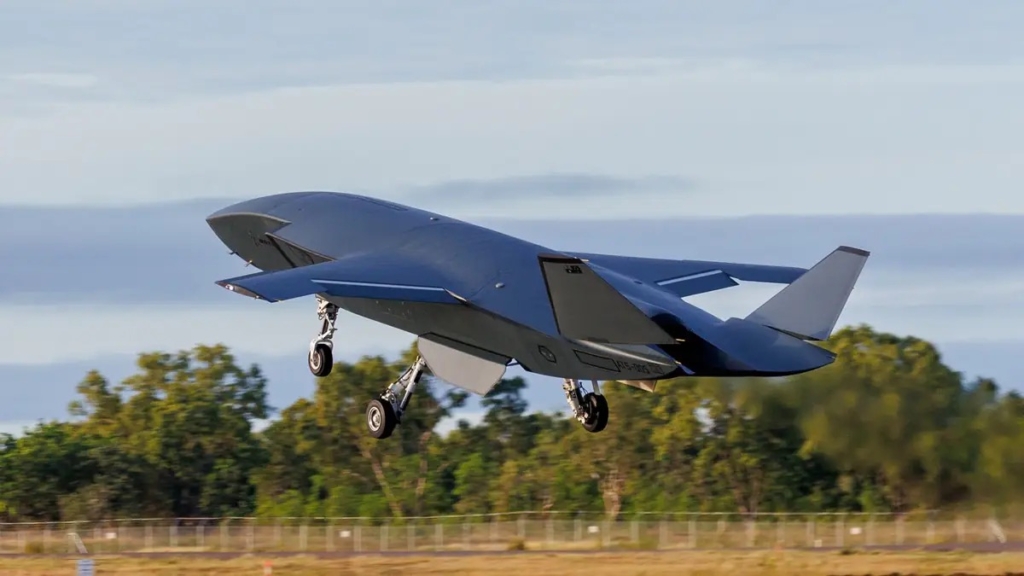
The internal bay represents a significant step beyond earlier test configurations, reducing drag and signature while expanding mission flexibility. The increased wingspan is intended to deliver greater range, a particularly relevant factor for Indo-Pacific operating distances.
Ferguson noted that the aircraft’s open systems architecture enabled rapid adaptation for the missile test, including integration of a weapons launcher, stores management computer, tactical and weapons data links, and third-party mission planning software.
“The MQ-28 is compliant with US and allied standards and is fully represented in a digital environment,” he said, adding that distributed software development between Australia and the United States enabled near-continuous progress.
Autonomous operations central to MQ-28 Ghost Bat concept
Ferguson framed the December engagement around four elements shaping future air warfare: autonomy, humans in the loop, open systems architecture and collaborative development.
Autonomy, he argued, is fundamental. The MQ-28 operates as a fully autonomous aircraft capable of executing complex intercept profiles once given mission intent.
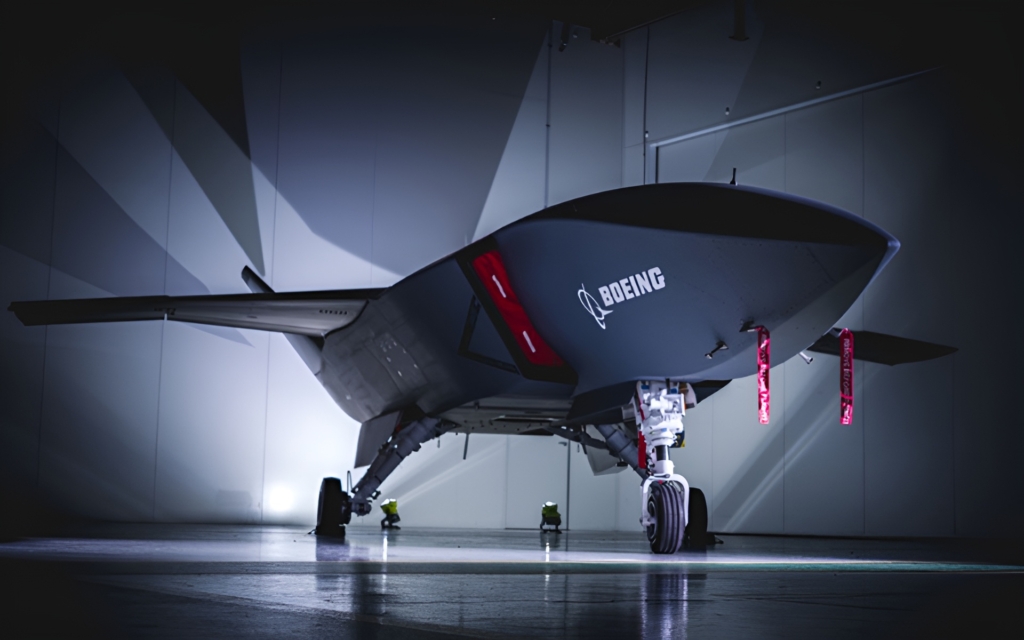
However, lethal authority remains within crewed platforms. During the December trial, the E-7A maintained engagement control, underscoring that collaborative combat aircraft are designed to extend not replace human decision-making.
MQ-28 Ghost Bat moves toward operational service by 2028
The MQ-28 is intended to operate alongside crewed assets such as the F/A-18F, E-7A and eventually fifth-generation fighters, performing surveillance, electronic warfare and strike support roles.
The December missile engagement, combined with ongoing structural upgrades under Block 3, positions the aircraft among the most mature collaborative combat aircraft efforts globally.
Investment in uncrewed and autonomous systems is central to Australia’s 2024 National Defence Strategy, and the Ghost Bat programme supports more than 440 high-skilled jobs nationwide, including over 200 Australian suppliers.
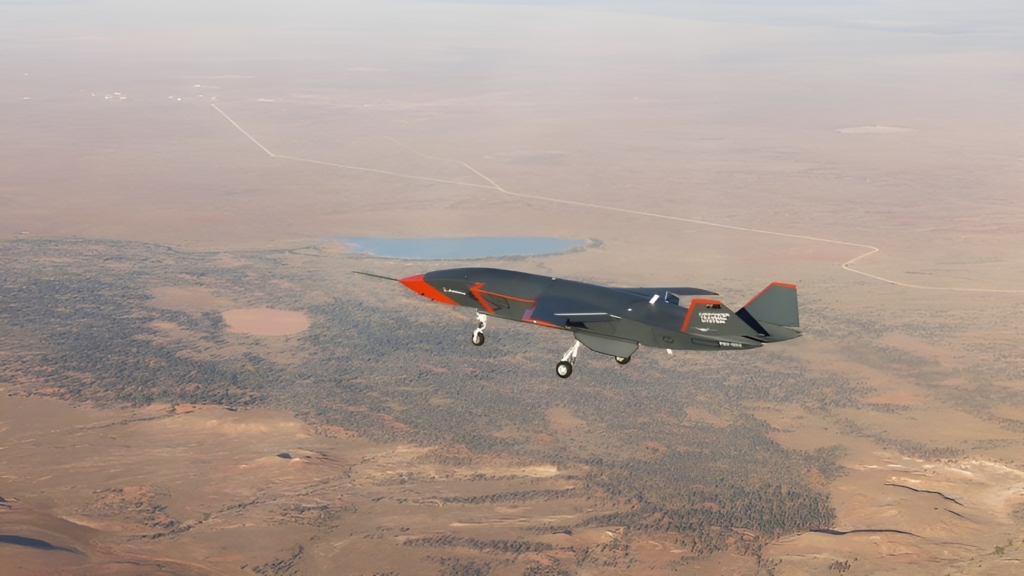
“What I really like about the Ghost Bat programme is that this is Aussie ingenuity with bold technical leadership,” Ferguson said. “It demonstrates that we understand what the future battlespace needs to look like.”
With internal weapons integration underway and autonomy validated in live-fire conditions, the MQ-28 is no longer simply a demonstrator of loyal wingman theory. It is increasingly being shaped into a deployable system designed to operate within allied air combat architectures with operational capability targeted before the end of the decade.
Featured image: