Boeing’s ecoDemonstrator trials upgrade for pilot-ATC communications

December 12, 2025
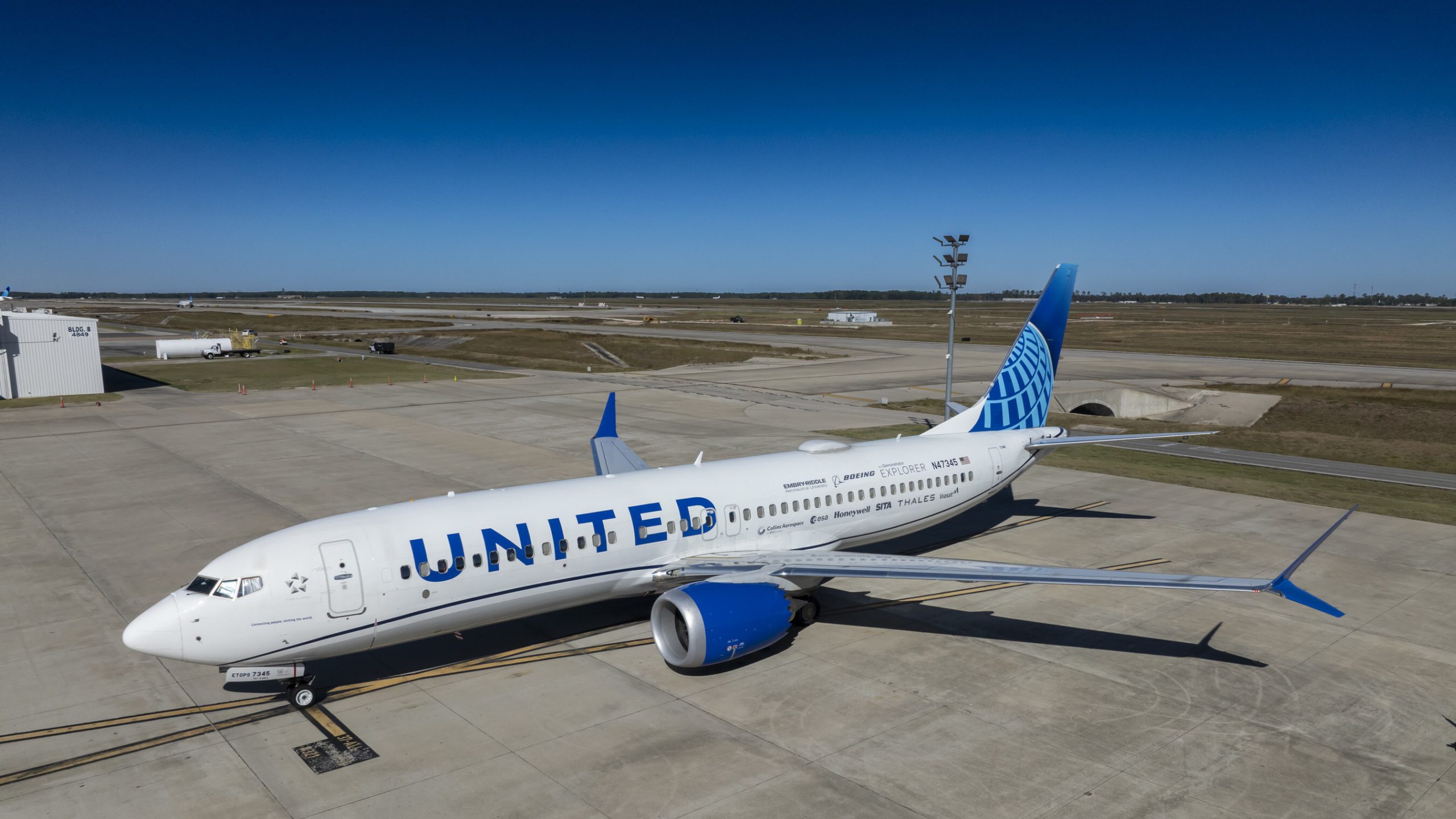
Boeing and United Airlines have completed a series of flight trials intended to evaluate a new standard for cockpit-to-ground data links, marking the latest phase of a decade-long effort to transition commercial aviation to internet-based communications.
Using a United Boeing 737 MAX 8 designated as the 2025 ecoDemonstrator Explorer, the two companies carried out test flights in the United States and Europe to assess the Internet Protocol Suite (IPS).
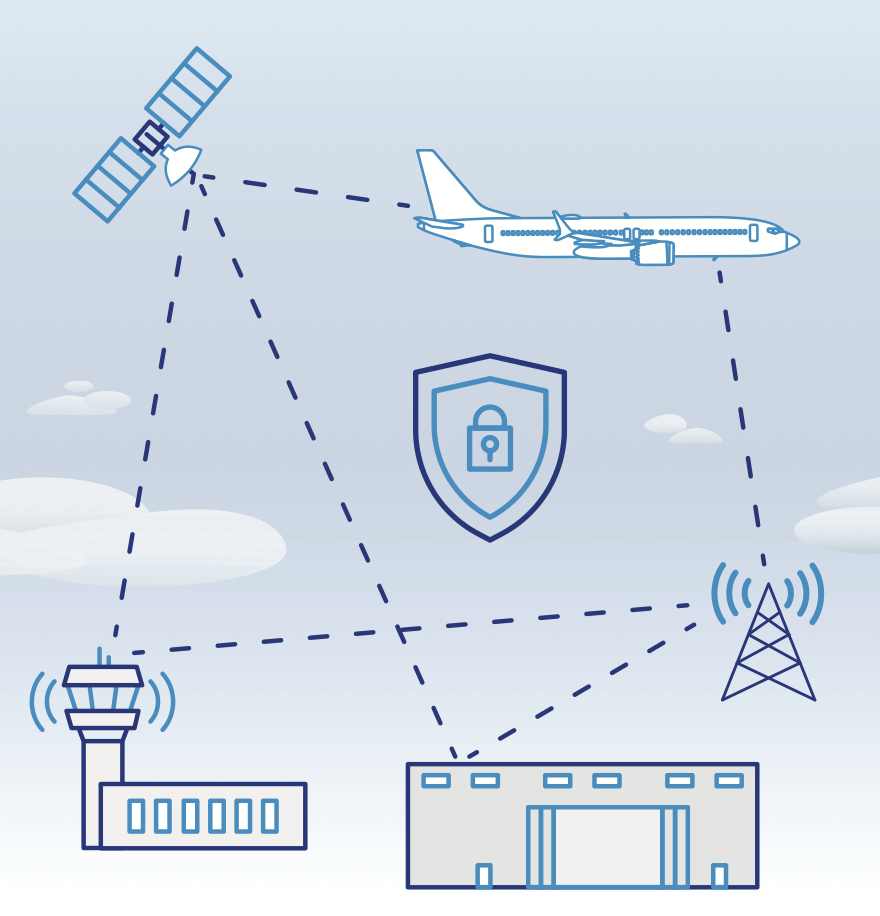
IPS is an internet-based communication capability that provides an information link between the flight deck, air traffic control and airline operation centre.
Crucially, IPS will enable Trajectory Based Operations (TBO), which can optimise aircraft flows and reduce fuel use and emissions by up to 10%.
IPS also increases cybersecurity protections for air‑to‑ground communications.
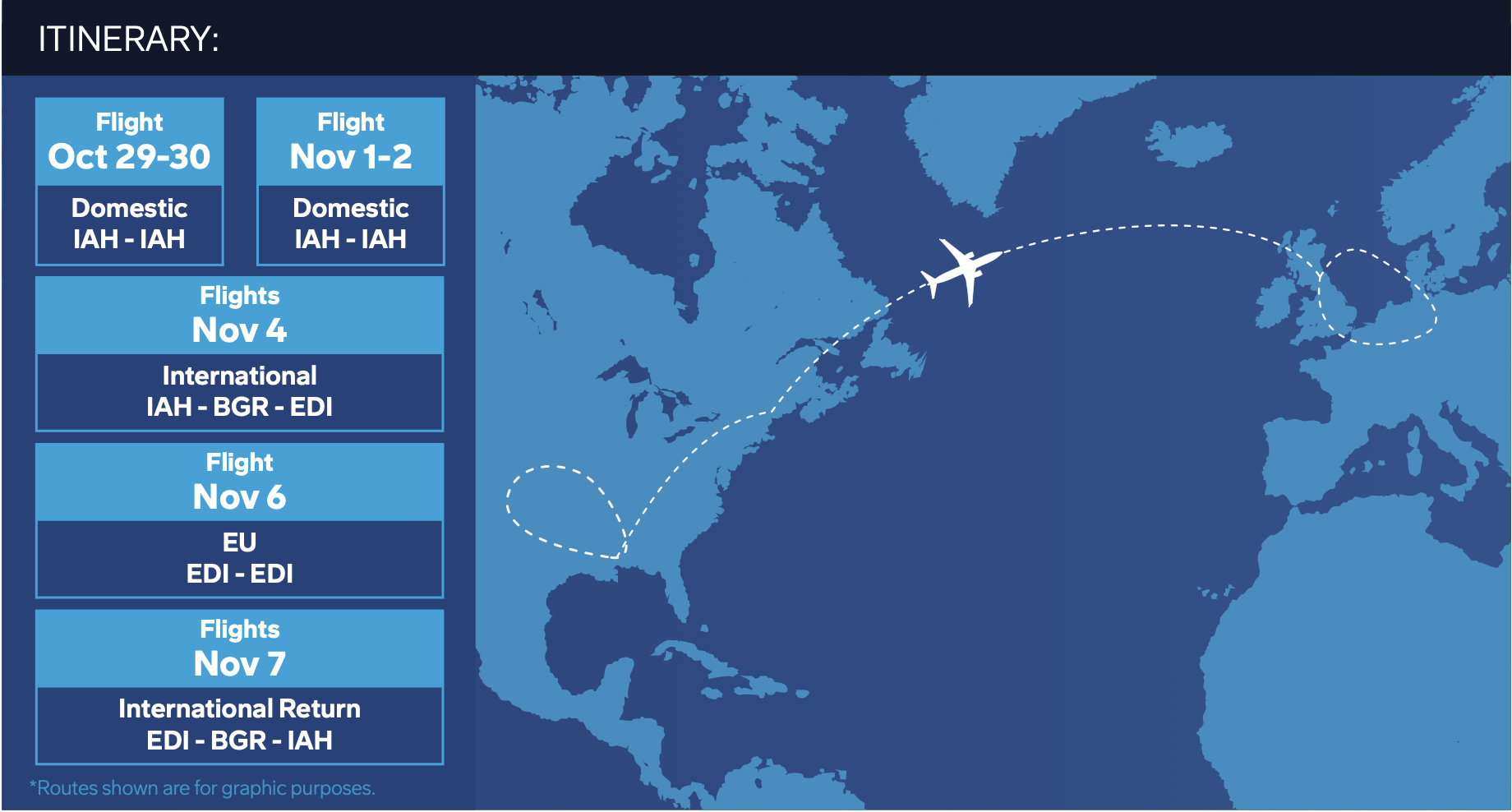
The aircraft undertook test flights from late October for two weeks, operating out of Houston for domestic flights and Edinburgh for European work.
Boeing said it selected the 737-8 for the campaign because the aircraft already carries the avionics architecture and satellite-based safety services required to support IPS trials.
The type can also be modified to incorporate IPS once the necessary ground network is in place.
The trials formed the final stage of technical validation before air navigation service providers begin considering regulatory and operational pathways for introducing IPS into airspace systems.
Test campaign focuses on ATC–cockpit connectivity
IPS is expected to replace legacy aeronautical datalink standards that have been in service for decades.
Industry advocates argue that an IP-based environment will allow higher bandwidth, lower latency and more resiliency.
Boeing chief technology officer Todd Citron said the work represents a significant technology step for the company’s ecoDemonstrator programme.
“Boeing is proud to lead the advancement of digital communications that significantly enhance safety and operational efficiency in commercial aviation,” he said.
“Our collaboration with United Airlines and the industry team is a pivotal step towards improving the reliability and speed of communication between the flight deck and air traffic control to enable safer, more efficient flight for the flying public.”
United supplied the test crew and aircraft for the trials. Andy McKee, the carrier’s 737 chief test pilot, said that after “many months of careful planning, United is proud to have executed this flight test effort with Boeing and our other partners, leveraging the expertise of all our teammates to help shape the future of flight.”
Broad industry participation
The programme brought together a wide cross-section of partners, including Collins Aerospace, Honeywell, SITA, Thales and Viasat, as well as the Federal Aviation Administration, NASA, and the European Space Agency (ESA).
Universities and research institutions also contributed to data analysis and systems evaluation.
“Data communications are essential to the safety and performance of tomorrow’s aircraft,” said Nate Boelkins, president of Avionics at Collins Aerospace.
“Our work with the ecoDemonstrator Explorer programme advances performance-based connectivity and interoperability, helping create more reliable, secure and agile operations across global airspace.”

Thales Aerospace Communications vice-president Nicolas Bonleux said the firm’s cockpit satcom equipment contributed to the tests.
“As the aviation industry ushers in a new era of digital communications, Thales is proud to play a key role in shaping the future of flight,” he said.
“Our AVIATOR 200S system, the smallest and lightest cockpit IP Satcom, empowers operators like United to support more efficient operations while modernising the flight deck with real-time connectivity for smarter, safer decision-making.”
SITA for Aircraft chief executive Yann Cabaret added: “As aviation evolves, so too does the need for communication systems that can support emerging requirements, such as trajectory-based operations, which demand technologies beyond current standards.”
Viasat senior vice-president Joel Klooster said the trials demonstrated the performance of satcom for trajectory-based operations: “Viasat is excited to be partnering with Boeing on the ecoDemonstrator programme to show how satcom datalink supports current and future Trajectory Based Operations.”
ecoDemonstrator continues decade of trials
Since its launch in 2012, Boeing’s ecoDemonstrator initiative has evaluated more than 250 technologies ranging from noise-reduction systems to advanced materials.
Boeing has also continued to use a 777-200ER as part of the programme.
The latest round of evaluations covered several areas, including studies into airport-area noise, with the programme measuring the effects of procedures such as steeper glide-slope operations and continuous-descent approaches to quantify potential reductions in fuel use, emissions and community noise.

Boeing also examined new cabin materials, including a digitally printed “deep-dyed” carpet intended to reduce waste and resource consumption in production. The material cuts weight by about 54kg on a 787-9 compared with existing carpet products.
The IPS campaign is one of the ecoDemonstrator’s most complex efforts, involving multiple airspace regulators, satellite network operators and avionics suppliers.
Following these latest tests, Boeing and United are expected to compile data packages for regulators as the aviation sector begins planning how to introduce IPS capability into commercial fleets and air traffic management infrastructure over the next decade.