The BelugaST is retiring: Airbus seeks museums and educational homes for the giant aircraft

January 5, 2026
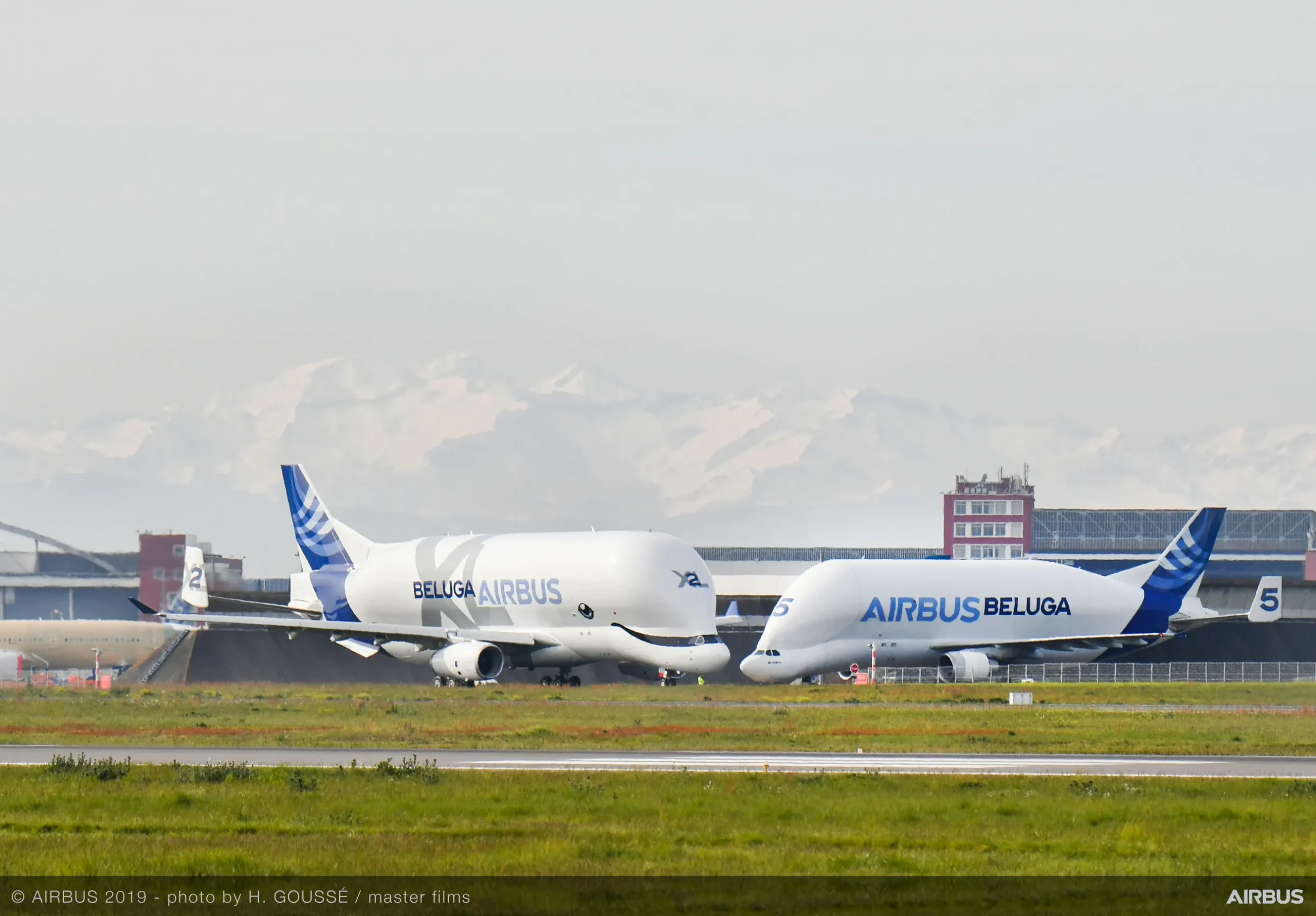
Airbus is considering museum, exhibition, and educational placements for its original BelugaST, its outsized cargo aircraft, as the fleet is gradually retired. The plan reflects the historical and engineering significance of these unusual airlifters as the aircraft are phased out of active service.
BelugaST retires as the BelugaXL fleet takes over production transportation
With Airbus’s newer BelugaXL fleet now fully operational, the original A300-600ST Super Transporters, famed for carrying oversized aircraft components such as wings and fuselage sections between European manufacturing sites, are being withdrawn from service.
Airbus had intended to launch its own cargo airline – Airbus Beluga Transport (AiBT) – using these giant transporters, but shut it down in early 2025, citing operational complexities, high costs, and low external demand.
The specialised aircraft faced tough competition and couldn’t compete with other freighters like the Antonov An-124 due to weight limits and difficult loading.
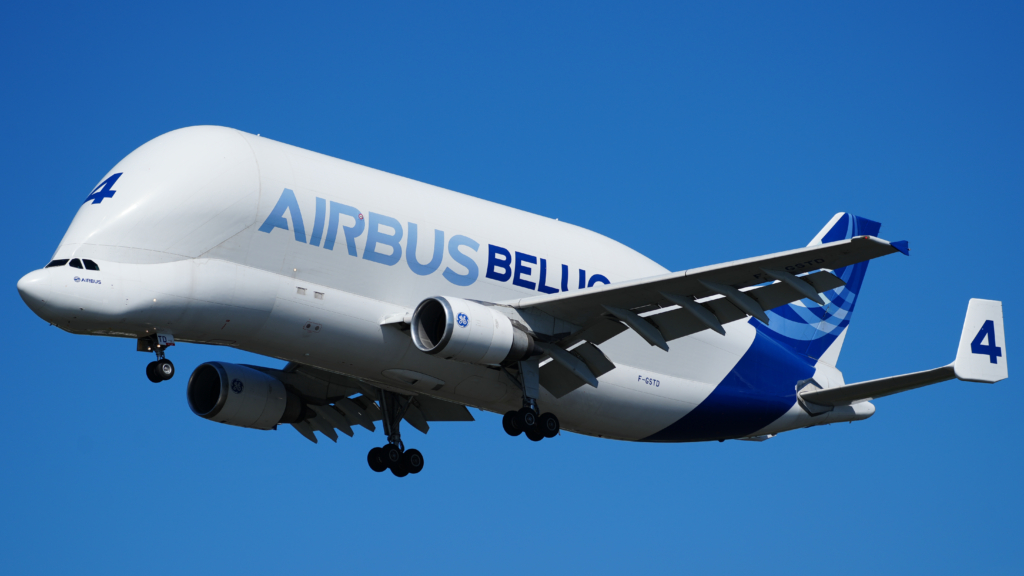
“The plan is to exhibit the Beluga ST aircraft or use them for educational purposes – corresponding options are currently being examined,” an Airbus spokesperson told AeroTELEGRAPH. “As an aircraft manufacturer with strong European roots, the teams working on the project are primarily considering exhibition venues in Europe.”
Due to their size, potential BelugaST hosts will need substantial display space, ideally adjacent to an airfield to simplify delivery and installation logistics. Aviation museums with large outdoor areas are among the possible candidates under consideration.
From Super Guppy to Beluga: the roots of an aviation icon
Long before Airbus developed its own outsize freighter, the company relied on the Aero Spacelines Super Guppy—an aircraft originally designed in the 1960s to support NASA by transporting massive rocket stages for the Apollo program. Built on a modified Boeing 377 Stratocruiser airframe, the Super Guppy featured a dramatically enlarged fuselage to accommodate oversized loads.
These aircraft were essential given the unique logistical challenges posed by Airbus’s multinational manufacturing.
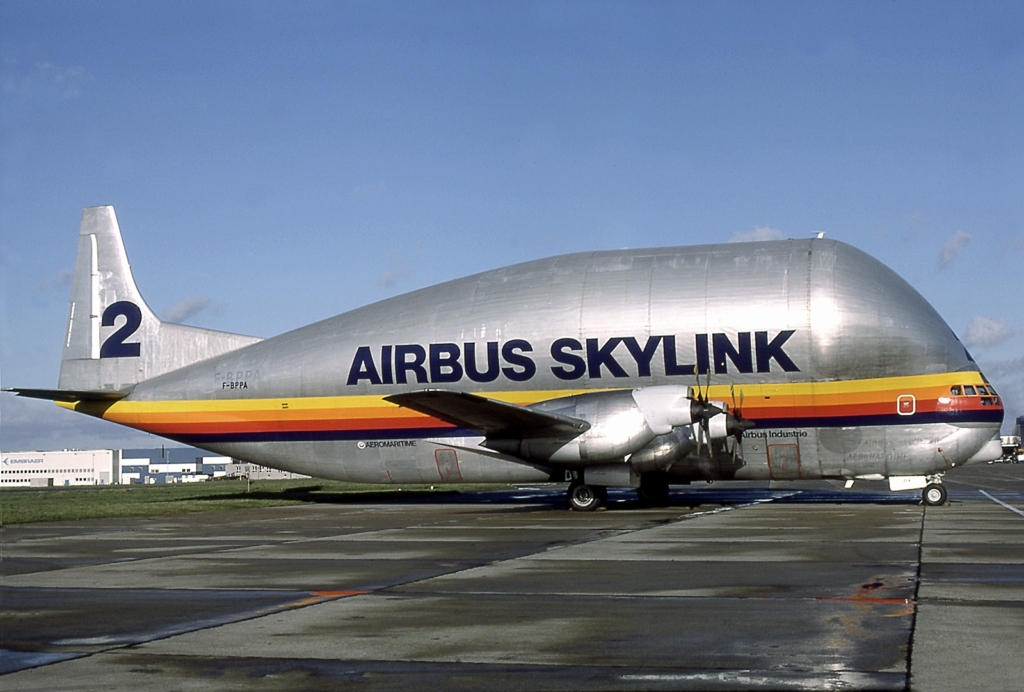
In the early 1970s, Airbus acquired several Super Guppy aircraft—including Super Guppy Turbine variants built under licence in France—to transport large aircraft sections between its European production sites.
NASA continues to use the Super Guppy to transport large, specialised mission equipment that would be difficult to transport by other means. In fact, NASA acquired the last remaining airworthy Super Guppy aircraft (N941NA) from Airbus in 1997.
Birth of the BelugaST: a bespoke Airbus transporter
By the late 1980s and early 1990s, Airbus’s production ramp-up—especially for larger aircraft models such as the A330 and A340—had outgrown the capabilities of the ageing Super Guppy fleet. Rising maintenance costs, limited payload capacity, and increasing component size demanded a purpose-built solution.
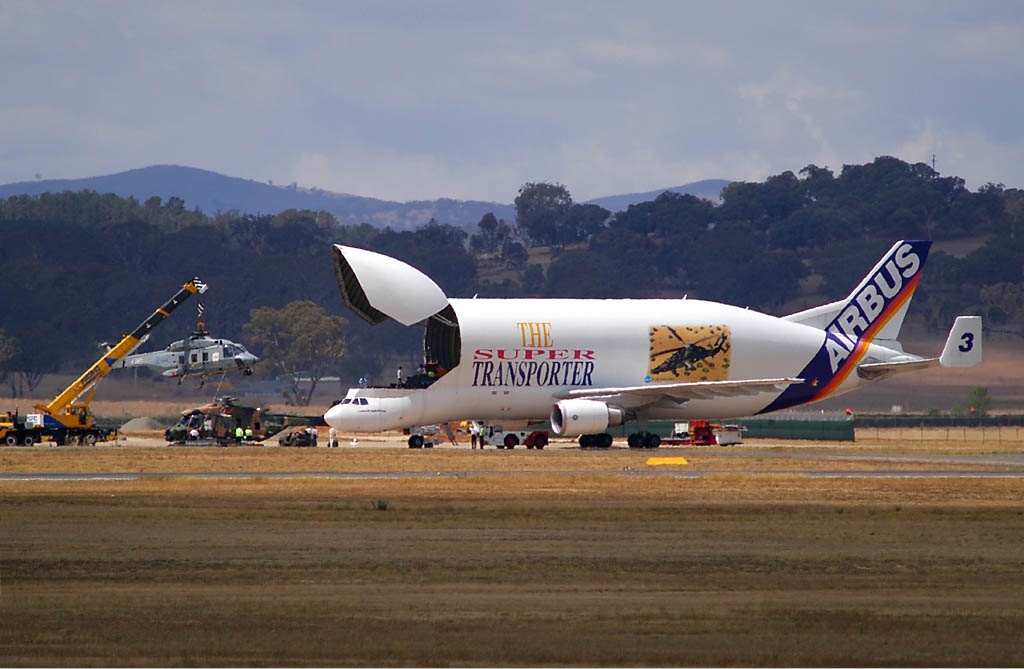
Airbus responded by developing the A300-600ST Super Transporter. Based on the A300-600 platform with a distinctive oversized fuselage and a cockpit positioned below the cargo deck, the new aircraft offered a straight-through load path for outsized components. Its rounded shape led to the nickname Beluga, after the Arctic whale.
The first BelugaST flew in 1994 and entered service soon after, with five aircraft dedicated to supporting Airbus’s internal logistics network for more than two decades.
BelugaXL now carries the load for Airbus
To meet rising production demands and carry larger loads (including two A350 wings simultaneously), Airbus developed the BelugaXL, based on the A330-200 platform. The BelugaXL—which offers roughly 30% more capacity than its predecessor—entered service in 2020 and has since assumed the outsized transport role within Airbus’s logistics system.
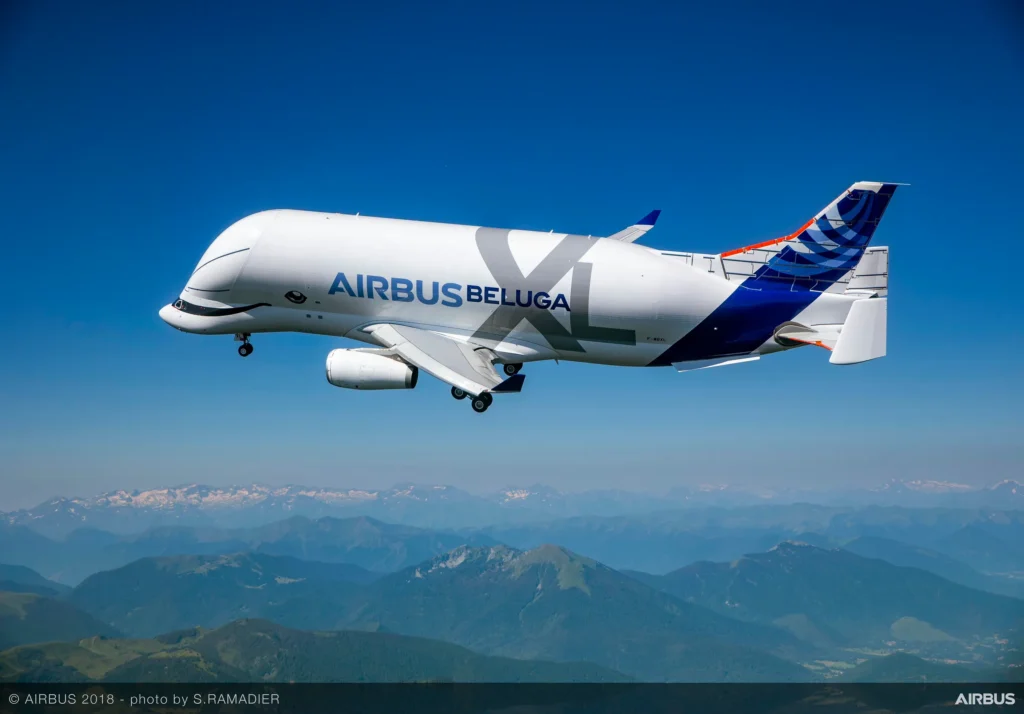
With the BelugaXL fleet of six aircraft now operational, the original BelugaST aircraft are being retired or stored. Airbus’s effort to find permanent museum or educational homes for these aircraft reflects their status as symbols of aerospace logistics innovation.
Preserving the legacy of super-sized transport
The trajectory of Airbus’s transport aircraft reveals how the European aerospace industry has adapted aircraft to meet its unique large-transport requirements, starting with Boeing Stratocruiser-based Super Guppy and evolving to A300-600ST Beluga and its XL successor.
Investing in the preservation of the original BelugasSTs will ensure that these engineering marvels and giants of the sky will remain accessible to future generations.
Featured Image: Airbus