Singapore Airshow: AirBorneo orders ATR turboprops to modernise Rural Air Services

February 3, 2026
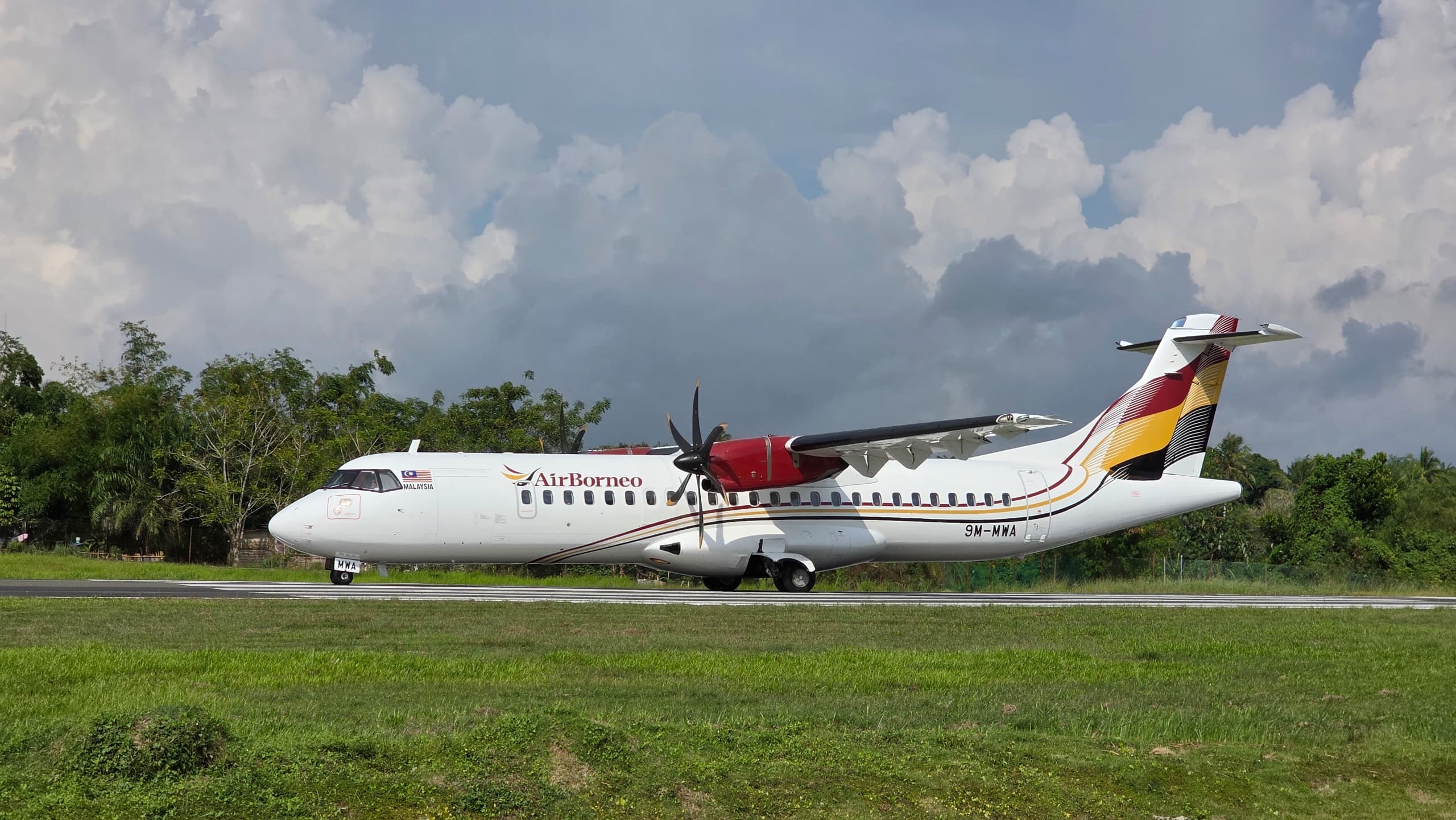
AirBorneo has selected ATR’s latest-generation turboprops to modernise Malaysia’s Rural Air Services (RAS) network, confirming a firm order for eight aircraft as the Sarawak state-owned airline reshapes essential connectivity across East Malaysia.
Announced during the opening day of the Singapore Airshow on 3 February, the agreement covers five ATR 72-600s and three ATR 42-600s, with purchase rights for four additional aircraft. Deliveries are scheduled between 2027 and 2029.
The mixed fleet will replace older aircraft inherited from MASwings and form the backbone of a more resilient, efficient RAS operation serving Sarawak, Sabah and Labuan.
The order marks a key step in AirBorneo’s transition following the Sarawak government’s acquisition of MASwings in 2025 and its subsequent rebranding.
The airline currently operates eight ATR 72-500s; moving to the –600 series brings modern avionics, improved reliability and lower operating costs to routes where air transport remains a public service rather than a purely commercial proposition.
AirBorneo selects ATR turboprops to modernise Malaysia’s Rural Air Services
For AirBorneo, the choice of the ATR family reflects operational reality in Borneo.
Many RAS routes involve short, narrow or unpaved runways, challenging weather, and low-density demand, conditions that favour turboprops optimised for efficiency rather than speed.
The ATR 42-600, the only aircraft currently in production in the 30–50-seat segment, is designed for precisely that niche. Its smaller capacity and low cost per trip allow airlines to sustain thin routes while maintaining frequency.
The aircraft is widely used to replace smaller turboprops and regional jets where economics are tight but reliability is critical.
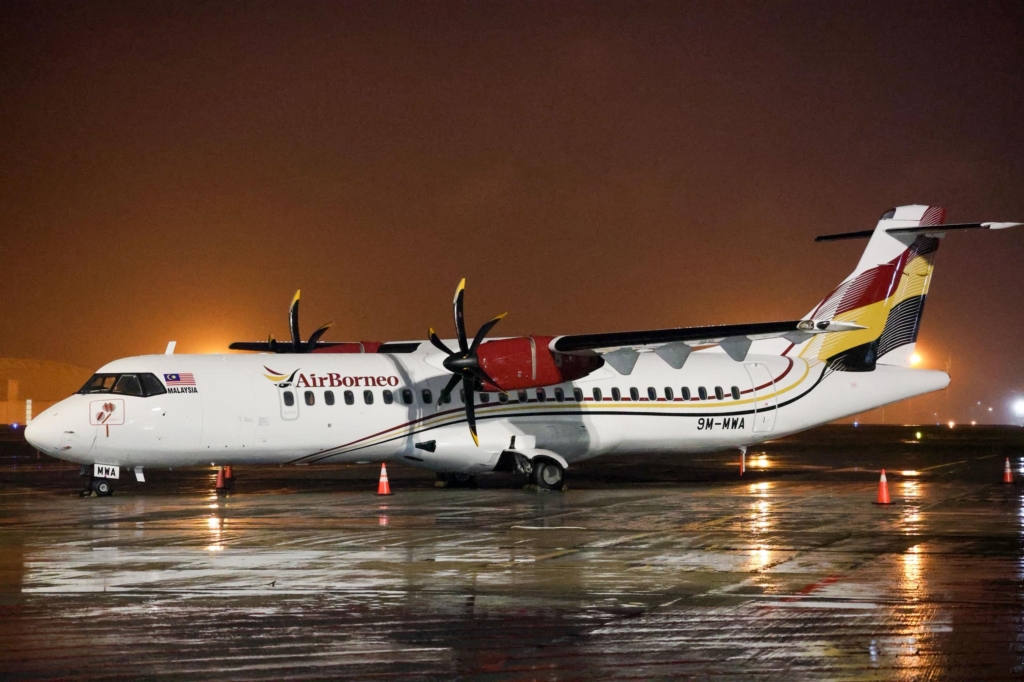
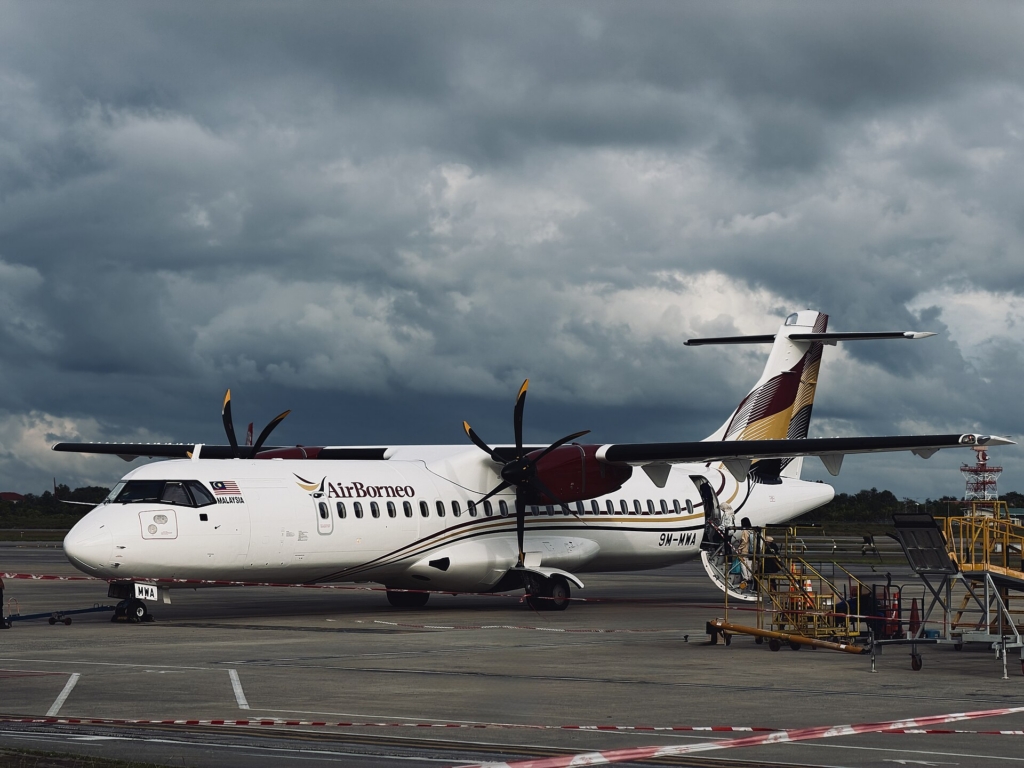
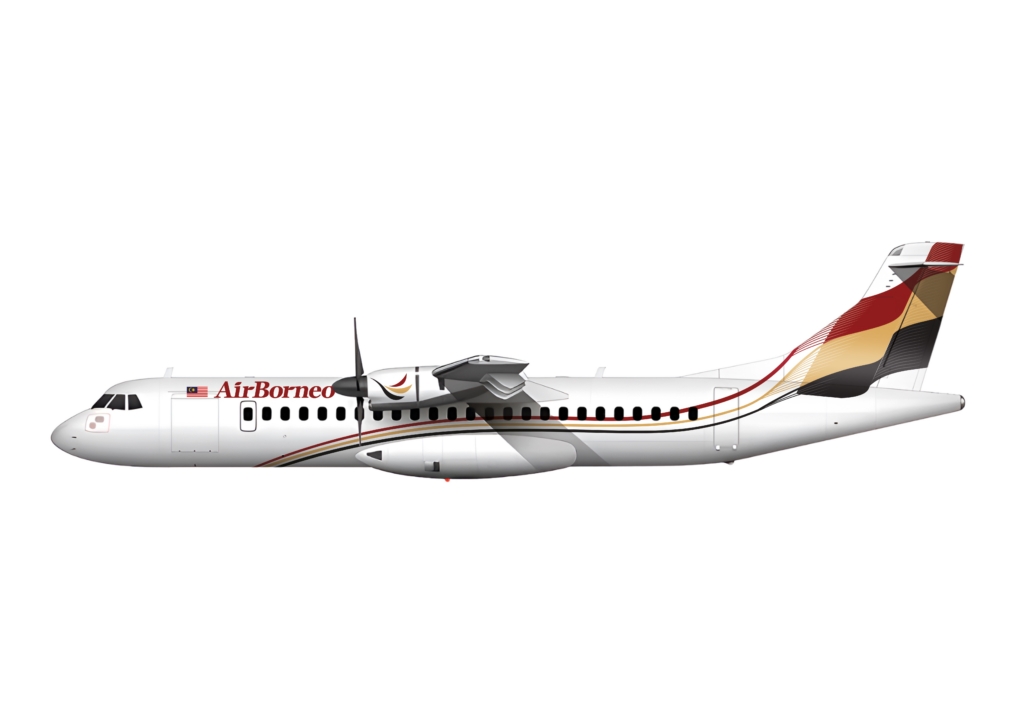
Complementing it is the larger ATR 72-600, the market-leading regional turboprop with seating for up to 78 passengers.
Known for fuel efficiency and low CO₂ emissions, the type is capable of operating in extreme temperatures and from short or constrained airfields, extending viable air service to communities that would otherwise remain isolated.
AirBorneo’s decision to operate both variants mirrors a broader industry trend. Around a quarter of ATR operators fly mixed ATR 42 and ATR 72 fleets, using commonality to tailor capacity to demand while simplifying training, maintenance and spares.
New ATR fleet strengthens AirBorneo’s Rural Air Services network
RAS plays a critical role in East Malaysia, linking remote towns and islands to regional centres for healthcare, education and commerce.
Aircraft deployed on these routes must also support special missions, including medical evacuations.
AirBorneo said the new –600 series aircraft are equipped for stretcher operations and offer improved dispatch reliability, modern navigation systems and enhanced cabin comfort, important upgrades for services that are often the only transport option available.
“The ATR platform has consistently proven to be the most suitable aircraft for our operating environment,” said Megat Ardian, chief executive of AirBorneo.
“Upgrading to the latest –600 series ensures we can continue providing essential connectivity while preparing AirBorneo for long-term growth.”
ATR 42-600 and 72-600 give AirBorneo flexibility beyond RAS routes
While the immediate focus is RAS renewal, the agreement also positions AirBorneo for measured expansion.
The four purchase rights included in the deal provide options beyond the public service network, including potential regional services within the Brunei Darussalam–Indonesia–Malaysia–Philippines East ASEAN Growth Area.
Fleet flexibility is central to that ambition. By right-sizing capacity across different route profiles while retaining cockpit and maintenance commonality, AirBorneo can scale cautiously without incurring the complexity of multiple aircraft types.
For ATR, the order reinforces the role of turboprops in sustaining regional air transport where jet economics struggle to make sense. Nathalie Tarnaud Laude, chief executive of ATR, said the mixed order underlined the versatility of the family.
“The ATR 42-600 is ideally suited for lower-density regional routes, while the ATR 72-600 provides additional capacity where it is needed,” she said. “We are proud to partner with AirBorneo in strengthening reliable air connectivity across Borneo and the wider region.”
AirBorneo ATR order signals renewed focus on regional aviation in Southeast Asia
AirBorneo’s fleet decision comes as governments across Southeast Asia reassess how best to maintain lifeline air services amid rising costs and sustainability pressures.
New-generation turboprops offer a pragmatic answer: lower fuel burn, reduced emissions and the ability to serve airports beyond the reach of narrowbody jets.
For Sarawak, the order is also symbolic. It underlines the state government’s intent to treat air connectivity as strategic infrastructure, supporting economic development and social inclusion rather than leaving remote routes to market forces alone.
As deliveries begin later this decade, the ATR –600s are set to become a familiar sight across East Malaysia.