Air Astana to retire world’s youngest Boeing 767s as first 787s arrive in September

March 13, 2026
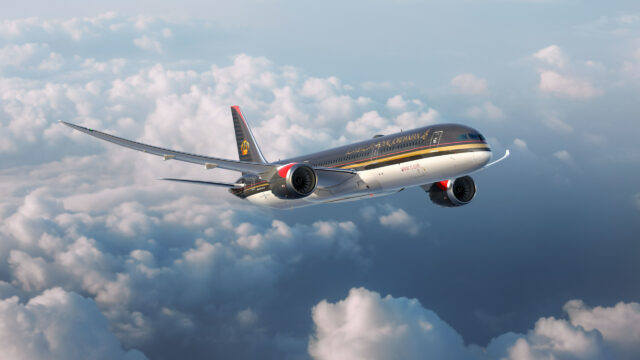
Air Astana has confirmed that its long-awaited Boeing 787 Dreamliners will finally enter service from September 2026, paving the way for the retirement of what are believed to be the youngest Boeing 767 passenger aircraft still flying.
The announcement came during the airline’s full-year earnings call on March 13, where executives outlined the fleet transition alongside financial results and an update on delivery delays affecting the new widebodies.
Air Astana’s delayed Boeing 787s are finally set for September arrival
Air Astana expects its first Boeing 787-9 to arrive in September 2026, with a second aircraft due in November and a third scheduled for delivery in mid-2027.
The introduction of the Dreamliner fleet has been pushed back several times, reflecting wider production and certification challenges at Boeing in recent years.
“The Boeing 787… had been planned originally from a couple of years ago, but it has been delayed by Boeing, which has perhaps not been surprising given the challenges Boeing have faced,” outgoing CEO Peter Foster said during the call.
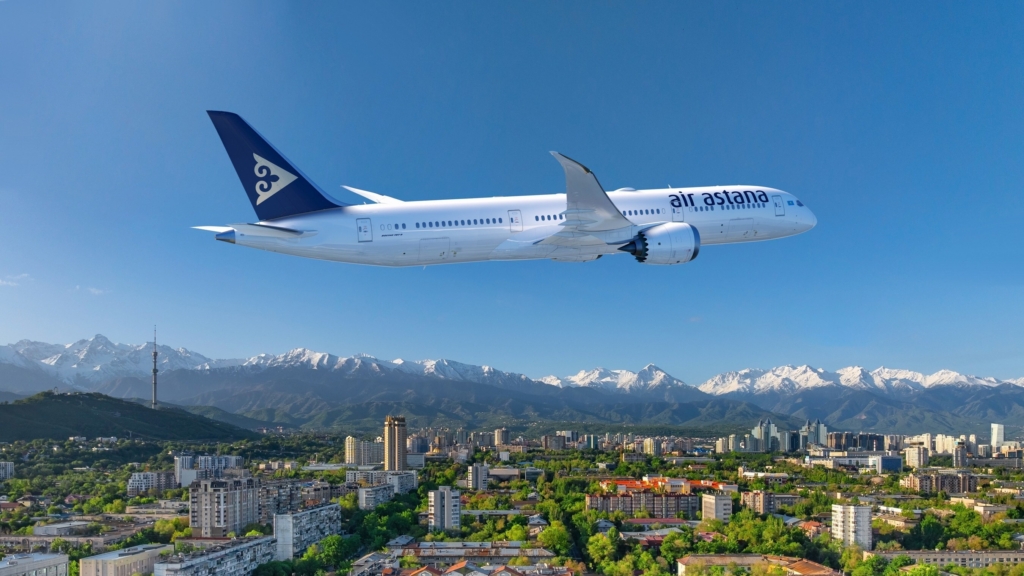
Despite the setbacks, the airline said it now believes Boeing is making progress in stabilising deliveries.
“Those challenges are now being addressed… the first aircraft will arrive in September, the second in November,” Foster confirmed.
The aircraft will be configured with 30 business class and 273 economy seats, providing a significant upgrade in passenger experience compared with the airline’s current long-haul fleet.
The 787s will initially operate many of the same routes currently served by Air Astana’s 767s, including destinations across East Asia, Southeast Asia and Europe.
Financially, the airline reported a mixed performance for 2025, with EBITDA rising slightly by 0.8% year-on-year, although margins slipped to 22.1% amid operational challenges, including engine removals affecting Airbus narrowbodies.
World’s youngest Boeing 767s approaching retirement
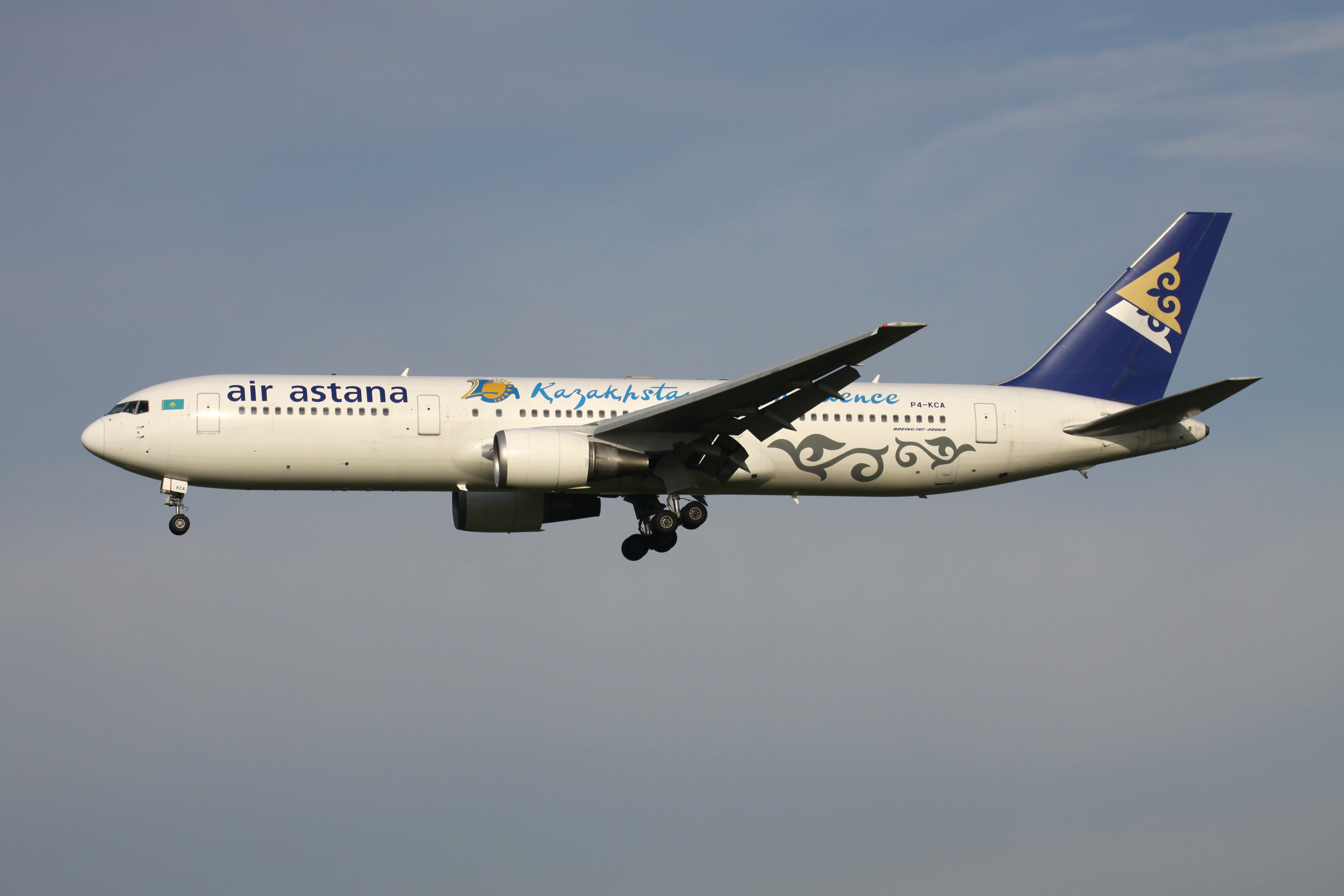
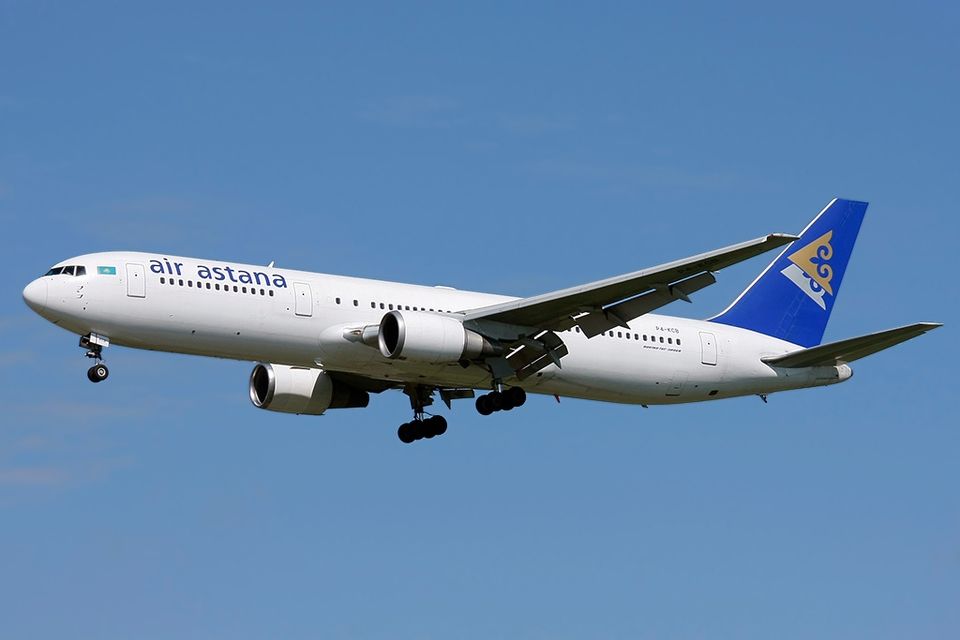
The arrival of the 787 fleet will trigger the gradual retirement of Air Astana’s Boeing 767-300ER aircraft, which are among the last passenger examples built before Boeing effectively ended production of the type in 2014.
Air Astana operates three of the youngest passenger 767s still flying globally, delivered between 2013 and 2014. The aircraft, registered EI-KEA, EI-KEB and EI-KEC, were among the final 767-300ERs produced before Boeing shifted the programme almost entirely to freighter and military variants.
| Registration | Aircraft type | MSN | Line number | Delivery date |
|---|---|---|---|---|
| EI-KEA | Boeing 767-3KYER | 42220 | 1060 | September 2013 |
| EI-KEB | Boeing 767-3KYER | 42221 | 1062 | October 2013 |
| EI-KEC | Boeing 767-3KYER | 42223 | 1068 | June 2014 |
Foster confirmed the Dreamliner introduction will directly replace the airline’s existing widebody fleet.
“The 767s will leave the fleet in 2027 and be replaced by the 787s arriving from September this year,” he said.
The three aircraft currently serve key long-haul routes, including Frankfurt, as well as destinations across East and Southeast Asia, forming the backbone of the airline’s intercontinental network.
While Air Astana configured its 767 cabins with a layout similar to the planned Dreamliner configuration, executives acknowledged the new aircraft will represent a significant step forward for passengers.
“It really will be a significant upgrade of the product, including things like Wi-Fi and other onboard improvements,” Foster said.
The fleet transition forms part of a wider modernisation strategy aimed at simplifying the airline’s aircraft mix while expanding international routes.
Airline confident in Dreamliner certification despite seating issues
Air Astana executives also addressed questions about certification challenges that have affected some Boeing programmes, including issues with aircraft seating approvals.
Foster acknowledged that seat certification problems had contributed to the earlier delivery delays, particularly involving business-class seats supplied through Boeing’s seat subsidiary.
“There have been quite a lot of issues involving the seats… those have now been resolved,” he said.
However, one technical issue remains under review.
“There is just an outstanding issue on the Recaro economy seats… which was raised by the FAA regarding some of the in-seat facilities, but we expect that to be resolved before the aircraft arrives in September.”
Despite these final certification steps, Air Astana said it is confident the aircraft will be delivered on schedule.
“We are confident in the timeline,” Foster concluded, “and we fully expect the issue to be resolved by the time the aircraft comes in September.”
Once in service, the Dreamliners are expected to expand the airline’s long-haul network and provide greater operational flexibility as it continues to grow across Central Asia’s rapidly developing aviation market.
Featured image: Björn Wylezich / stock.adobe.com