


Which airlines are adding new fees to flights amid surging fuel prices?

5 min read
Faced with soaring fuel costs, some airlines are adding extra charges to base fares to offset their rising expenses.
Even though the announcement of a 14-day ceasefire in Iran has seen international oil prices fall, airlines have already been heavily affected by the conflict.
Today, Reuters reported IATA Director General Willie Walsh warning that it could take “many months” for supplies to return to normal and for jet fuel prices to return to pre-conflict levels. As such, these extra fees won’t be going away anytime soon.
Airlines increase baggage fees to offset fuel costs
Several major airlines have increased their baggage charges, mainly affecting passengers with checked baggage.
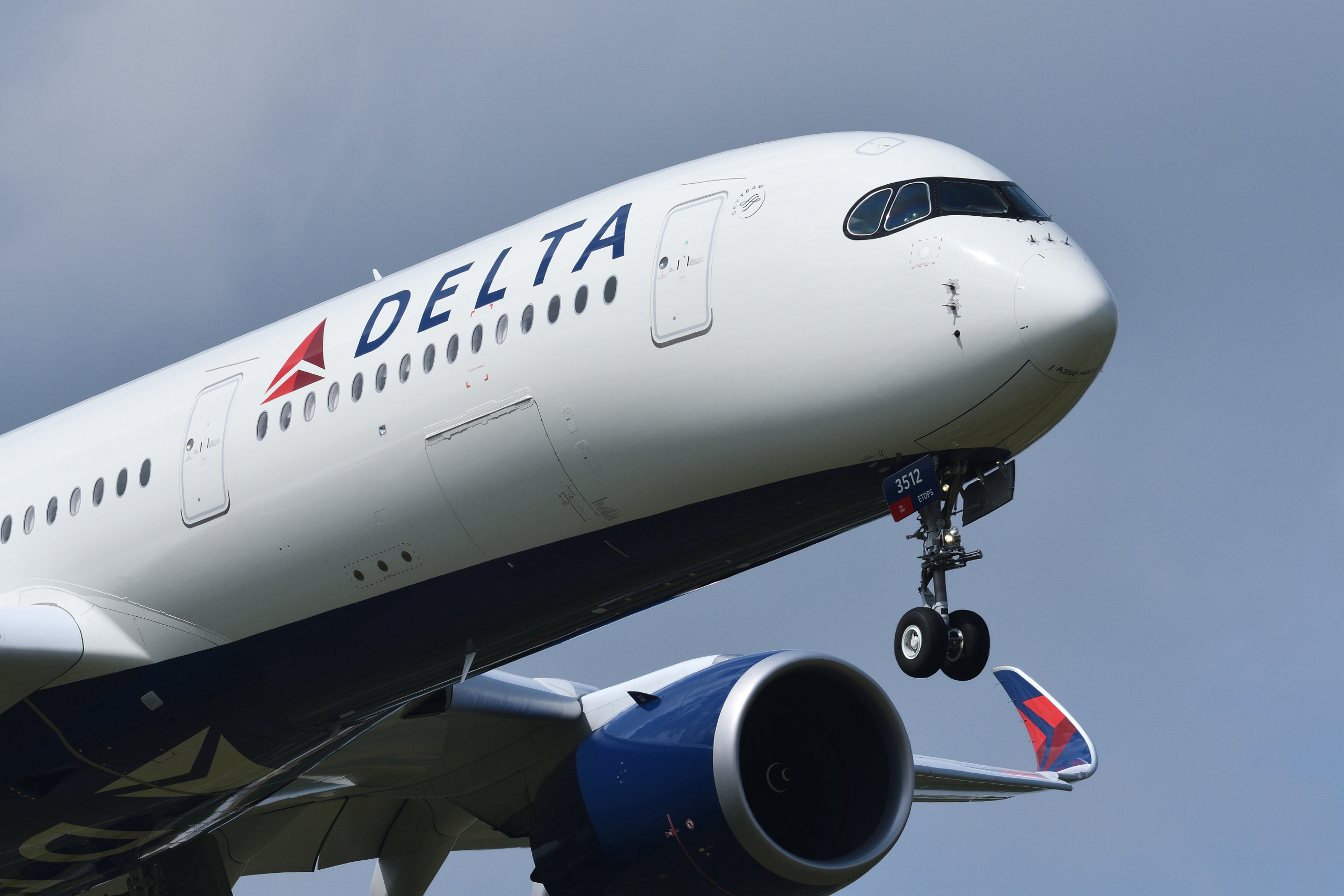
Delta Air Lines has increased first and second bag fees on all flights by an average of $10 to around $45-$55 per bag per sector. United Airlines, meanwhile, has introduced a similar $10 baggage charge across all US domestic and some international flights.
JetBlue has raised its baggage fees by between $4 and $9, depending on whether the travel is peak or off-peak. Southwest Airlines introduced and subsequently raised bag fees (ending its “bags fly free” tradition) to a level of around $45–$55.
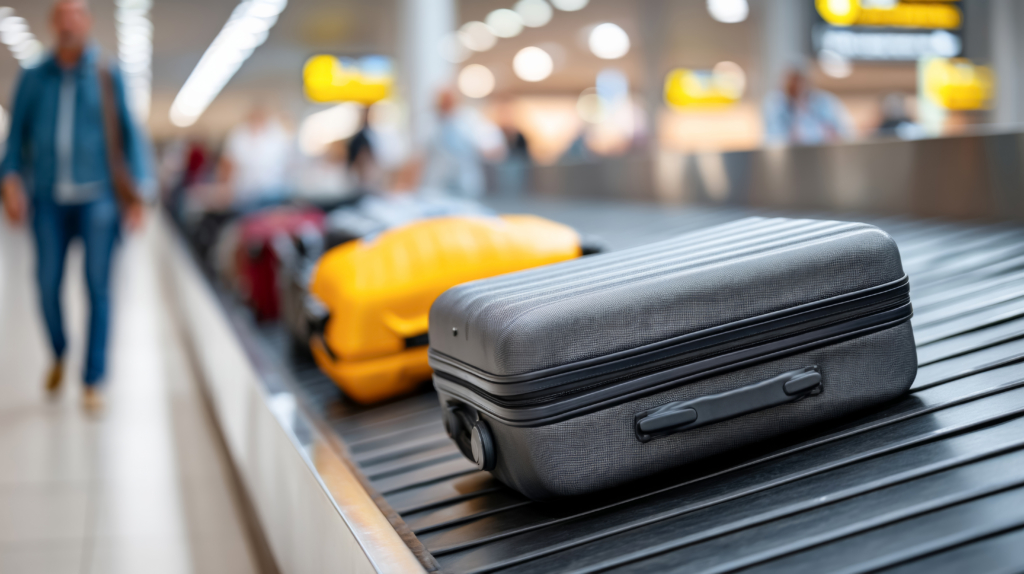
Additional checked baggage fees have largely been limited to larger US carriers so far, although others are reported to be contemplating changes.
Long-haul international routes often still include at least one free checked bag. Notably, frequent flyers, premium ticket holders, and airline credit card holders may still get free baggage, depending on the airline.
Airlines raise long-haul fares as fuel costs bite
Airlines outside the US have largely avoided new baggage fees, instead raising ticket prices, particularly on long-haul routes where fuel burn is highest.
| Airline | Region | Fare Increase | Notes |
|---|---|---|---|
| Air France–KLM | Europe | ~€50 per round trip | Explicit long-haul price increase |
| Qantas | Australia / International | Increased fares | Attributed to oil price volatility |
| Thai Airways | Asia-Pacific | 10%–15% | International and long-haul routes |
| Air New Zealand | Oceania | Increased fares + surcharges | Fuel surcharges and capacity cuts |
| Scandinavian Airlines (SAS) | Europe | Temporary increases | Adjustments to offset fuel costs |
| Cathay Pacific | Asia / Europe | Increased fares | Long-haul routes affected |
| AirAsia X | Asia-Pacific | Increased fares | Across international network |
This includes Air France–KLM, which has explicitly increased long-haul ticket prices by around €50 per round-trip journey on long-haul routes, while Australian carrier Qantas raised international (long-haul) airfares, citing oil price volatility.
Thai Airways has reportedly increased international and long-haul ticket prices by around 10%–15%, while Air New Zealand has raised fares alongside introducing fuel surcharge increases and capacity cuts.
Scandinavian Airlines has implemented “temporary price adjustments” (fare increases) to cover additional fuel costs, while the carrier has also cut flights due to fuel costs.
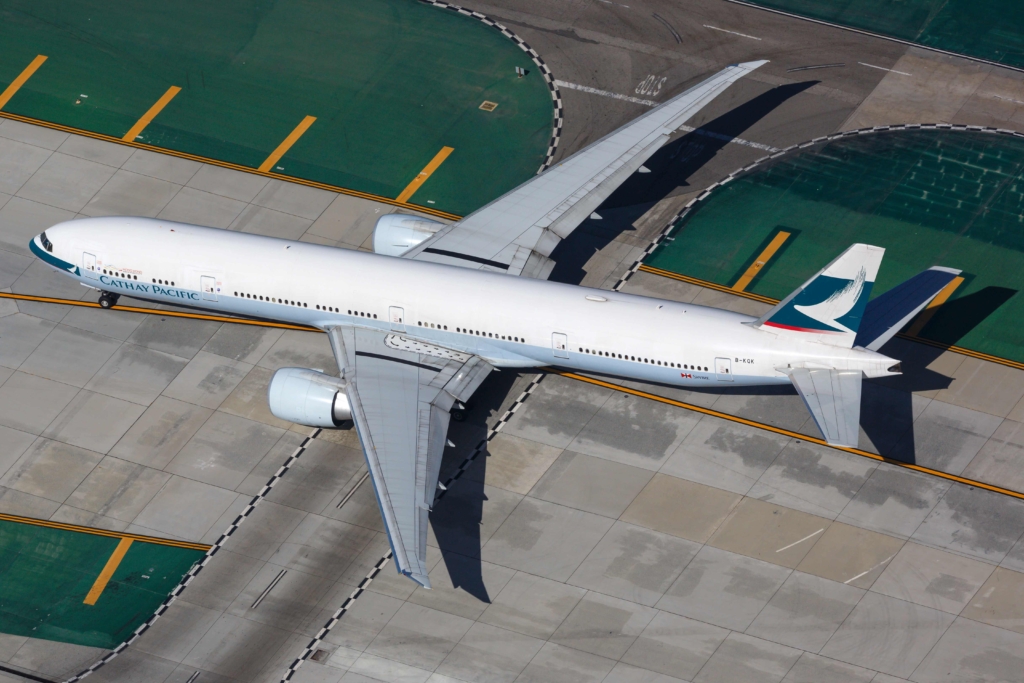
Hong Kong carrier Cathay Pacific is also raising airfares, and was even found to be selling a business class ticket for an eye-watering £20,000 last month.
Other carriers, including British Airways, Lufthansa, Ryanair and easyJet, have signalled that further increases could follow, particularly as fuel hedging positions unwind.
There are, however, early signs of demand stimulation returning. Etihad Airways launched a seat sale offering up to 50% off international fares in early April, suggesting some carriers are balancing higher costs with efforts to maintain load factors.
Airlines reintroduce fuel surcharges
Many airlines are also turning to fuel surcharges, allowing them to recover rising costs without increasing headline fares.
Cathay Pacific increased fuel surcharges by around 34% or more, with some routes seeing multiple hikes in March and April. The airline is reportedly reviewing surcharges every two weeks.
Air India has raised fuel surcharges across domestic and international routes, with long-haul routes to Europe and North America seeing the largest increases of $125–$200 per passenger.
AirAsia X has increased its fuel surcharges by up to 20%, while Hong Kong Airlines has raised its own by as much as 35% on some routes.
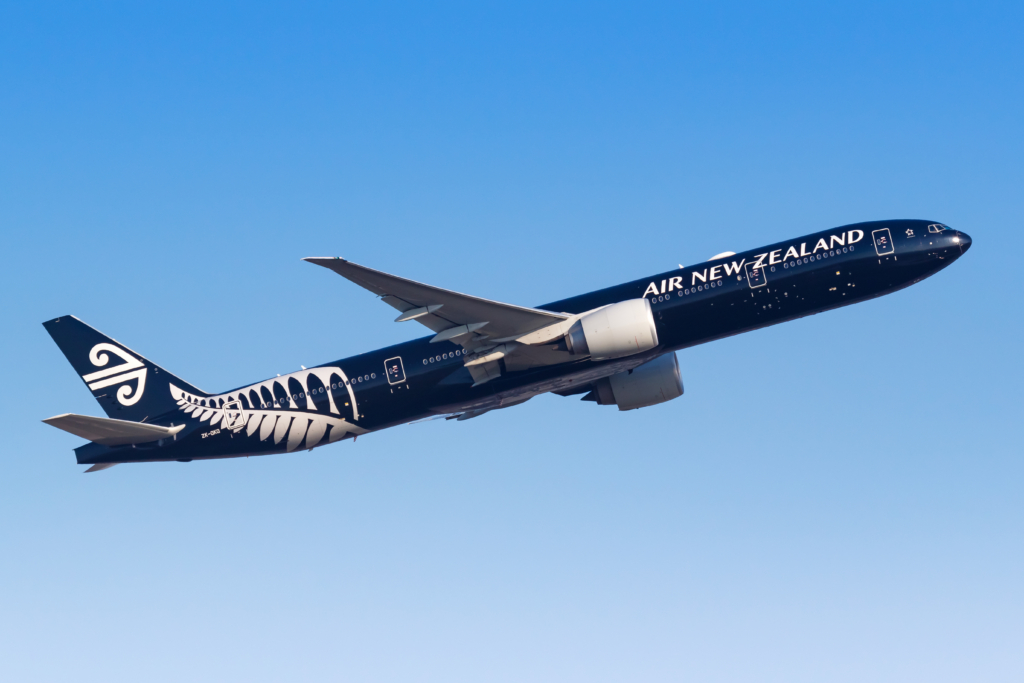
Elsewhere in the Asia-Pacific region, Air New Zealand has added fuel surcharges across its domestic (+NZ$10), short-haul (+NZ$20), and long-haul (+NZ$90) routes, while Singapore Airlines has introduced fuel surcharges across its cargo operations, which also reflects a broader pricing strategy across its passenger operations.
In Europe, Air France–KLM has added fuel surcharge increases on long-haul flights of around $50 per passenger, while Turkish carrier SunExpress has introduced a temporary fuel surcharge of €10 per passenger per flight on routes between Turkey and mainland Europe.
How long will flight prices remain elevated?
Despite the ceasefire and the gradual reopening of the Strait of Hormuz, there is little sign that airline costs, or ticket prices, will fall quickly.
As already flagged by Willie Walsh, the impact of the crisis is expected to last for months, with fuel markets taking time to stabilise and airlines still flying longer, more fuel-intensive routes.
More immediately, the industry is facing a growing risk of fuel shortages.
In Italy, airports including Milan Linate, Venice, Treviso and Bologna were forced to introduce temporary fuel rationing after supplies tightened, prioritising long-haul and essential flights while restricting some shorter services.
Featured image: zapper / stock.adobe.com
Sign up for our newsletter and get our latest content in your inbox.


More from


September 25, 20264 min read


