


Betting big on long-haul flights: What can SAS bring to the Air France-KLM group?

3 min read
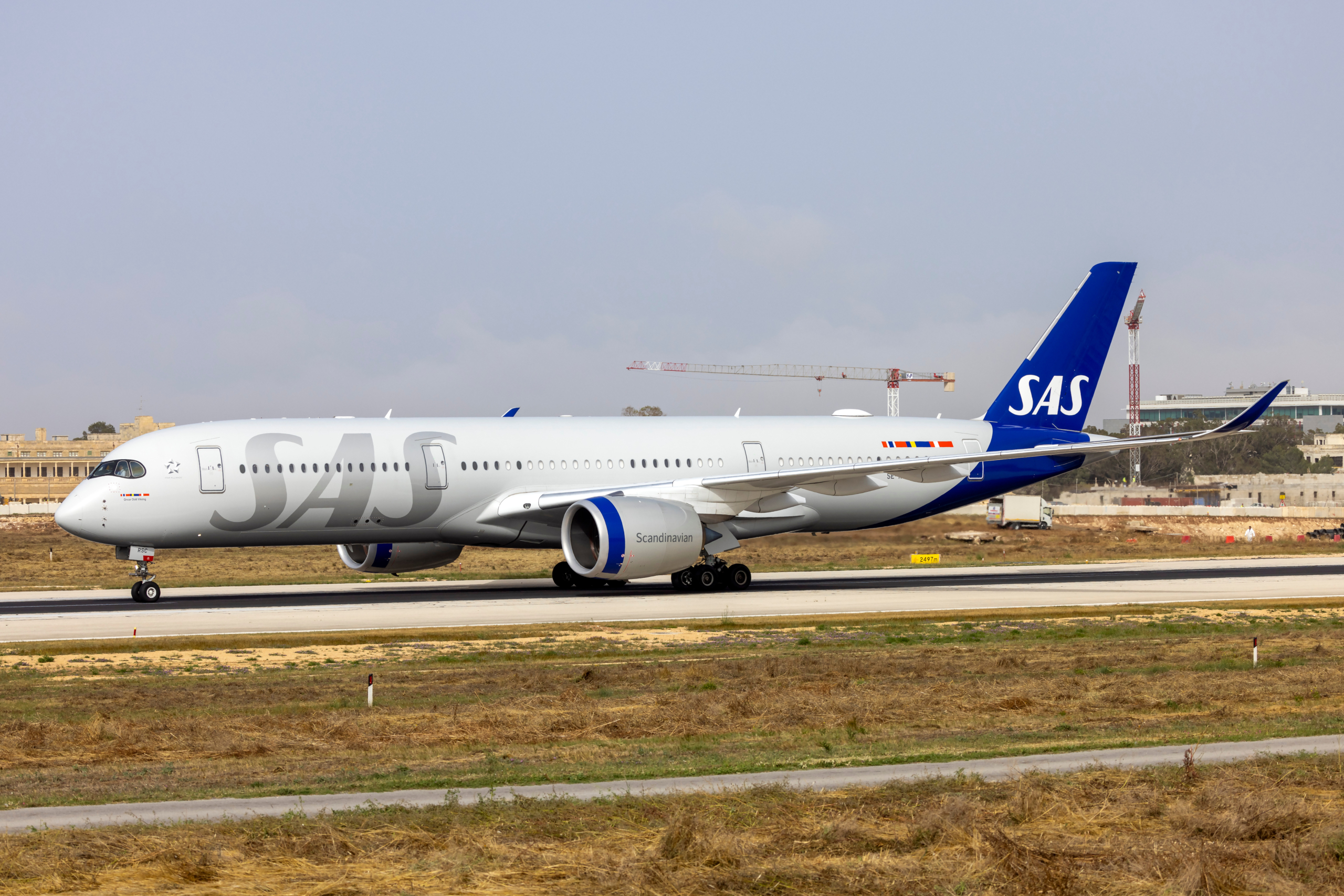
In an interview with Finans earlier this week, Air France-KLM‘s Chief Executive Officer Ben Smith highlighted the importance of Scandinavian Airlines (SAS) within the group’s operation.
He pointed to several strategies that help shed light on why the decision was taken to purchase a non-controlling 20% stake earlier this year. Eventually, it hopes to raise its stake in the company to 60.5%.
This includes using the airline to bolster the group’s long-haul flights out of Europe, leverage Copenhagen as a European hub in the face of slot constraints elsewhere and reinforce the overall Air France-KLM group position.
Air France-KLM’s vision for SAS Scandinavian Airlines
Smith summarised the group’s plan for SAS with three key statements: “more aircraft, more routes, more customers.”
He praised SAS CEO Anko van der Werff for his leadership, hoping to “fully integrate him into our management team”. There is no intention of replacing him once the airline joins the group by the end of next year, subject to regulatory approval.
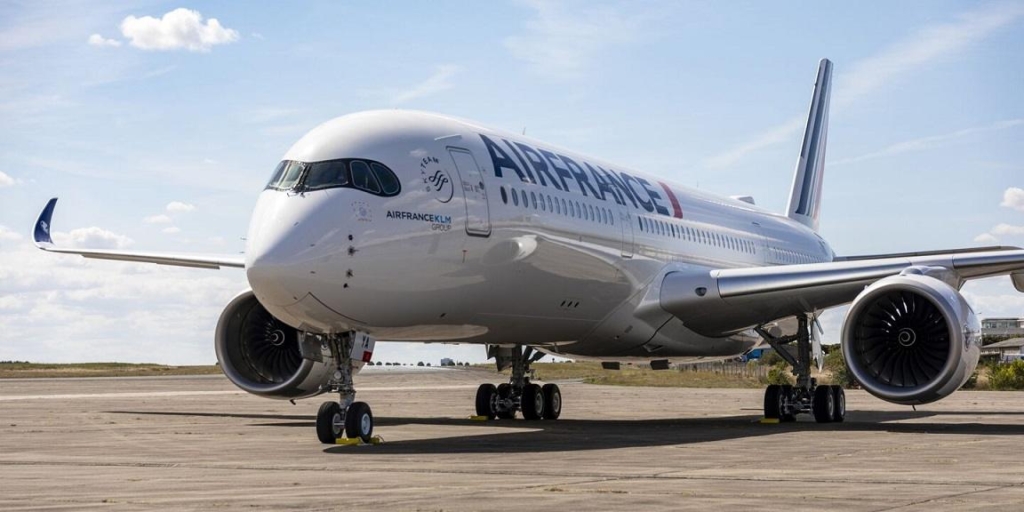
SAS is expected to grow considerably under Air France-KLM leadership. With access to the AF-KLM economy of scale, it will benefit from improved aircraft procurement costs and revenue management capabilities.
The company has “tremendous potential,” Smith said, and underlined the network expansion opportunities that arise from integrating SAS with Air France, KLM, Transavia and SkyTeam members.
Growing the SAS long-haul fleet
One of the key areas of focus to make SAS “both bigger and stronger” will likely come from the long-haul sector. The carrier has just 15 widebody planes, composed of Airbus A350 and older A330 aircraft. Air France and KLM have a combined widebody fleet of more than 165 widebody jets.
SAS is also a good fit in that respect. Air France already operates both these aircraft, meaning the group’s fleet will be harmonised. SAS’s long-haul network is limited, with a handful of flights to the United States and Asia, some of which are driven by narrowbody Airbus A321neos.
Slow and careful growth has powered SAS’s strategy over the last few years. However, with group backing, it will have the ability to grow at a faster rate.
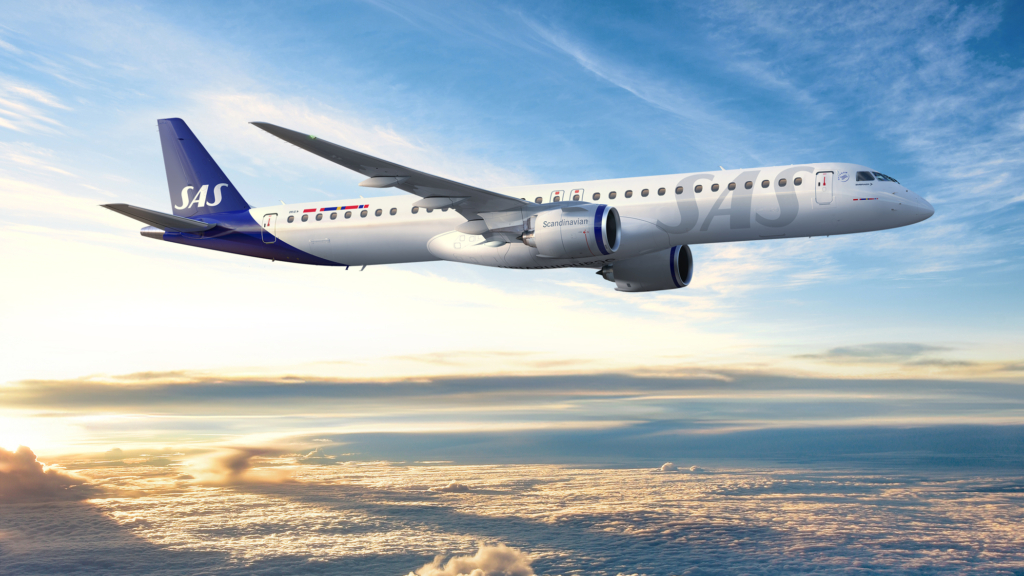
It will also be growing its short-haul fleet. In July, it placed its biggest-ever order in 30 years for Embraer E195-E2 aircraft.
Air France-KLM eyes Copenhagen to expand its network
Copenhagen is not approaching nor has it reached capacity. There is space to grow in Denmark.
This is very different to Air France’s Paris Charles de Gaulle hub, which is slowly reaching space limits. Similarly, KLM’s Amsterdam Schiphol base is full.
SAS, therefore, presents itself as a group-wide opportunity. Its existing position in Copenhagen can be strengthened, and the network can grow to serve the group and its partners.
Earlier this year, Copenhagen Airport’s CEO Christian Poulsen said: “We have a strong partnership with SAS, and we are very pleased with SAS’s decision [to make CPH its global hub] and look forward to welcoming even more SAS flights and passengers. We stand ready to help implement the plans and will make the necessary investments to secure the expansion of capacity.”

It has already launched flights to important SkyTeam airports, including Seattle, and boosted service to destinations in Europe as part of the new group-level strategy. It also launched flights to Atlanta in June last year, an important alliance hub given the presence of Delta Air Lines.
“Our goal is to empower SAS and provide the airline with the ability to grow bigger, while keeping its brand and its Scandinavian identity just as Air France, KLM, and Transavia kept theirs,” Smith concluded in a post on social media.
Featured image: gordzam | stock.adobe.com
Sign up for our newsletter and get our latest content in your inbox.


More from

October 25, 20266 min read

October 25, 20265 min read


